Pulitzer Center Update November 10, 2026
Behind the Story: Grantees Center Empathy in Reports on How Federal Laws Affect Lives
Country:

Journalists with the Virginia Center for Investigative Journalism at WHRO are documenting how...


Kunle Falayi and Christopher Tyree started their reporting project with a question: How can you connect the impact of federal policy on rural communities to legislation passed in Washington, D.C.?.
In their four-part series for The Virginia Center for Investigative Journalism (VCIJ) titled Fractured State: Documenting the Lived Consequences of National Policy, the team talked to rural healthcare workers who couldn’t afford health insurance, coal miners whose workplace protections have stalled under the Trump administration, and a farmer whose harvest is uncertain due to ballooning fuel costs and increased immigration enforcement.
VCIJ as a newsroom often focuses on rural and undercovered communities, and this project was no different. Tyree says the rural focus was important to them, as these communities are often the first to feel the impact of federal policy because there are fewer safety nets and resources.
This story is complex. In many cases, the people bearing the hardest costs from the policies are the same people who voted those lawmakers into power.
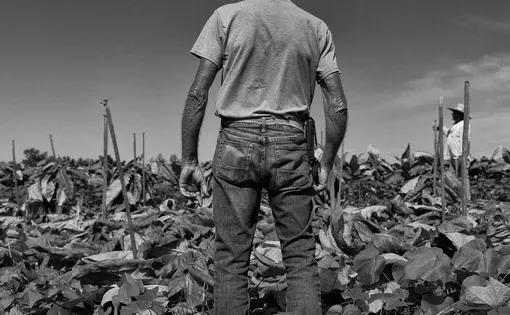
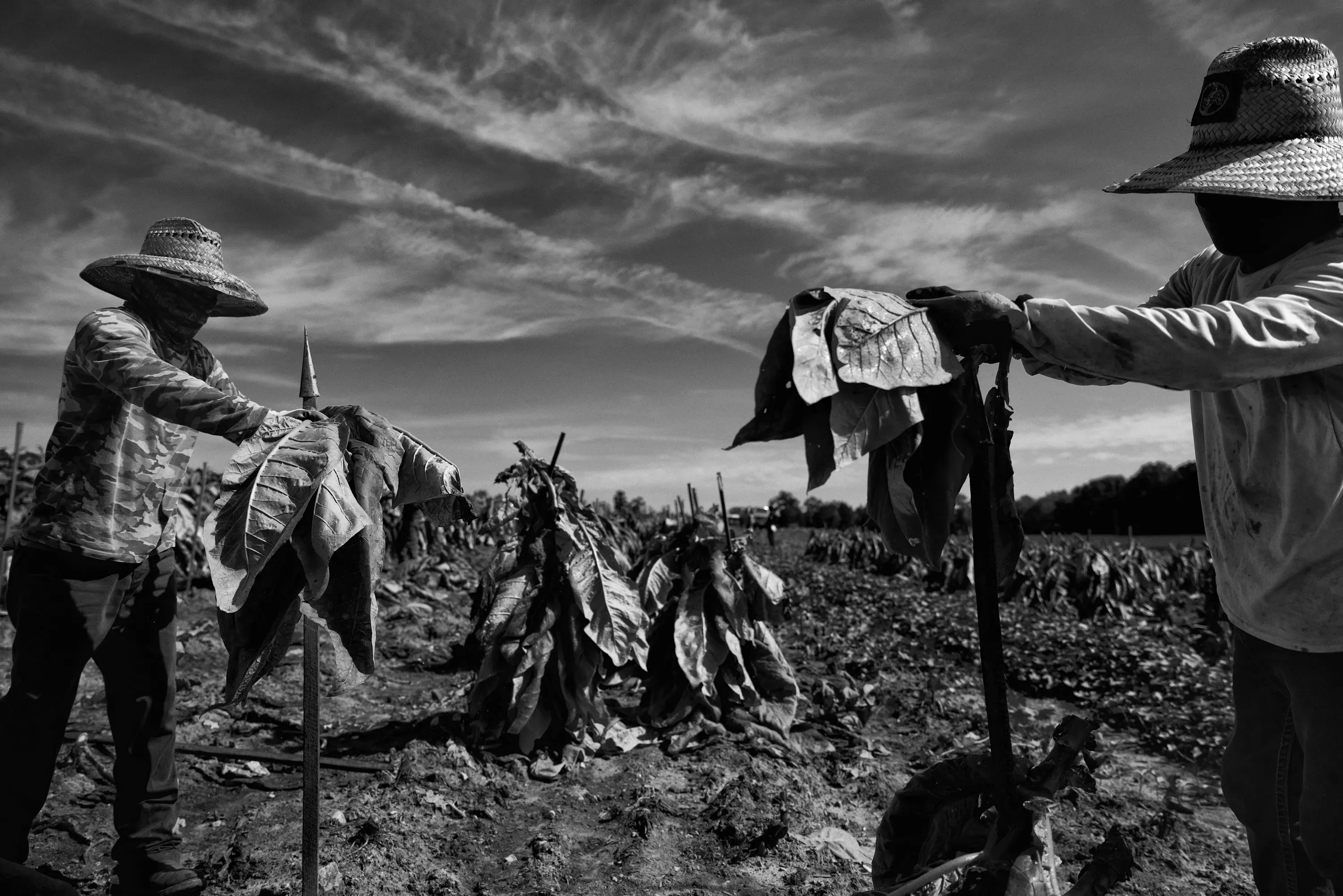
In the article “A Virginia Farmer Faces a Tumultuous Season and Future,” Kenney Barnard, a soybean farmer in Virginia, describes how Trump’s tariff policy has imperiled grain markets and shaken his workers, many of whom are on seasonal H-2A visas.
“I'm not very optimistic about anything the government has to do,” Barnard said. “They tell you one thing and then do something else most of the time.”
In spite of that, Barnard actively supports President Trump and his administration.
The project leans into this tension and complexity.
“It really is about bringing perspective to all Virginians. A lot of times, when you go to vote, you're voting a party and not an issue. And this was intended to [be] like, ‘Hey, let's actually listen and let's feel.’ Let's take a look at this empathetic reporting, and hopefully inspire people to make better decisions about what's best for them.”
“Some of the feedback we got from that story was people basically saying, ‘Well you voted for this, deal with it,’” Falayi said. But he encourages readers instead to have empathy for the characters in the stories.
From the beginning, Falayi and Tyree centered empathy in their reporting process.
“Empathy isn't a trait that's actually even often talked about in journalism,” Tyree said, speaking about the ideal of objectivity in journalism. “But the reality is, whenever you point your camera, or even what you frame in your story, there is a bit of subjectiveness to that.”
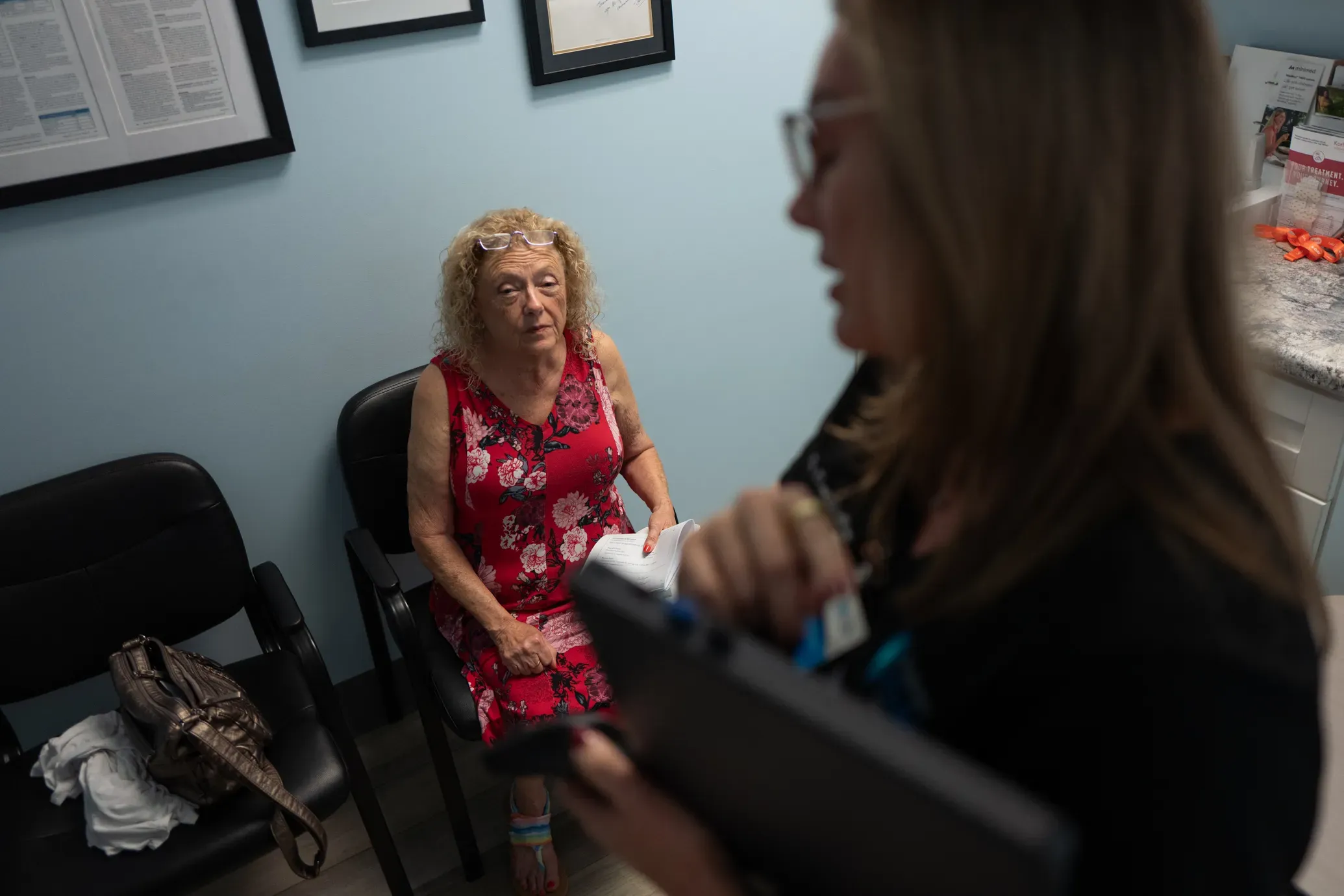
Tyree recalled when he and Falayi were reporting the story “A Rural Diabetes Clinic in Virginia Struggles To Provide Care." The clinic is struggling to absorb the costs of caring for uninsured patients since federal cuts to Medicaid and the Children’s Health Insurance Program in Virginia kicked 113,000 people off of insurance.
“We went up and visited once. We didn't take any pictures. We really just sat and talked for about an hour, just to get them comfortable and let them know what we were after,” Tyree said. “All of that pre-planning does make a big difference in order to get the kind of shots you need.”
He adds, “For me, the power of visual journalism comes when you can put people—the viewer—into the room.” Tyree said, adding that this takes work and trust-building. “And I think the only way you can get there is to be empathetic, and empathy comes from listening.”
Falayi, who led the visual presentation of the project, says they intentionally chose to center photography and tried to create a story that could be understood more with feeling than words.
In addition, while their investigation is backed by data, its presence is subtle in the piece.
“One of the first things you're taught in data journalism is that it should not read like a data story. It should read like a human story,” Falayi said.
Before adding a data point to a story, Falayi asks whether a reader can understand the story without it. “Your data should extend the explanation,” he says, not repeat it.
During the reporting process, VCIJ partnered with photojournalists deeply connected to, and often living in, the areas they were reporting in.
Tyree grew up in southwest Virginia and photographed the Virginia farmers story, which is based 40 miles southwest of Richmond. “I was out there probably half a dozen times over the course of a summer and a growing season. I think it’s important that people can report in the communities that they know well and have good sources.”
VCIJ plans to package the stories into print and release it across the state “so that people can hold it and spend more time with these stories and see them in a different way,” Tyree said.
“Making it a visual piece is not just about the photographs; it's also about how people navigate the photographs,” Falayi said.
Tyree is hopeful that their stories will resonate with readers.
“We hear that these stories are getting back to the communities where we reported them, and they're having an impact,” Tyree said. “People are starting to talk about what's going on, and they're appreciative that we took the time to listen.”