

Journalists with the Virginia Center for Investigative Journalism at WHRO are documenting how...

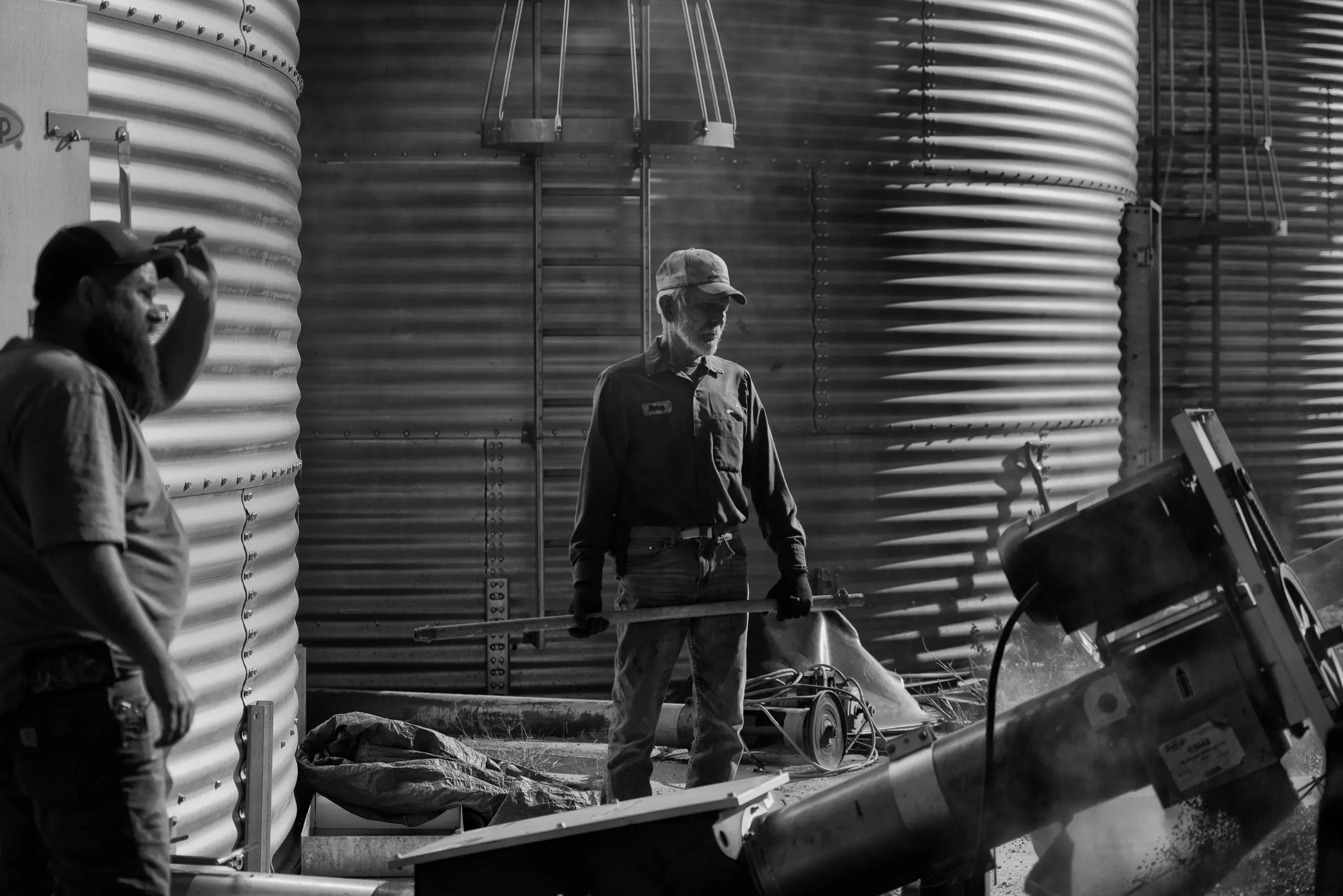
U.S. tariffs and immigration enforcement have challenged Virginia farmers as the harvest season ends. For one Virginia farmer, the next season seems uncertain.
Harvesting soybeans for an unsettled market
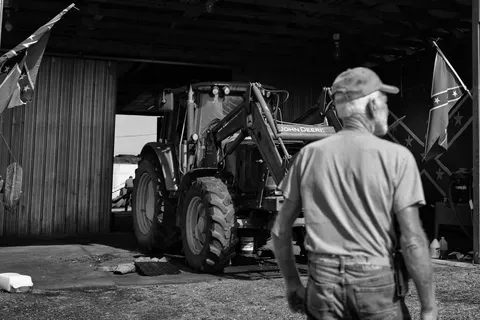
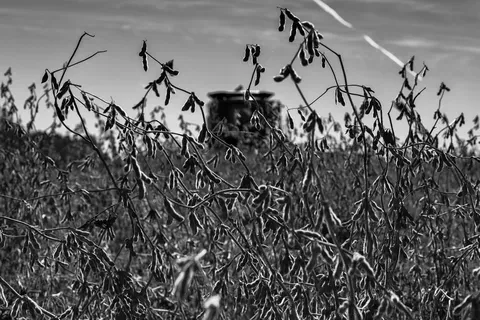
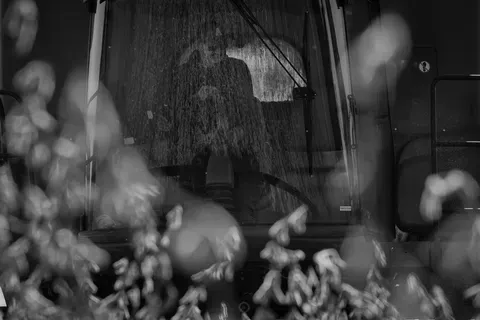
Dry soybean pods shook on their vines as Kenney Barnard’s bright red combine shuddered down his field in Amelia Court House, about 40 miles southwest of Richmond. A semi sat nearby to transport his harvest of this vital commodity, Virginia’s largest agricultural export.
Unlike most years, the soy beans will head to an empty silo instead of a grain broker. Barnard is waiting to see how the Trump administration’s tariff policy plays out. The up-and-down negotiations between the U.S. and China, the largest buyer of American soybeans, have shaken the grain markets.
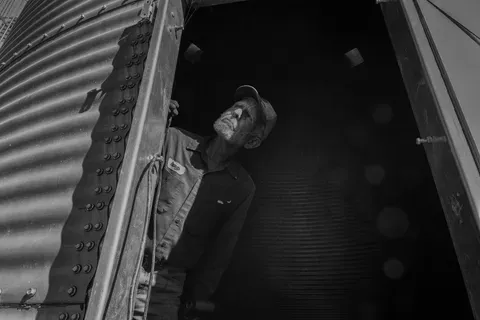
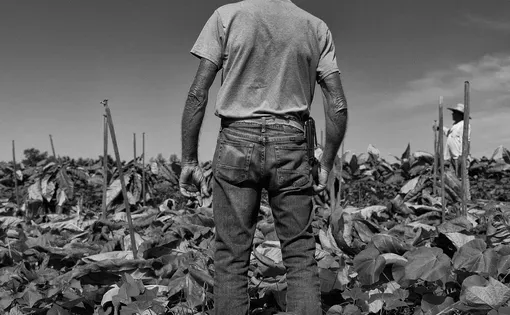
For more than 50 years, Barnard, 75, has farmed the rich soils of his Hoot Owl Hollow Farm, growing tobacco, corn, and soybeans among other crops, as well as raising cattle. The toil of the land is evidenced in his callused hands and sun-aged skin.

As a nonprofit journalism organization, we depend on your support to fund more than 170 reporting projects every year on critical global and local issues. Donate any amount today to become a Pulitzer Center Champion and receive exclusive benefits!
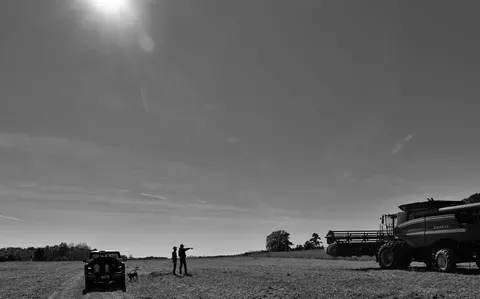
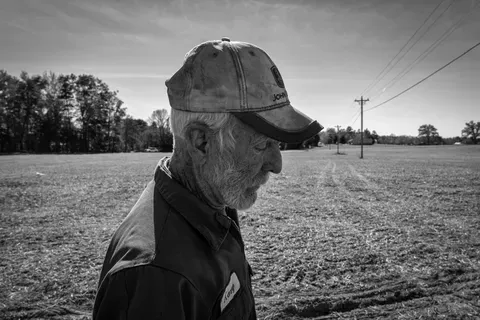
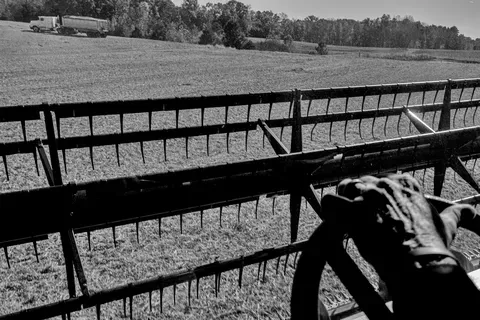
But while farming is often unpredictable, this year Barnard and his fellow farmers are facing an unsettled future due to Trump’s positions on tariffs and his crackdown on immigration.
Trump threatened an additional 100% tariffs on Chinese exports in October. China retaliated with levies on U.S. imports – and largely stopped buying soybeans from American farmers.


In November, the White House announced a reduction in tariffs on Chinese goods, but Beijing has yet to acknowledge an agreement. Between 2020 and 2024, China imported an average of 29 million tons of U.S. soybeans annually, according to the Center for Strategic and International Studies.
This year, it has imported just 332,000 tons, according to USDA data reported by the Associated Press.
Barnard, a Trump supporter, wonders if the continued trade escalation between the Trump administration and China this year might be the one that puts him out of business. He checks his phone several times a day for the latest soybean prices.
Barnard plans to store his soybean harvest in silos and hopes trade accelerates. The loss of income means he’ll have to rethink how he’ll purchase seed, fertilizer and equipment for next year.
Trump has floated a $12 billion subsidy to farmers who’ve lost out because of his tariff policies, but nothing regarding this bailout has moved forward.
“I'm not very optimistic about anything the government has to do,” said Barnard. “They tell you one thing and then do something else most of the time.”
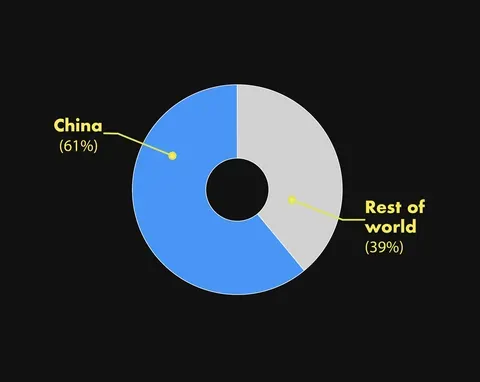
China imports nearly 61% of the world’s production of soybeans, according to the American Soybean Association. Virginia’s top agricultural and forestry exports in 2023 were soybeans, valued at over $1.4 billion – more than half to China, according to the Virginia Department of Agriculture and Consumer Services. The farming and forestry sectors make up about 9% of the Commonwealth’s GDP, contributing more than $82 billion to the economy annually, according to the Virginia Farm Bureau’s estimates.
A final tobacco harvest?
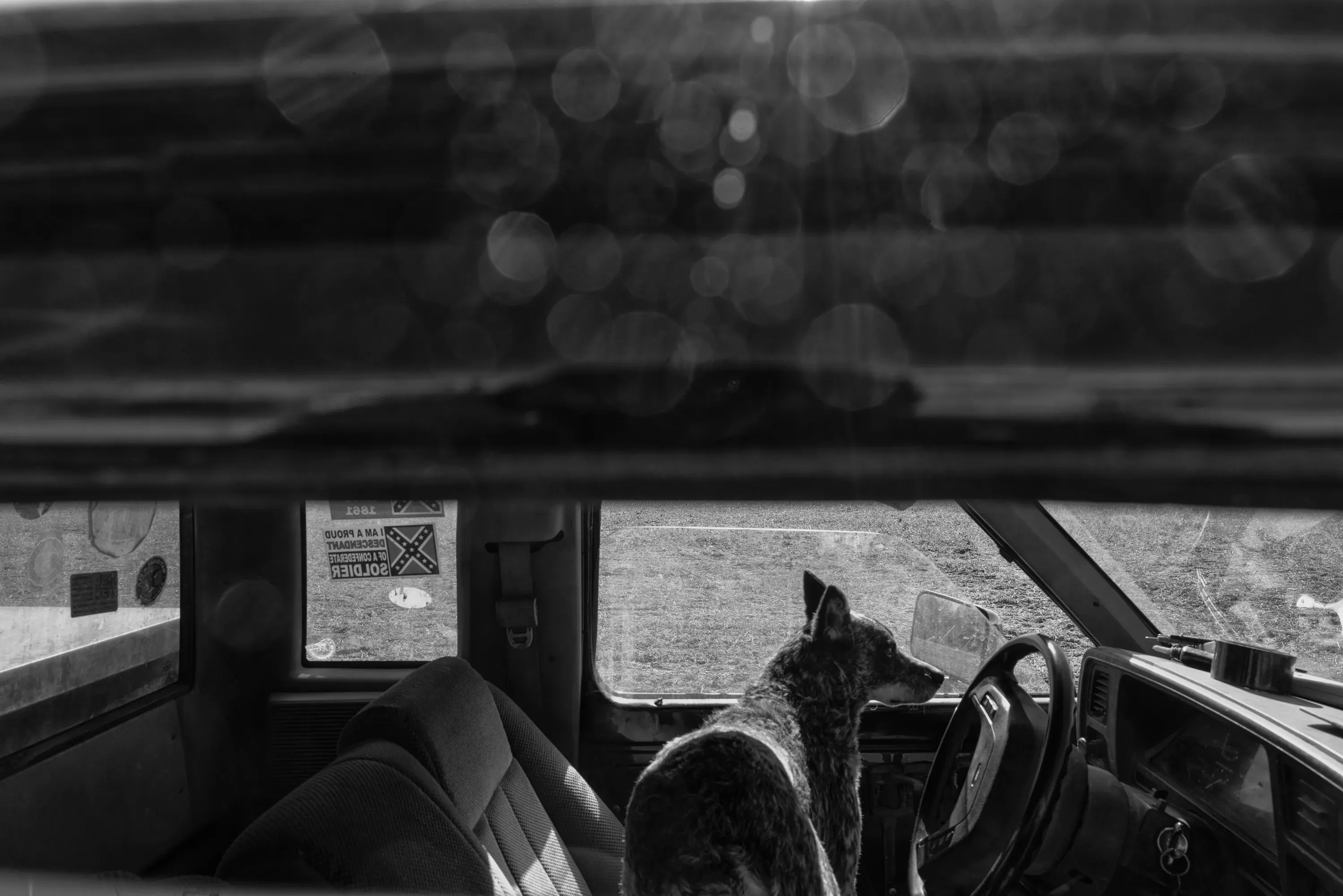
On a hot August morning, Barnard pulled his pickup to one of the fields he leases near his farm. Tobacco plants soaked in the sun with their big green leaves.
In the distance, several men in straw hats systematically felled the heavy plants and skewered them on wooden stakes. All told, Barnard grows about 14 acres of tobacco.
Tobacco has been grown, harvested and stripped by hand in Virginia since the early 1600s. Barnard’s family has been growing tobacco on James River bottomland for more than 75 years.
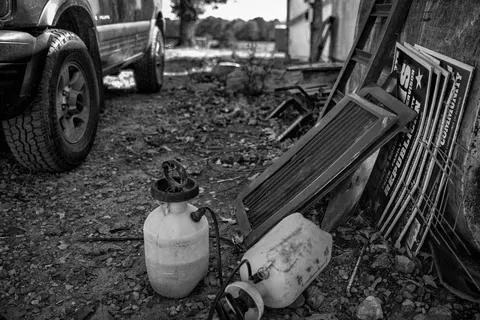
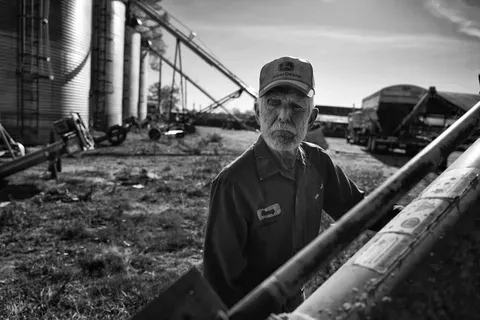
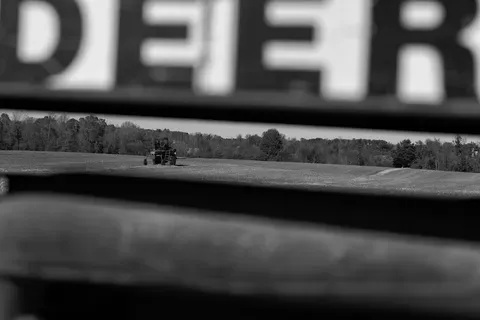
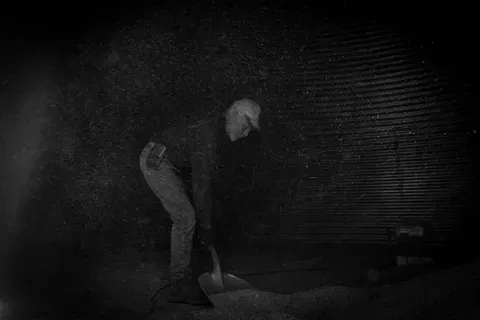
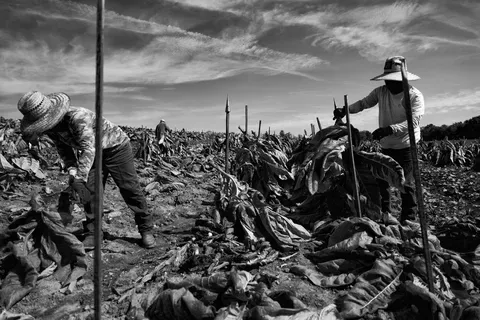
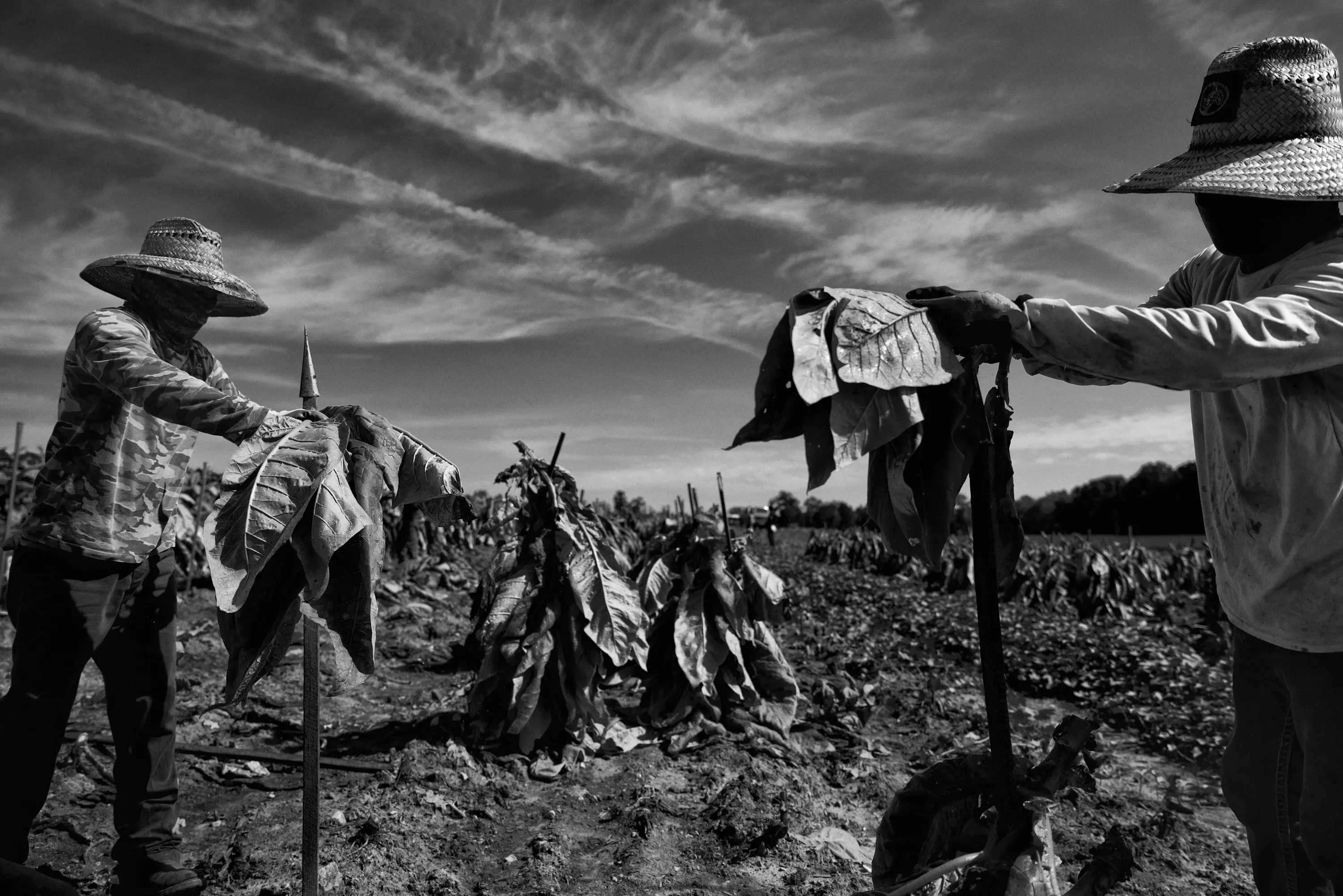
Images by Christopher Tyree/WHRO. United States.
For almost 40 years, Barnard’s trusted farmhand, Martin, has plodded countless miles over this land planting and harvesting the cash crop. Martin, who declined to give his last name, is from Mexico in the U.S. on an H-2A visa that allows foreign workers to hold seasonal farm jobs.
As more U.S. workers have moved out of agriculture, the number of H-2A workers has grown. In 2024, the program drew about 380,000 migrant farm workers, a 300% increase from 94,000 in 2010, according to the U.S. Department of Labor. The number of farms applying for migrant labor has tripled during that period.
Trump’s immigration policy of deporting undocumented immigrants has affected the agriculture business. U.S. Immigration and Customs Enforcement raided farms that depend on year-round labor, like dairy farms. That fear of deportation has rippled through the H-2A program. Barnard’s workers shield their identities and rarely leave the farm. When they do, they carry their passports and visas.
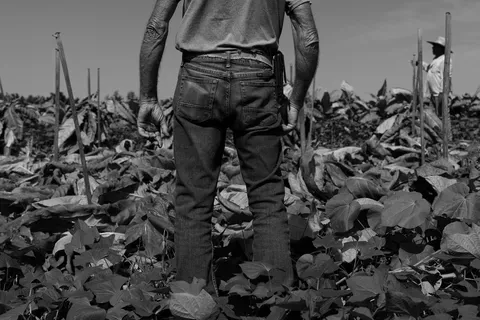
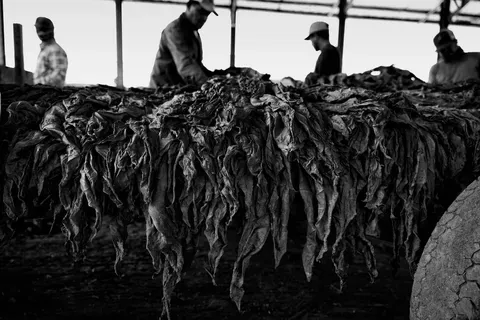
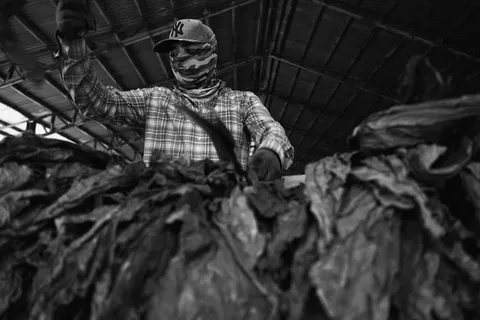
In July, U.S. Secretary of Agriculture Brooke Rollins announced that the crackdowns would continue.
“There are 34 million able-bodied adults in our Medicaid program. There are plenty of workers in America,” Rollins said. “So, no amnesty under any circumstances. Mass deportations continue, but in a strategic and intentional way, as we move our workforce toward more automation and a 100% American workforce.”
Barnard asked Martin and his crew if they would come back next year.
“Martin was about 20 years old when I first went down to Mexico to get him to work for me in 1986. Since then, he has brought three of his kids and his cousin to work here after they became of age.”
Farmer Kenney Barnard
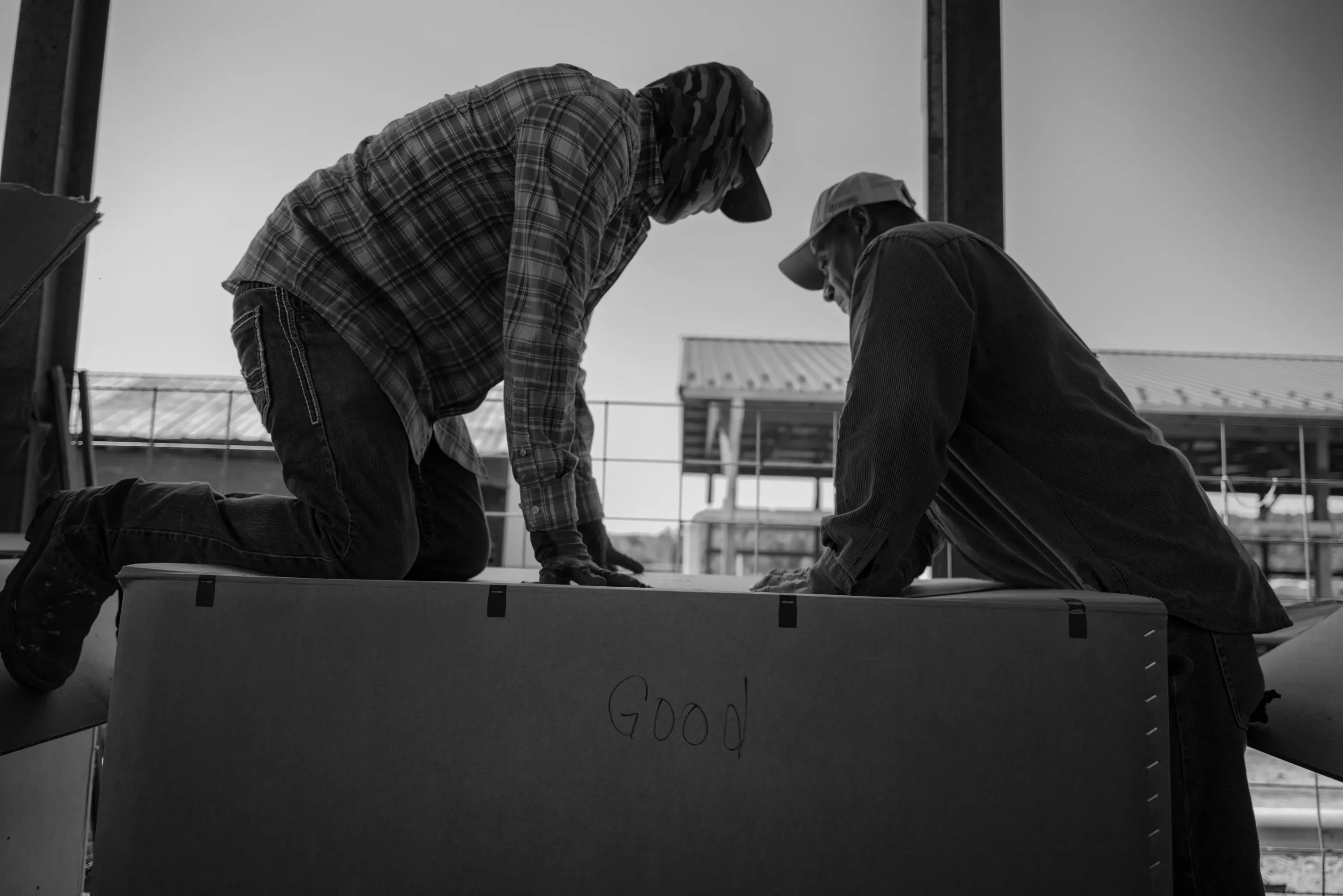
Image by Christopher Tyree/WHRO. United States.
“When I asked them, they told me they would come back,” he said. “If they do not come back next year, I won’t raise tobacco.”
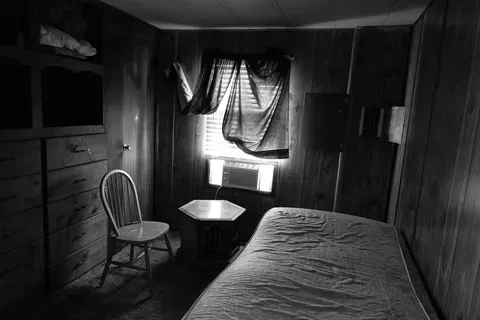
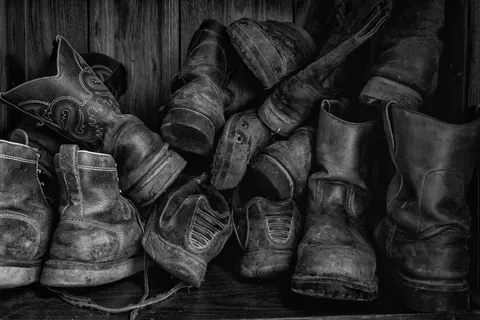
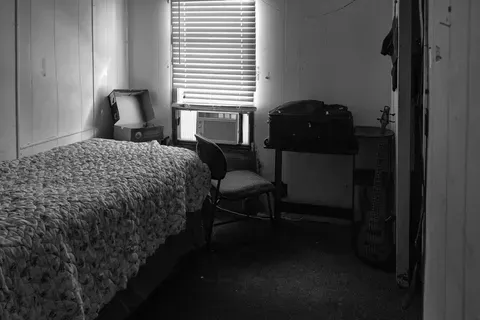
Martin and his family stripped the last of the dried, brown tobacco leaves from their stalks and boxed them up for export in early November. Before the sun came up the next day, the workers left for home. All that remained in the small trailer where the five grown men spent the last seven months was a cubby of worn boots and a suitcase filled with dirty clothes.