Story
 September 29, 2026
A Rural Diabetes Clinic in Virginia Struggles To Provide Care
Country:


Journalists with the Virginia Center for Investigative Journalism at WHRO are documenting how...

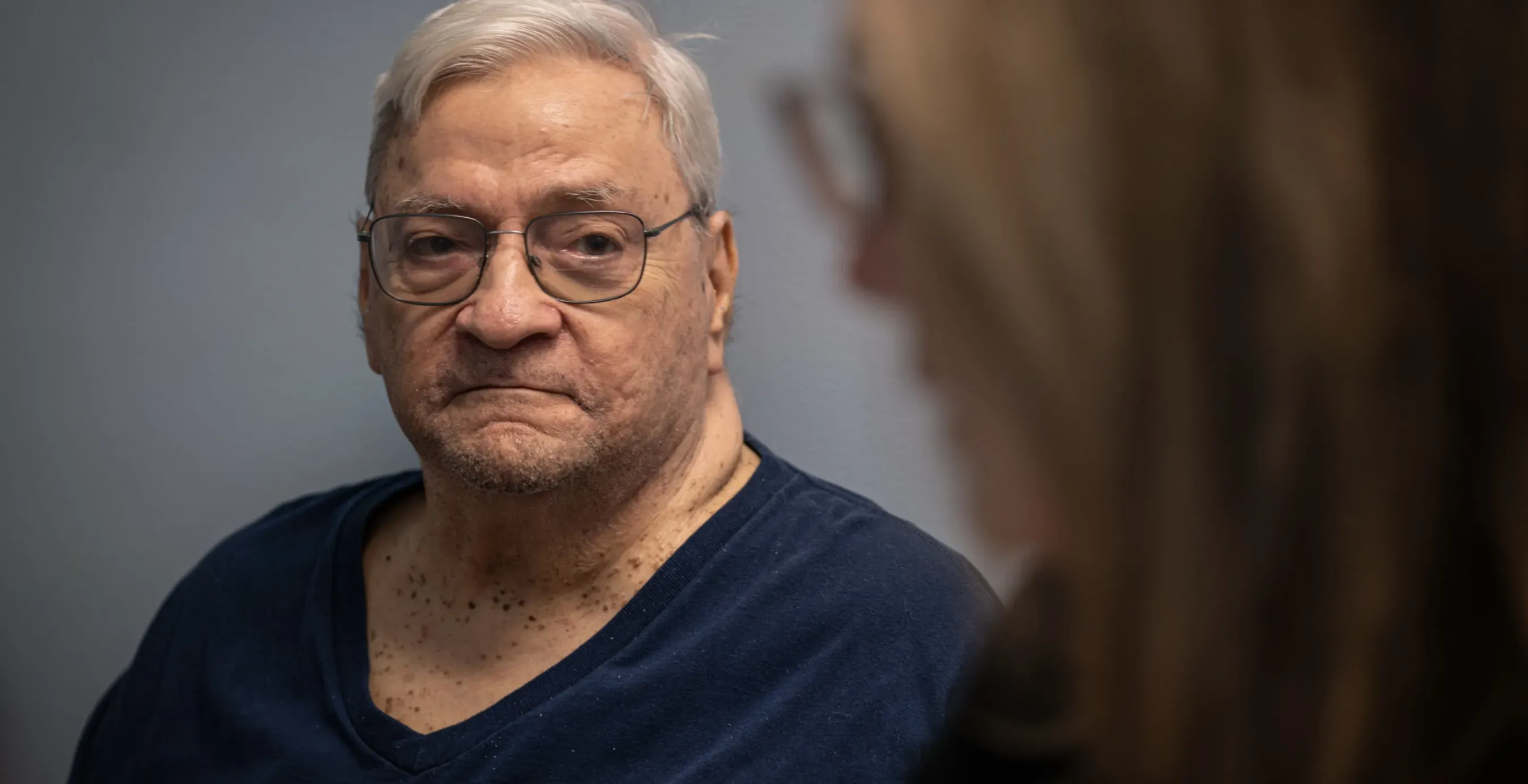
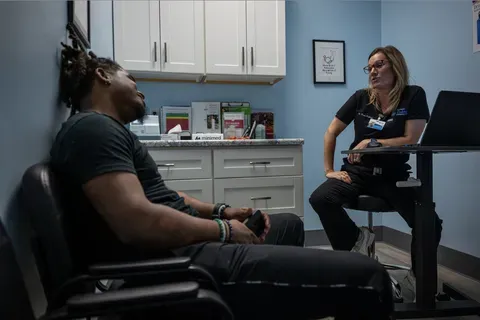
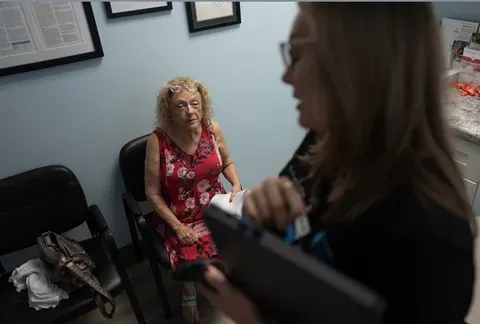
Dr. Dana Stallings sat at a small desk in her consultation room, looking at charts and records on a computer when her next patient, John Hoofnagle, arrived with his wife of 50 years, Joann.
Once pleasantries were out of the way, Stallings looked at Hoofnagle’s blood sugar readings and quickly dipped her hand into a drawer and came out with a fistful of assorted crackers.
“Start munching," she said, in an effort to prevent the symptoms of low blood sugar like shakiness, dizziness, or weakness. “At this point, you have 3% low blood sugar. I’m not happy with that.”

As a nonprofit journalism organization, we depend on your support to fund more than 170 reporting projects every year on critical global and local issues. Donate any amount today to become a Pulitzer Center Champion and receive exclusive benefits!
Moments like this are the cadence of this day in early August.
Stallings, a doctor of nursing practice, opened Southside Diabetes in Franklin four years ago with a specific promise: people around this small Southside Virginia town would not have to travel hours for specialized diabetes care.
It’s personal for Stallings. Her father had Type 1 diabetes. She grew up watching him check his blood sugar, take insulin, and later suffer the consequences of a disease that can quietly damage the heart, kidneys, nerves, and eyes. As a nurse, she saw the need for comprehensive care in hospitals: patients admitted for strokes or surgeries who also needed finger sticks, insulin and long-term help they often did not receive after discharge.
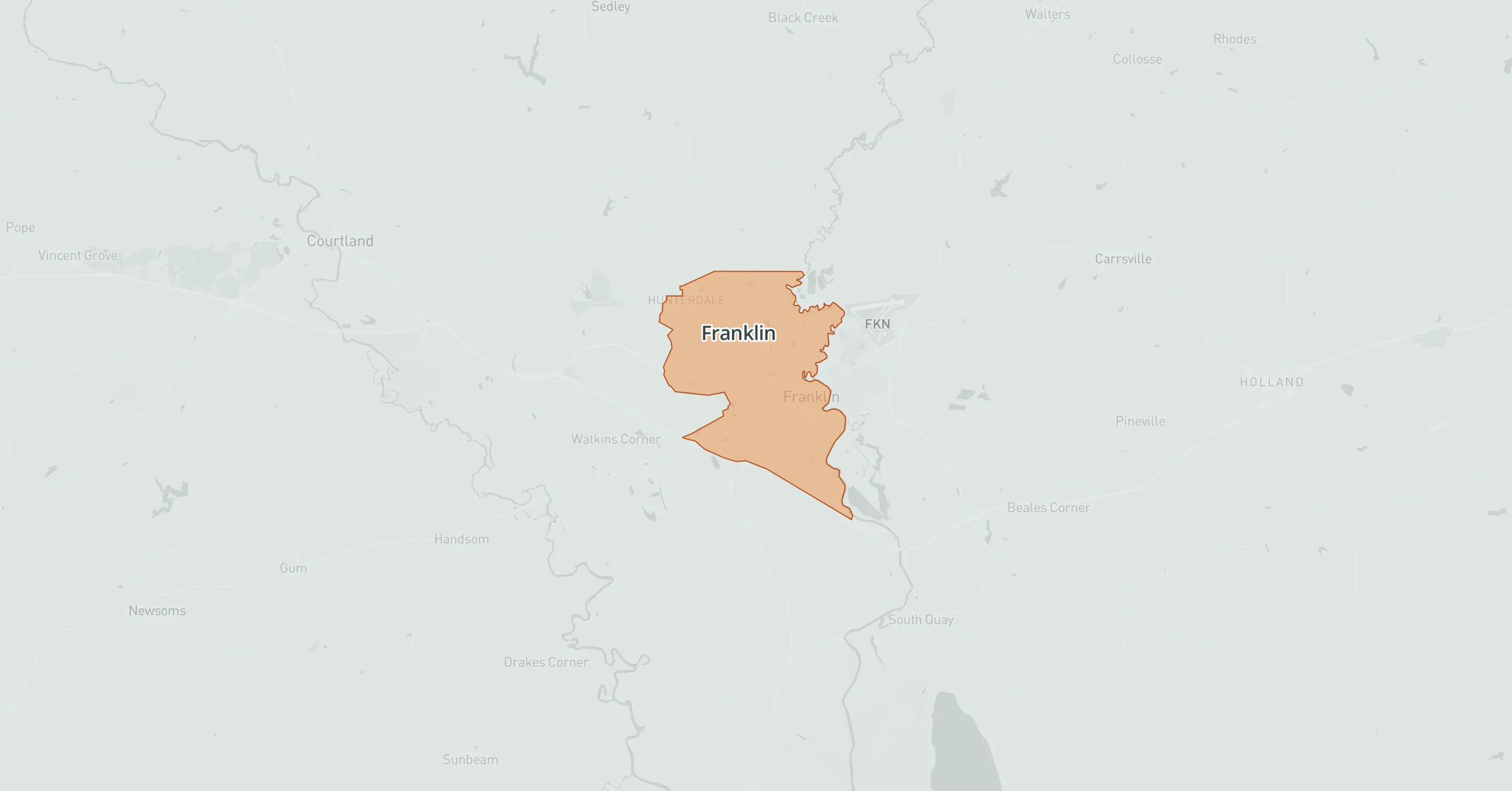
She left her job as a nurse practitioner in Suffolk and came back to Franklin, where she had once worked at the city health department. The town is right in the middle of Virginia’s diabetes belt. Since 2022, Stallings said, Southside Diabetes has grown to nearly 2,600 patients and expanded services to primary care and mental health.
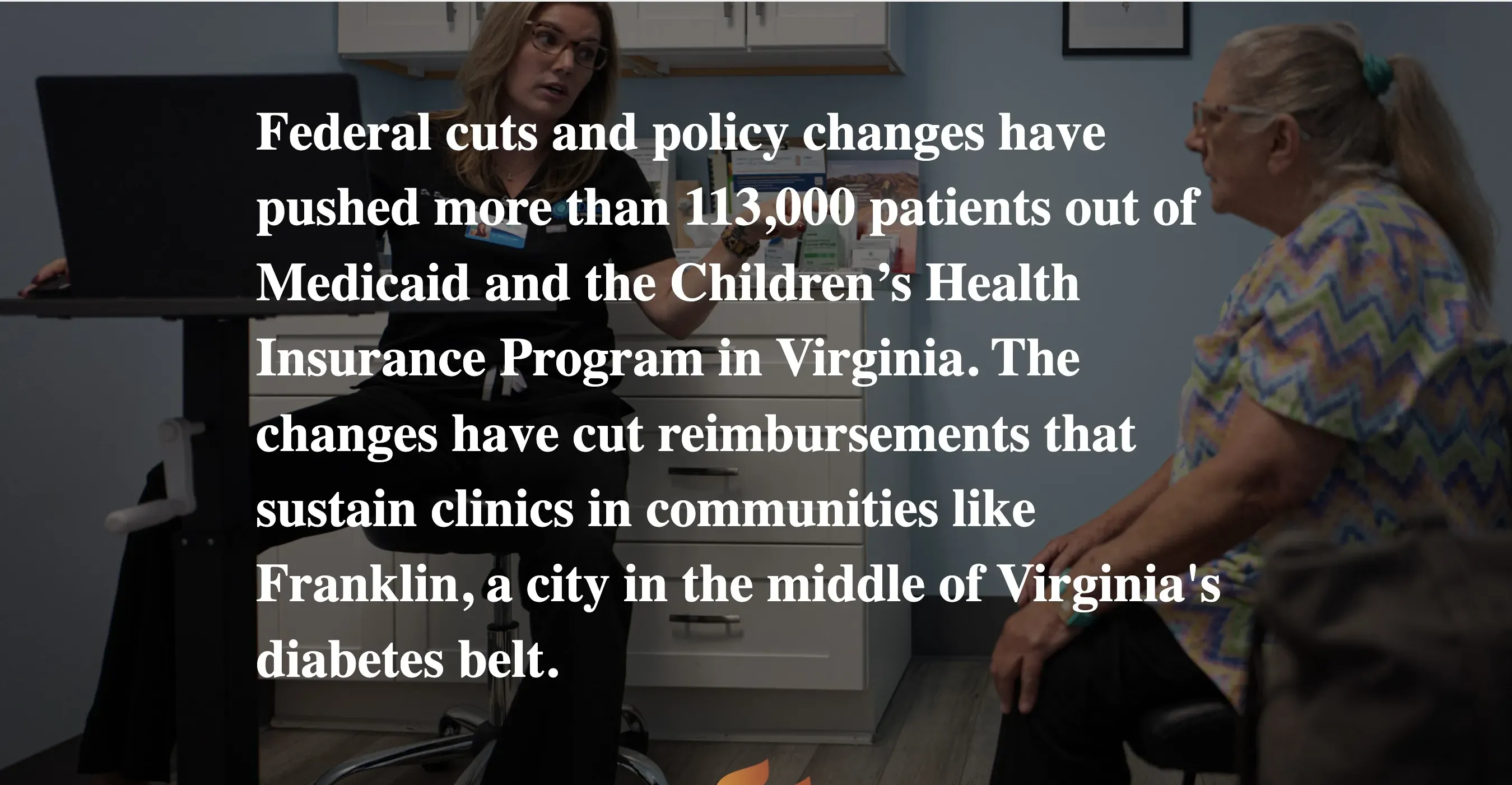
Now it has become a test of how much this one small practice can absorb as federal cuts to Medicaid and the Children’s Health Insurance Program leave many of her patients without coverage and the clinic without much of the reimbursement that sustains operations.
The Trump Administration’s H.R. 1, also known as One Big Beautiful Bill Act, has caused Virginia to see one of the steepest drops in Medicaid and CHIP enrollment nationwide. Adult and child enrollment in the Commonwealth fell by more than 6% between April 2025 and April 2026, according to figures reported to the Center for Medicaid and Medicare Services. Only 11 states have a higher rate.
At Southside Diabetes, the cuts have meant many diabetes patients are no longer showing up for care. Some show up for their appointments, but get denied coverage by their insurers.
For many residents, the clinic is no longer just a place where they can get diabetes care. Other nearby health care facilities are shutting down, and the burden has fallen on the clinic.
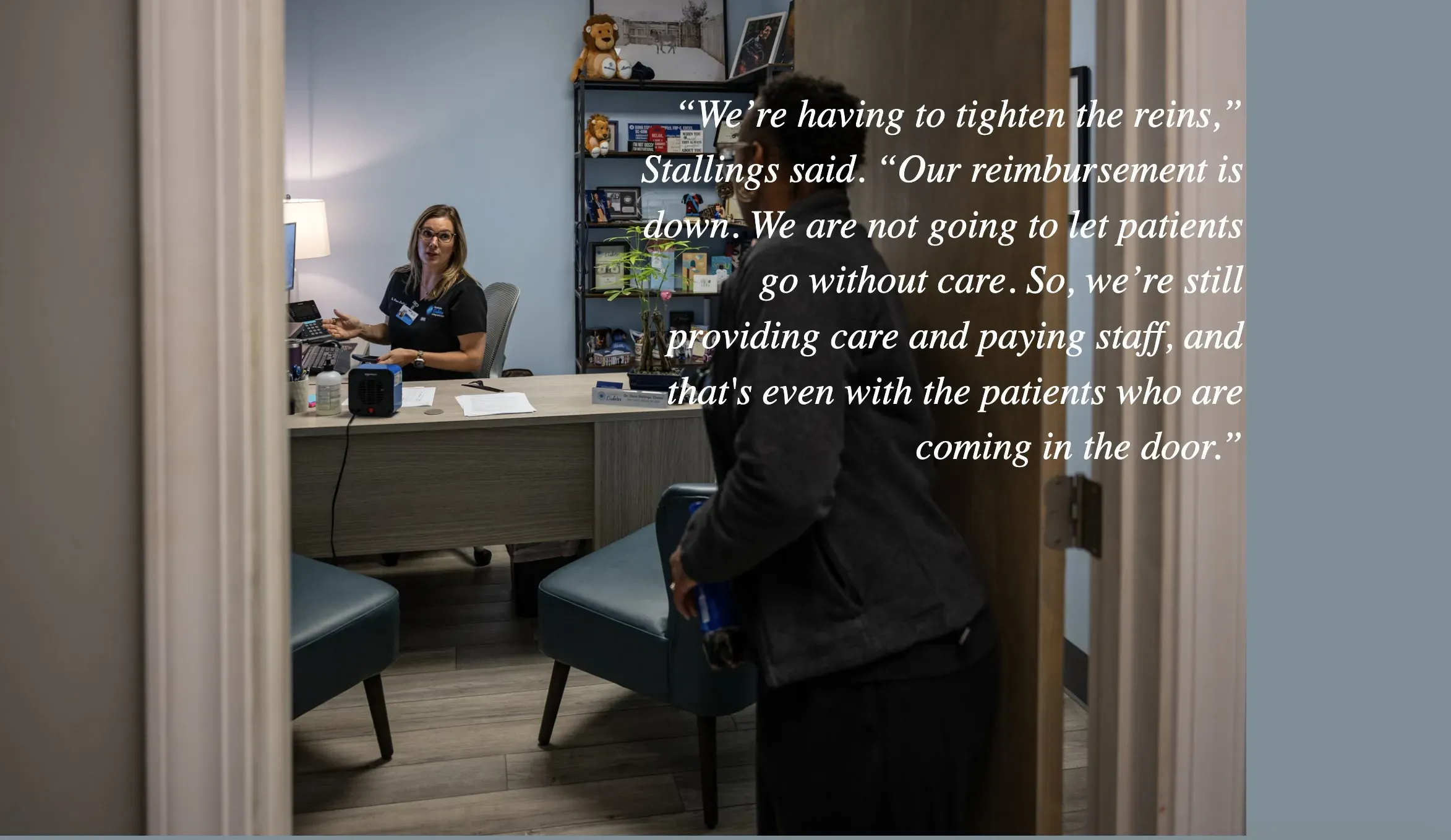
“We’re having to tighten the reins,” Stallings said. “Our reimbursement is down. We are not going to let patients go without care. So, we’re still providing care and paying staff, and that's even with the patients who are coming in the door.”
On a typical, busy morning in August, Stalling shuttled from her office to the examination room in a steady rhythm of rapid‑fire assessments, dosage tweaks, and practical coaching.
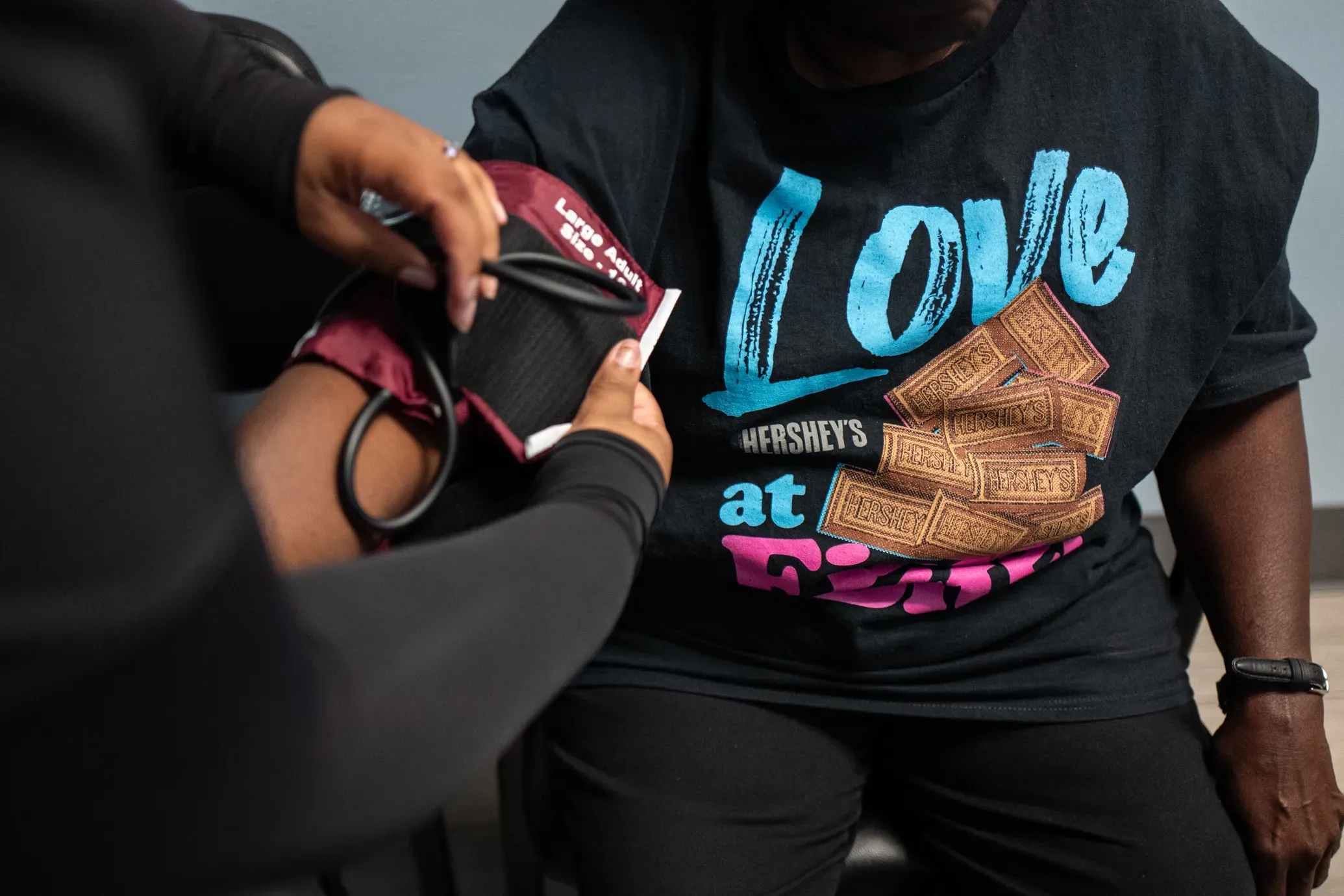
Many of her patients travel as long as an hour for their clinic visits, including families like the Hoofnagles, who live in Chesapeake. Every consultation has the same tone: a small admonition, a chiding for skipping meals or not eating well or concern over personal issues at home that she always seems to know about her patients.
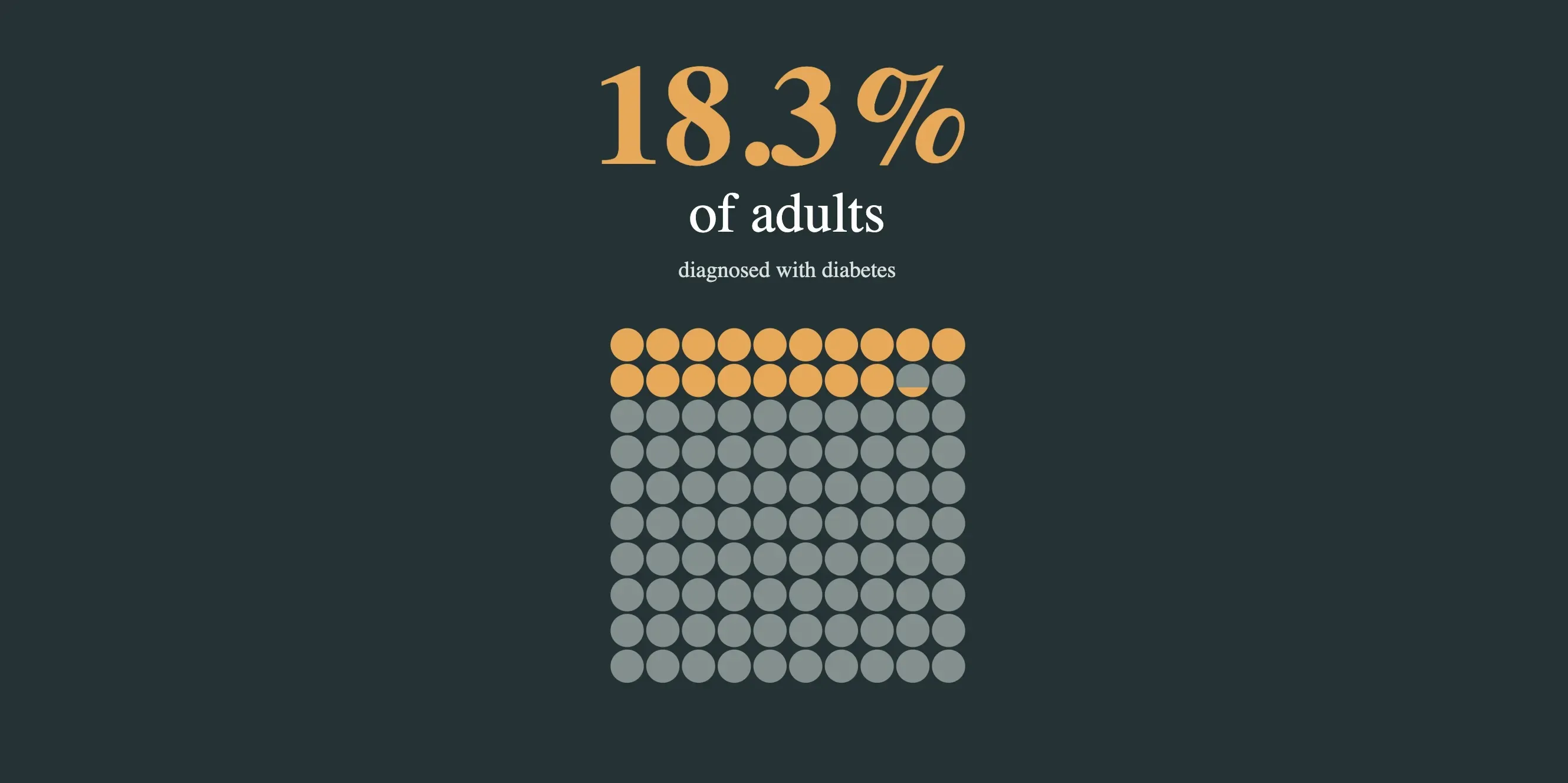
Southside Diabetes is also the only diabetes-specific health care provider in a town where one in five adults has been diagnosed with the disease, according to the latest figures from the CDC.
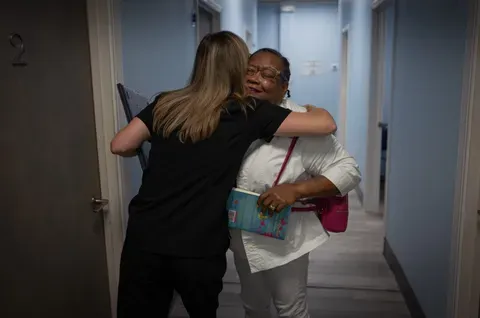


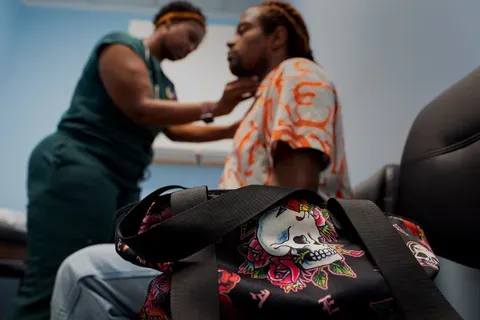
One in 10 Southside Diabetes’ patients is a Medicaid patient, and one in three depends on Medicare. Research by the Commonwealth Fund found that Medicaid typically accounts for between 4% and 10% of a standard private clinic's patient volume, while Medicare makes up around 20% to 25%. The rest are covered by private insurance.
Despite the impact of H.R. 1, the clinic continues to grow, Stallings said. “That need for health care did not decrease when Medicaid coverage was reduced,” she said. “If anything, the need continues to grow. What has changed is how, or whether they can pay for and access that care. H.R. 1 has made accessing that care more difficult for some of the patients who need it.”
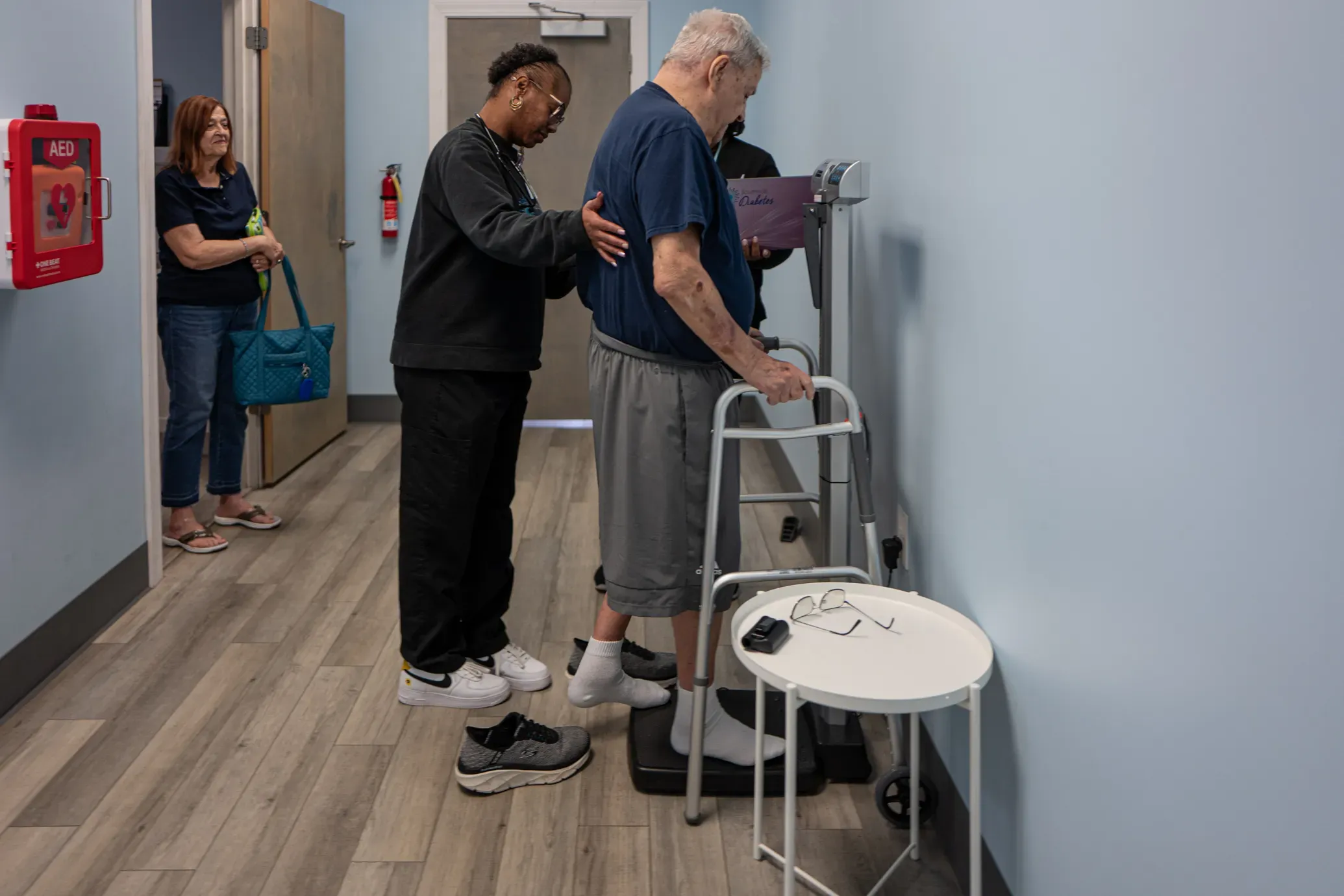
Almost every minute on a weekday afternoon, another patient steps into Southside Diabetes from the long corridor of a strip mall just off Armory Drive, Franklin’s main commercial corridor and retail hub. The clinic shares the building with restaurants, shops and a fitness center.
Stallings shuttled between an exam room and her office, a small space lined with board certifications, nurse practitioner credentials and degrees, including a Ph.D. Behind her chair, one corner is given over to Elvis Presley memorabilia.
The steady flow of Franklin residents through Southside Diabetes reflects how deeply the disease has taken hold in the region.
“You can’t throw a stick without hitting someone that’s diabetic,” Stallings said.
Controlling the disease is more difficult given a shortage of grocery stores and healthy food options.
USDA Food Access Research Atlas data show both of Franklin’s census tracts were classified as low-income and low-access.
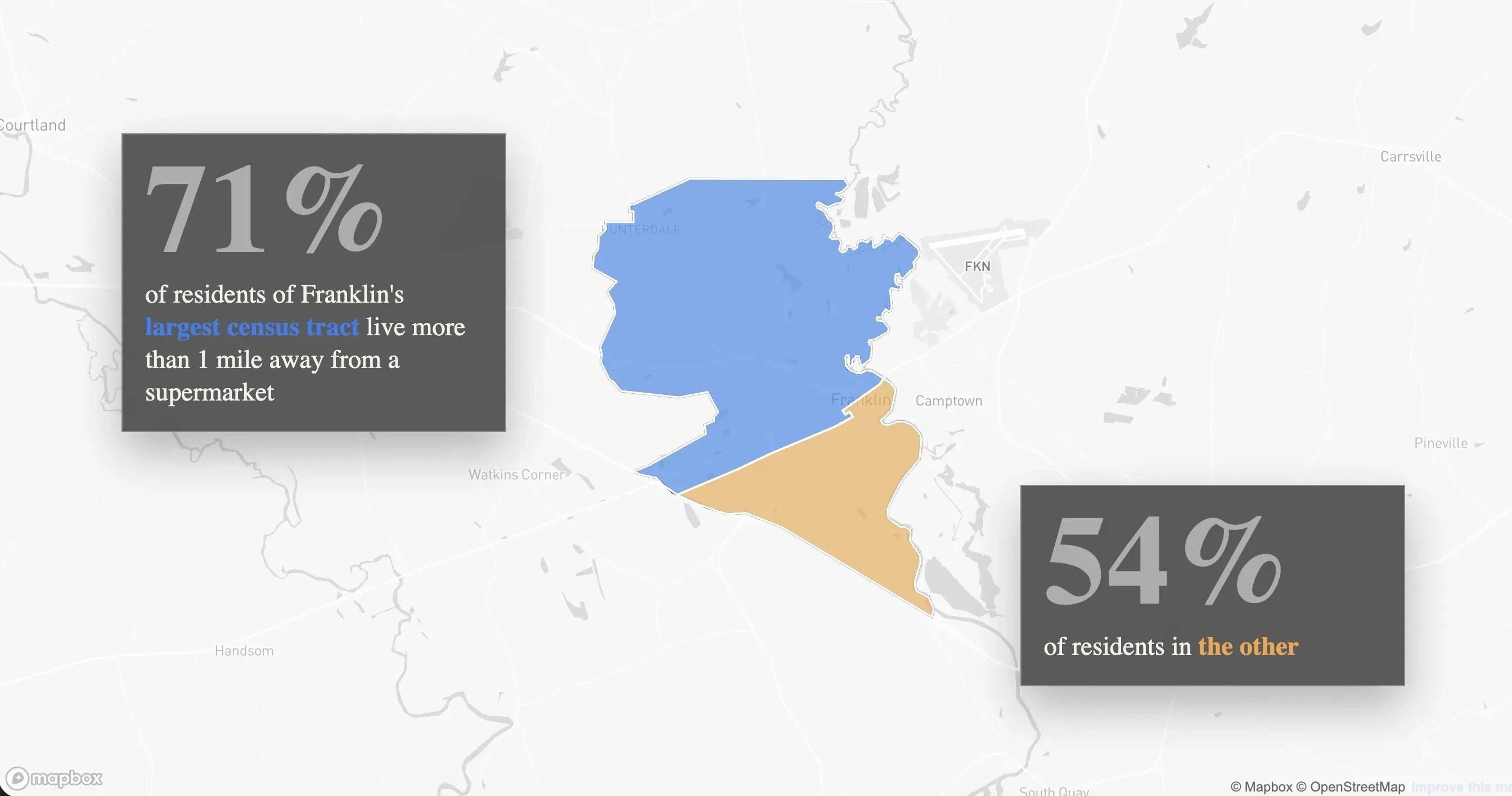
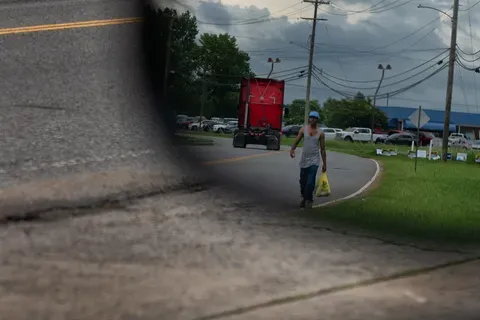

“We are not only in a health care desert. When patients lose nutrition assistance, they often turn to cheaper packaged foods, processed foods and fast food. It’s going to make pre-existing diabetes worse because they just don’t have access to healthy, nutritious foods.”
Dr. Dana Stallings
At the same time many Virginians were losing Medicaid enrollment, they were also losing food assistance due to federal cuts to the Supplemental Nutrition Assistance Program. Virginia’s SNAP participation declined by 14% between July 2025 and May 2026.
Deeper cuts from H.R. 1 to both SNAP and Medicaid are scheduled to hit after the midterm elections in November.
That reach creates a paradox: demand is high, but the business model is fragile.
Sometimes, Stallings said, staff reduce charges or see patients without payment. “We’re not going to let them go without care,” she said.
The federal cuts have forced her to delay hiring new staff.
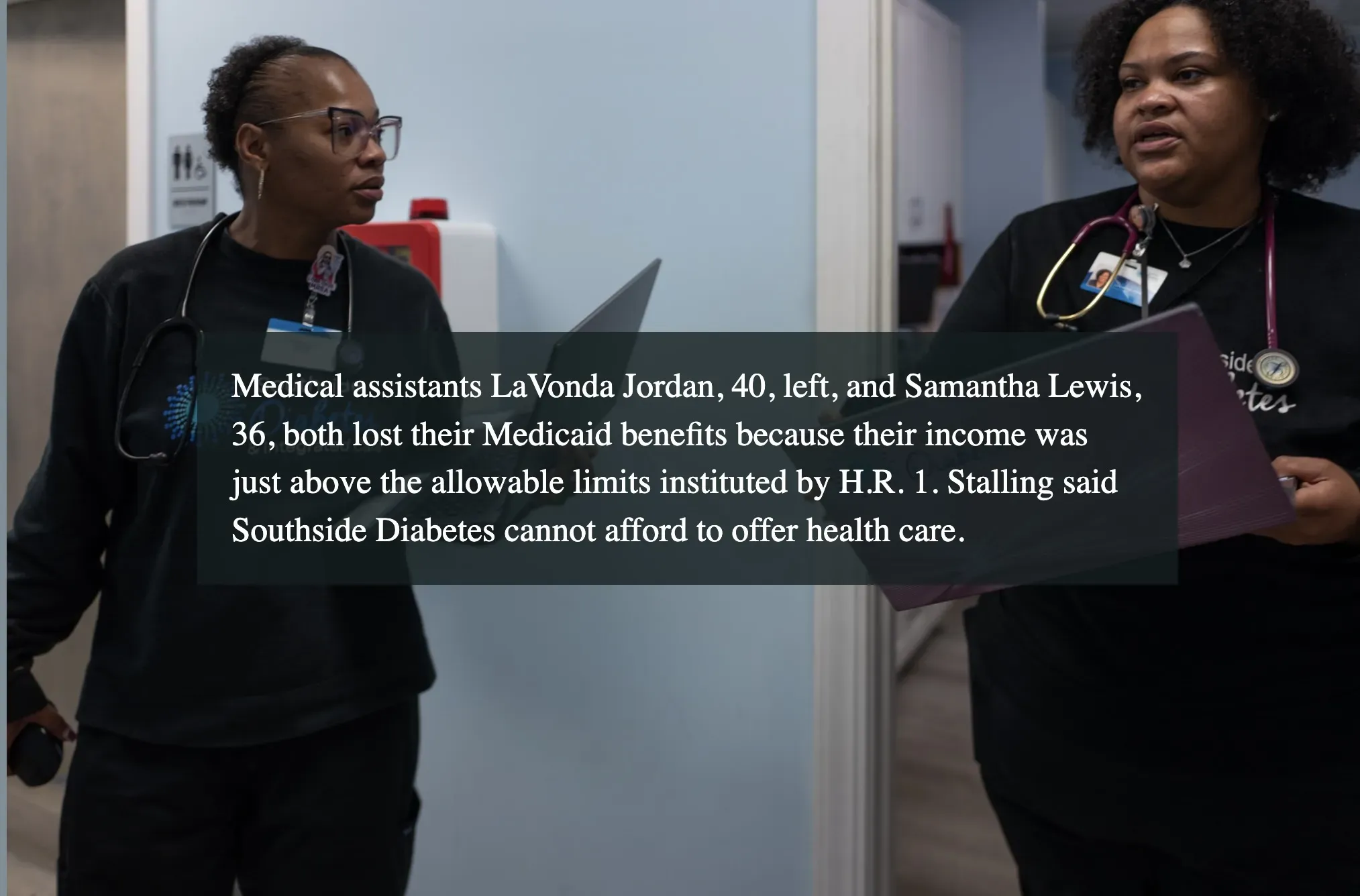
The health care need is visible even among the people who work inside the clinic.
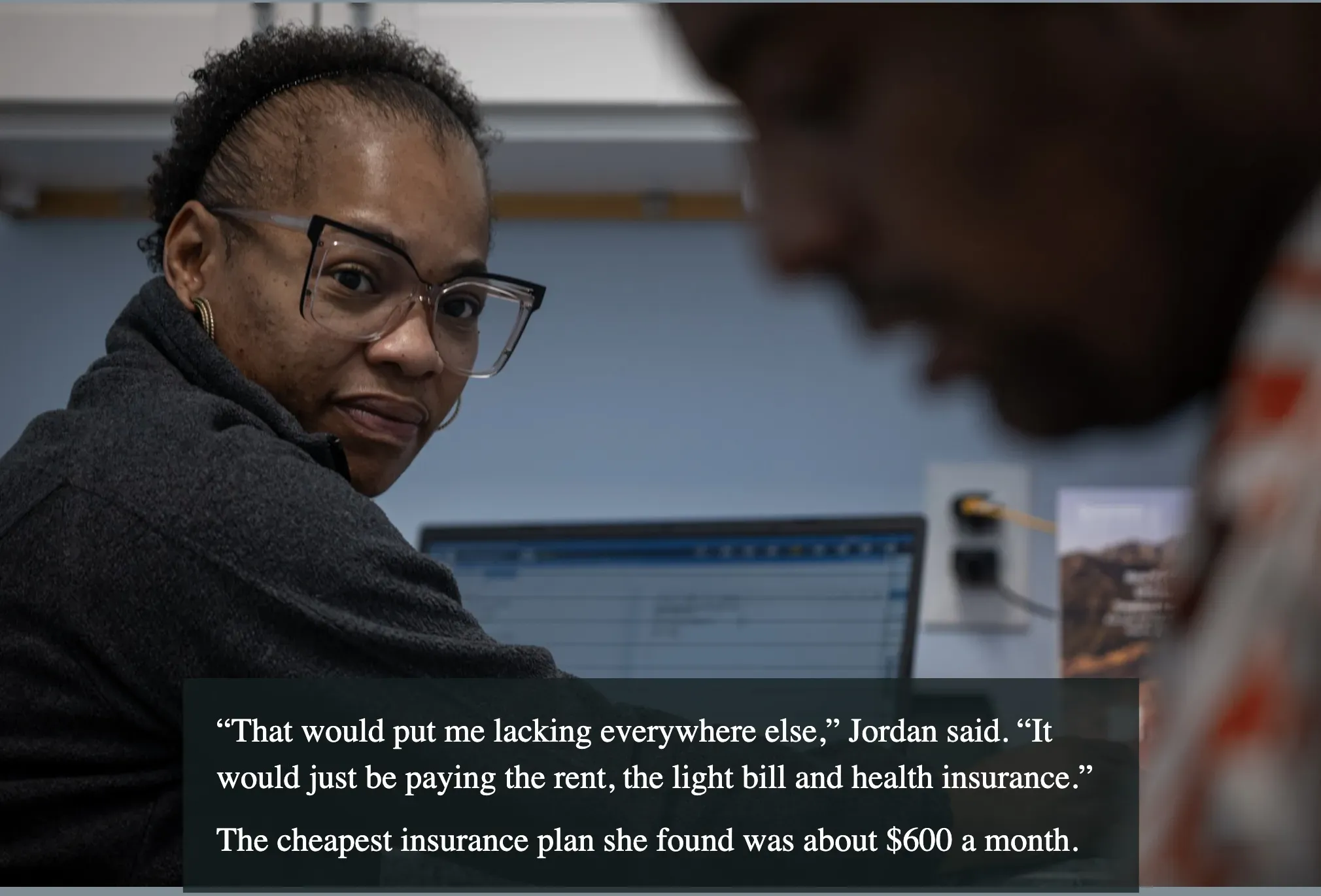
LaVonda Jordan, 40, has worked in health care for nearly a decade. She said she had never struggled to pay for health insurance until this year. After losing a hospital job and joining Southside Diabetes, which does not offer employee health insurance, she went on Medicaid. Then, she said, she received a letter saying her coverage would end in April. Her three sons remained covered, but she did not.
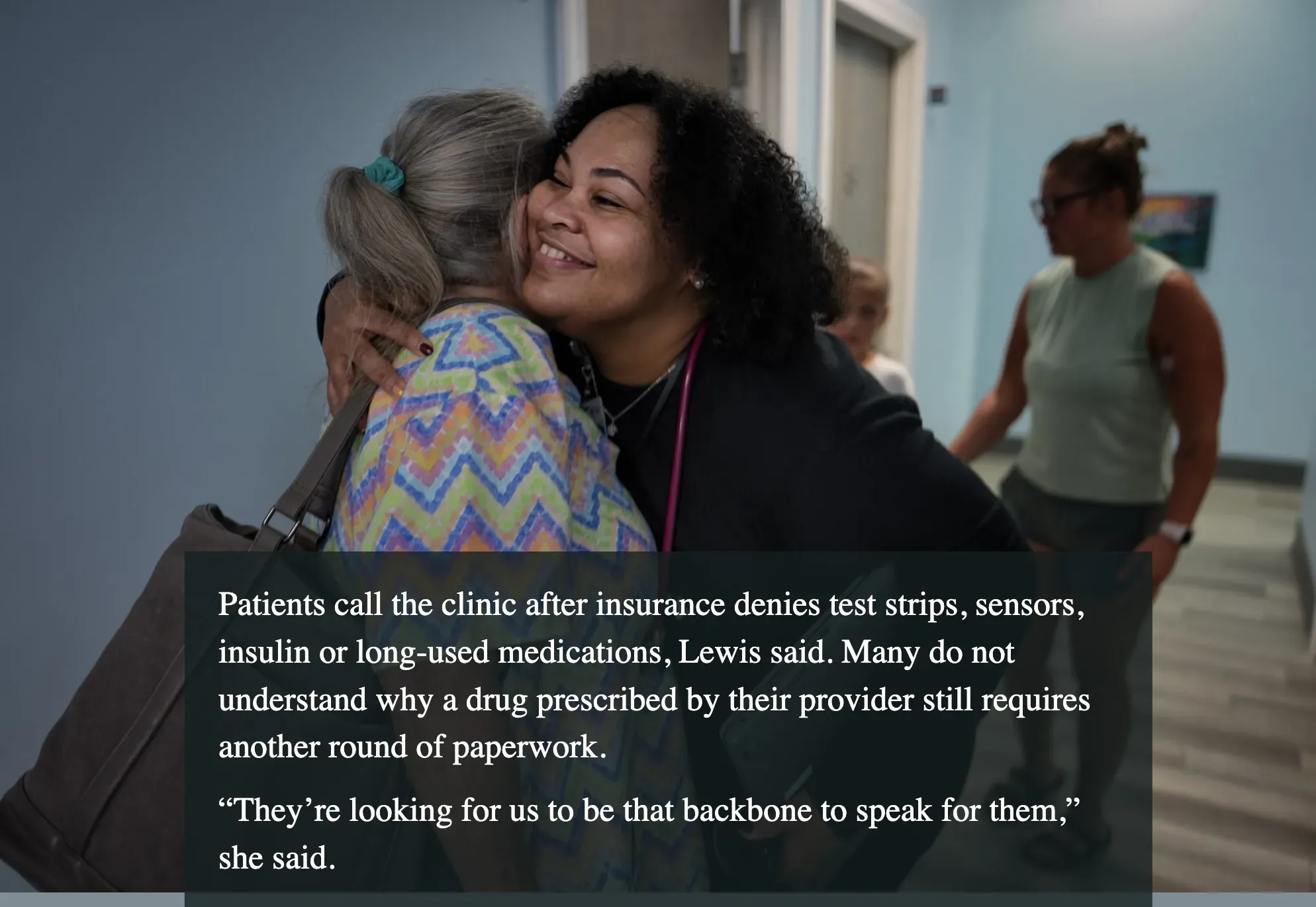
Samantha Lewis, a 36-year-old medical assistant at Southside Diabetes, is also a Type 2 diabetic. She was diagnosed in 2011 and has been treated by Stallings for 15 years. After losing Medicaid, she said marketplace insurance cost nearly $500 a month. Sometimes she pays it when she needs medication, then falls behind.
“When I pay, that’s when I get my medications,” Lewis said.
For diabetes patients, missed appointments can become dangerous.
Stallings recalled a woman whose diabetes had been controlled before she lost insurance and stopped care. After more than a year away, she was hospitalized with dehydration and a dangerously high blood sugar level, Stallings said.
The woman cried in the exam room as she restarted treatment. “She said, ‘I almost died,’” Stallings said.
In Franklin, Stallings sees the clinic as both a medical practice and a bulwark against a larger collapse. The main hospital is financially distressed. Pharmacies have closed. Healthy food is scarce. Insurance denials and Medicaid losses are pushing patients out of routine care.
Some nights, the work keeps her awake.