Story
 November 26, 2025
As UMC in Zimbabwe Stabilizes After Splintering, Generational Change Brings New Pressures
Country:


Project
A Liberated Church Despite Loss
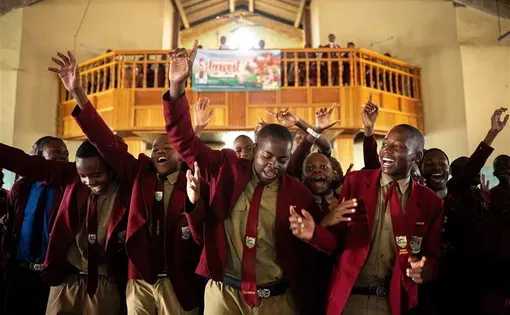
Africa is center stage for a landmark change in the United Methodist Church.
Key Points
- with splintering in the United Methodist Church, fueled in part by disagreements about LGBTQ+ rights, and a landmark restructuring, African leaders have pushed for restoration of normalcy.
- Generational changes in Zimbabwe church life is ushering in new pressures, such as the rise in Pentecostalism, and shifting attitudes on major social and cultural debates, like LGBTQ+ rights.
- Recently ratified restructuring in UMC, known as regionalization, allows church in Africa to "look at these issues at their own pace."
HARARE, ZIMBABWE — The streets of Harare in late October were covered with motorists driving the massively popular Toyota HiLux, bright purple flowers blossoming from jacaranda trees and billboards advertising the recent appearance of U.S. celebrity preacher Benny Hinn.
Hinn had just come through town for a “Healing Crusade,” a two-day summit that broadcasted Hinn’s controversial set of teachings commonly known as the prosperity gospel. Hinn also met with Zimbabwe’s president during his visit, according to a report from a state-run news agency and social media posts.
The whole spectacle encapsulates a religious fervor across Zimbabwe in which mostly Pentecostal religious leaders are drawing large audiences who are receptive to prosperity gospel ideas. “A lot of these youngsters are looking for the prosperity gospel, not salvation,” Mugove Chikomba, a 27-year-old Harare resident, said in an interview.

As a nonprofit journalism organization, we depend on your support to fund more than 170 reporting projects every year on critical global and local issues. Donate any amount today to become a Pulitzer Center Champion and receive exclusive benefits!
Chikomba attended different churches earlier in life, including a popular Pentecostal church named ZAOGA, but today he's unequivocally devoted to the United Methodist Church — the antithesis to this growing prophet-centric prosperity gospel model, he said.
“If that person is not really anointed, then the whole flock will eventually become lost,” Chikomba, a manager at the Hyatt Regency Harare The Meikles hotel, said. “So, the United Methodist at this moment … is one of the main churches in Zimbabwe that are preaching the right gospel.”
But Chikomba said many of his peers, partly due to the stressors of Zimbabwe’s present economic distress, are desiring religion that promises fortune and is unbridled by the same turbulence that United Methodists recently dealt with.
A splintering in the historically Nashville-based denomination, largely due to disagreements over LGBTQ+ rights, led to an exodus of churches in the U.S. and parts of Africa to join a more conservative breakaway group called the Global Methodist Church. Then, the denomination debated and voted on ratifying a landmark restructuring, which United Methodist leaders announced Nov. 5 passed overwhelmingly. The restructuring, known as regionalization, gives more autonomy to United Methodists outside the U.S.
Amid all this change, a blow to church membership trends and confidence among everyday churchgoers in the church’s stability, United Methodist leaders in Africa have responded with very careful messaging. They have sought to instill a renewed enthusiasm for the UMC and its future under regionalization, while also reassuring the public about their uncompromising traditionalist convictions — in contrast to the U.S. church’s more progressive trajectory on LGBTQ+ rights in the church.
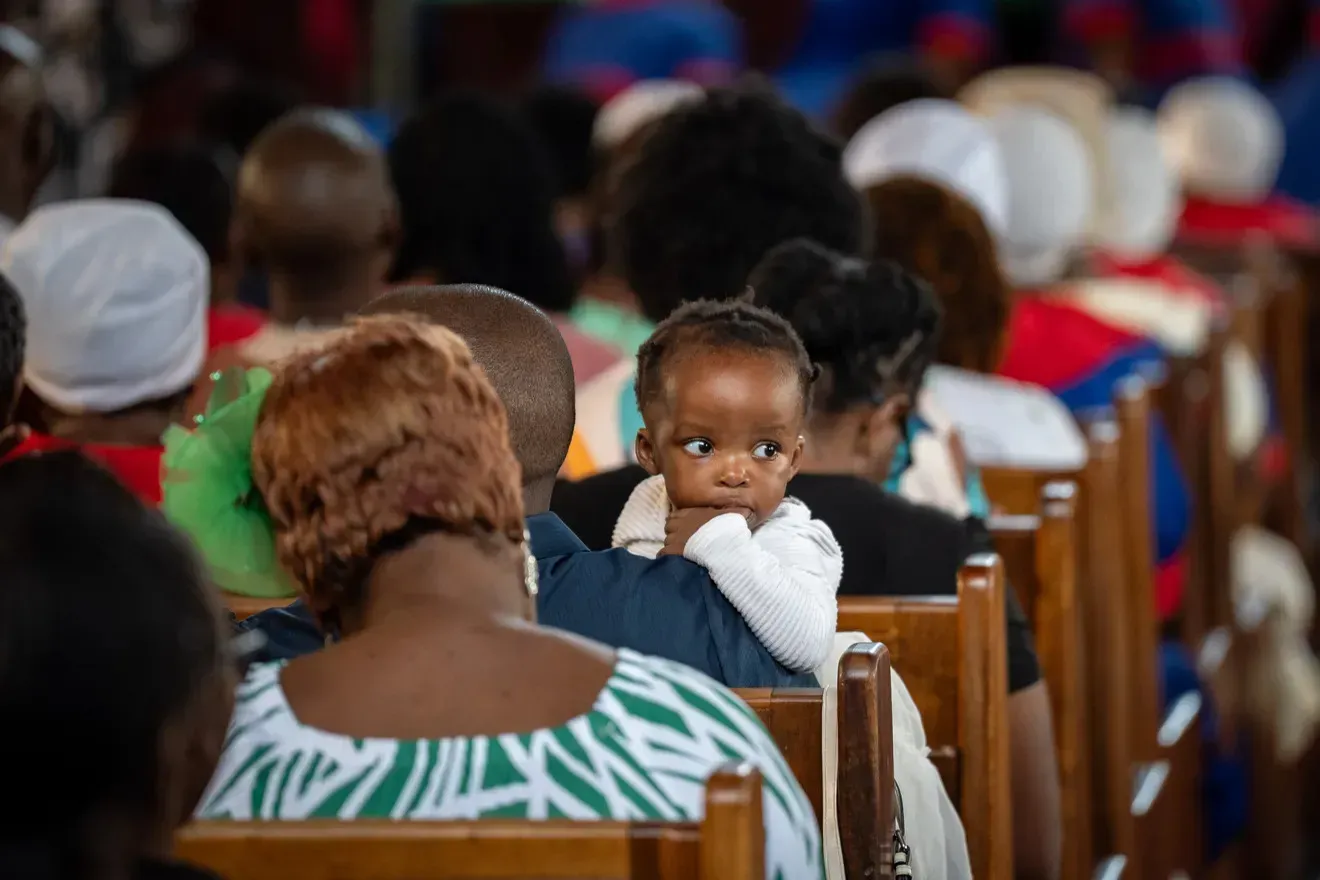
This mission to restore a sense of normalcy, however, will encounter other pressures that are weighing on the UMC largely due to generational changes.
For example, Chikomba said his generation of United Methodists were concerned about the splintering. “But the new generation now, they didn’t face the real repercussions of the split,” he said.
Meanwhile, seminary administrator Kupakwashe Mtata said he’s observed at United Theological College more open-mindedness among students and faculty about the experiences of sexual and gender minorities. United Theological College, based in Harare, is jointly supported by the UMC and other denominations and prepares students for ministry in those different traditions.
“Some conversations I’ve had with students, there’s a presence among students and pastors (aware) of people of a different orientation,” Mtata said. “And (an awareness) that these people are compelled to live a life of protecting themselves from the judgement of the common person, and of the churches.”
Factionalism among traditionalists in Africa, a fight to control the narrative
Unlike the split among Methodists in the U.S. between traditionalists, progressives and moderates, the opposing factions in Africa were both traditionalists.
In Zimbabwe, recently retired Zimbabwe bishop Rev. Eben K. Nhiwatiwa was a figurehead for an ideologically conservative perspective that was also fiercely loyal to the UMC and its global unity. In contrast, Rev. Forbes Matonga was the leading voice for an equally conservative camp that grew disillusioned with institutionalist voices like Nhiwatiwa.
When traditionalists started to migrate to the Global Methodist Church rather than remain in the UMC and keep fighting, Matonga and his allies tried to call into question Nhiwatiwa’s traditionalist bona fides. This sparring escalated with the UMC General Conference in May 2024 in Charlotte, when the international legislative assembly removed LGBTQ+ restrictions.
Soon after, traditionalists in Zimbabwe staged a demonstration in front of Nhiwatiwa’s office. Protestors' signs read “Africa is not for sale. No to homosexuality” and “Homosexuality is a threat to our culture," according to news reports and video recordings of the event.
In Zimbabwe, and many other African nations, there are laws that criminalize same-sex relationships.
That demonstration in Harare garnered enough attention that an advocacy group, Gays and Lesbians of Zimbabwe (GALZ), referenced it as part of an annual report on attacks against the LGBTQ+ community. The group said in the report the protest contributed to an atmosphere “triggering widespread negative media coverage and forcing GALZ to temporarily adopt remote operations due to safety concerns.”
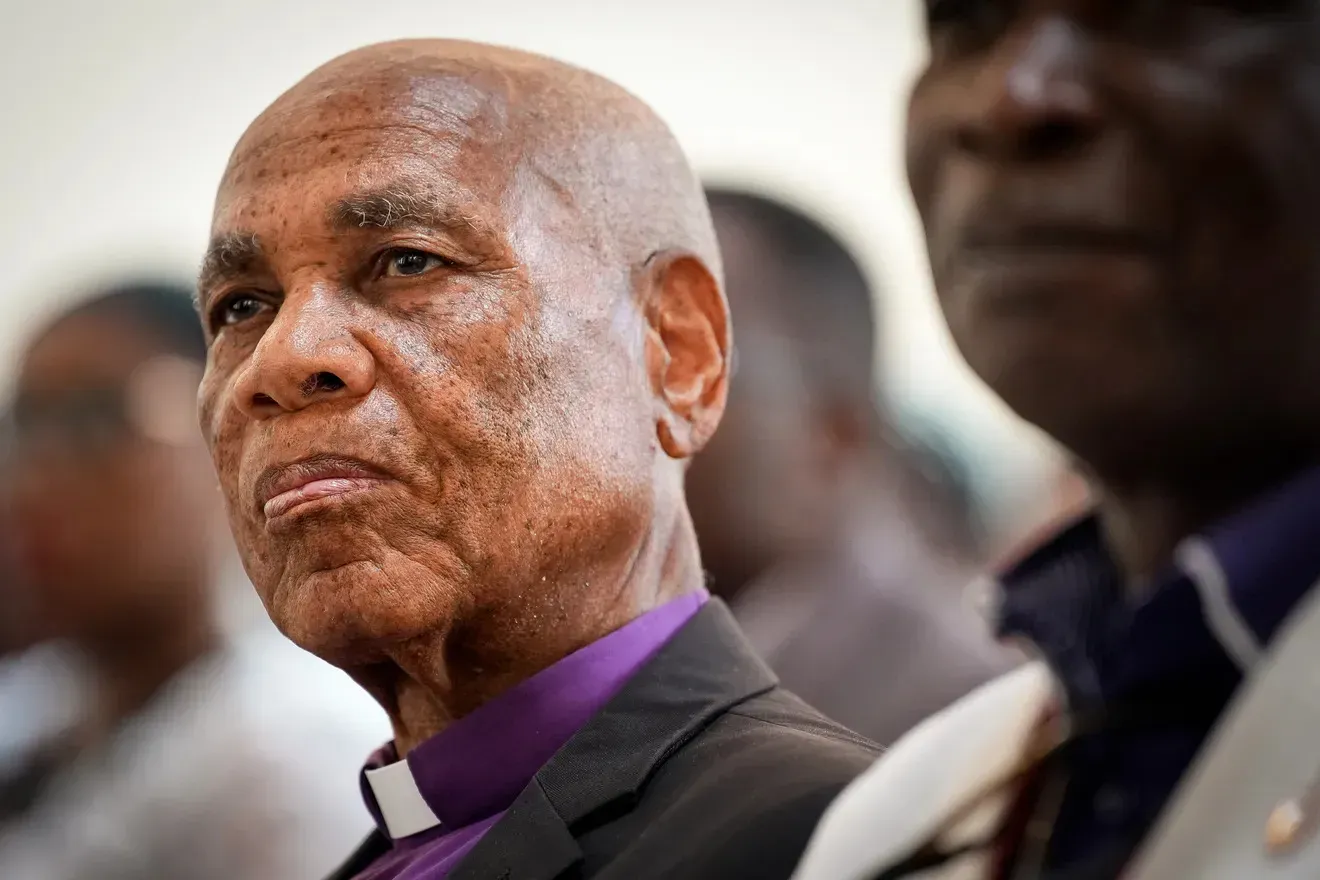
In yet another escalation a few months later, Nigerian immigration officials reportedly detained Nhiwatiwa temporarily during a trip for official UMC business. Allegedly, a report to the Nigerian government accusing Nhiwatiwa of promoting homosexuality in the eastern African nation was a reason for the detention, according to reporting in Baptist News Global and other outlets.
Nhiwatiwa declined an interview request with The Tennessean, citing his inactive status in denomination leadership.
For the common person in the pews, Chikomba said a fellow parishioner decided to leave a United Methodist congregation and cited the claim the UMC has “embraced homosexuality” as a reason for his departure. It troubled Chikomba but didn’t shake his confidence in the UMC.
In fact, as a young husband and father, Chikomba said he intends to raise his newborn son in the tradition. A major reason why is the UMC’s emphasis on communal care and decision-making. “It’s not a church solely based on one person, but a group of individuals who are deciding on how to handle matters as they come,” he said.
Freedom to sort it out ‘at their own pace’
Chikomba’s story and his unwavering commitment to the UMC is an example of the success that Nhiwatiwa and his successor, Zimbabwe bishop Rev. Gift Machinga, achieved in their struggle to shape the public narrative.
Regionalization was a key part of that messaging, and they framed the restructuring as a source of freedom for Zimbabweans to maintain traditionalist norms.
Matonga accused Machinga and Nhiwatiwa of being duplicitous. To him, regionalization doesn’t fully guarantee parishioners the autonomy that UMC leaders have advertised.
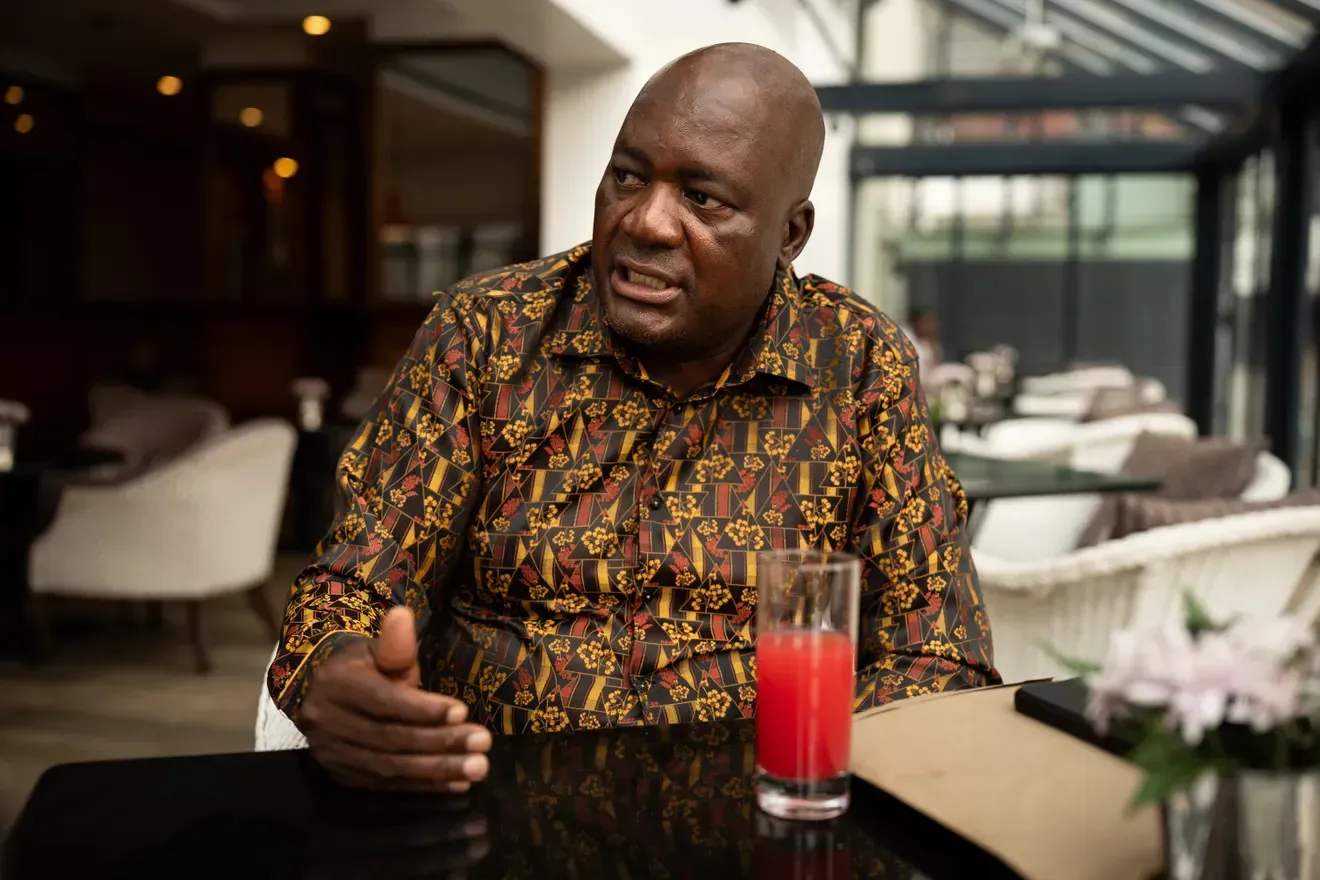
“What happened was clear manipulation,” Matonga said in an interview. “People are being misled.”
Matonga ran against Machinga in the most recent bishop election, and soon after his loss left the UMC to join the Global Methodist Church, for which he manages administrative duties in Zimbabwe. Some clergy and congregations followed him, but only from certain geographic pockets in regions where Matonga was a popular figure.
But Mtata said due to larger trends in Zimbabweans’ views on hot-button social topics, both the UMC and Global Methodists “are not immune to being followed by the same issues.”
Though a cultural conservatism pervades Zimbabwe society and church life, Mtata said his outlook changed when he once spoke with rural Pentecostal preachers who changed their mindset after listening to a panel that featured speakers who criticized churches for causing suffering for LGBTQ+ people.
Mtata doesn’t expect the conversation to radically change overnight, but he said regionalization will be a helpful framework for United Methodists going forward. In fact, the Anglican Church is reportedly considering a proposal that’s similar to the UMC’s regionalization following recent upheaval among an Anglican alliance in Africa.
Regionalization “is an opportunity for the African church to look at these issues at their own pace…and not be forced to come up with decisions at the same time as others,” Mtata said. “It’s a healthier approach to dealing with these issues.”