Story
 November 5, 2025
As UMC Awaits Results on Historic Restructuring, What It Looks Like Day to Day in Zimbabwe
Country:


Project
A Liberated Church Despite Loss
Africa is center stage for a landmark change in the United Methodist Church.
Key Points
- A worldwide vote in the United Methodist Church has occurred throughout 2025 on a plan to restructure the denomination, with denomination leadership expected to announce final results soon.
- The plan to restructure the UMC, known as regionalization, will give more say to United Methodists outside the U.S. Here's a look at the day-to-day application of that plan in Zimbabwe.
- The plan to restructure the denomination, known as regionalization, is a response to costly splintering in the denomination. But it's also more expansively about differences in worship and ministry needs.
HARARE, ZIMBABWE — A discordant backdrop of pedestrians, buses and street vendors in downtown Harare encircled Innercity Circuit Harare United Methodist Church at 8 a.m. But inside the church premises during an Oct. 26 service, activity was fixated on worship without ceasing.
The style of worship at Innercity Circuit is typical for a United Methodist congregation in Zimbabwe, though it would be out of place for most Methodist churches in the U.S. That cultural difference is at the heart of a potentially historic restructuring that the UMC worldwide has been voting on this year, the final results of which are expected as early as Nov. 5.
This restructuring, known as regionalization, gives United Methodists outside the U.S. greater say in religious customs and policies. It's seen as a critical step toward maintaining global unity among one of the largest Protestant bodies globally following a costly splintering in the historically Nashville-based UMC.

As a nonprofit journalism organization, we depend on your support to fund more than 170 reporting projects every year on critical global and local issues. Donate any amount today to become a Pulitzer Center Champion and receive exclusive benefits!
But the day-to-day application of regionalization looks like the Oct. 26 service at Innercity Circuit. It was an event rich in sound, scent and light.
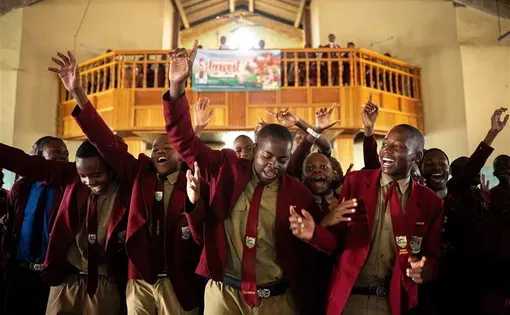
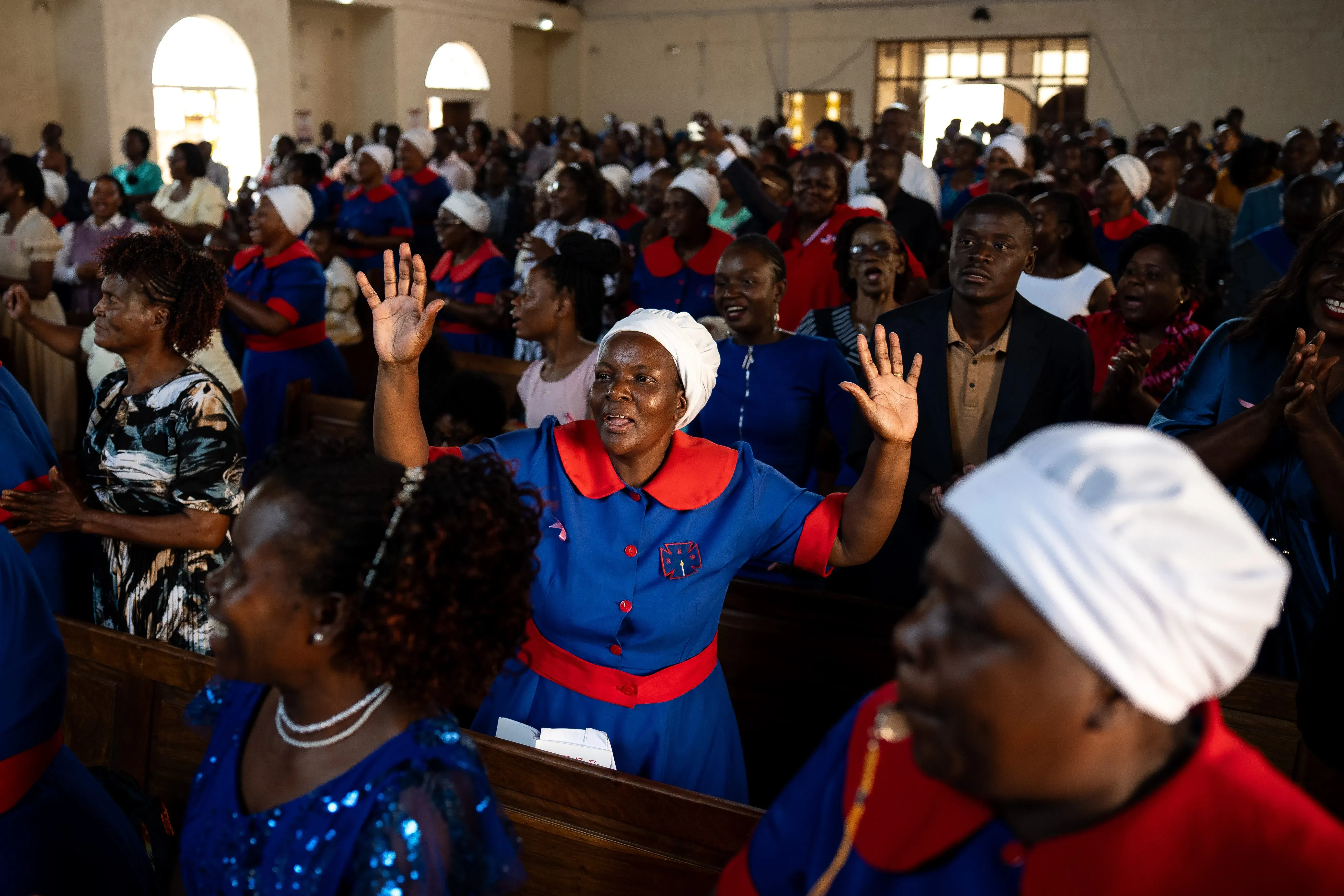
Innercity's choir, 40 strong, and a special guest choir of men in striped dress shirts lead the congregation in a cappella vocals, accompanied by traditional African drums and shakers. There is dancing and hollering, plus a whistle that rings.
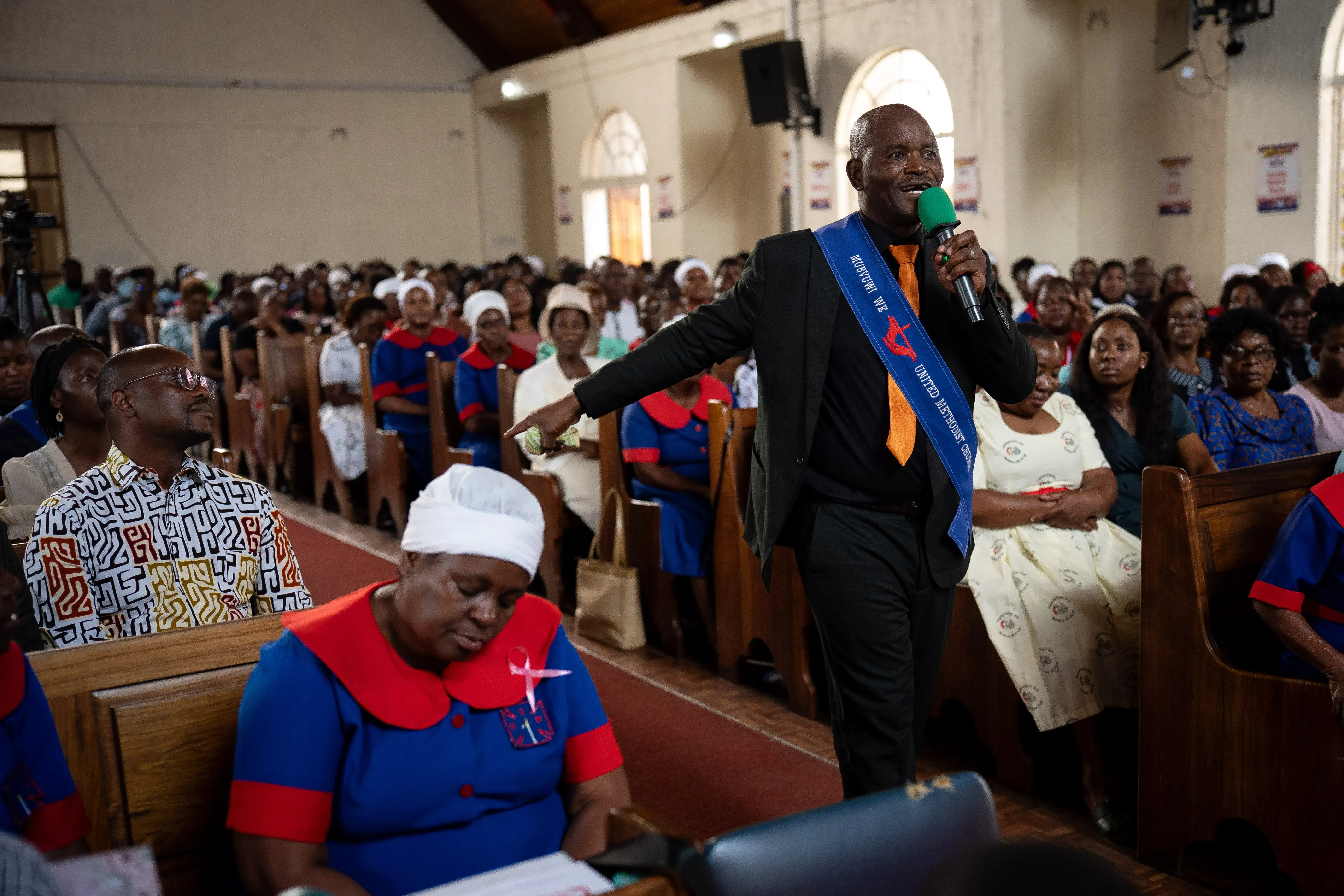
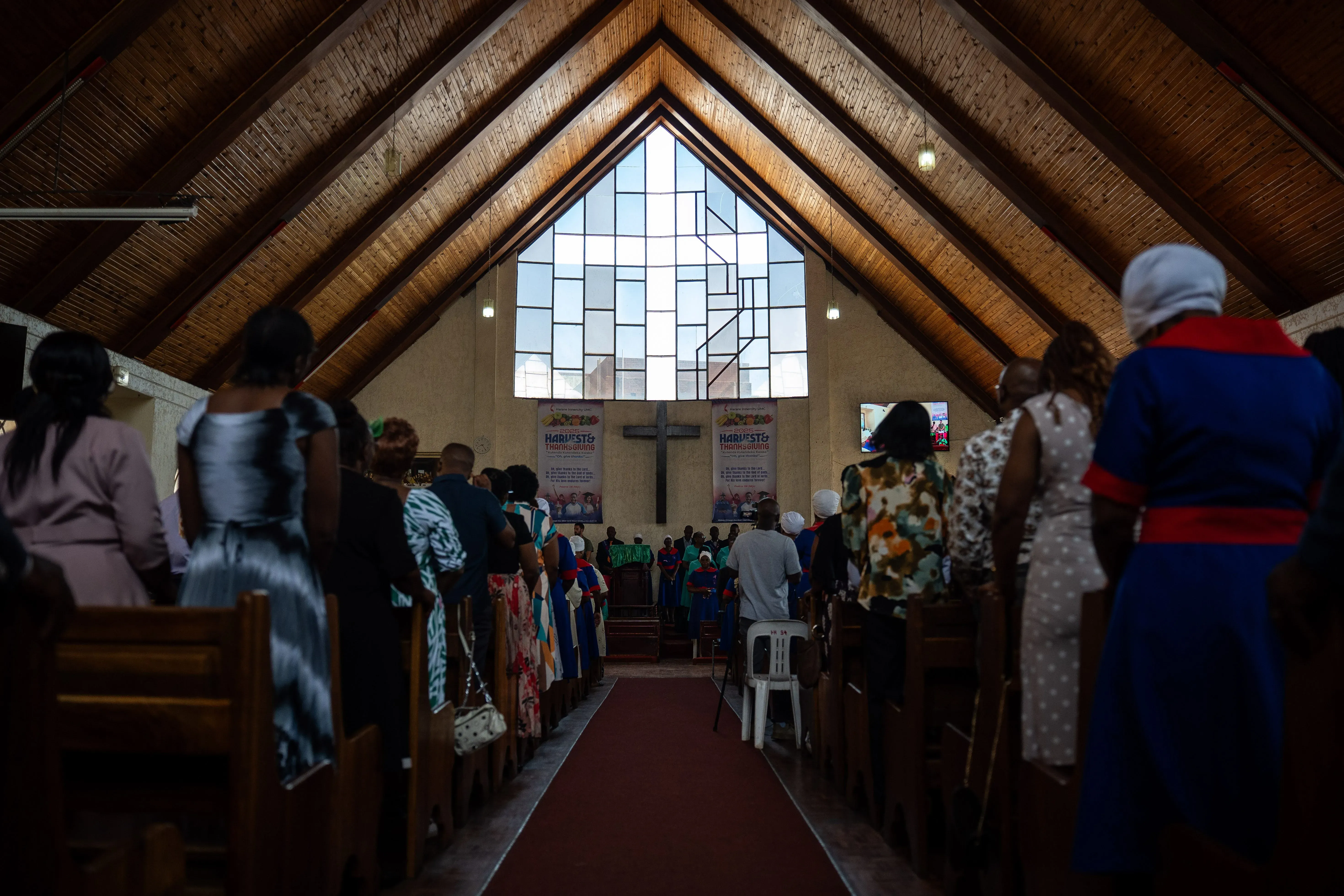
Mournful or gratitude-filled songful prayers reverberate throughout the sanctuary, topped by a simple wooden, cone-shaped roof.
The pews are filled with young families who sit next to older men and women adorned in speciality attire, designating their involvement with either the women's ministry or men's ministry. For those in women's ministry, the uniform is a blue suit with a red belt and collar, topped with a white cap. The early morning light pierces through simple gold-and-white stained glass windows to illuminate some of those women's white caps, creating the appearance of a halo.
New waves of parishioners continue to flood in. The room grows hotter as the service extends into its third hour, and more parishioners are visibly sweating. As the sanctuary hits capacity, other congregants begin sitting in an overflow area outside in the courtyard. When that area hit its limit, people pulled up chairs to the windowsills outside to try and make out any sound emanating from within.
Other worship events elsewhere in Harare that day and in the town of Murewa the following day resembled this scene at Innercity Circuit. It's an electrifying atmosphere, but also routine for how Zimbabweans approach worship.
Local United Methodist leaders point to that sort of example as evidence that Zimbabweans are already embodying the ideals behind regionalization.
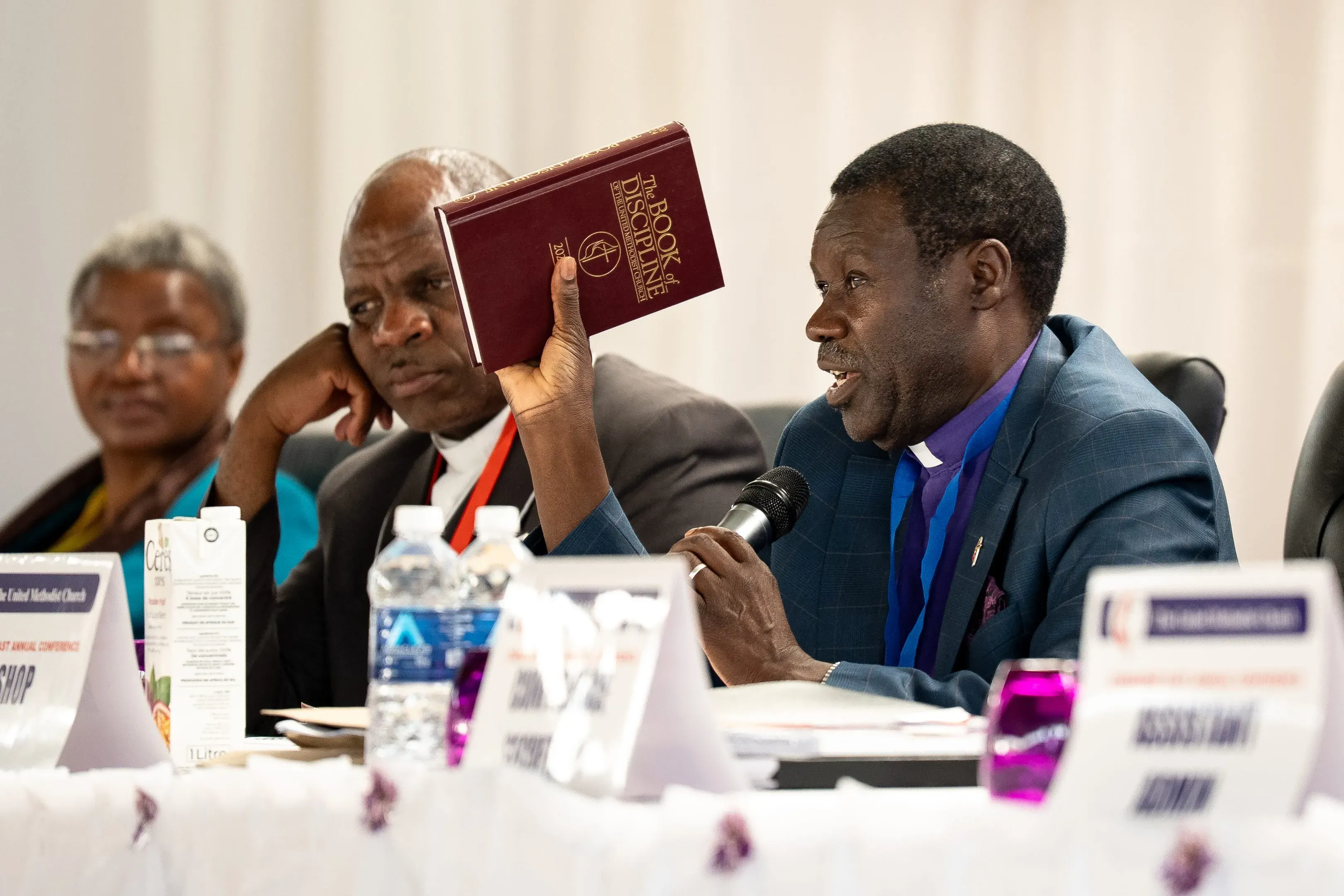
“In a way, that’s what we were already doing in our region, within our context,” Rev. Trivanhu Magomo, a top administrator with the Zimbabwe bishop’s office who oversees churches in Harare, said in an interview.
To illustrate his point, Magomo held up a copy of a hymnal in Shona, a local language spoken in many parts of Zimbabwe, that drew inspiration from an English hymnal but was retrofitted to contain more culturally meaningful liturgy.
Many in the UMC discussed regionalization, upon its preliminary approval at the UMC General Conference in May 2024 in Charlotte, as a response to the splintering in the denomination in which disagreements over issues including LGBTQ+ rights led to an exodus of churches. Many of those churches — the largest percentage were in the U.S. and parts of Africa have sought to follow suit — joined a more conservative breakaway denomination called the Global Methodist Church.
But Magomo said regionalization is also embodied in the smaller, simpler characteristics that differentiate Zimbabwean religious culture from Western counterparts.
“We are now doing it in a formal way whereby Zimbabwe is moving this way and those other countries, such as Angola or DRC (Democratic Republic of Congo), are moving another way,” Magomo added, “though we all remain UMC.”
Citing realistic examples, an aggressive campaign to promote regionalization
Aside from worship, United Methodist ministries in Zimbabwe exist for addressing community needs that are less pressing for the U.S. church, for example.
United Methodist primary and high schools in Zimbabwe have a reputation for providing a quality of education that’s rare in comparison to public schools. At Barrington Christian School in the Harare outskirts, elementary-age students described in interviews the recently opened UMC school is preferable to their previous public schools because the classrooms are less crowded and the food is healthy.
The food alone is a key component of some schools’ operations. Elementary schools in Murewa and Mutare and Africa University in Mutare all manage their own farms, primarily raising chickens and pigs, to feed students daily. That need at Africa University is so critical that it received a grant from the UMC General Board of Global Ministries to cover farm employees’ wages and help build new infrastructure to expand the farm’s production.
Zimbabwe bishop Rev. Gift Machinga explained in a statement that developing ministries that meets these demands, born of political and economic circumstances that may be unique to Zimbabwe, is a tactile display of regionalization in action.
“In Zimbabwe, the support for the regionalization concept is both clear and resolute,” Machinga said in a statement. “We understand it not merely as a structural change, but as a spiritual opportunity, a divine strategy that allows us to focus more intently on our mission and ministry, contextualized to the realities of our people.”
Machinga was not available for a one-on-one interview with The Tennessean.
An aggressive education campaign spearheaded by recently retired Zimbabwe bishop Rev. Eben K. Nhiwatiwa and continued under Machinga highlighted everyday examples like all-day worship services, known as revivals, or the essential role of UMC-sponsored schools to rally support for regionalization. Magomo said the bishops directed him and other top administrators to gather clergy and lay leaders in their districts for seminars on how to explain regionalization to parishioners.
This education campaign sought to combat what UMC leaders called misinformation spread by Global Methodist allies. That anti-UMC narrative said regionalization is deceiving for Methodists in Africa, and that it’s a diminishment of the African church’s authority instead of empowerment as UMC leaders have advertised.
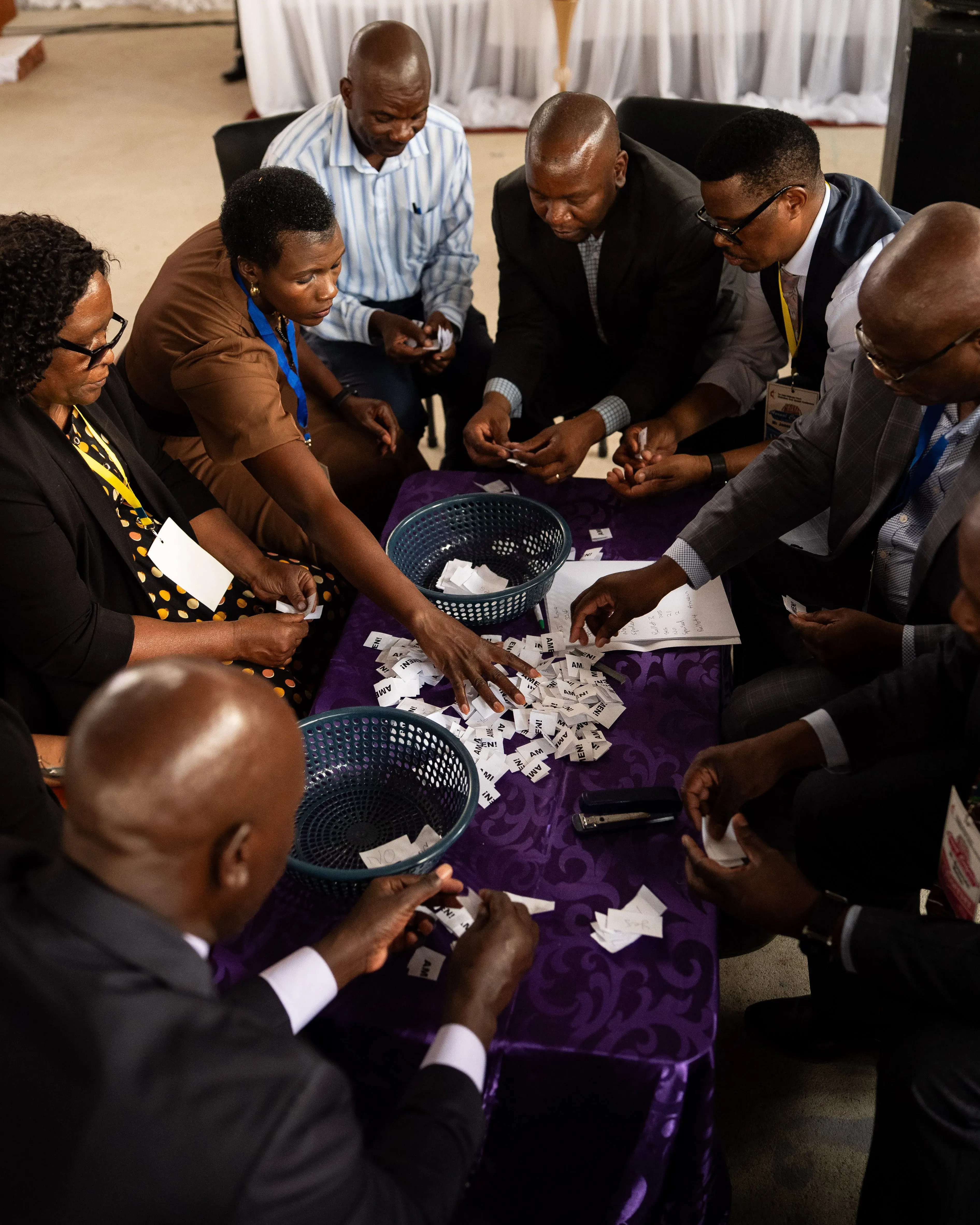
At an Oct. 25 gathering for the UMC Zimbabwe East Annual Conference in Ruwa, delegates received copies of a pamphlet on regionalization that Machinga’s office produced. “The church can testify to a holy and life-giving vision of marriage that is based on the Bible. This vision fits with Zimbabwean culture and helps the larger church’s mission,” the pamphlet said.
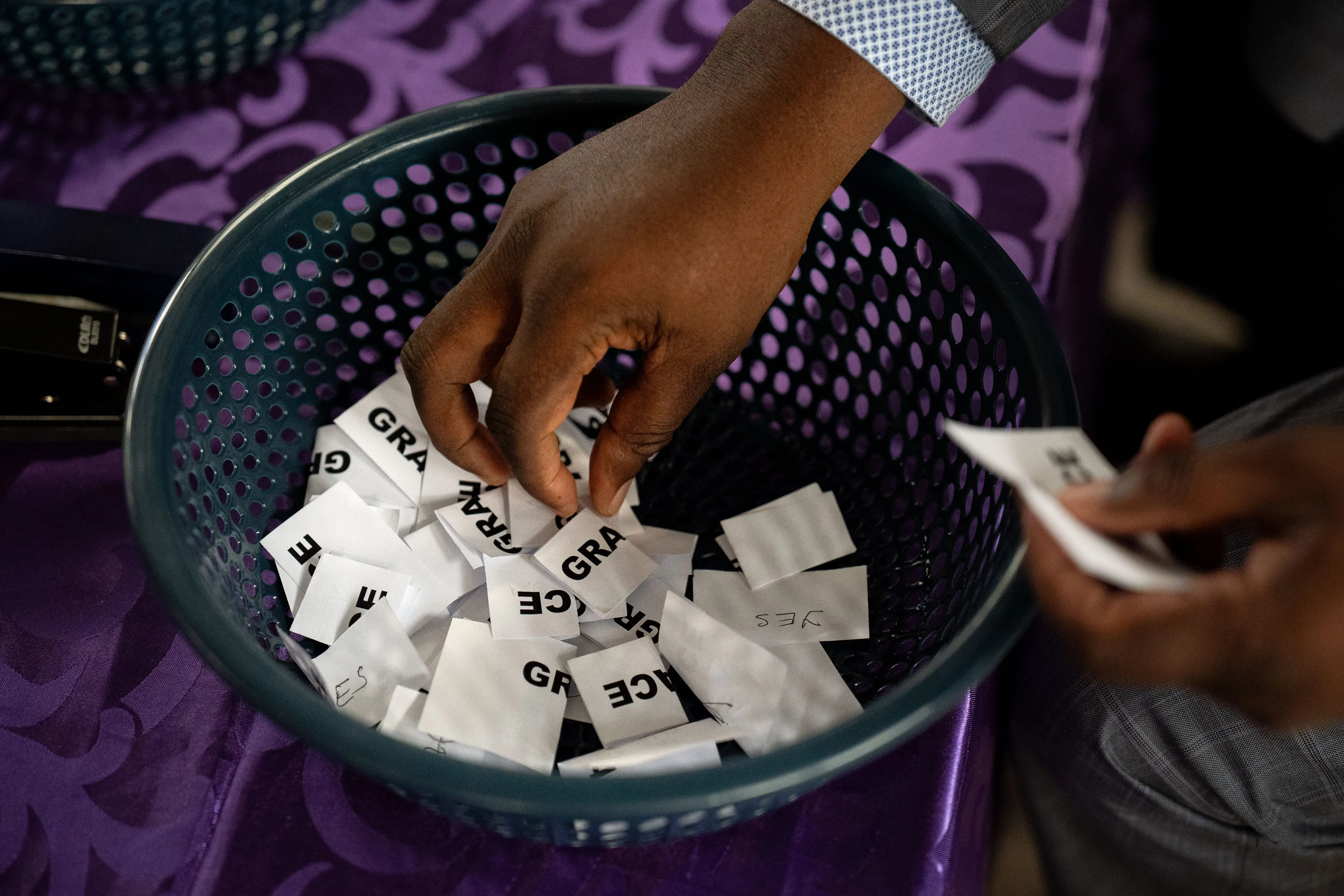
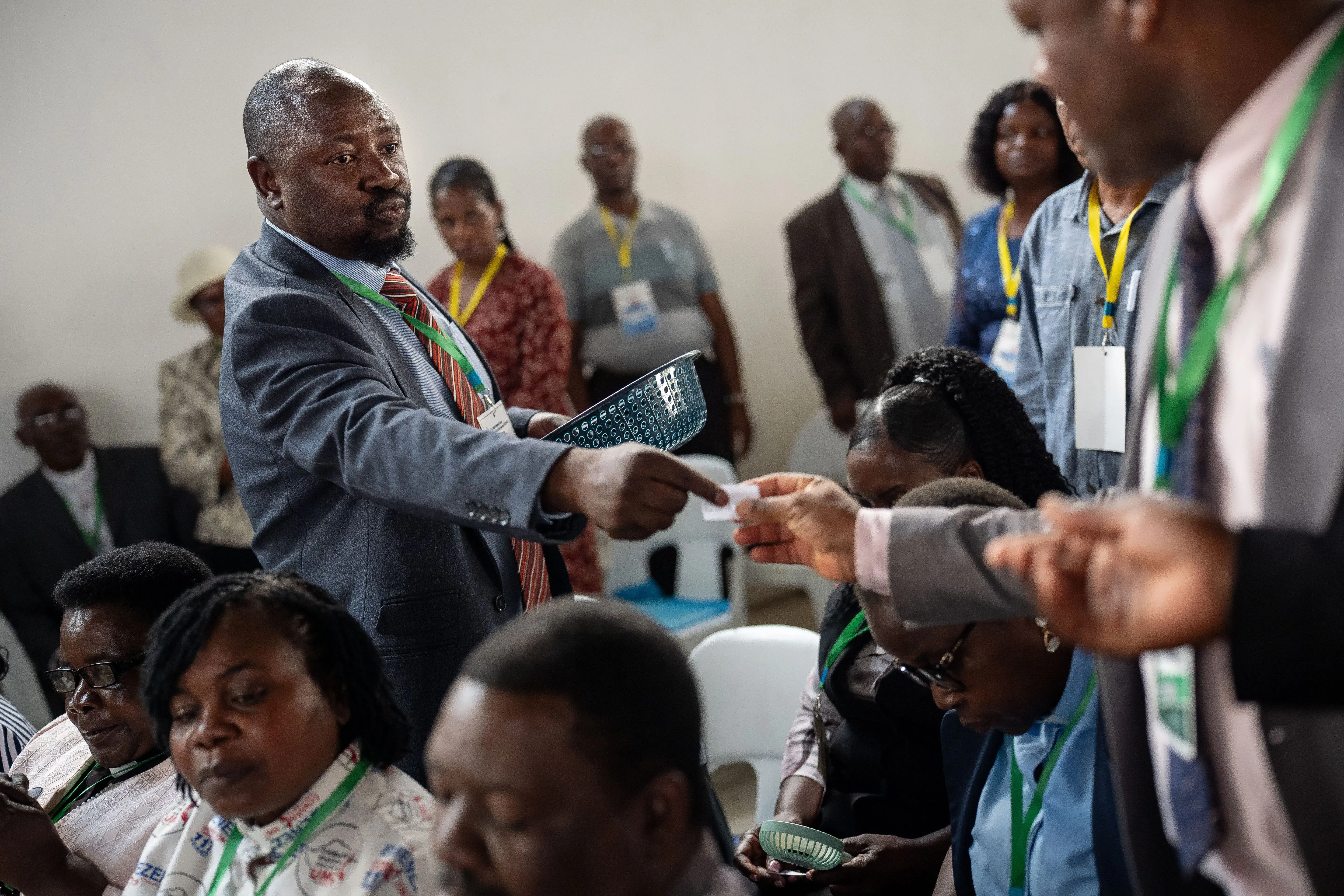
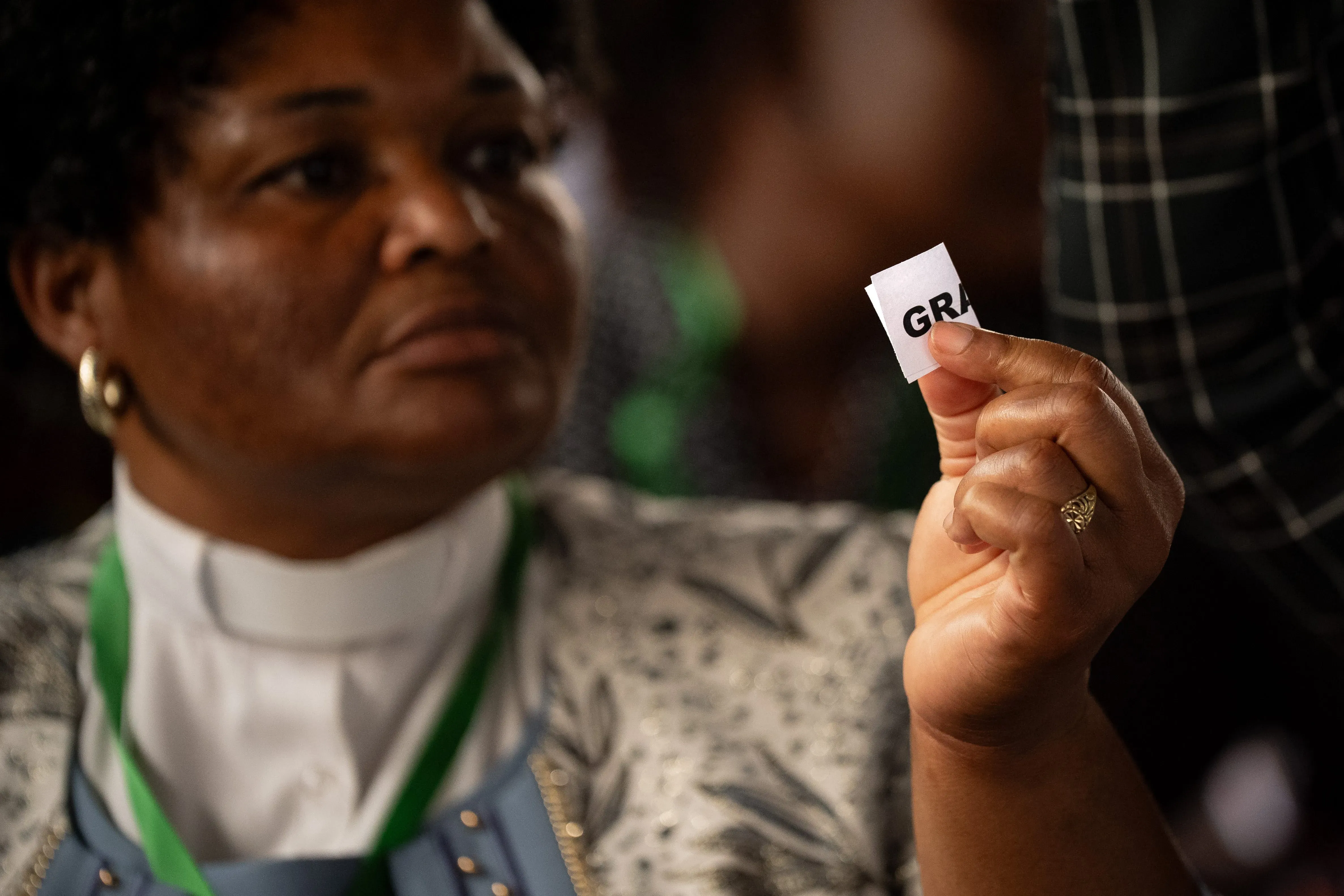
Ultimately, the delegates at the Oct. 25 gathering appeared overall supportive of regionalization, evidenced by clerks counting far greater paper ballots with “yes” votes during a series of votes on constitutional measures. It indicates the bishops’ education campaign was successful.
Now, the entire denomination eagerly awaits a definitive answer on whether that enthusiasm in Zimbabwe is shared across the globe.