Story
 November 6, 2025
Post-Splintering, UMC Ratifies Restructuring, Gives Autonomy to Non-US Churches
Country:


Project
A Liberated Church Despite Loss
Africa is center stage for a landmark change in the United Methodist Church.
Key Points
- A splintering in the United Methodist Church, partly fueled by disagreements over LGBTQ+ rights, led to the exodus of churches in U.S. and has led to additional conflict in Africa and the Philippines.
- A plan to restructure the denomination, known as regionalization, overwhelmingly passes. It gives United Methodists outside the U.S. more say over religious customs and practices.
- The passage of regionalization is a milestone for broader conflict that's also facing the Anglican Church and Catholic Church on the global stage.
Following a splintering in one of the most influential mainline Protestant denominations worldwide, the United Methodist Church ratified a historic restructuring that grants more autonomy to United Methodists outside the U.S. Many hope it will help curb additional fissures on the international stage.
The design of this restructuring, known as regionalization, was both a response to division in the UMC — LGBTQ+ rights was a major disagreement that fueled an exodus of churches — and to reenvision the status of United Methodists outside the U.S.
"The ratification and certification of these constitutional amendments mark a defining moment in the continuing renewal and unity of The United Methodist Church,” Rev. Tracy S. Malone, president of the UMC Council of Bishops, said in a Nov. 5 news release.

As a nonprofit journalism organization, we depend on your support to fund more than 170 reporting projects every year on critical global and local issues. Donate any amount today to become a Pulitzer Center Champion and receive exclusive benefits!
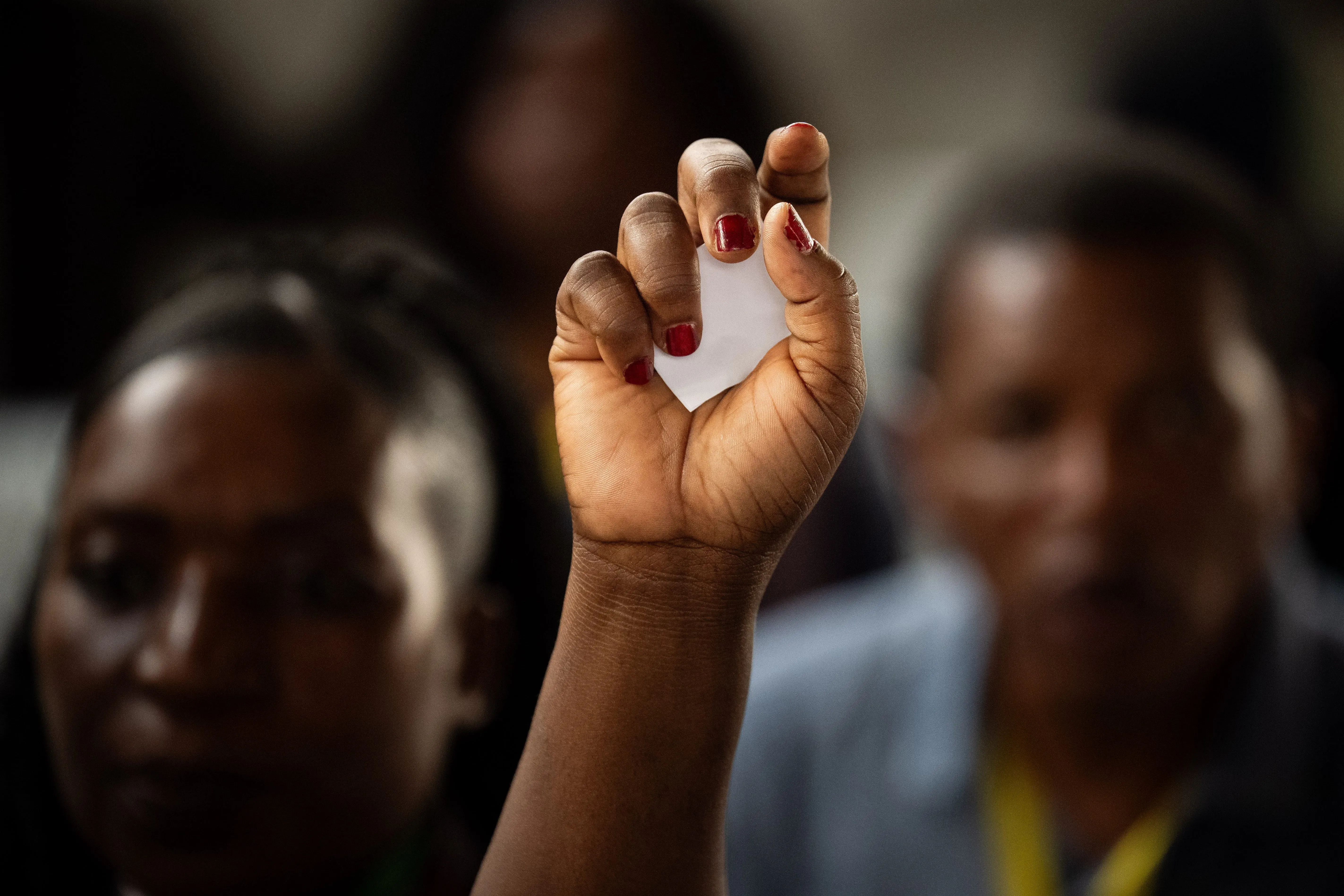
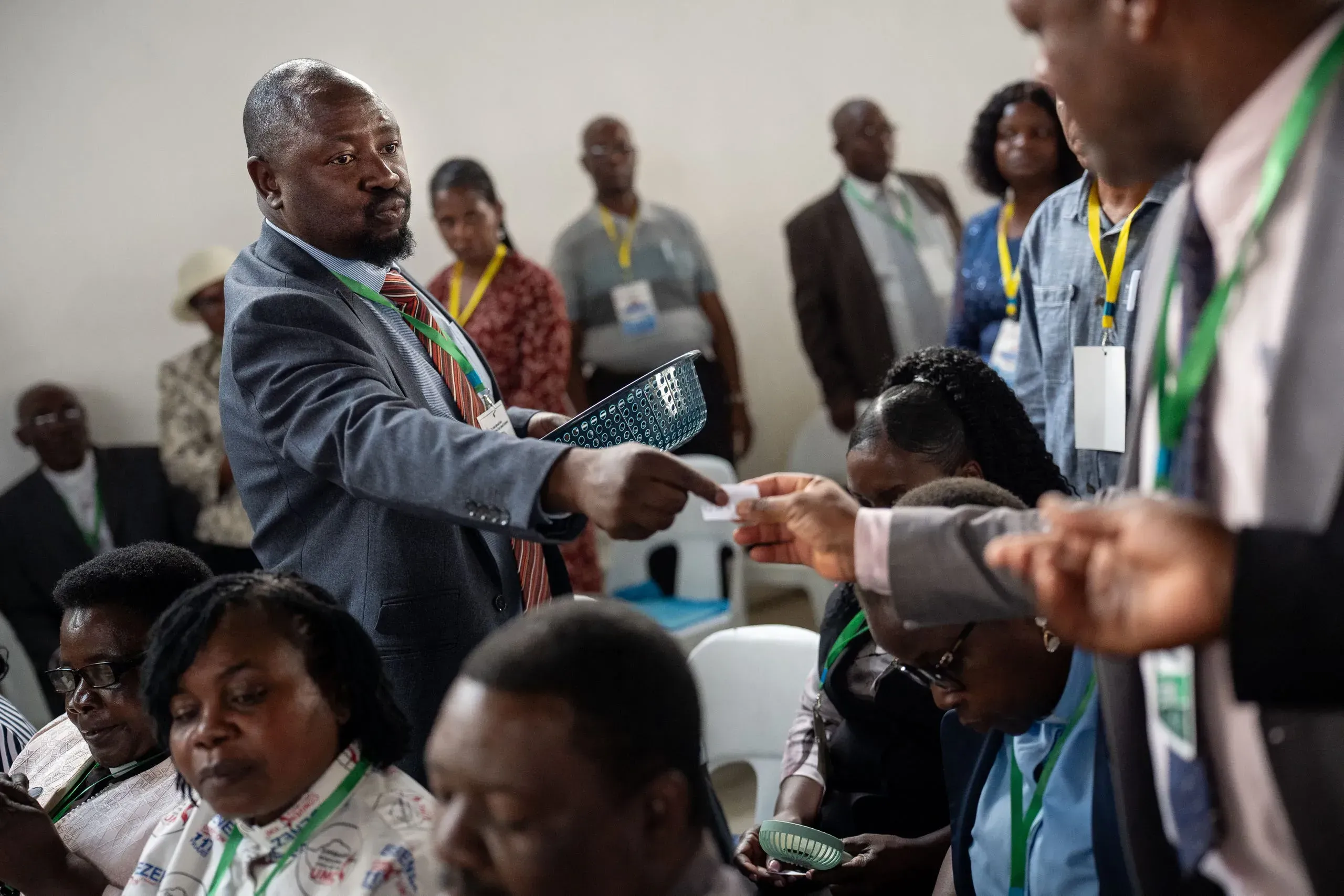
At its business meeting Nov. 5, the council of bishops tallied up the results of a worldwide vote that occurred throughout 2025. In this process to ratify regionalization, regional assemblies voted on four ballot measures that received preliminary approval at the UMC General Conference in May 2024 in Charlotte. All four ballot measures passed with 90% approval.

The passage of regionalization is a milestone not just for the UMC but other global denominations that are struggling with the same division, such as the Anglican Church. On the other hand, within the UMC, regionalization is just the first step in a lengthy journey to implement other policy change in the next four to eight years.
One of those changes will be drafting a new system for the UMC Book of Discipline, or the denomination’s policies and practices. Going forward, a universal book of discipline will be simplified to only include core tenets of United Methodist belief and church oversight.
Meanwhile, different regional bodies will draft their own regional books of discipline. Those regional books of discipline are expected in Africa and the Philippines to include more restrictive policies on LGBTQ+ rights in the church, for example.
The UMC General Conference, which is the denomination’s highest legislative assembly, at its May 2024 gathering in Charlotte removed LGBTQ+ restrictions. It neutralized policies and statements of faith that for decades prior had been amended to assert a traditionalist view on sexuality and gender.
Reconciling Ministries Network, an advocacy group for LGBTQ+ rights in the UMC, celebrated the passage of regionalization as an important step for how United Methodists practice mutual respect for one another despite their many differences.
"Worldwide Regionalization is more than a structural change — it’s a spiritual invitation to embody mutuality, equitable partnerships, and hope for respectful dialogue across all regions of our church," Rev. Israel “Izzy” Alvaran, a leader with Reconciling Ministries Network, said in a Nov. 5 statement.
In advance of the UMC General Conference in May 2024, the more progressive wing of the denomination championed regionalization and saw its success as critical as removing LGBTQ+ restrictions. "We join fellow United Methodists in dreaming of a church that embodies liberation, compassion, and courage —and we celebrate that regions of the church may now fully affirm LGBTQ+ persons and ministries according to their discernment and context," Reconciling Ministries Network said in the Nov. 5 statement.
A creative response for a fragile global fellowship
United Methodist leadership explained that regionalization is a means to empower the church’s international ranks, especially in Africa and the Philippines.
Malone said in the Nov. 5 news release the passage of regionalization reflects “the church’s rich diversity and deep commitment to live more fully into our shared mission to make disciples of Jesus Christ for the transformation of the world and strengthens our world-wide connection to serve faithfully and inclusively in every context.”
But opponents of the UMC, including those who left and joined a more conservative breakaway group called the Global Methodist Church, have tried to convince parishioners and clergy in regions like Africa that regionalization diminishes their power. Also, Global Methodist Church allies claim United Methodist bishops have manipulated their flock by limiting open dialogue about the potential harms of regionalization and benefits of leaving the UMC.
These attacks are emblematic of a deeper division in regions like Africa about the best religious hierarchy to represent the values of populations that are generally more conservative on social issues like LGBTQ+ rights. The same feud is happening in the Anglican Church and recently hit an inflection point following Rev. Sarah Mullally’s appointment as the first female Archbishop of Canterbury.
A group representing Anglican churches in Africa, among other areas outside the United Kingdom, announced Oct. 16 it was severing ties with the global denomination in protest of Mullally’s appointment and her affirmation of same-sex relationships. There’s been similar unrest in the Catholic Church, though its contingent of African churches hasn’t ruptured in the same way.
United Methodists saw regionalization as a creative response to the same fragile state among its global communion, comprised of followers with vastly different geographic norms. Even if regionalization succeeds at the goal, the splintering in the UMC has already been costly.
The denomination lost more than a quarter of its total U.S. congregations between 2019 and 2023 and church membership within entire conferences in eastern Europe and Côte d'Ivoire. Sizable and vocal groups of clergy and parishioners in Nigeria and Liberia have also left. Meanwhile, the denomination’s budgets for general operations and for its general agencies suffered massive cuts, leading to staff layoffs and decreased investment in local ministries across the globe.