This story was originally written in Danish and published in Danwatch. An English version is below, followed by the original version of the story.
Danwatch visited the Ethiopian town where the world's largest rose farm is located.
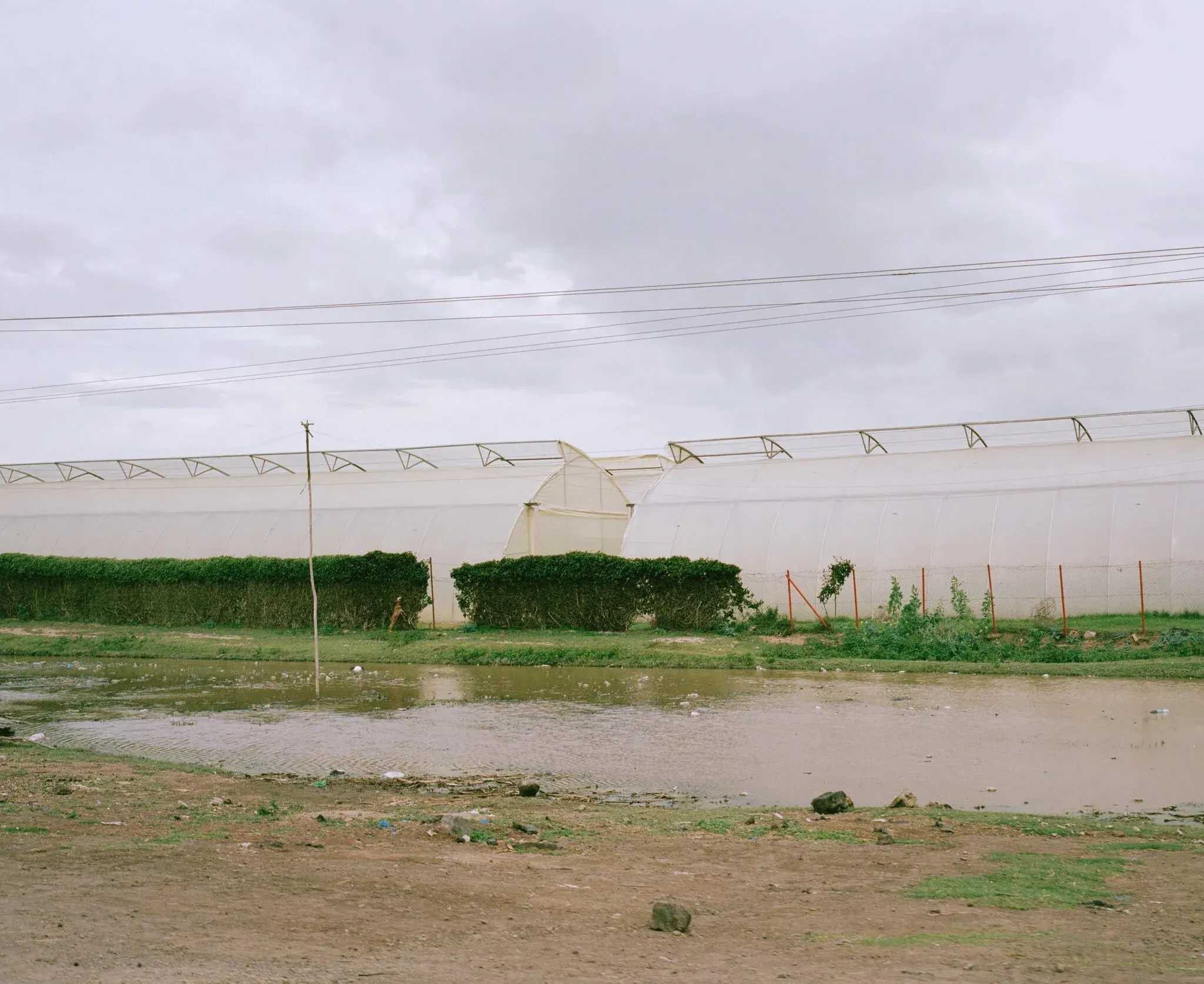
In just a few decades, Ethiopia has become Africa's second-largest producer of cut flowers. According to the Ethiopian financial media outlet Birrmetrics, the flower industry exported nearly 2.5 billion Danish kroner in 2024. Image by Maria Høy Hansen. Ethiopia, 2025. The Dutch company Afriflora Sher is the world's largest rose producer and the largest supplier of roses to Europe. Production is spread across three locations, the largest of which is in Batu, Ethiopia, and together they cover 650 hectares—an area equivalent to 911 soccer fields. Image by Maria Høy Hansen. Ethiopia, 2025.
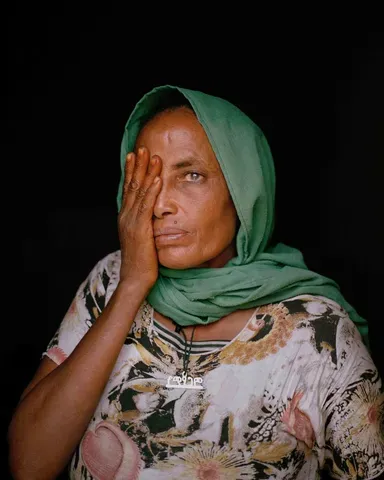
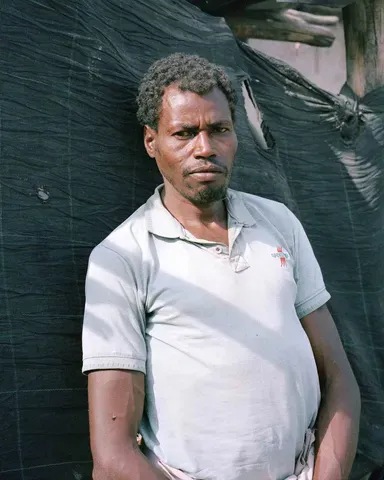
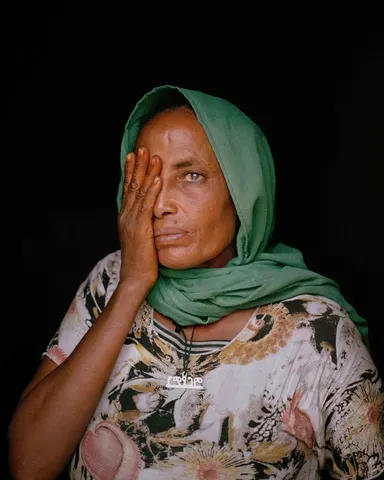
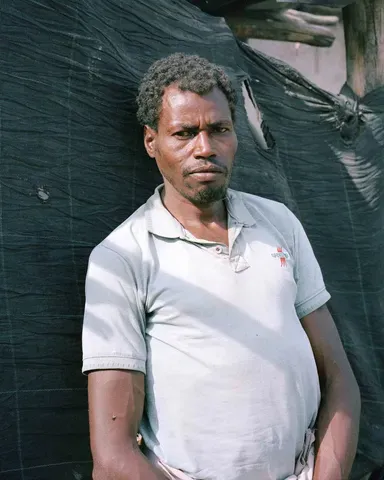
Kasech Kebede, 45, says she was involved in Sher Ethiopia from the beginning. She says she lost sight in her left eye when she accidentally got pesticide in her eye. Image by Maria Høy Hansen. Ethiopia, 2025.
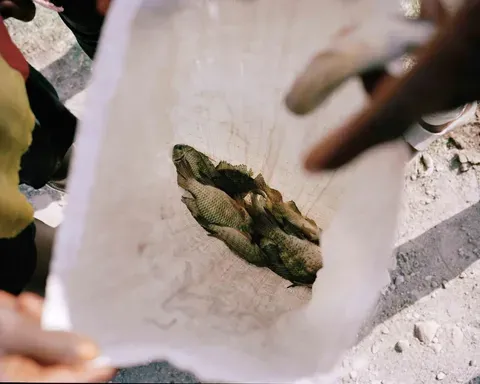
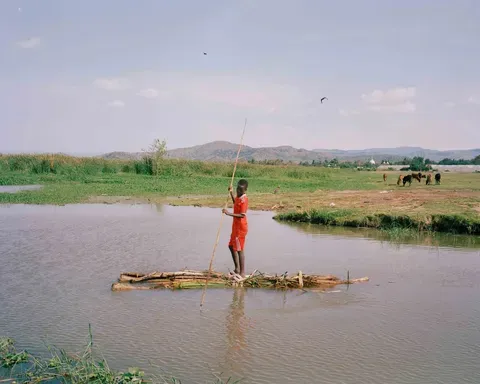
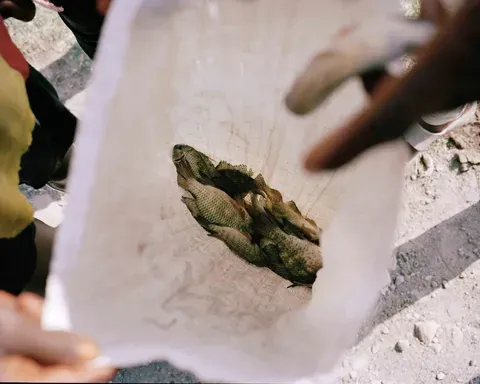
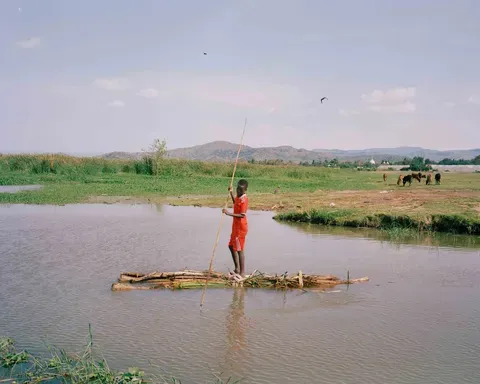
Baru Mamu, 40, lives in the Ehiopian village of Bochesa, near Batu. He used to make a living fishing from the lake, but had to stop. He believes that the decline in fish stocks occurred after the flower industry came to town. Today, he is unemployed. Image by Maria Høy Hansen. Ethiopia, 2025.
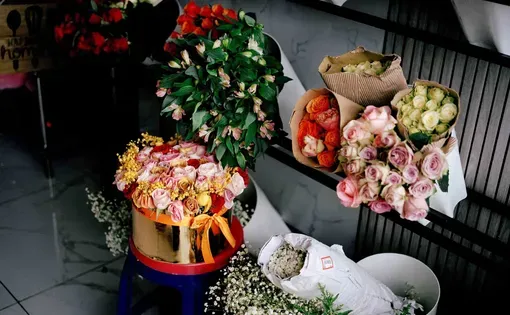
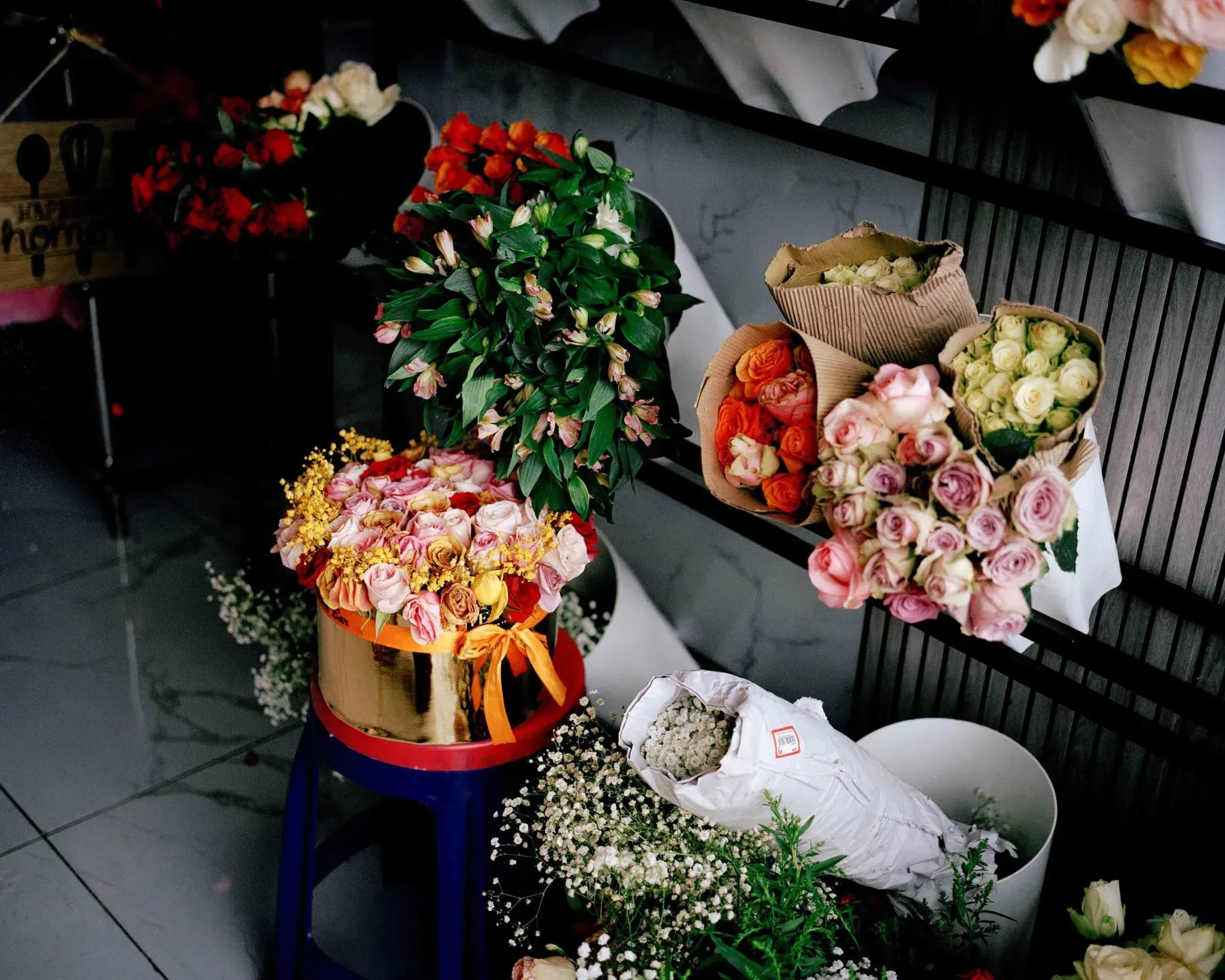
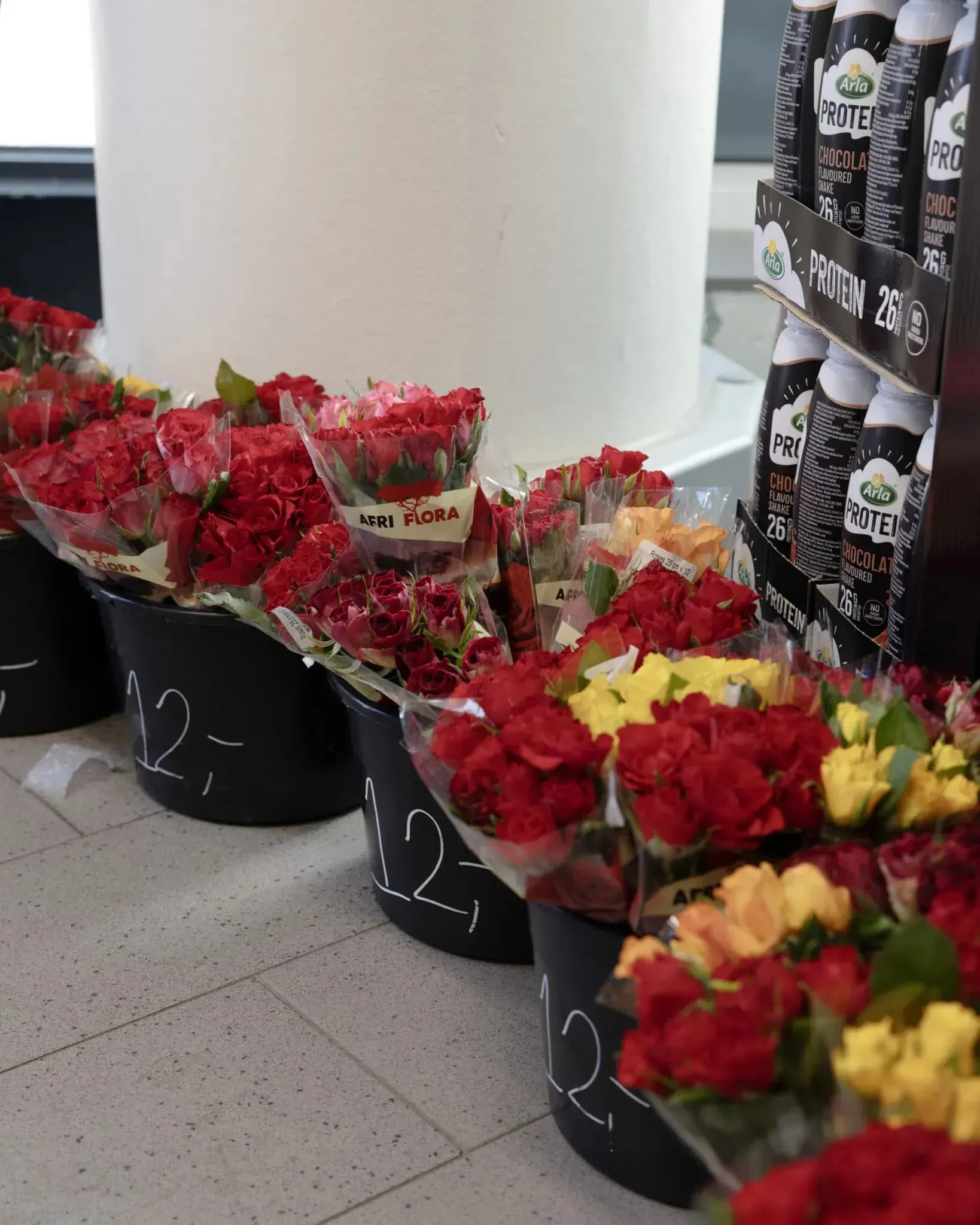
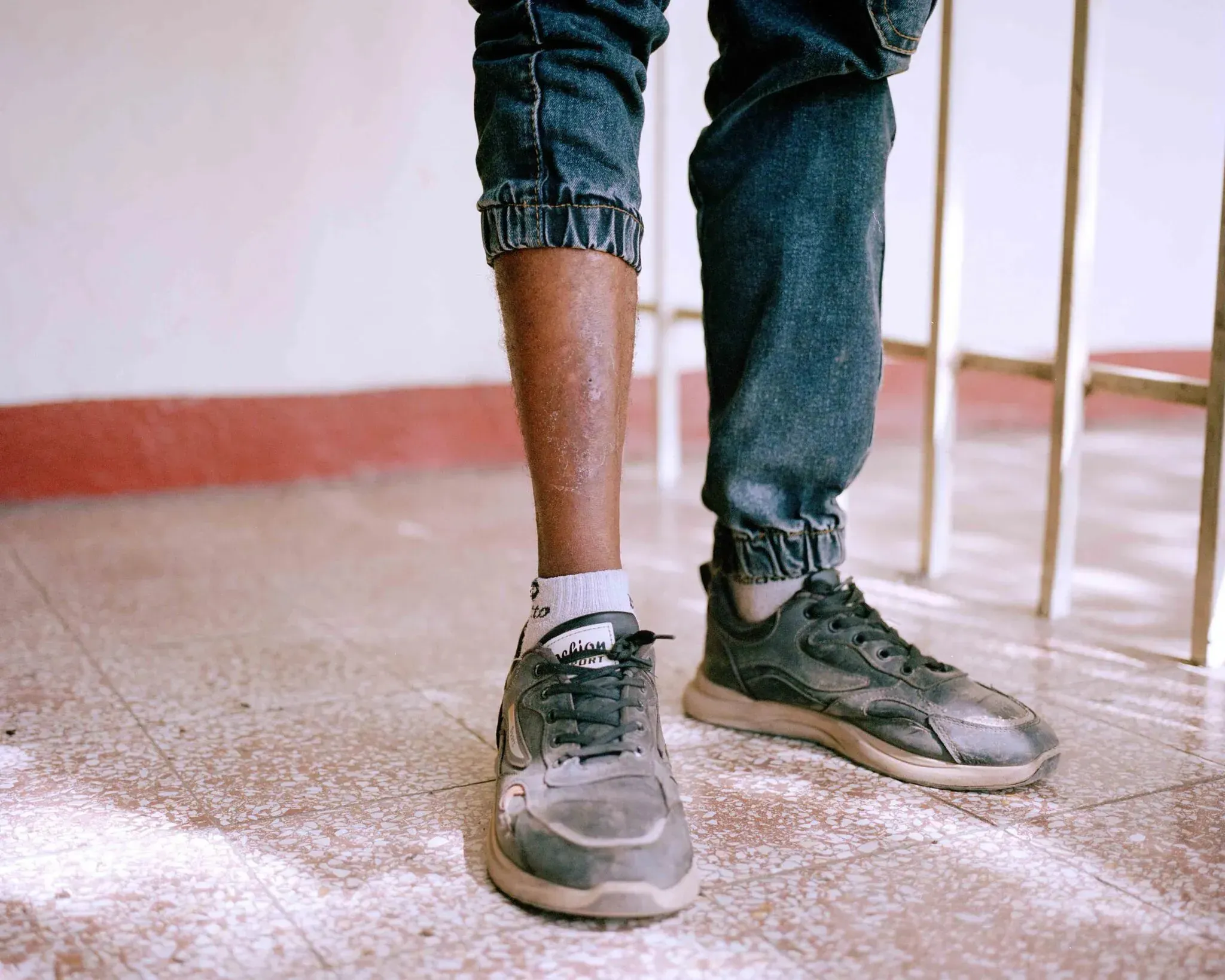
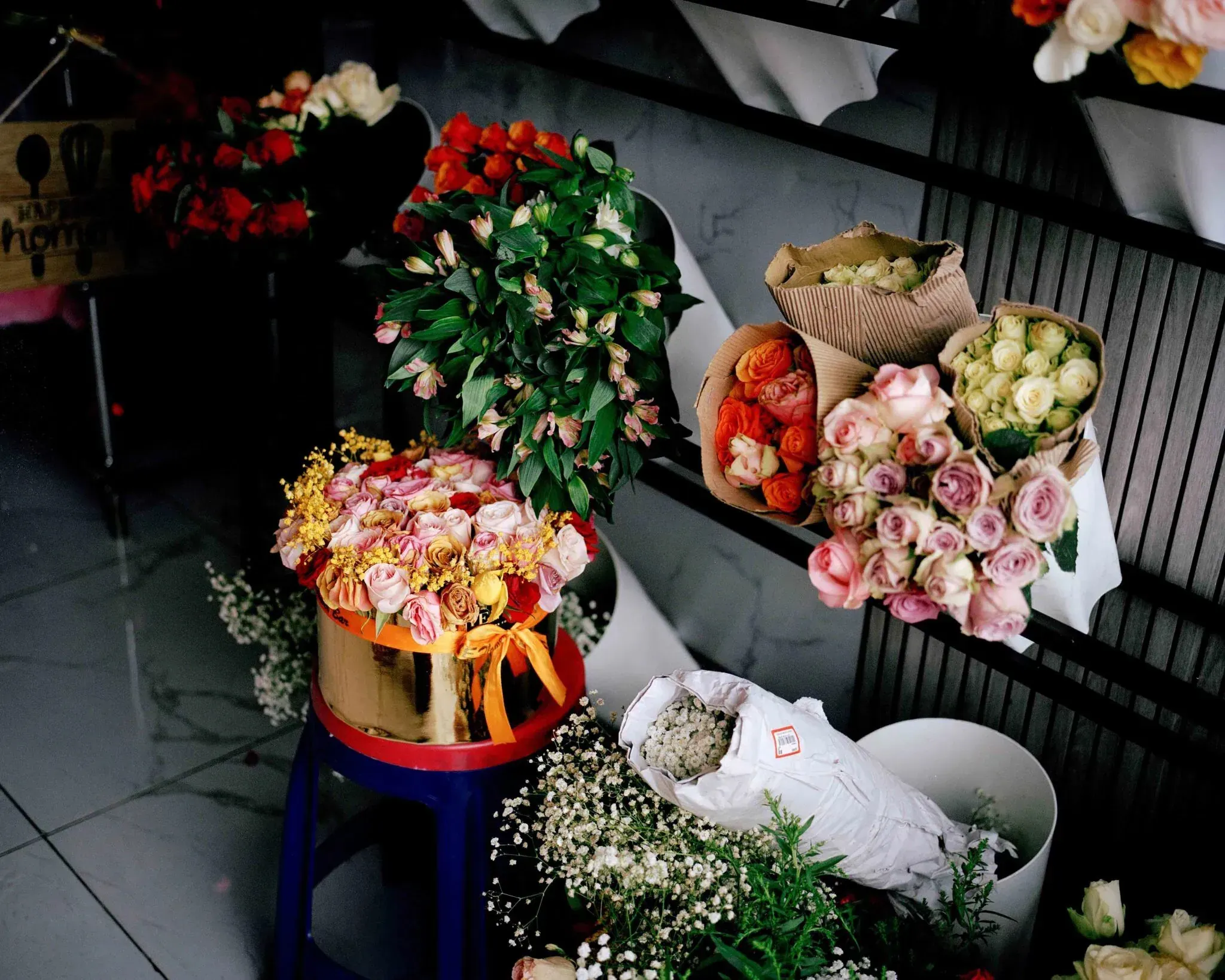
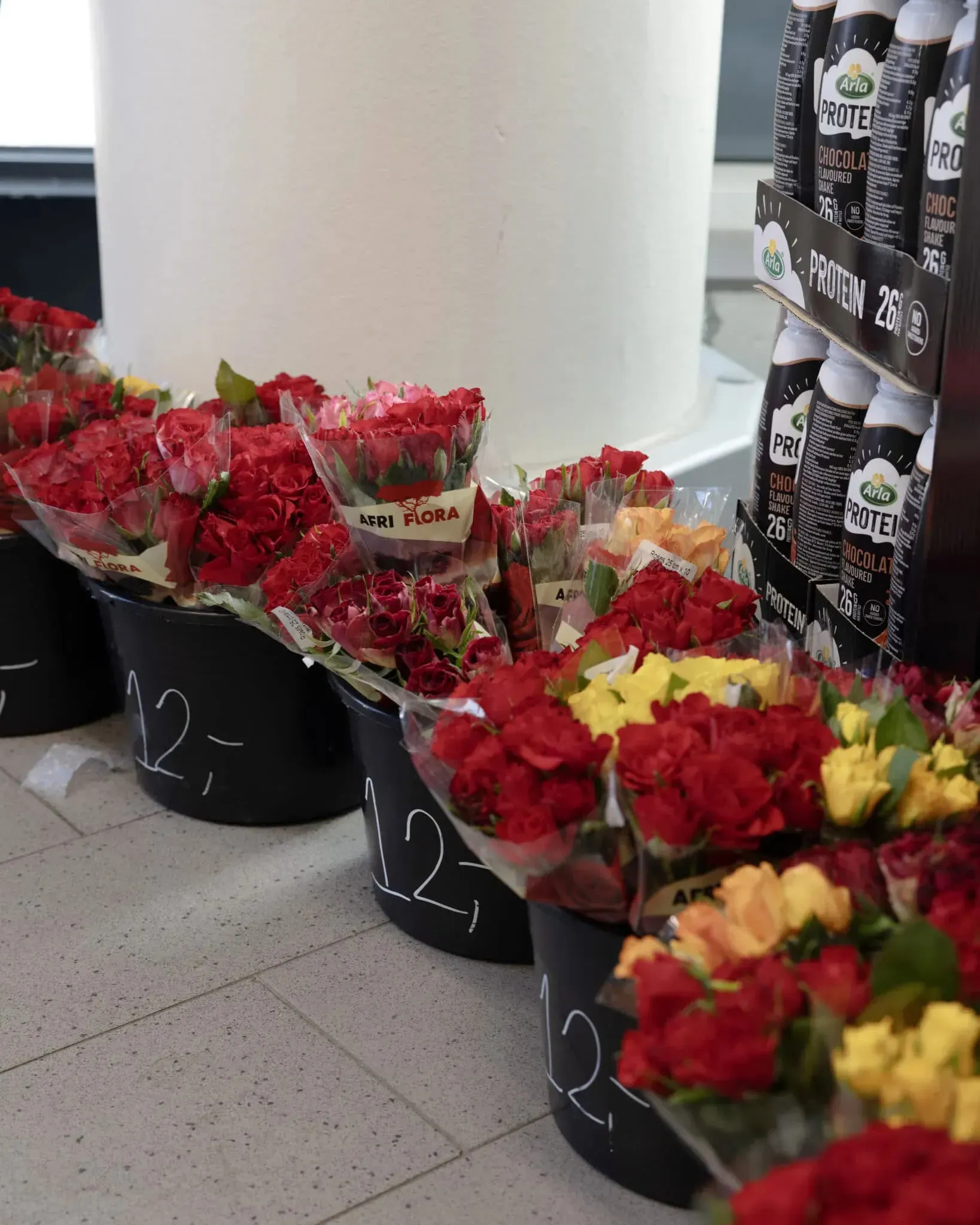
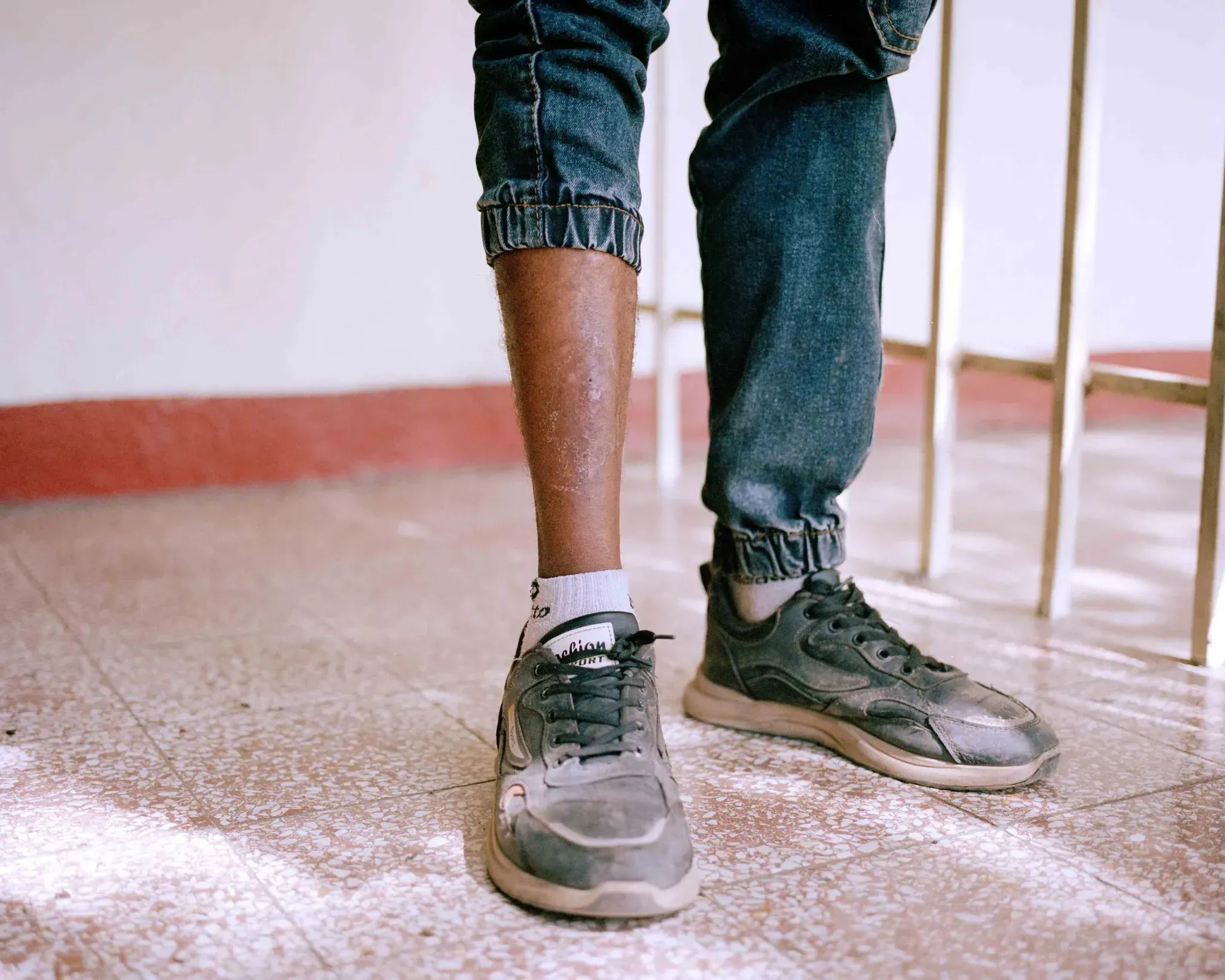
Afriflora roses can be purchased in several Danish supermarkets. Danwatch has found the roses in Rema 1000, Kvickly, Føtex City, Netto, and Min Købmand. Image by Maria Høy Hansen. According to an anonymous employee who works at the farm Sher Ethiopia, a skin rash occurred when he was transporting a bag of pesticides and accidentally spilled some of it on his bare leg. The man has requested anonymity because he is afraid of how it will affect his employment. Danwatch is aware of the man's identity. Image by Maria Høy Hansen. Ethiopia, 2025.
Sher Ethiopia, one of the farms located on the lake, writes to Danwatch: “All our wastewater is treated in a wetland filtration system, where the contaminated water is pumped through a biofilter. […] We have not received any complaints about water quality from local fishermen, their representatives, or any other stakeholders.”
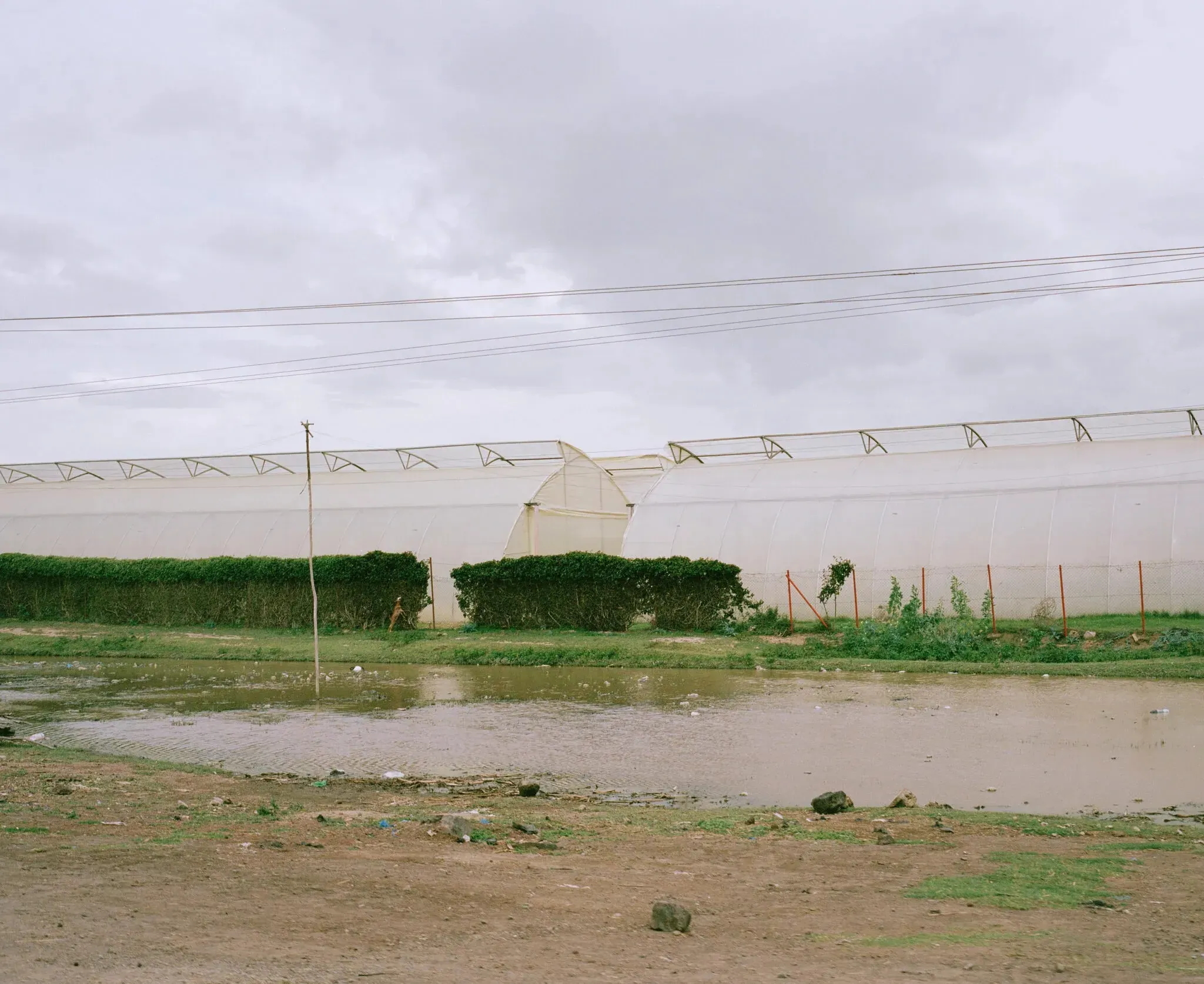
The Ethiopian city of Batu is located on one of the country's largest freshwater lakes. The city used to be known for its fish and supplied the country's capital, Addis Ababa, among others. Today, the city is known for the production of cut flowers. Image by Maria Høy Hansen. Ethiopia, 2025.
The location of the greenhouses by the lake is not entirely coincidental, as growing flowers require a lot of water. Image by Maria Høy Hansen. Ethiopia, 2025.
Kom tæt på Etiopiens rose-mekka
Danwatch har besøgt byen, hvor verdens største rosefarm holder til.
Etiopien er på få årtier blevet Afrikas næststørste producent af afskårne blomster. Ifølge det etiopiske finansmedie Birrmetrics eksporterede blomsterindustrien for knap 2,5 milliarder millioner kroner i 2024. Billede af Maria Høy Hansen. Den hollandske virksomhed Afriflora Sher er verdens største roseproducent og den største leverandør af roser til Europa. Produktionen er fordelt over tre steder, hvoraf den største er i Batu, og tilsammen udgør de 650 hektar - et areal, der svarer til 911 fodboldbaner. Billede af Maria Høy Hansen.
45-årige Kasech Kebede fortæller, at hun var med fra begyndelsen af Sher Ethiopia. Hun er efter eget udsagn blevet blind på sit venstre øje, da hun ved en fejl fik sprøjtemidlet i øjet. Da hun kom på hospitalet, var det allerede for sent at gøre noget. Billede af Maria Høy Hansen.
40-årige Baru Mamu er født og har boet hele sit liv i landsbyen Bochesa, der ligger tæt på Batu. Han plejede at leve af at fiske fra søen, men han fangede kun døde fisk og blev nødt til at stoppe. Fiskedøden mener han er sket efter, at blomsterindustrien kom til byen. I dag er han arbejdsløs. Billede af Maria Høy Hansen.
Afrifloras roser kan købes i flere danske supermarkeder. Danwatch har fundet roserne i Rema 1000, Kvickly, Føtex City, Netto og Min Købmand. Billede af Maria Høy Hansen. Ifølge den anonyme medarbejder, der arbejder på Sher, opstod hudplamagen, da han skulle transportere en pose med sprøjtemidler og kom til at spilde noget af det på sit ben, der var blottet. Manden har ønsket at være anonym, da han er bange for, hvordan det vil påvirke hans ansættelsesforhold. Danwatch er bekendt med mandens identitet. Billede af Maria Høy Hansen.
Den etiopiske by Batu ligger ud til en af landets største ferskvandssøer. Byen plejede at være kendt for sine fisk og leverede blandt andet til landets hovedstad Addis Ababa. I dag er byen kendt for produktionen af afskårne blomster, der foregår i flere af byens drivhuse. Billede af Maria Høy Hansen.
Placeringen af drivhusene ved søen er heller ikke helt tilfældig, for det kræver meget vand at dyrke blomster. Billede af Maria Høy Hansen.
 December 13, 2025