Story
 March 3, 2026
Peru Responds After Pulitzer Center Grantees Reveal Government Bought Flawed Cancer Drugs
Country:


Project
Chemotherapy at Risk
When controls fail, the risk is transferred to the patient.
The following is an English translation of an article originally published in Spanish in Salud con Lupa. Para leer este artículo en español, haga clic aquí.
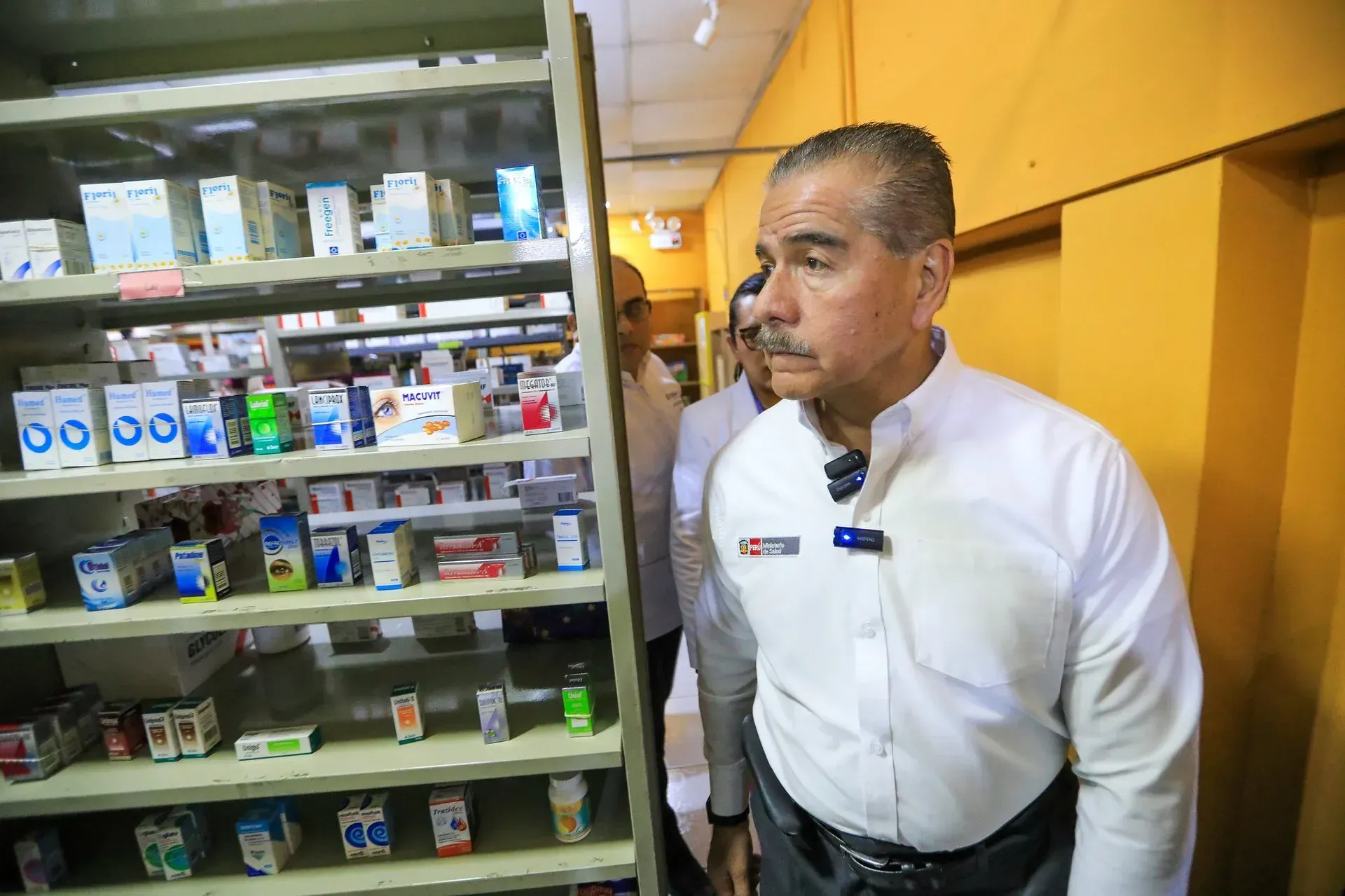
Peru's Ministry of Health announced inspections of pharmaceutical plants in India and China. Officials attributed the purchases to the previous administration, and Health Minister Luis Quiroz said the Executive branch has already sent Congress the text to reform the General Directorate of Medicines, Supplies and Drugs.
On February 12, 2026, a Pulitzer Center-supported investigation by Salud con Lupa and The Bureau of Investigative Journalism revealed that the Peruvian state purchased more than 140,000 defective cancer drugs from five laboratories in India between 2019 and 2025. The batches ended up being destroyed after quality failures were detected. This left hospitals undersupplied and disrupted the continuity of treatment for cancer patients.
A week later, the Ministry of Health began announcing measures related to the health oversight system that allowed the importation of these products, though it did not directly reference the investigation's findings.
First, the General Directorate of Medicines, Supplies and Drugs (Digemid) — the authority responsible for regulating and overseeing medicines in the country — announced that it would send a technical mission to inspect 26 pharmaceutical plants in India and China and verify compliance with Good Manufacturing Practices (GMP), the standard that certifies that medicines are produced under appropriate quality and safety conditions.

As a nonprofit journalism organization, we depend on your support to fund more than 170 reporting projects every year on critical global and local issues. Donate any amount today to become a Pulitzer Center Champion and receive exclusive benefits!
The mission, formalized through ministerial resolutions on February 18, involves the travel of 20 Digemid specialists. According to the Ministry of Health, the inspections will allow a review of plant infrastructure, production processes, raw material controls, microbiological analyses, and quality assurance systems at the manufacturing facilities.
Among the plants included in this mission is Kwality Pharmaceuticals, one of the laboratories named in our investigation. In one of our reports, we documented that this manufacturer sold the Peruvian state batches of cyclophosphamide that were declared non-conforming after foreign particles were detected. In September 2024, Digemid also denied GMP certification for its oncological drug plant. Despite this track record, the public health system contracted the same manufacturer again months later.
Previous administration blamed for purchases
On March 1, the Ministry of Health released a statement from the National Center for Strategic Health Resource Supply (Cenares), the entity responsible for purchasing and distributing medicines and supplies to public hospital systems.
In the statement, Cenares noted that the current administration took office in October 2025 — that is, after the procurement and evaluation processes for the questioned products had already taken place. On those grounds, it attributed those procedures to the previous administration.
The statement references three cancer drugs linked to quality control processes: cisplatin, cyclophosphamide, and ifosfamide. According to Cenares, in these cases the immobilization, withdrawal, or destruction of the batches was ordered after non-compliance with quality standards was detected.
The entity maintains that these measures were adopted to protect patient safety.
However, the statement does not address other central findings of the investigation — such as why some of the laboratories involved — Beta Drugs, United Biotech, Kwality Pharmaceuticals, Vee Excel Drugs & Pharmaceuticals, and Naprod Life Sciences — remain authorized to sell medicines to the state. Nor does it explain how the health oversight system that allowed the importation of these defective products will be corrected.
The Digemid reform
Alongside these reactions, Health Minister Luis Quiroz stated that the Executive branch has completed the drafting of the substitute text that will be debated in Congress's Health Committee to reform Digemid.
"The substitute text is already finished. There are several bills drafted by various legislators, including a proposal of our own. The substitute text is ready, and in the coming days, once the committee convenes, I hope it will be approved so that the implementation of the reform can begin," he told Salud con Lupa on March 3, when approached at an official event.
The minister said the government continues to back the proposal to create the National Authority for Pharmaceutical Products, Medical Devices, and Health Products (APEMED) as a replacement for the current Digemid.
The debate over this reform was reactivated in Congress following a series of cases in 2025 that exposed serious failures in health oversight. These included a batch of saline solution with excess sodium that caused the deaths of seven patients, and a contaminated sedative that affected 28 people, including infants in intensive care units.
The investigation by Salud con Lupa and The Bureau of Investigative Journalism showed that, for several years, Peru has been importing medicines from manufacturers whose plants had not been directly inspected by the Peruvian health authority.
This stems from a regulatory regime approved in 2013 that allows foreign laboratories to export medicines to the country by presenting GMP certificates issued by their own country's authority, while Digemid's own inspection remains pending.
While Congress debates the reform of the regulatory authority and the Ministry of Health announces new inspections abroad, public health specialists warn that the main challenge remains strengthening the state's capacity to verify the quality of medicines before they reach hospitals and patients.