Story
 June 11, 2026
How AI Makes Underage Sports Bettors Face Mental Health Crisis in Nigeria
Country:

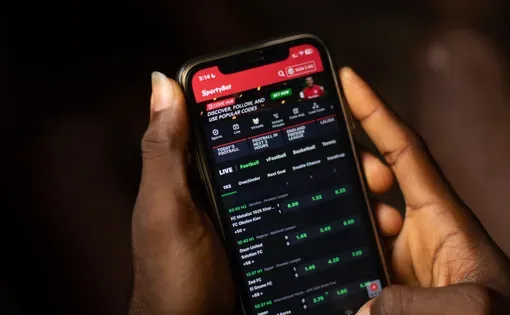
Sports betting companies in Nigeria weaponize artificial intelligence for their own benefits. They...
For a long time, living in Osun State of Nigeria, Samuel Adegoke grew up like other young men, obedient, law-abiding and respectful. At 18, when he gained admission to Federal Polytechnic, Ilaro, a friend introduced him to sports betting.
Sports betting, Adegoke’s friend told him, was an Artificial Intelligence (AI)-powered activity that guaranteed millions of naira jackpots from small stakes. All Adegoke needed to do was to place money according to predictions by Al-models that continuously analysed vast datasets for accurate win probabilities for stakers.
One morning in his second year in school, just before the first semester examinations, an AI-powered sports betting promotion came up, one promising a mouth-watering bonus. Adegoke used his school fees to bet and lost everything.

As a nonprofit journalism organization, we depend on your support to fund more than 170 reporting projects every year on critical global and local issues. Donate any amount today to become a Pulitzer Center Champion and receive exclusive benefits!
Adegoke could have been taken in, because unlike in the past, sports betting companies had a sophisticated plan on a 24/7 basis, turning bettors into addicts through social media algorithms and exploiting the AI hype by promoting themselves as using AI for more accurate, adaptive, and specific forecasts. They claimed that their AI-generated information about players’ output, injuries, weather and past team performances within microseconds could help stakers win through on-the-spot predictions.
Also, the AI-powered dashboards of sport betting companies made their interfaces easy to navigate, allowing people to lose money in a fast and seamless manner, said David Ebriku, a lawyer handling cases for underaged sports bettors. All a young bettor had to do was go to their website on mobile phone, make selections based on AI-generated predictions, click the bet button, copy the booking number, click the ‘Book a Bet’ icon from the top menu, paste the booking number then make payments online through their bank accounts.
“There were virtual betting games too,” Israel Jacob, Adegoke’s friend, said. “People bet on AI-powered games.”
When people like Adegoke lost money, it fostered the suspicion that sport betting companies typically operated on a ‘house always wins’ rule. Though these companies offered AI-powered tools and predictions, they always won, and the onus of managing losses fell on bettors, with little or no financial compensations.
The same thing happened in the case with Samuel Adegoke. Unable to attend school, he developed mental health challenges, bought insecticide from a patent medicine shop and drank the poison, dying at a period he was supposed to be sitting for his examinations.
Following Adegoke’s death, questions began to be asked across Nigerian websites, blogs, and newspapers, about increasing cases of suicides and mental health challenges among young Nigerians, since sport betting transitioned from manual operations to AI-powered platforms on mobile phones in the last two decades.
There were no official centralized government statistics to track mental health challenges and suicides from sports betting in Nigeria, but a study stated that of sports bettors surveyed, 12.5 percent reported negative impacts, many resorting to depression, debt and crime to recoup from losses. However, documented cases of suicides were numerous. In December 2021, an Abuja-based youth, Adegbite, took his life after losing N150,000 ($100) belonging to his employer through betting. In February 2022, Daniel Ayuba Mark took his life after scammers hacked his SportyBet account and withdrew N1.5 million ($1,000) with a card he saved in his account.
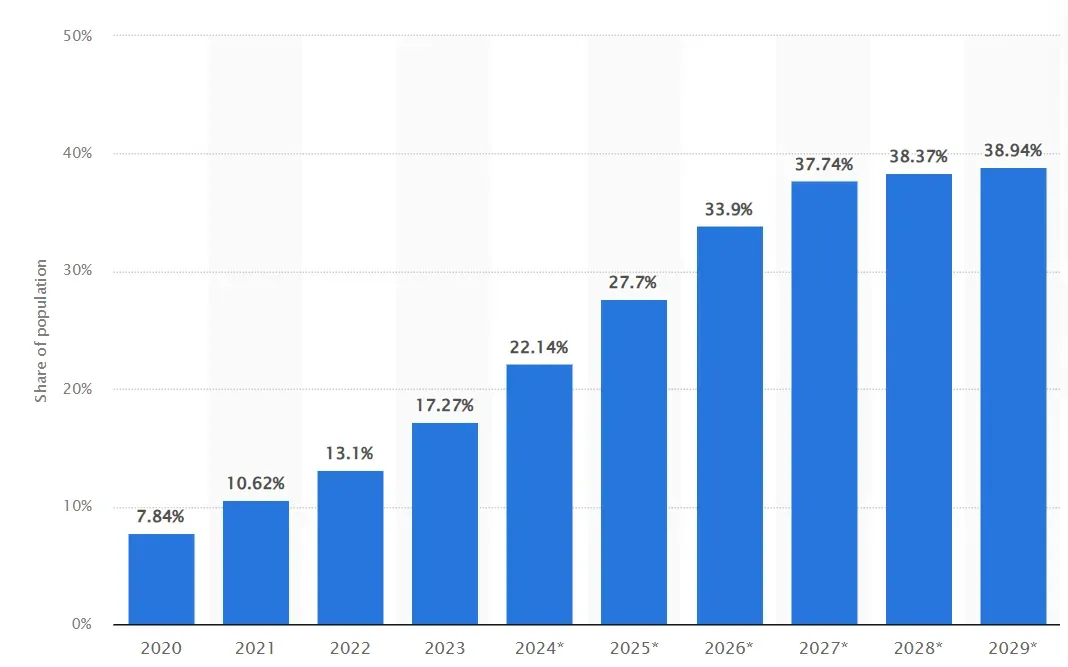
Sports betting had always been present in Nigeria, but youths were not having mental health problems like this, and it was not because the population of bettors was not up to the estimated 60 million Nigerians now engaged with gambling. Things changed through the proliferation of mobile phones, with usage surging since 2021, active telecom subscriptions now exceeding 182 million subscribers.
Artificial intelligence through mobile phones then accelerated the rate of sports betting engagements, with ads now designed to be catchy and omnipresent in social media, blogs, and search engines, highlighting the few who won big, creating a sense of hope to young people, portraying betting as a shortcut to wealth. Unfortunately, the rate of losses also accelerated, increasing mental health challenges and documented cases of suicides.
Regulatory bodies, Al, and the death of underage bettors
The National Lottery Regulatory Commission formerly supervised sports betting through the National Lottery Act 2005, which banned children under 18 from participating in it. In Section 34 (1) (e), licensees who contravened the provision were liable to fines of not less than N20,000 and imprisonment of not less than one year.
Despite this, findings revealed that the National Lottery Act was breached with impunity, with culprits not paying fines or imprisoned, while underage bettors frequently visited online betting sites, popularly known as Baba Ijebu.
To combat these sharp practices and lax regulations, the House of Representatives wanted to amend the 2005 National Lottery Act, through the Health Adolescence Act, but lack of political will stood in the way. The Director General, National Lottery Regulatory Commission, Lanre Gbajabiamila, also intended to institute tougher laws.
“Any operator allowing underaged individuals to participate in gambling will face the consequences. We are committed to building a responsible, well-regulated and fair industry,” he said.
The Supreme Court of Nigeria rendered these good intentions needless in 2024, when it ruled that gambling was supposed to be controlled by states and not federal authorities.
States now control the sector, but the proliferation of Al-powered mobile phones, as well as the activities of sport betting companies, still fuel sports betting among underage bettors, leading to rising documented rates of suicides and mental health challenges.
Experts also said the tough economic conditions in the country, the get-rich-quick mentality of Nigerians and the compelling techniques used by Al-powered sports betting platforms made millions to gamble.
With approximately 62 percent of Nigerians, or roughly 141 million people, living below the poverty line, lots of people fall for the alternatives provided by sports betting companies.
“Since the country is so bad, people are doing anything to get their daily bread, even sports betting, which entices people, especially young ones, like magic,” Love Olawumi, Publisher, Apoi Voice, told this reporter from his Lagos base.
How sports betting companies use AI to entice young Nigerians
In 2025, a video advertisement was posted on Facebook by Oun Lyka, featuring TVC newsreporter, Oluwakemi Fola Adeyemi, presenting a report about popular footballer Victor Osimhen endorsing the I Be Casino betting app.
“Victor Osimhen has become the official sponsor of an official mobile application that allows Nigerians to be successful. The app has created a new sensation and has broken all download records,” Adeyemi said.
“Our developers have specifically made it so that everyone can have a 98 percent chance of winning,” Osimhen said in the video.
Unknown to her followers, what Oun did was the standard way sports betting companies use to lure thousands of unwary youths into sports betting, with Al-powered videos endorsing them by popular footballers, only this time it was fake, as Osimhen’s endorsement of I Be Casino was Al-generated.
In Nigeria, the youth see artificial intelligence as a tool for transformation, economic empowerment, education and career growth. Once they learned that AI generated the data to be used for betting, they believed it was genuine. Capitalizing on this, sports betting companies exploited the opportunity to create an illusion for young sports bettors.
Experts say sports betting companies were not particularly bringing genuine information, they were only claiming to generate actionable data through AI in order to hoodwink the unwary, using Al-generated videos of a few winners and endorsements by popular footballers to create a facsimile of opportunity.
Looking for an Al-powered company
Worried about the alarming rates of suicide and mental health among the youth, as well as the powerful nature of Al-powered websites, Lagos State Government in late 2023 banned 45 gaming companies.
Most of the banned companies used artificial intelligence for its operations.
In trying to access one of them on Google, the first of the two sites associated with it said that the website was under construction. The second said attackers might be trying to steal information through the website, including passwords, bank account numbers, and card details.
On another website, Scribd.com, young people will discover that the company offered free registration to various types of bettors, with a minimum stake of N100 and maximum payout per bettor at N40,000,000, all deposits and withdrawals free of charge.
In trying to act on this by opening the website through Website Informer, a warning was given, saying one did so at their own risk, with ScamAdviser.com scoring the company one out of four in relation to safety.
Further probing revealed had been in the sports betting business since 1993, carrying out its business in nations such as Serbia, Republic of Srpska, Montenegro, and North Macedonia. All efforts to show its link with the Nigerian brand failed.
However, going by Nigerian law, any company into business should register with the SEC, but it was not among those listed on the SEC Verification Portal, a platform to assist people find out whether a business had permission to do business by law in Nigeria. On contacting the company through email, no reply came at the time of filing this report.
However, information derived from WHOIS, a public database of domain registration records, indicated that no data was available for the company, because the domain name did not exist. If a company lacked data on WHOIS, it generally meant their ownership details were hidden, redacted, or the domain was not currently registered, indicating lack of transparency, a red flag.
Some sports betting companies on the list of those banned in Lagos operated in this way. When young Nigerians patronise them and lose, they could not hold an epileptic or unregistered company to account, leading to mental health challenges or suicide.
Why an Al-driven sports betting company was banned
On August 19, 2025, an influencer wrote a list on Nairaland, one of Nigeria’s biggest blogs.
“My name is Ajimuda Timilehin. I live in Lagos and I work in sports betting,” the influencer said.
Writing with passion, he encouraged readers to stake with an AI-driven sports betting company banned by the Lagos State Government.
“If you are in Nigeria and you are looking for a betting site that pays fast and gives good odds, you can try this company,” Timilehin said.
The virtual games in the company’s catalog included Money Wheel, Demi God, Tales of Camelot, Net Cash and others, represented by many manufacturers, including Play’n Go, Playson, Booongo, NetEnt, Microgaming, and many more.
The entire list of providers was displayed on the page with titles, allowing users to quickly find software from their favorite developers.
Everything on the screen was controlled by artificial intelligence, classic gaming or generative AI, with computers making decisions every single minute.
Unfortunately, scrutiny of the platform did not bear out Timilehin’s claims 100 percent.
The company lost a lot of credibility in Nigeria in 2023, when Nigerians berated it over the treatment meted out to a bettor popularly known as @MistaFelix, who won some draw games of around N50 million ($50,000) and was not paid. The company eventually paid after two and a half years, plenty of time for a young man to develop mental health problems or commit suicide if affected.
Perhaps its habit of withholding winnings made punters condemn the company before and after its entrance into Nigeria. For instance, SCAMADVISER.COM gave the website a low trust rating, seeing it as a scam.
Several videos on YouTube praised the website, informing young bettors about how to register, as well as how to claim their bonus, while a reputable newspaper told stakers about what they needed to know about the company.
However, it was instructive to note that some YouTube viewers expressed contrary opinions in their comments on the sports betting website.
“They are scammers. They are holding $3,700 of my money, after I verified my account and submitted all the documents they requested (passport, national ID, binance account, etc). In the end, when I tried to withdraw, they approved it, and instantly an error appeared: ‘Payment error, Payment rejected by operator,’” wrote Ican, a bettor, on January 15, 2026.
On contacting the company about these issues, an official told this reporter that all bets were settled only after their specialists received official results of events provided by official sources.
“If you are interested in withdrawals, please note, availability of a payment method depends on the technical capacity of the payment system. Withdrawal operations can be processed from 15 minutes to several days, depending on the chosen method and circumstances in each case,” said Liza, the official who answered the email inquiry.
Mobile internet user penetration in Nigeria from 2020 to 2029
The company’s story was familiar, this reporter learnt. When Nigerians win big from some sports betting companies, payment was delayed or denied due to issues with the technical capacity of the AI-payment system, causing anguish, with some victims developing mental health problems in the process.
Earlier in the year, Kelvin Danlami, a 300-level computer science student at the Ibrahim Babangida University, Lapau, Niger State, killed himself after mental health challenges from losing rent money to a sports betting site.
AI-generated odds, endorsement by celebrities
The ability of AI sports betting in Nigeria to attract underage bettors could also be linked to endorsements by high profile individuals and influencers.
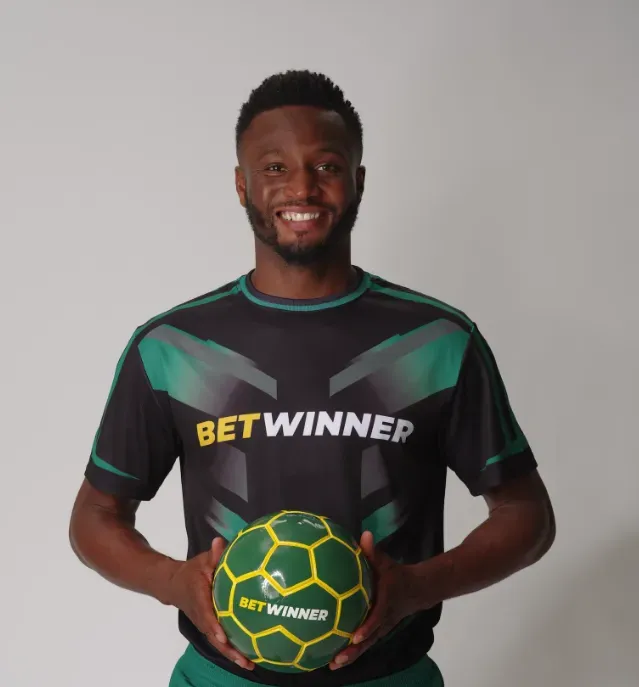
For example, former Super Eagles captain, Mikel Obi, was unveiled as a brand ambassador for Betwinner in February 2023, with the responsibility of representing the company in Nigeria.
In addition, Mikel joined Betwinner in an AI-driven cinematic advertisement campaign, to paint a vivid picture of the activities of the sports betting company, with more than 30 people in seven different time zones taking part in the process of creating the commercial, the shoot taking place in Dubai.
Mikel Obi is a famous footballer, trusted by millions of young people, so the sports betting company uses him in their promotions of AI-driven platforms. Through famous footballers, underage bettors get introduced to complex software, where AI-models match simulations for predictive analytics and personalized recommendations.
In other words, a combination of digital illiteracy, poor policy implementation, fraudulent sports betting companies and other reasons led Nigerian youths to lose their money, develop mental health problems and some ultimately committing suicide.
Meta, YouTube on AI-driven sports betting apps in Nigeria
AI-powered advertisements by sports betting companies that breach the law as related to underage betting were numerous on Meta and YouTube. The same applied to companies which peddled misleading information about betting. Meta did not respond when contacted for comment on whether it was aware of this issue.
But this reporter learned that Meta flagged misleading ads, only banning them if its automated tools were 95 percent certain that its laws had been flouted. When certainty was not 95 percent, Meta charged higher advertising rates as a penalty.
This trend enabled Nigerian sports betting companies to not comply with local laws with respect to not targeting underage youths with content in support of betting.
Google fights back, but not on underage betting
Google allowed sports betting companies to operate on its platform, but the outfits must comply with local laws about not targeting minors and promoting irresponsible betting.
These provisions have been breached time and time again, but even though Google banned sports betting companies in January 2025, after the Supreme Court judgement about who controlled the sector, it was not because Google was concerned about underage betting.
Three months later, Goggle confirmed this view, by reversing its ban, allowing ads for gaming products in Lagos State, provided they aligned with state laws.

Soon after, Goggle also allowed operators in Cross River, Ekiti and Oyo States to advertise sports betting, online casinos games and lotteries, in line with the Supreme Court ruling.
Experts, however, cautioned that artificial intelligence continued to put underage bettors at the mercy of sports betting companies through algorithms. “Because of the way advertising works, even if you want to avoid gambling, you’re going to be served up more options and opportunities to engage in that behaviour than if you were someone who never engaged in that behaviour in the first place,” said James Sherer, an expert with the American Psychiatric Association task force on gambling.
In Nigeria, where digital literacy was limited, Mr. Abah Christopher, a psychologist, said AI-fuelled sports betting could have negative psychological effects on individuals by contributing to depression, frustration, and in extreme cases, suicide.
To curb the problem, Christopher called for a number of measures. “We need intervention through therapy, support groups and treatment programs. These are crucial in breaking this cycle and helping individuals recover from gambling addiction,” he said.
On his part, Ebriku observed that sports betting companies were taking advantage of the proliferation of mobile phones to deploy AI-tools. “Before, people went to pools houses to bet, so it was easy to prevent underage betting, because youths could be driven away. But with mobile phones, sports betting companies could turn your head with AI-tools inside your room. This needs to be looked into,” he said.
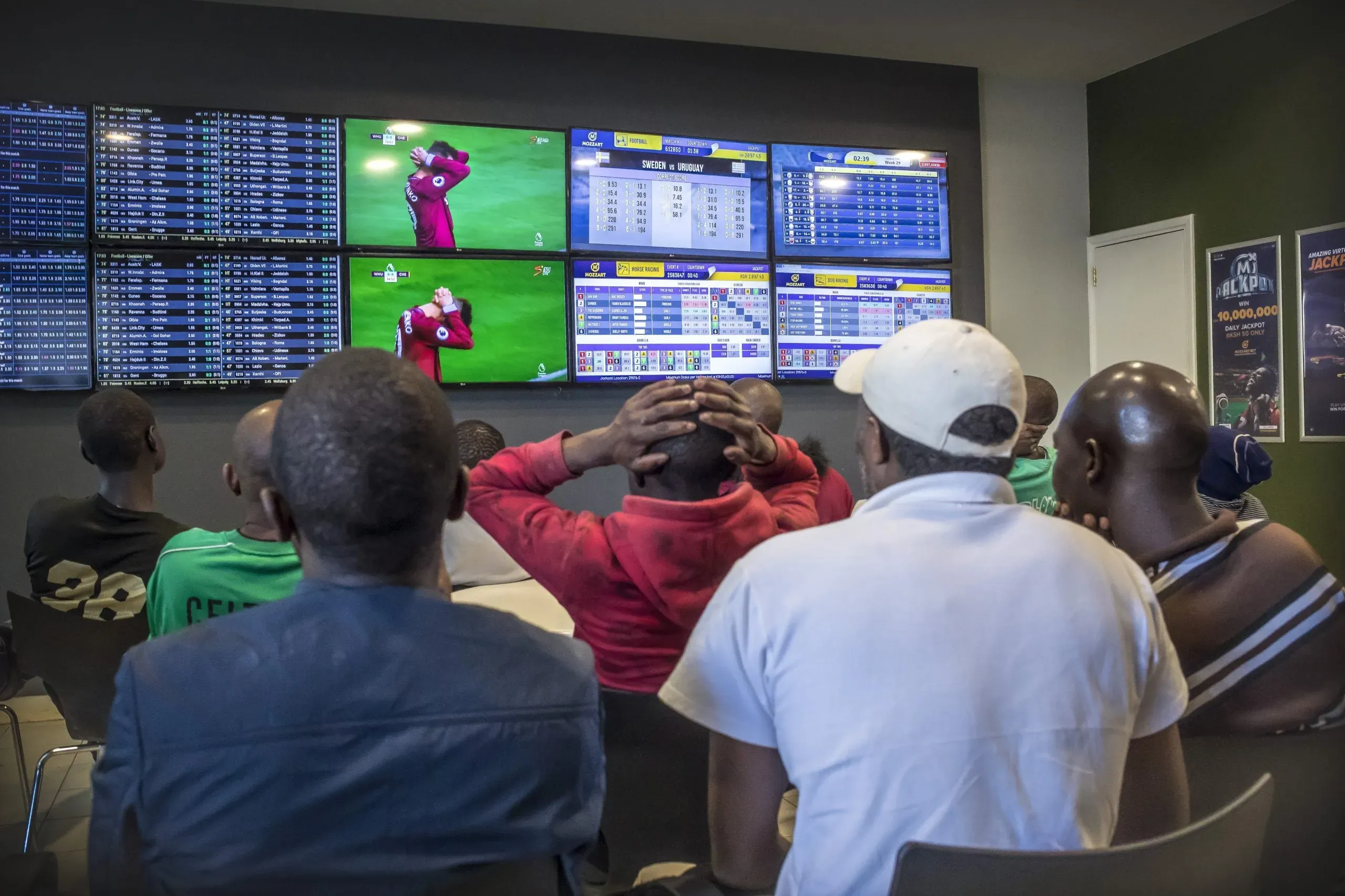
The situation today
It has been years since Samuel Adegoke died, but Jacob Israel had not forgotten how he committed suicide through sports betting, nor stopped warning people against it.
With Meta and other social media unable or unwilling to pull down betting advertisements, and the Nigerian government’s inability to implement laws related to the issue, millions of the underage are susceptible to AI-driven betting platforms as never before, becoming mentally ill with betting losses, some committing suicide.