

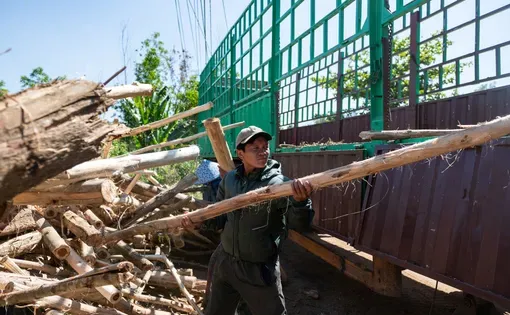
As Japan and South Korea rely more on biomass energy, Vietnamese communities near pellet factories...
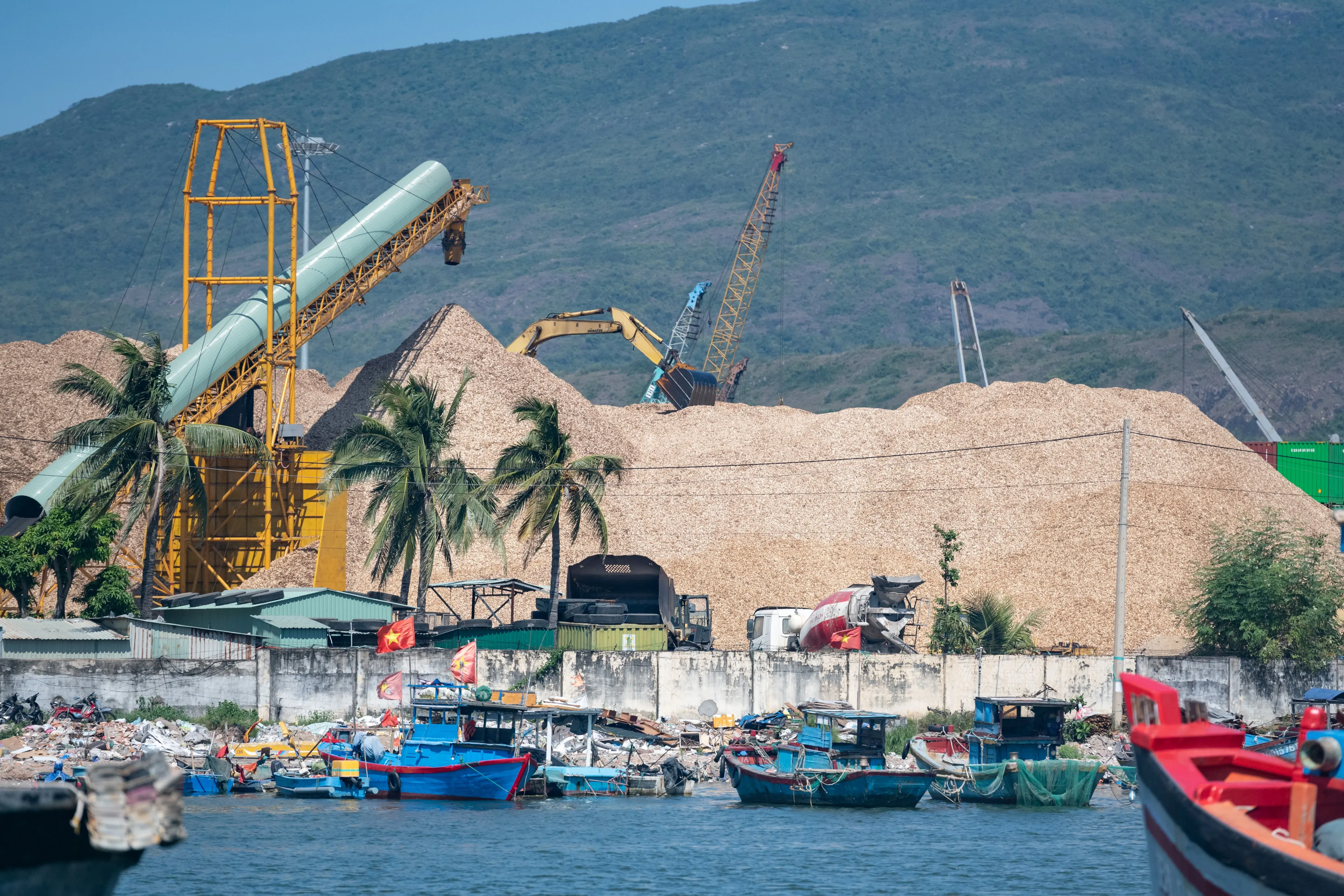
While the country’s key wood pellet buyers, Japan and South Korea, improve traceability of imported biomass fuel, pellet manufacturing in Viet Nam remains a regulatory blind spot, leaving nearby communities exposed to air pollution.
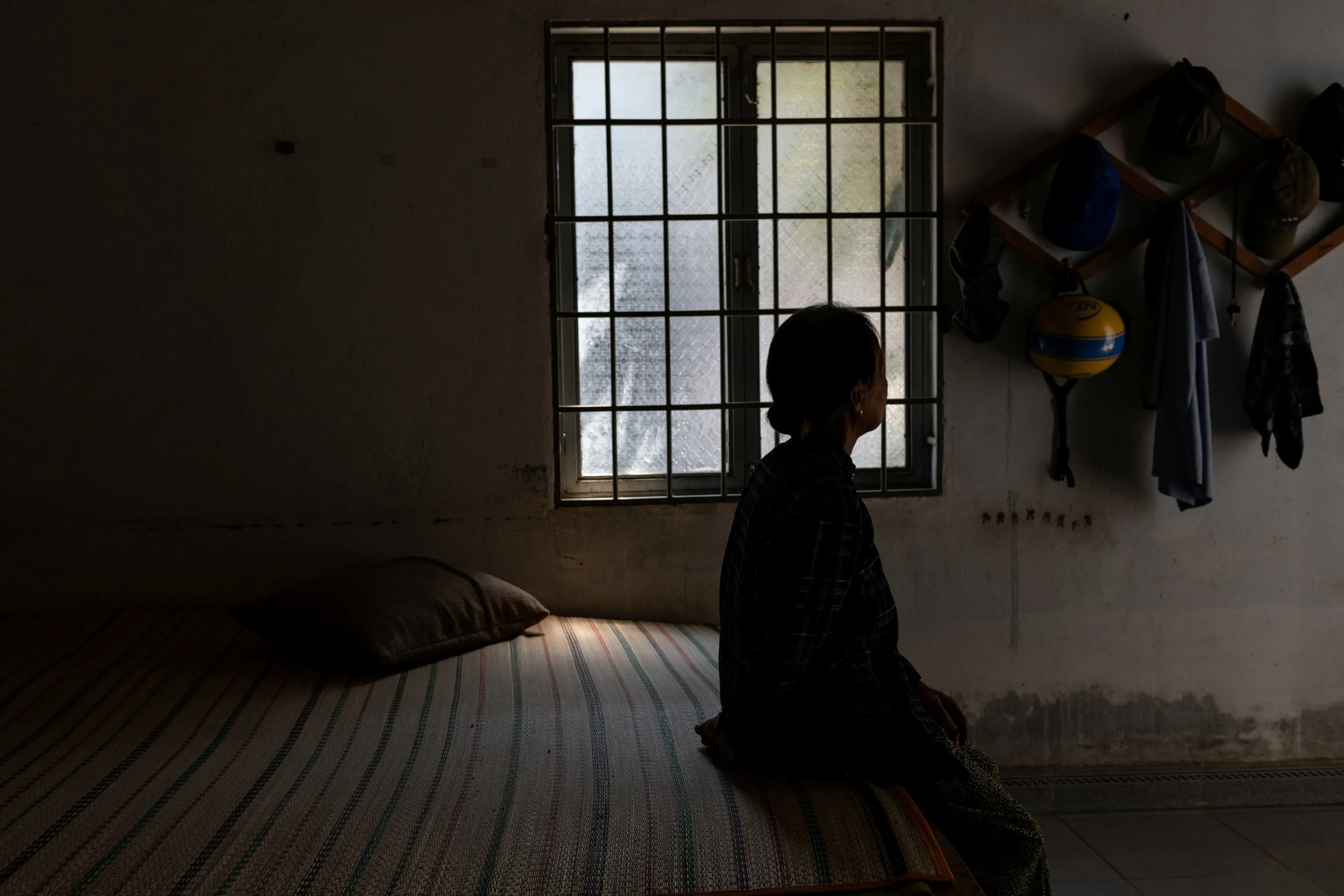
Binh Dinh & Quang Ngai provinces, VIET NAM — Households living near a wood pellet factory in central Viet Nam’s Binh Dinh province rarely leave their doors open. When they do, yellow and black sawdust drifts inside, coating floors, furniture and nearly everything else by the end of the day.
“Even with the doors shut, the dust still finds its way inside. I have to clean all day,” said Nhung, sitting in a shuttered room lit by electric bulbs despite the bright tropical sunshine outside. “We can’t even dry clothes outdoors. The dust sticks to them and makes our skin itch.”
Nhung is preparing for heart surgery and says her doctor advised her to move somewhere cleaner and quieter. Her husband suffers from high blood pressure, which the family believes is linked to years of sleep disrupted by factory noise.

As a nonprofit journalism organization, we depend on your support to fund more than 170 reporting projects every year on critical global and local issues. Donate any amount today to become a Pulitzer Center Champion and receive exclusive benefits!
Across the fence from their home, a plant owned by Tin Nhan Co, Ltd operates nearly around the clock, with plumes of white smoke rising from its chimneys.
The company is a subsidiary of Ayo Biomass, one of Viet Nam’s leading wood pellet manufacturers, supplying markets in Japan and South Korea, which together account for 95% of Viet Nam’s wood pellet exports.
There, the pellets are burned in biomass and coal co-firing power plants that help generate electricity for two of Asia’s wealthiest economies.
According to Japanese import-export records, Tin Nhan’s customers supplied major energy-sector firms such as Sumitomo Corporation and Hanwa, Enviva, a US-based biomass company operating in Japan, and Pinnacle Renewable Energy, a Canadian producer acquired by Drax in 2021.
Trade records in South Korea show that Pinnacle Renewable Energy also purchased Tin Nhan’s products. Both Enviva and Drax, among the world’s largest biomass companies, have been cited for violating air-pollution limits in the US.
Our reporter contacted the companies mentioned above, including Ayo Biomass, via the email addresses provided on their websites, but most did not respond by the time of publication.
An Ayo Biomass representative told the reporter during a site visit that the facility’s air emissions were within safe limits.
In an email response to the reporter, Hanwa said that their transactions with the Ayo Biomass Group have been “extremely limited”, and “Hanwa is not one of the company [Ayo Biomass]’s major business partners."
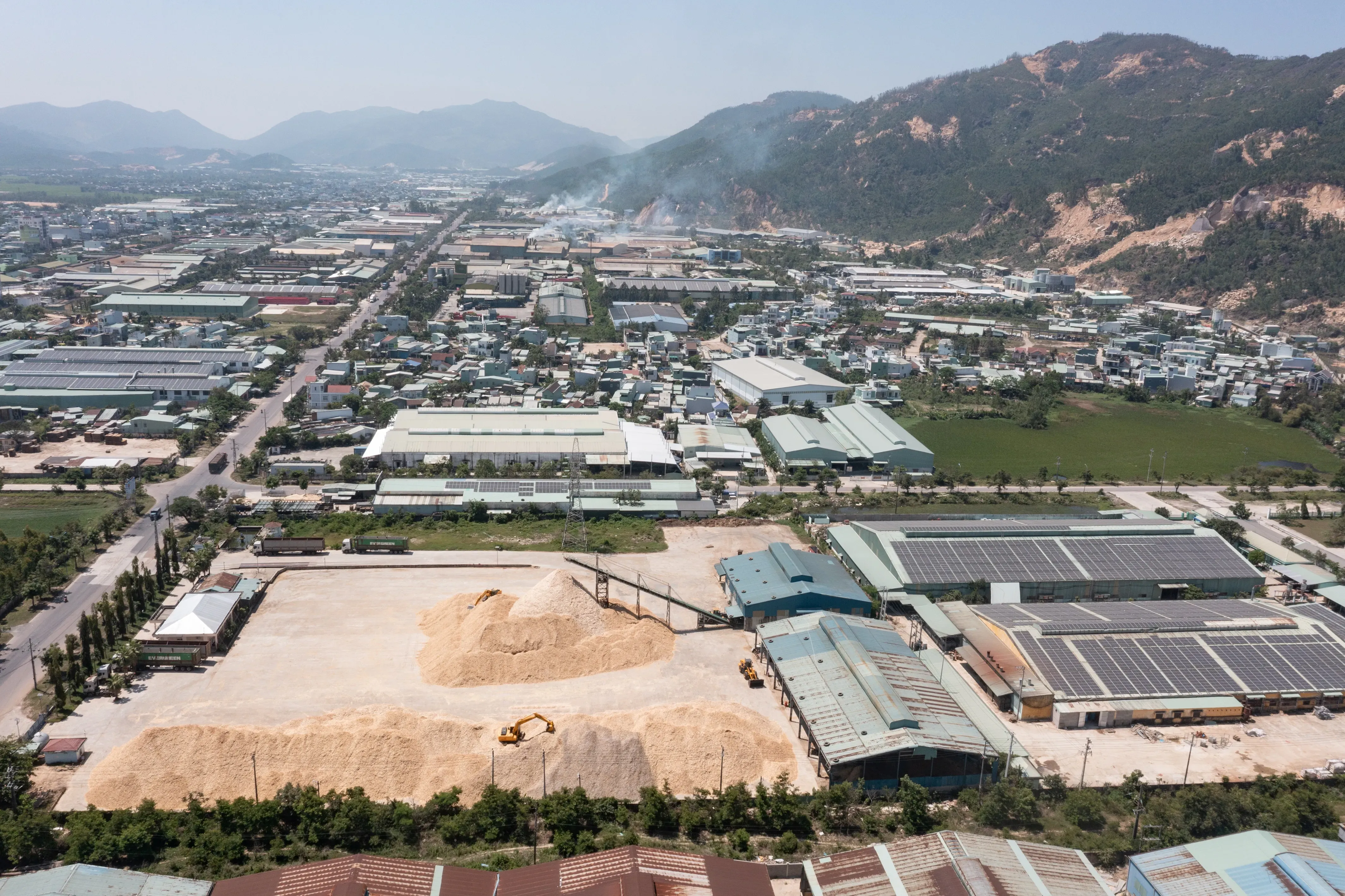
Over the past decade, demand from Japan and South Korea has made Viet Nam the world’s second-largest wood pellet exporter after the United States. The industry has boomed on the back of billions of dollars in renewable energy subsidies, with both countries promoting biomass as a carbon-neutral alternative to coal.
But that claim faces growing scrutiny, as mounting evidence links biomass to carbon-accounting loopholes and deforestation in countries including Indonesia and Viet Nam.
Growing concerns over biomass greenwashing have prompted governments to pull back support. South Korea ended subsidies for new biomass power projects in early 2025, while Japan excluded new large-scale biomass projects from its Feed-in Tariff and Feed-in Premium schemes from April 2025.
Yet oversight in the two countries, which source more than half of their imported wood pellets from Viet Nam, has largely focused on where the pellets come from and how their carbon emissions are counted.
Far less attention has been paid to the middle of the supply chain, where wood is chipped, dried and compressed into pellets. As a result, communities living beside pellet mills continue to bear the industry’s environmental costs.
Besieged by dust
Across central Viet Nam, a region that accounts for nearly half the country’s pellet exports, our reporter observed trucks hauling wood in and out of pellet factories day and night. Grinders and dryers rumbled around the clock, while in many places production lines operated directly beside homes, with little or no buffer between factories and residential areas.
At four large pellet plants visited for this story, residents described dense white smoke and burned odours drifting through their neighbourhoods, often strongest late at night, before dawn, and during the south-wind season from May to October.
Many reported symptoms, including sinus irritation, headaches, sore throats, eye irritation and sleep disruption, which they said were linked to emissions and noise from nearby factories. Some parents said they avoided taking infants outdoors when the factories were operating.
Last year, the state-owned Kon Tum Radio and Television Station reported that Kon Tum Green Energy discharged wood dust and smoke into nearby communities, where residents reported cases of sinusitis, allergic rhinitis and other respiratory illnesses.
“There were days when the house was filled with suffocating smoke. I couldn’t breathe,” recalled Hai, 70, whose home sits behind the pellet plant of Nang Luong Xanh Kon Tum, or Kon Tum Green Energy Joint Stock Company, in Quang Ngai province.
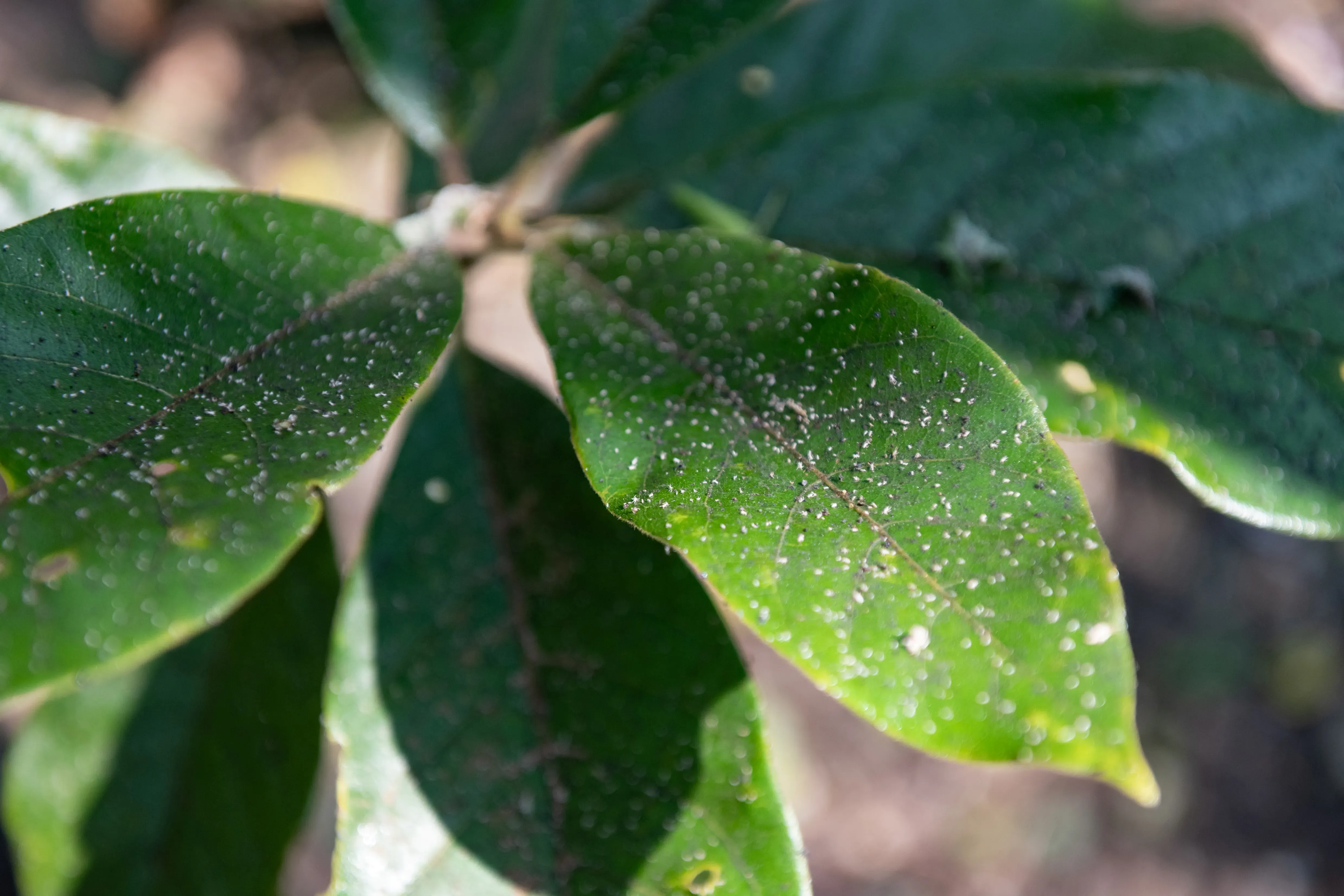
Kon Tum Green Energy is a subsidiary of An Viet Phat, one of Viet Nam’s largest wood pellet exporters. Trade records before April this year indicate that most of the facility’s production was shipped to South Korean buyers, including Shihung Global.
According to a 2022 report by a South Korean NGO, An Viet Phat was also a supplier to major South Korean corporations, including Samsung C&T, SGC Energy, Shinhung Global and Hyundai LIVART.
Three years ago, Mekong Eye reported that An Viet Phat lost its FSC certification over fraudulent practices. Korean media reported that the company had faced complaints from residents living near another of its plants in northern Viet Nam over dust pollution. An Viet Phat did not respond to an interview request.
State media has also reported multiple cases involving dust and emissions at pellet plants across the country, regardless of the scale.
No published epidemiological study has assessed the public-health impacts of Viet Nam’s pellet manufacturing industry. But research from the United States, where pellet plants have also faced community opposition, suggests such concerns may warrant closer scrutiny.
A 2023 study published in Renewable Energy found that pellet production releases fine particulate matter, volatile organic compounds, nitrogen oxides and other hazardous air pollutants. Exposure to these pollutants has been linked to asthma, bronchitis, respiratory irritation, cardiovascular disease and premature death.
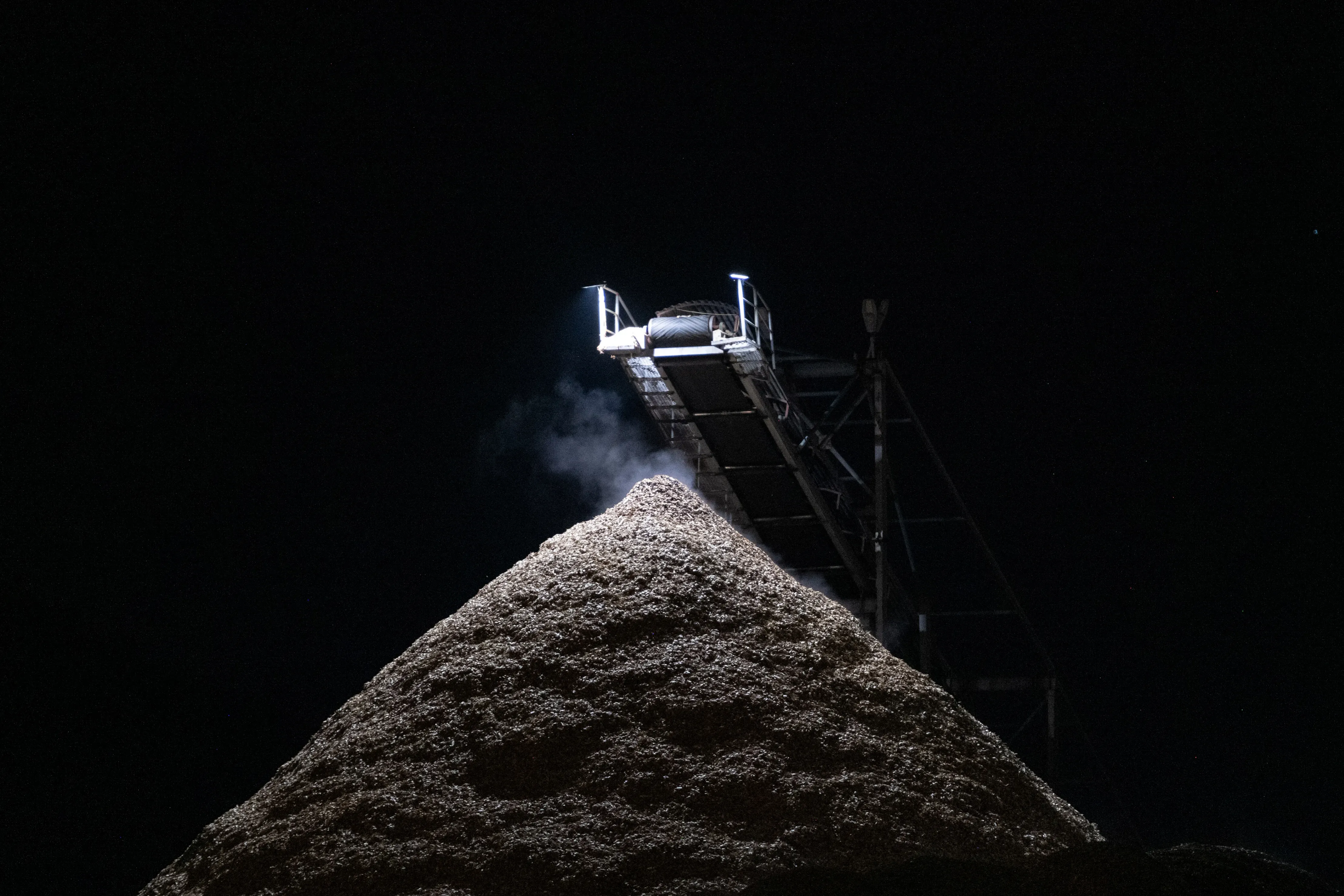
In Quang Ngai province, Nang Luong Sang Tao A Chau, known as Asia Creative Energy (ACE), has faced years of complaints from residents over dust and emissions. According to Japanese import-export records data, the company is one of Viet Nam’s leading pellet manufacturers and supplies Japanese corporations, including Itochu, Mitsui and Sumitomo.
In May, local authorities ordered ACE to temporarily suspend operations and review its air-pollution control systems.
Tests conducted by local authorities found carbon monoxide concentrations from the plant’s drying system exceeded legal limits, with one sample measuring 1.43 times the standard and another 1.06 times. Carbon monoxide is a colorless, odorless gas that can cause chest pain, impaired vision and reduced cognitive function, and can be fatal at high concentrations.
According to state media, the inspections took place after the company had prior notice and while the factory was operating at only 75-80% of capacity.
Authorities said the white plumes emitted from the plant were primarily water vapor generated during the wood-drying process and noted that Viet Nam has no regulatory standards governing water-vapor emissions. ACE did not respond to a request for comment by the time of publication.
It is unclear what fuel is used to generate heat for the drying process in the pellet factories in Viet Nam.
However, Professor Philip S. Stevens, Indiana University in the US, explained that other volatile organic compounds emitted from the combustion source may be more difficult to measure and could be responsible for the odor and eye irritation reported by residents.
Air-quality experts consulted by the reporter, who requested anonymity, said elevated carbon monoxide levels could indicate incomplete combustion or suboptimal operating conditions.
They also noted that the results were assessed against Viet Nam’s older industrial emissions standard rather than stricter regulations that took effect in mid-2025. While particulate matter concentrations complied with the older standard, they exceeded the limits under the new regulation by a substantial margin.
Regulatory loopholes
Despite years of complaints from communities living near pellet mills, pollution from pellet production remains largely invisible in the sustainability frameworks that govern the biomass trade.
In March 2026, Mighty Earth and other groups campaigning against industrial woody biomass wrote to Japan’s Ministry of Economy, Trade and Industry (METI), urging it to strengthen safeguards in its Feed-in Tariff (FIT) program to protect natural forests and communities affected by air pollution.
METI confirmed receipt of the letter, according to Roger Smith, Mighty Earth’s Japan Director. But when the ministry released its revised FIT guidelines the following month, the groups said their concerns had not been addressed.
“METI has not put in place restrictions that would prevent buyers from sourcing from facilities violating environmental laws, even as communities living nearby are getting sick from the pollution,” Smith said.
Advocates say similar gaps exist in South Korea, according to Solutions for Our Climate, a Seoul-based environmental organization.
Meanwhile, Viet Nam continues to promote pellet exports, which remain exempt from export taxes. While policymakers have focused on the legality and traceability of wood feedstock, regulations to control factory emissions remain limited.
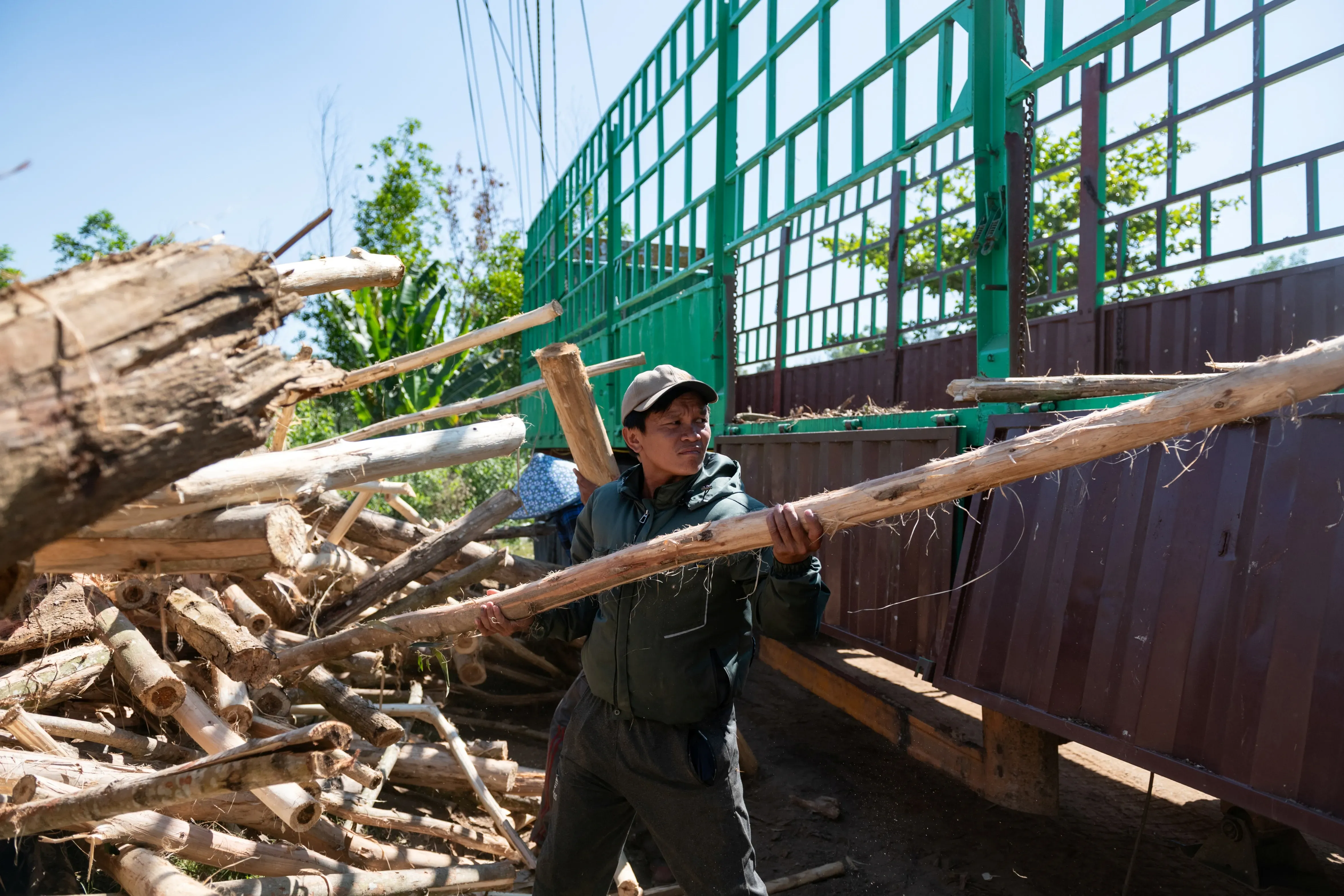
Under Vietnamese law, emissions data from factory monitoring systems are transmitted directly to provincial environmental authorities, which serve as both data recipients and regulators. The system lacks independent verification, creating opportunities for data manipulation.
In March, authorities uncovered a nationwide fraud scheme involving environmental monitoring equipment suppliers and government officials. Nearly 160 of more than 300 monitoring stations inspected were found to have altered emissions data.
Among the companies implicated was Viet An, which supplies more than half of Viet Nam’s environmental monitoring equipment. Police alleged that the company modified monitoring devices and data-transmission systems to alter emissions results for client factories.
Authorities have disclosed only a limited number of the monitoring stations involved, despite the existence of a much larger network.
Demand that does not fade away
Even as Japan and South Korea scale back biomass subsidies, demand for imported pellets is unlikely to decline soon. Existing power plants, and those already approved or under construction, remain eligible for long-term subsidies.
“Most dedicated biomass plants in South Korea are only five to eight years old, so they will continue receiving substantial subsidies well into the 2040s,” said Hansae Song, Forests & Land Use Lead at Solutions for Our Climate.
A similar trend is observed in Japan, where post-Fukushima energy policies fueled a biomass boom.
Since 2019, Sumitomo has contracted with Enviva to supply 440,000 metric tons of pellets annually to a power plant in Fukushima, one of Japan’s largest dedicated biomass facilities. Many other large-scale plants have only recently begun operating or are still under construction.
“Once such plants start generating electricity, they can receive subsidies for 20 years,” said Katsuhiro Suzushima, of the Global Environmental Forum. “That means the total volume of biomass Japan needs to burn is still increasing.”
The sustained demand has helped propel Viet Nam’s pellet industry to record levels. Exports generated US$1.08 billion in revenue in the first 11 months of 2025, up 52% from a year earlier.
Viet Nam’s pellets are among the cheapest on the global market. Initially, producers relied on sawdust and other wood-processing residues, but rising demand from Japan and South Korea pushed the industry toward plantation-grown acacia trees.
As Mekong Eye reported in 2023, the sector’s growing appetite for acacia contributed to deforestation in parts of Viet Nam — an environmental cost largely overlooked by importing countries pursuing biomass as a climate solution.
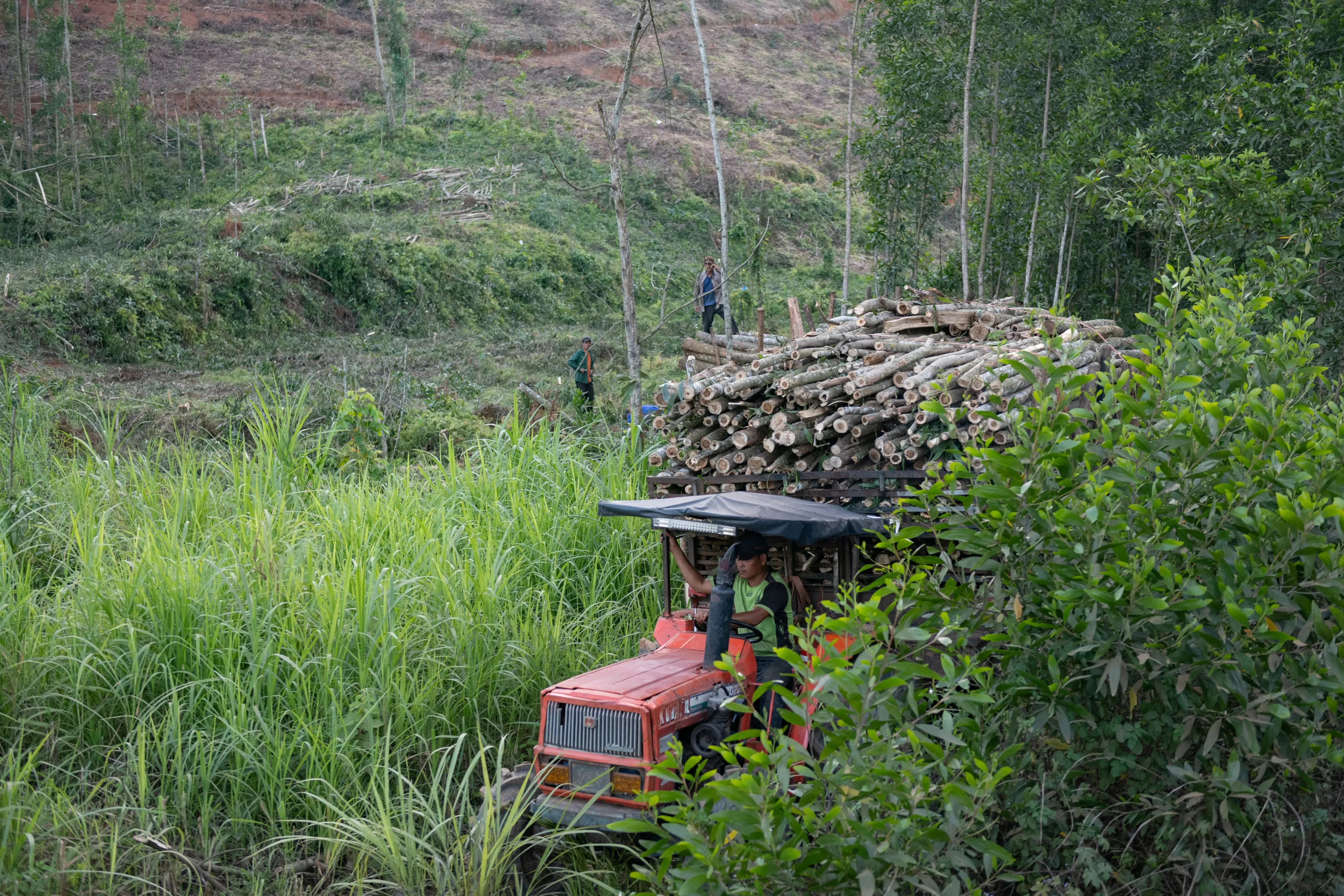
According to William Strauss, president of FutureMetrics, an independent wood pellet consultancy, cost pressures are intensifying. Unlike Japanese utilities, which often sign long-term contracts, South Korean buyers typically purchase pellets through contracts lasting six months to one year, forcing suppliers to compete repeatedly on price.
“The plants do not have to be a problem for nearby communities,” Strauss said. “But maintaining that standard requires investment. When buyers keep pushing prices down, producers have less capacity to invest in a well-designed and properly managed facility.”
Viet Nam also faces growing competition from Indonesia, where more abundant timber resources allow producers to undercut Vietnamese prices.
“It is a race to the bottom, not only in environmental standards but also in human rights,” said Amalya Oktaviani, of Trend Asia, an Indonesian-based environmental organization. “Indigenous communities are not suffering from pollution from these plants simply because they are built inside concession forests.”
A report by Trend Asia and partner organizations found that Indonesia’s pellet expansion has cleared tropical forests for feedstock and factory development, while nearby Indigenous communities reported polluted rivers and the loss of forest-based livelihoods.
“South Korea and Japan have built their biomass sector on the assumption that they can import fuel from Southeast Asia and North America without addressing the environmental impacts at home,” said Song, from Forests & Land Use Lead at Solutions for Our Climate. “That’s a classic textbook case of climate injustice.”
Rising shipping costs following the Russia-Ukraine war, further exacerbated by the current US-Israeli war in Iran, have pushed biomass buyers to source closer to home, making Southeast Asian suppliers increasingly attractive.
A continuous struggle
Back in Quang Ngai, residents are still waiting to see whether the suspension of the ACE pellet plant will bring lasting change.
“Our voice has only been partially successful,” said a 40-year-old villager living near the plant, who requested anonymity. Another large factory is already under construction nearby. “We will have to see what happens next.”
About 150 kilometers from Quang Ngai, residents in Binh Dinh have no idea if the dust will go away.
More than three years ago, they staged a week-long protest outside Ayobiomass’ Tin Nhan factory, sleeping at its gates to block wood trucks from entering. The protest eventually ended, not because their concerns had been resolved, but because sustaining it became impossible.
“When we left, the factory resumed operations with few changes,” Nhung recalled. “We have to work so we can’t [protest] again, and because it is truly exhausting.”
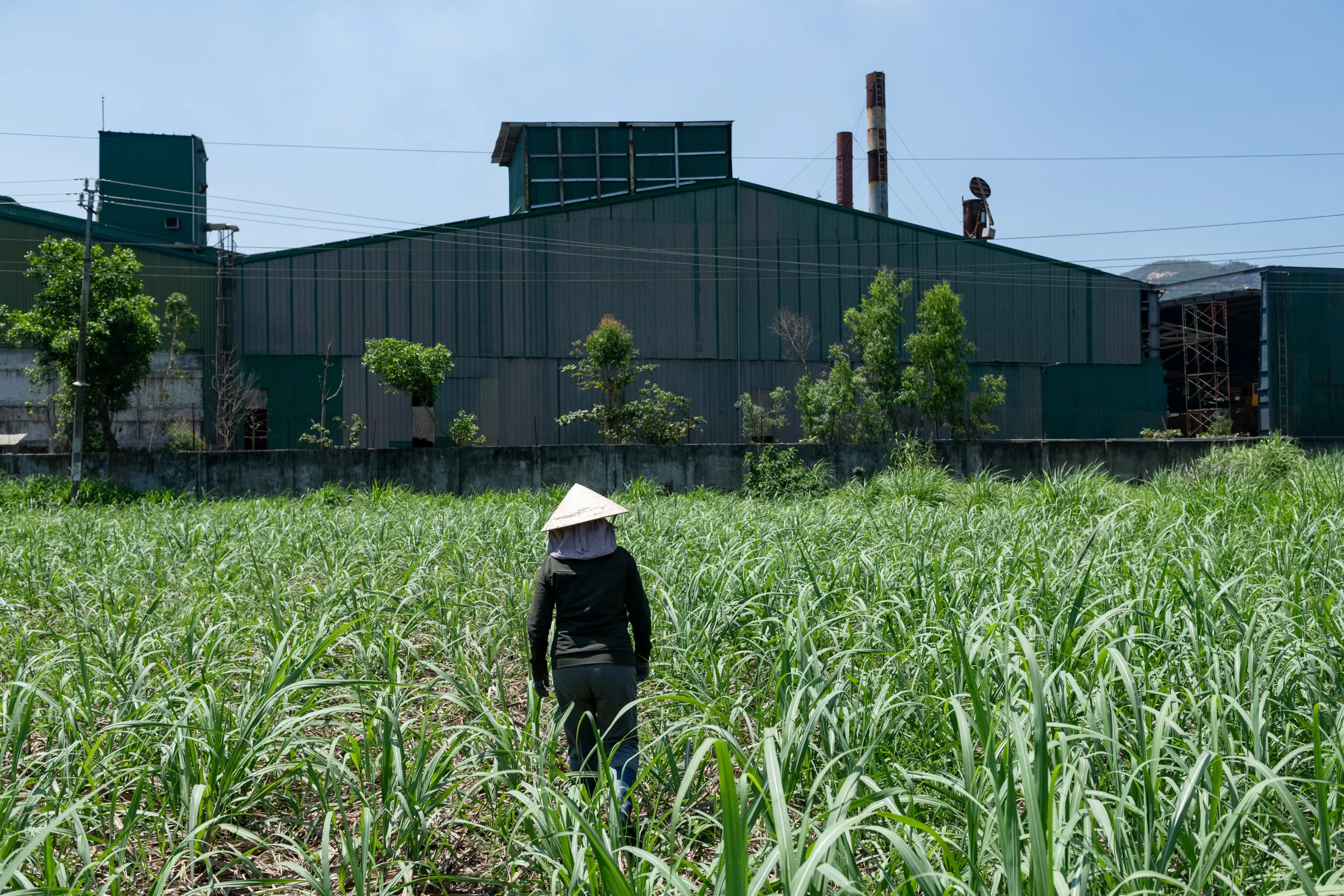
In March, an Ayobiomass representative met residents at a local home and said the company conducted environmental monitoring every three months, with the results submitted to provincial authorities as required by law.
“All indexes remained within safety limits,” the representative said. “We have tried to reduce [dust and noise], but pellet processing inevitably generates them. It is not unique to our company.”
He declined requests to provide copies of the monitoring reports or identify the contractor responsible for conducting the measurements.
As the plant’s machinery rumbled in the background, Nhung swept dust from her doorstep.
“You can tell,” she added, “while they are getting richer, we are the ones here, getting sick and paying the price.”
For now, the wood trucks keep arriving. So do the denouncements.