
Project
Chicago's Baltic Bond
Two Chicago journalists explore democracy, defense, and the economy in Lithuania.

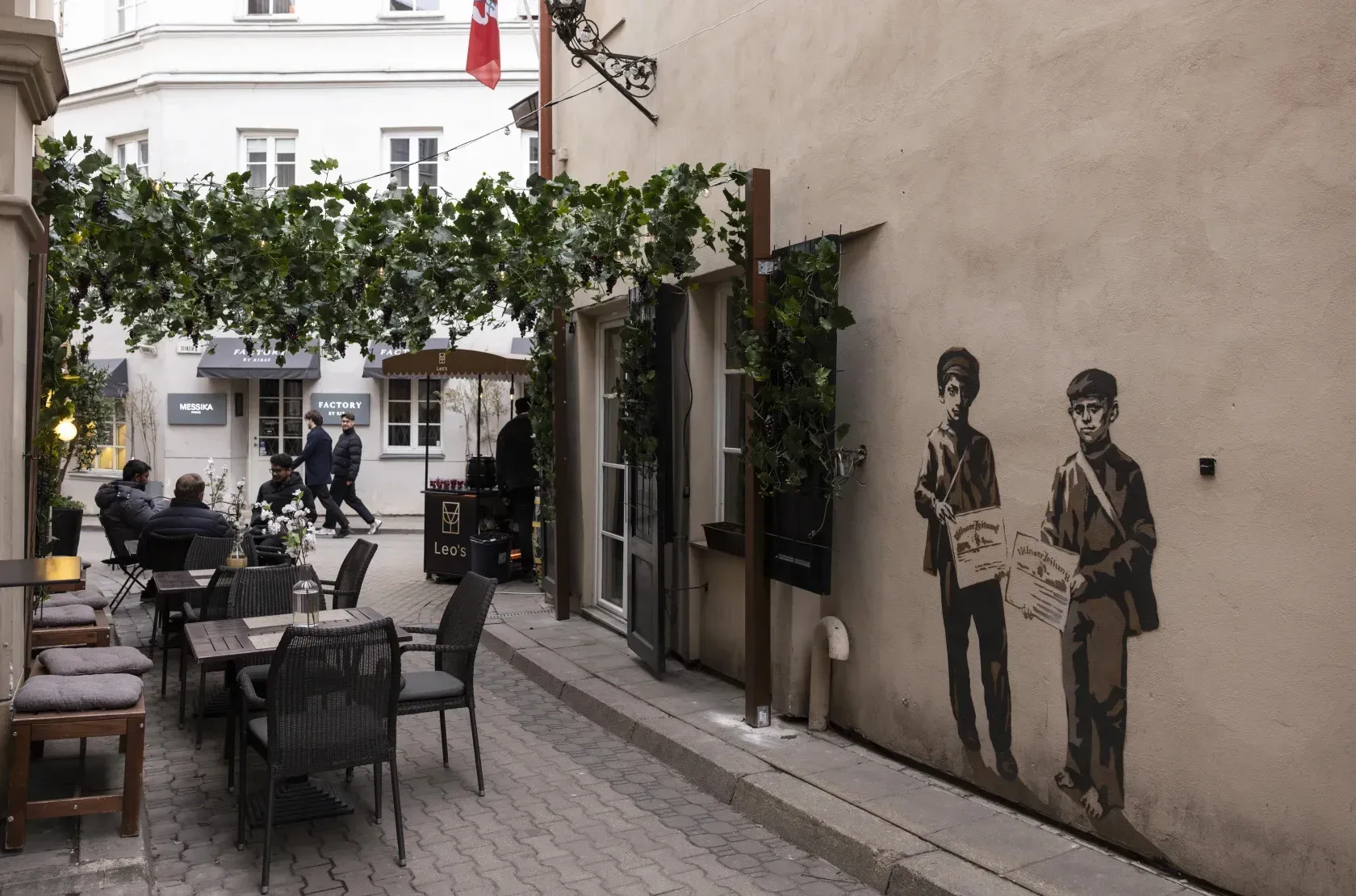
VILNIUS, Lithuania — If there’s one idea Viljamas Žitkauskas would like Americans to know, it’s that the deep roots of the Litvaks — Lithuania’s Jewish community — didn’t disappear in World War II.
Rather, Jewish culture and creativity lives on in those who stayed after the Holocaust and in those who’ve chosen to return, Žitkauskas tells tourists on his Jewish history tours.
Lithuania had a thriving population of Litvaks, whose members included Rabbi Elijah ben Solomon Zalman, the famous 18th-century Talmudic scholar and mystic; artist Marc Chagall, born in Belarus to a family with Litvak roots; and the forebears of musicians Bob Dylan and Leonard Cohen.
As a nonprofit journalism organization, we depend on your support to fund more than 170 reporting projects every year on critical global and local issues. Donate any amount today to become a Pulitzer Center Champion and receive exclusive benefits!
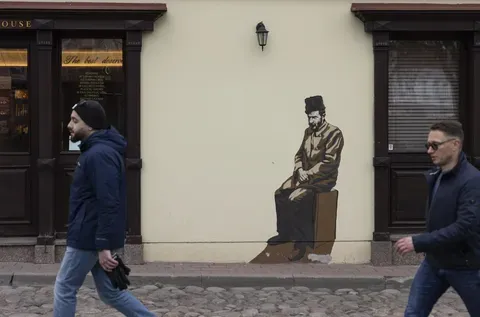
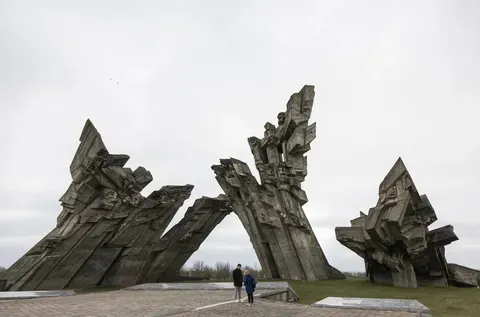
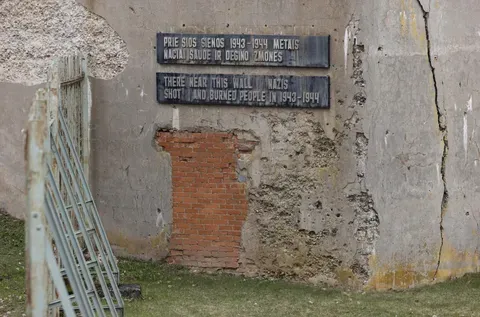
Up to 95% of Lithuania’s Jews, about 195,000 people, were murdered by Nazis and their local collaborators when Germany occupied Lithuania from 1941 to 1944. Many historians view the killings as the beginning of the Nazis’ “Final Solution,” the genocide of European Jews during World War II.
Žitkauskas, who helped found the Vilnius Reform congregation Bnei Maskilim, says many tourists come to Lithuania to hear about the Holocaust but end up learning that Litvak history didn’t end there.
“For many people, they are coming to see the graveyard, and they’re realizing that it’s not really that. It’s a Jewish community, and there are people living here today, and it’s a big surprise for them,” he says.
Jewish people arrived in the 1300s, when it was the power center of the Grand Duchy of Lithuania — a sprawling, multiethnic empire that stretched from the Baltic Sea to the Black Sea and included Lithuania, Belarus, most of Ukraine and parts of Latvia, Poland, Moldova and Russia.
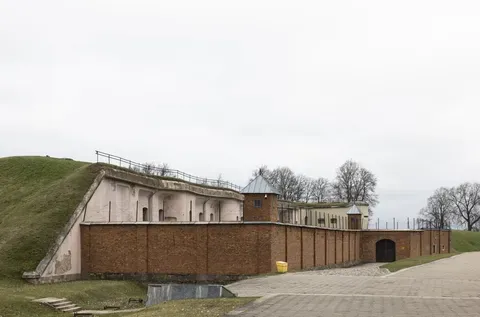
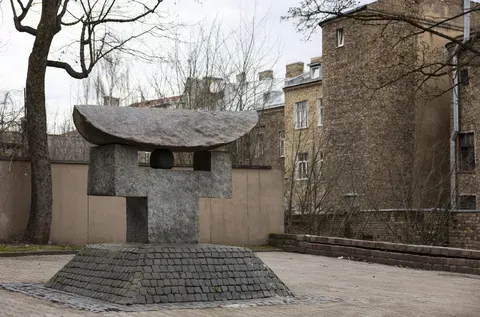
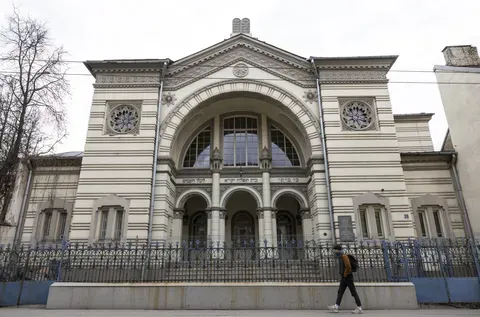
Signs of a Jewish presence are everywhere. Žitkauskas likes to point out the famous Vilnius Cathedral, adorned with figures of Moses, Abraham and Noah, Jewish figures from the Old Testament. Vilnius was also once called “the Jerusalem of the North.”
His family, with roots dating to the 1700s, escaped to Russia during the Holocaust but returned to Lithuania after the German army was driven out by the Soviets in 1944.
Žitkauskas was 10 years old when Lithuania declared its independence from the Soviet Union.
“I still remember the Russian tanks,” he says. “I’m still from the generation that really appreciates freedom.”
Žitkauskas offers tours for groups or individuals. His clients often hail from Israel, U.S., South Africa, Australia and Canada — places where Litvaks built new lives.
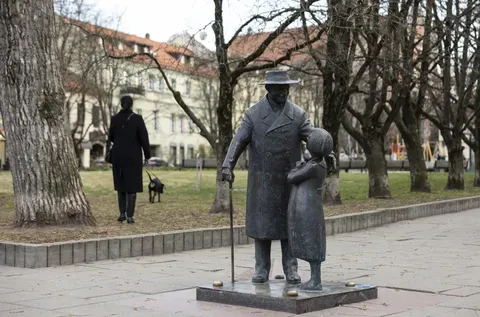
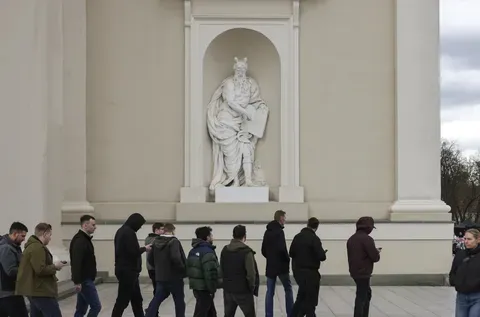
He tailors tours to visitors’ needs. If they’ve got old letters or diaries from ancestors who lived in the Baltic countries or Poland, he can take them to the places where their family members lived.
Some tourists want to dig into the history of famous Orthodox rabbis. Others want a more secular experience, like learning about Jewish art or comparing Lithuanian potato pancakes to the ones their Ashkenazi grandmother used to make.
“It’s very dependent on the needs and thoughts of customers — what they’re searching for,” he says.