Pulitzer Center Update July 3, 2026
On Its 250th, Who Does the U.S. Want To Be?
Country:


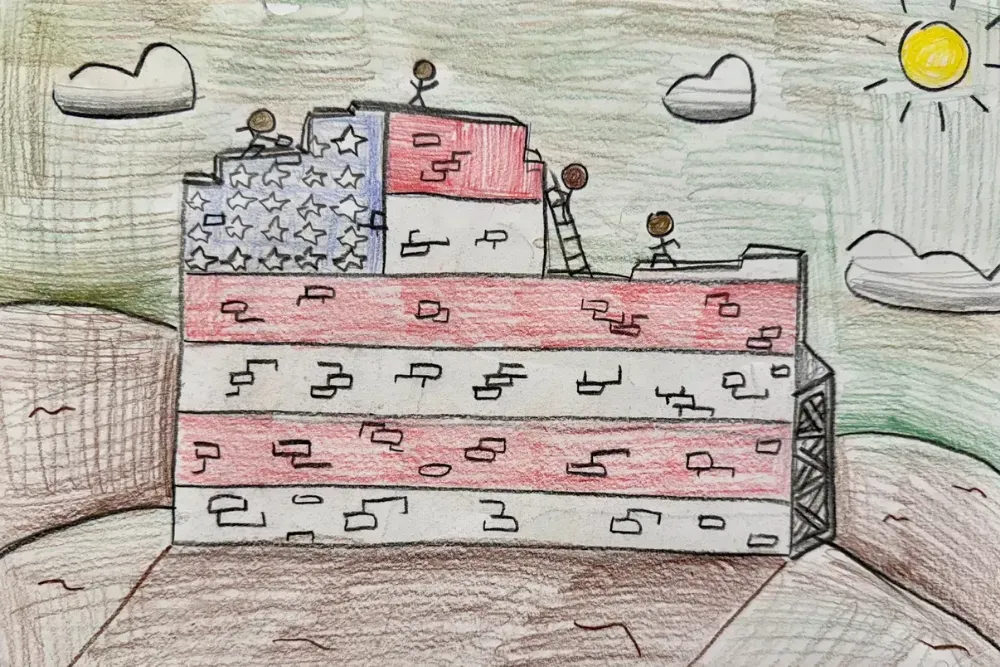
“I love America more than any other country in the world, and, exactly for this reason, I insist on the right to criticize her perpetually.”
– James Baldwin
This Fourth of July is marked by the additional U.S. commemoration of the 250th anniversary of the signing of the Declaration of Independence.
While this is commonly recognized as the nation’s founding, The 1619 Project challenges us to consider multiple pivotal dates in America’s origin story: starting with 1619, when the first captured Africans were sold to British colonists in Virginia, marking the beginning of the system of enslavement that shaped the country. The Pulitzer Center's 1619 Education work asks us to question which moments—and consequentially, people—we consider foundational to U.S. history. This anniversary is cause for all Americans to reflect on our history and the future we want to build together.
“We hold these truths to be self-evident, that all men are created equal, that they are endowed by their Creator with certain unalienable Rights.” Forefront on our minds at the Pulitzer Center is protecting those “unalienable rights” through journalism and civic engagement. The First Amendment—protecting the right to freedom of speech, the press, religion, assembly, and to petition—is under pressure. The Founding Fathers included the Bill of Rights in the Constitution to protect the people from tyranny or aristocracy. These rights require ongoing, vigilant protection, and we believe journalism has the power to question authority and safeguard the public interest.
We’re celebrating the holiday with initiatives and events, including:
Defining Democracy is a 1619 Education initiative offering virtual events and digital resources to help educators teach about U.S. democracy by examining historical narratives, acknowledging Black Americans’ contributions to history, and exploring the lasting legacies of slavery in our democracy today. The next professional development webinar, “Defending American Democracy,” is Monday, September 14, 2026, at 4:30pm EDT.
The Pulitzer Center’s annual Fighting Words Poetry Contest each spring, and Local Letters for Global Change each fall, invite youth worldwide to explore how journalism can inspire connection and civic engagement with pressing global issues. On Thursday, July 30, 2026, at 3:00pm EDT, the Center will host the virtual event “Poetry and Civic Voice,” which invites U.S. student winners and finalists from the past nine cycles of the Fighting Words Poetry Contest to share journalism-inspired poems connected to the themes of democracy and human rights.
Over the past year, the Pulitzer Center has deepened its exploration of the role that journalism can play in strengthening civic engagement in the United States, including our first call for microgrants to civil society organizations; the launch of a digital storytelling accelerator program for climate reporters; and the second year of our StoryReach U.S. Fellowship. The Fellowship is a reporting and engagement lab where journalists hosted at local or regional news outlets in the U.S. work together to innovate on high-impact projects that combine breakthrough reporting and effective audience-centered public outreach.
Reflections from our inaugural cohort outline how Fellows utilized digital campaigns, in-person events, and more to extend the reach of their reporting to key audiences in the U.S. Inaugural StoryReach Fellow Ashton Pittman’s project resulted in a follow-up story this spring analyzing the ongoing challenges Mississippi voters face in finding their correct polling locations.
Since launching in August 2025, the StoryReach Midwest cohort has published reporting on plastic pollution in the Great Lakes; connections between pesticide use and cancer rates in the Midwest; the impact of rising temperatures on Michigan’s Latino work force; and how addiction treatment centers in Minnesota are impacted by the One Big Beautiful Bill. While still reporting and publishing, Fellows have also actively engaged their local and regional audiences through outreach like panels, focus groups, and strategic mailer campaigns to share data and resources with impacted regions.
In addition to StoryReach, Pulitzer Center-supported reporting also exposes human rights issues in the U.S., such as the immigration crackdown under the Trump administration. In The Arrest That Shook Froid, grantee Nora Mabie documented how a small, conservative Montana town reacted when a beloved longtime resident was arrested by Border Patrol. Reporting Fellow Anna Oakes profiled an immigrant veteran who has been unable to gain citizenship while in service and now fears deportation. Grantee Aaron Glantz covered a veteran who faces up to six years in prison for participating in a protest against Immigration and Customs Enforcement (ICE). And in “Analysis: The First Amendment Under Pressure in Immigration Coverage,” grantee Jackie Spinner examines how the current immigration climate has created new challenges and risks for journalists.
All of these stories and initiatives highlight the critical role that journalism can play in supporting the understanding and civic engagement central to a thriving democracy. They invite critical questions: Who do we want to be as a country? On the 250th anniversary of the document outlining a vision for democracy, how does our current moment reflect the values and ideals we set back then? Where do we go from here? These questions are as rich and divisive as ever.
Freedom of expression protects space for national dialogue, no matter your beliefs. If we truly want a democracy by the people, for the people, it’s our job to protect it. At the Pulitzer Center, we aim to do that by keeping audiences informed, curious, and engaged.
Happy 4th,
Grace Jensen
Digital Production Coordinator
Fareed Mostoufi
Associate Director of K-12 Education
This message appeared in the July 3, 2026, edition of the Pulitzer Center's weekly newsletter. Subscribe today.