Technology and Hindu nationalism have led to a rise in superstitions.
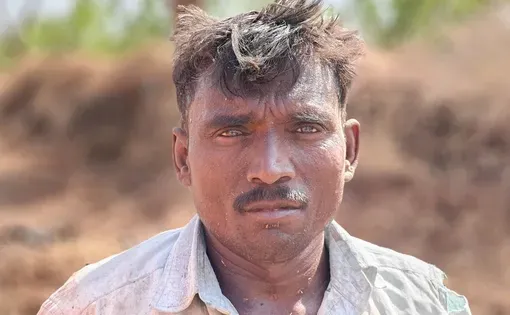
Pimpalgaon Sarai village in Maharashtra’s Vidarbha region has more migrant families than original residents. They’re drawn to a dargah here that they believe holds out miracle cures for mental ailments
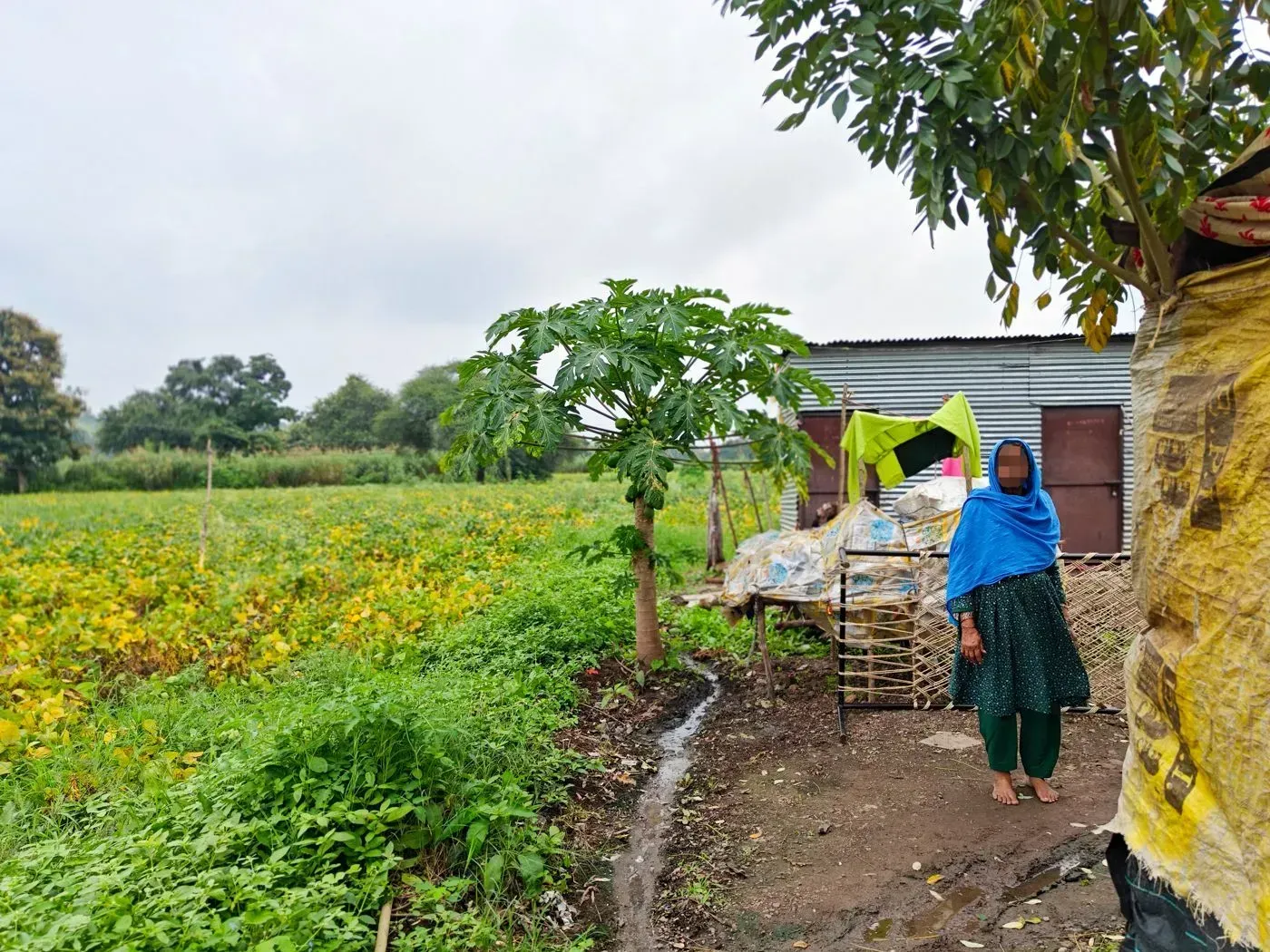
Asma Khan, 75, travelled over 100 kilometres in search of a magical remedy to treat a daughter afflicted with severe mental health issues. It has been over 12 years, but both mother and daughter are yet to return home.
Born to a family of labourers in a village of Sambhaji Nagar (formerly Aurangabad) district in Maharashtra’s Marathwada region, Fatima had a troubled youth. She suffered from acute dizzy spells, which often left her unconscious. This progressively worsened and triggered violent episodes too.
“We spent years taking her from one doctor to another,” says Asma. “We sold our livestock to treat her, but nothing worked. Her condition kept deteriorating and we could tell she was losing her grip on reality.”

As a nonprofit journalism organization, we depend on your support to fund more than 170 reporting projects every year on critical global and local issues. Donate any amount today to become a Pulitzer Center Champion and receive exclusive benefits!
One day, Fatima stopped recognising anyone and fell into a deep depression. She was already in her early thirties, and her parents were running out of options. Her sinking mental health perplexed her mother and father, who also had to worry about fixing the family’s next meal.
“She would tear apart her clothes, and we didn’t know how to control her,” Asma recalls. At which point, a neighbour made an out-of-the-box suggestion.
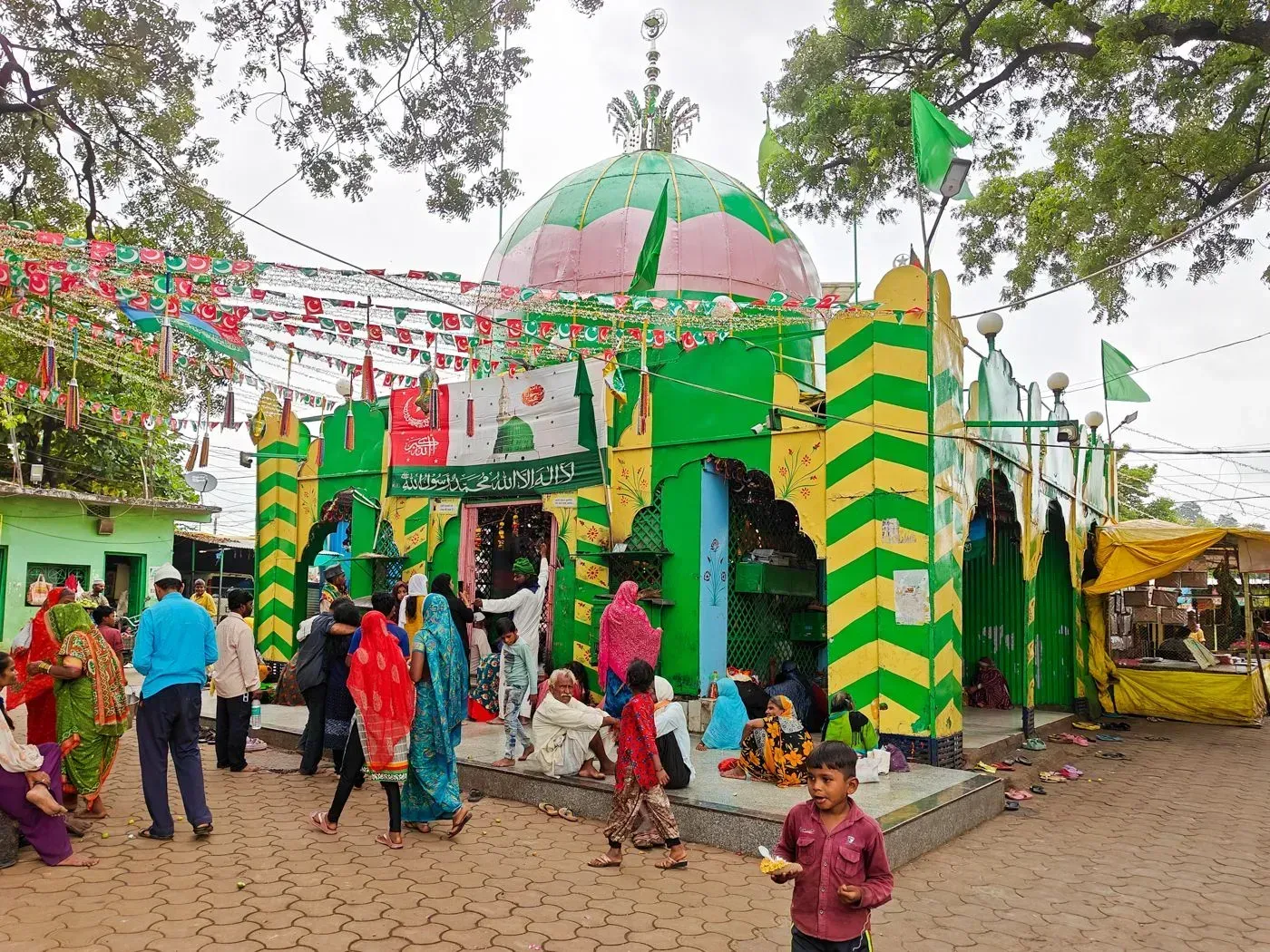
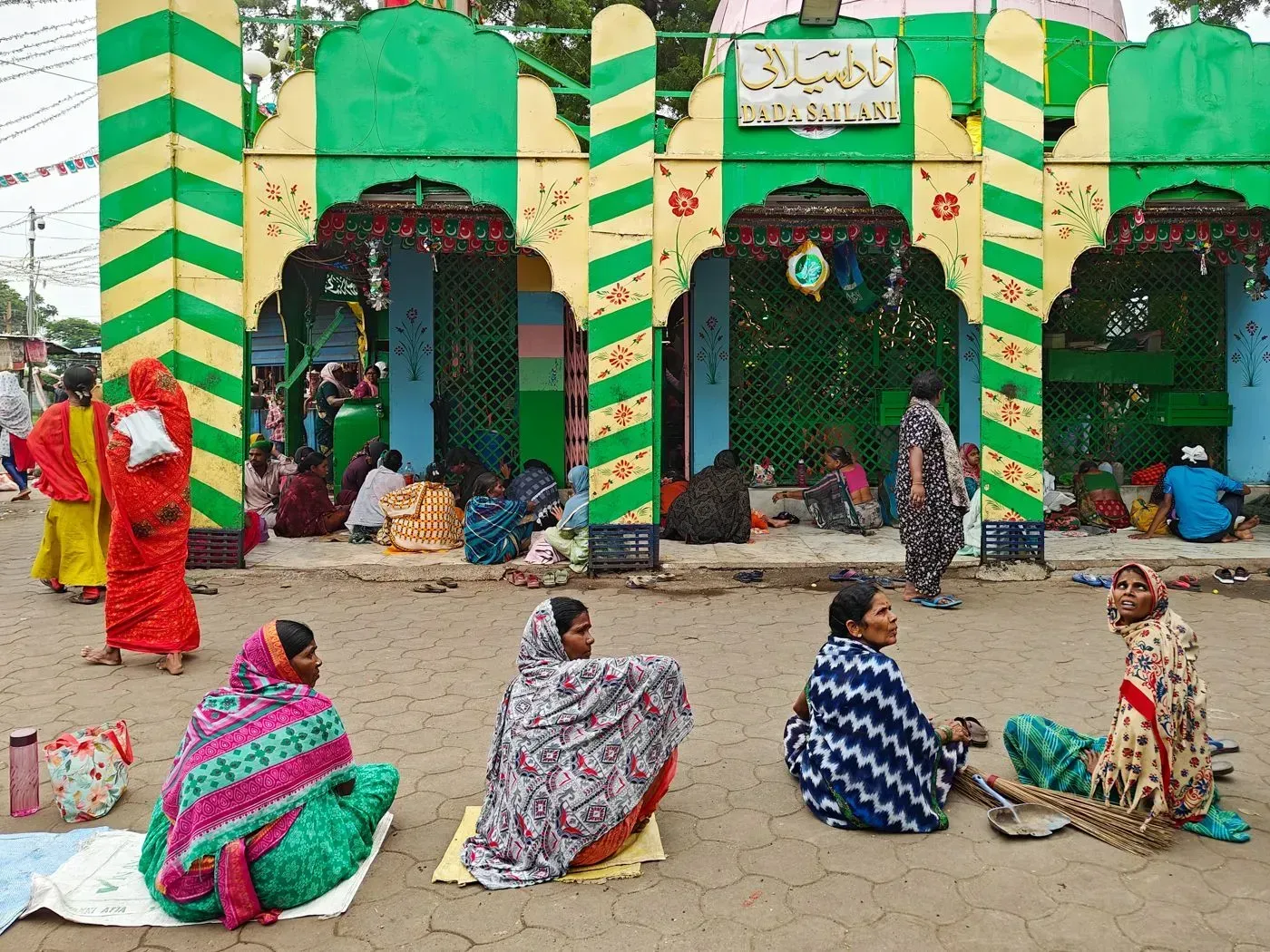
Over 100 kilometers away from their own village lies another, with a shrine that’s around 117 years old. As the legend goes, Hazrat Haji Abdur Rehman Shah, aka Sailani Shah Baba, came to Pimpalgaon Sarai around the late 19th century. This village is about 20 kilometres from Buldhana town in the Vidarbha region. Sailani Baba had the reputation of freeing people "possessed by evil." And the dargah built here in his memory came up in 1908 — the year he passed away.
Since then, an annual Urs festival is celebrated in March, which is attended by lakhs of devotees.
For years, people from all faiths across Maharashtra have been traveling to the shrine built in Sailani Baba’s memory in this village because it is believed to have "healing powers." While the trust that governs the shrine dedicated to Sailani Baba runs only on the donations it receives, the place is rife with small-time independent godmen in the vicinity, who take advantage of the circumstances and extract money from poor people.
Families leave their homes and farms behind, settle down in the village and surrender themselves to the shrine. Pimpalgaon Sarai, with a population of nearly 5,000 people, today has more migrants than locals. Here, at least one person in each migrant family is struggling with a severe mental health issue.
Asma and her husband, Hussain, arrived here 12 years ago, hoping to find a cure for Fatima. They rented a one-room hut covered with a tin roof, near a farmland. Hussain would never see his home in Aurangabad again.
When Fatima first came to Pimpalgaon Sarai, she was chained to the trunk of a tree right across the green-coloured shrine of Sailani Baba. “She even relieved herself where she was chained,” Asma explains. “I have spent my life cleaning up after her.”
But after spending a decade like that, things started looking up in 2022.
Dr. Gargi Sapkal, 28, a native of Buldhana, has organised health camps in the area — one of them in Pimpalgaon Sarai. “During that camp, I realized the mental health issues here are very serious,” she said.
Sapkal’s Mathrubhumi Foundation then tied up with Andhashraddha Nirmoolan Samiti (ANIS), an anti-superstition organisation, and the Parivartan Trust. Together, they started a full-time outpatient department for people with mental health issues at the village clinic.
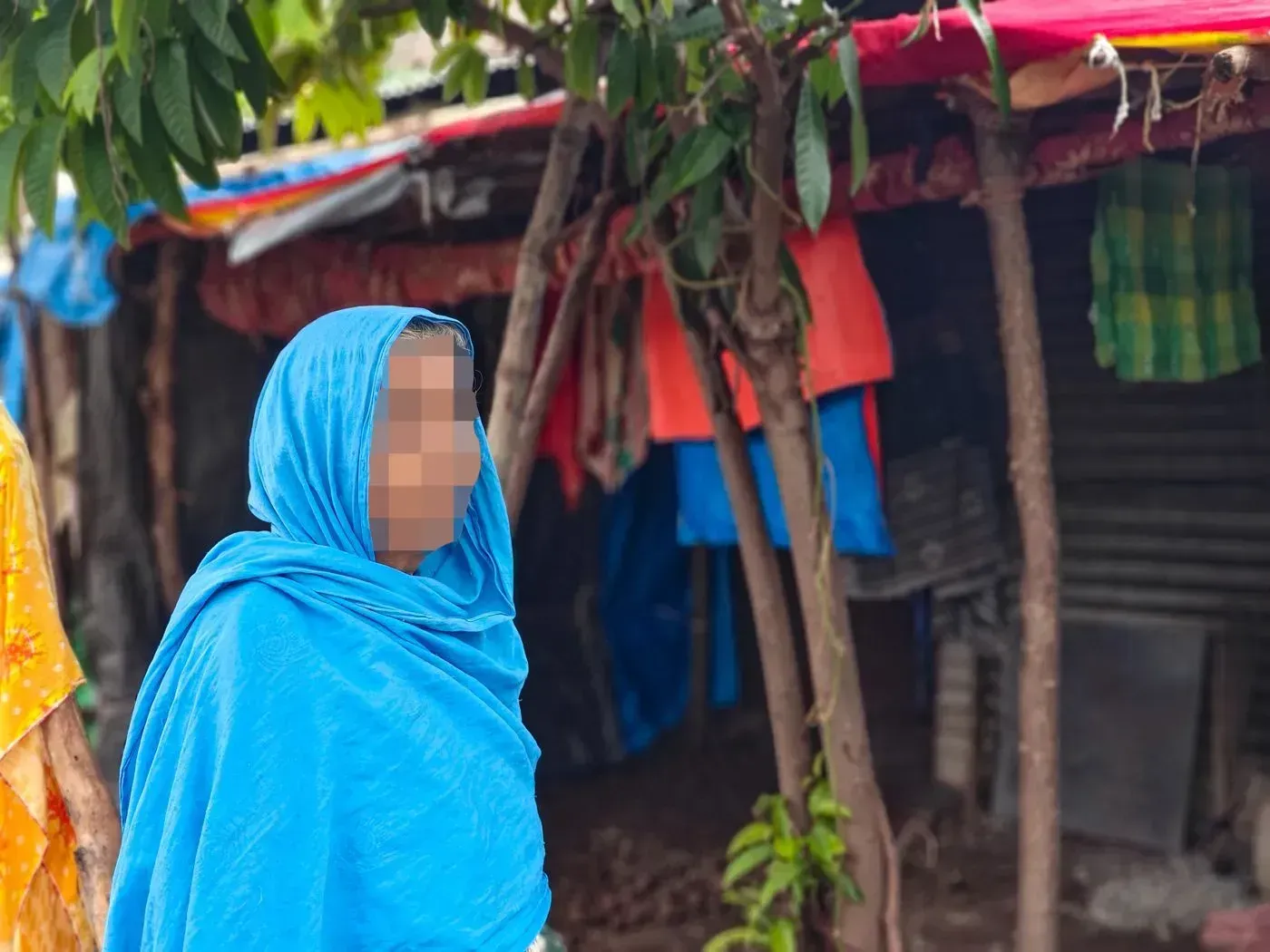
Hamid Dabholkar, a psychiatrist and a leader of ANIS, realized that was the only way to usher a change in this parallel universe, where families have been wasting decades and limited resources in chasing a remedy that didn’t exist. Pimpalgaon Sarai — known as the village of mental health patients — needs recurring medicines and attention.
“There is still extreme ignorance about mental health in our society,” Dabholkar says. “People continue to believe that a supernatural power is behind some of the mental ailments. It is a combination of lack of awareness, taboo, and a shortage of experts.”
The three organisations that came together in Pimpalgaon Sarai decided to name their initiative as the Dawa-Dua (medicine and prayer) Project. They were cautious and did not want to appear like they were at any point questioning the healing powers of Sailani Baba.
“You can’t challenge that belief and alienate people,” says Dabholkar. “Our approach is to tell them to carry on with their faith but also accept medical intervention on top of it.”
When Sapkal first reached out to people in the village, they would show her their files detailing the treatments patients from their families had received over the years. “Due to lack of information or lack of follow-up, the medical treatment had not worked for them,” she says. “That completely destroyed their faith in such treatment. For the initial few months, we would just go and listen to them to slowly gain their trust.”
Asma was among the first to make that leap of faith. Her husband, Hussain, had passed away after a paralytic stroke a few years ago, leaving her alone to tend to Fatima. He was in his 70s.
“I had nothing to lose,” she says. “My daughter couldn’t get worse. So I trusted the medicines blindly.”
The ones accepting medical help are those who have done so in desperation, but have gained from it. There are many more, though, who resist and make the job of the medical activists difficult.
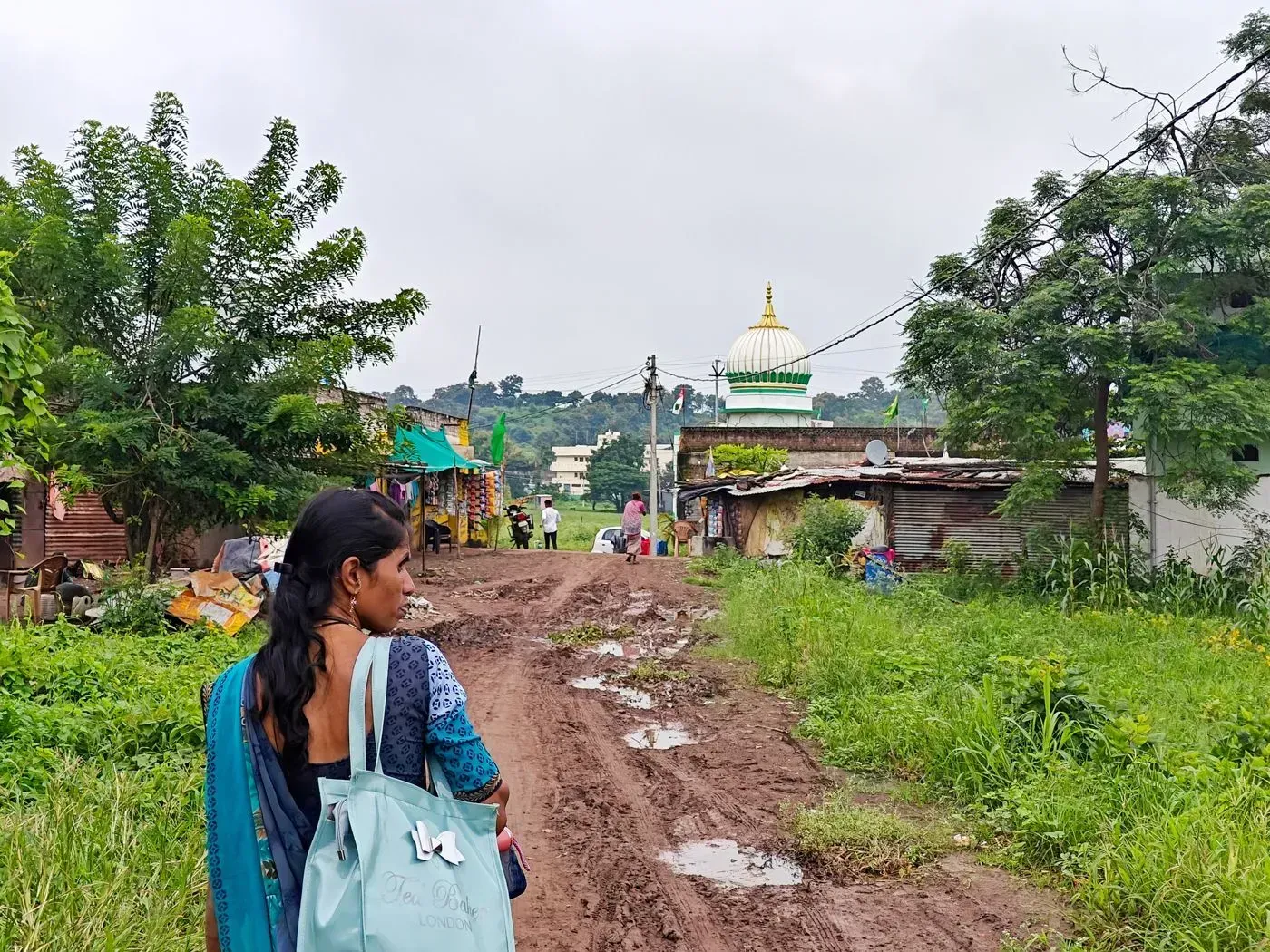
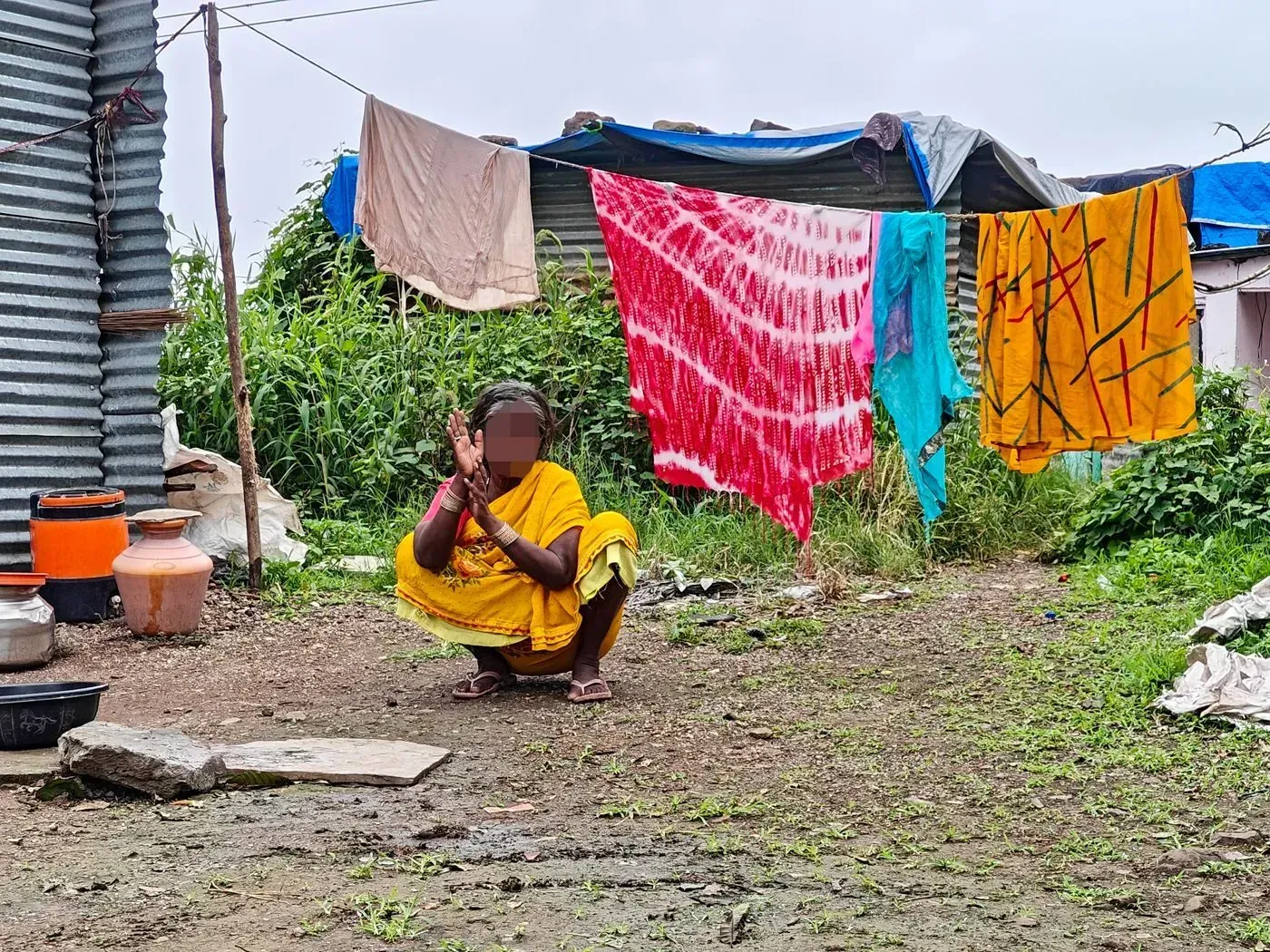
Umabai, in her late 60s, has been living in Pimpalgaon Sarai for nearly six years. She first decided to come here because of her recurring health issues. Her one-room hut is right across Asma’s. The two hang their clothes under the open sky on the same rope connecting their houses. “My village is in Jalgaon about 60-70 kilometres away,” says Umabai. “I go back once in a while to meet my family.”
However, whenever she goes back home, Umabai says, her body starts hurting and her head starts spinning. “I feel better the moment I am back here,” she says. “Baba is not letting me go.”
Sonali Kardal, who lives in Buldhana and anchors the Dawa-Dua Project, has tried getting her on medication. But Umabai believes she would be able to head back home permanently only when the Sailani Baba releases her. “For many patients here, the Baba tells them what to do in their dreams,” Sonali explains. “Even if we respect their feelings towards the shrine and try to convince them to seek treatment on top of it, it doesn’t work with many people.”
Sonali and her team have faced hostile rejections from families in Pimpalgaon Sarai. They have even been accused of sabotaging the mental health of patients. “We can only keep persisting,” she says. “We expect pushback.”
So far, they have managed to treat more than 600 patients in the village — many of whom have completely healed and returned home. Others remaining in treatment in the village do so to benefit from Sonali’s consistent follow-ups.
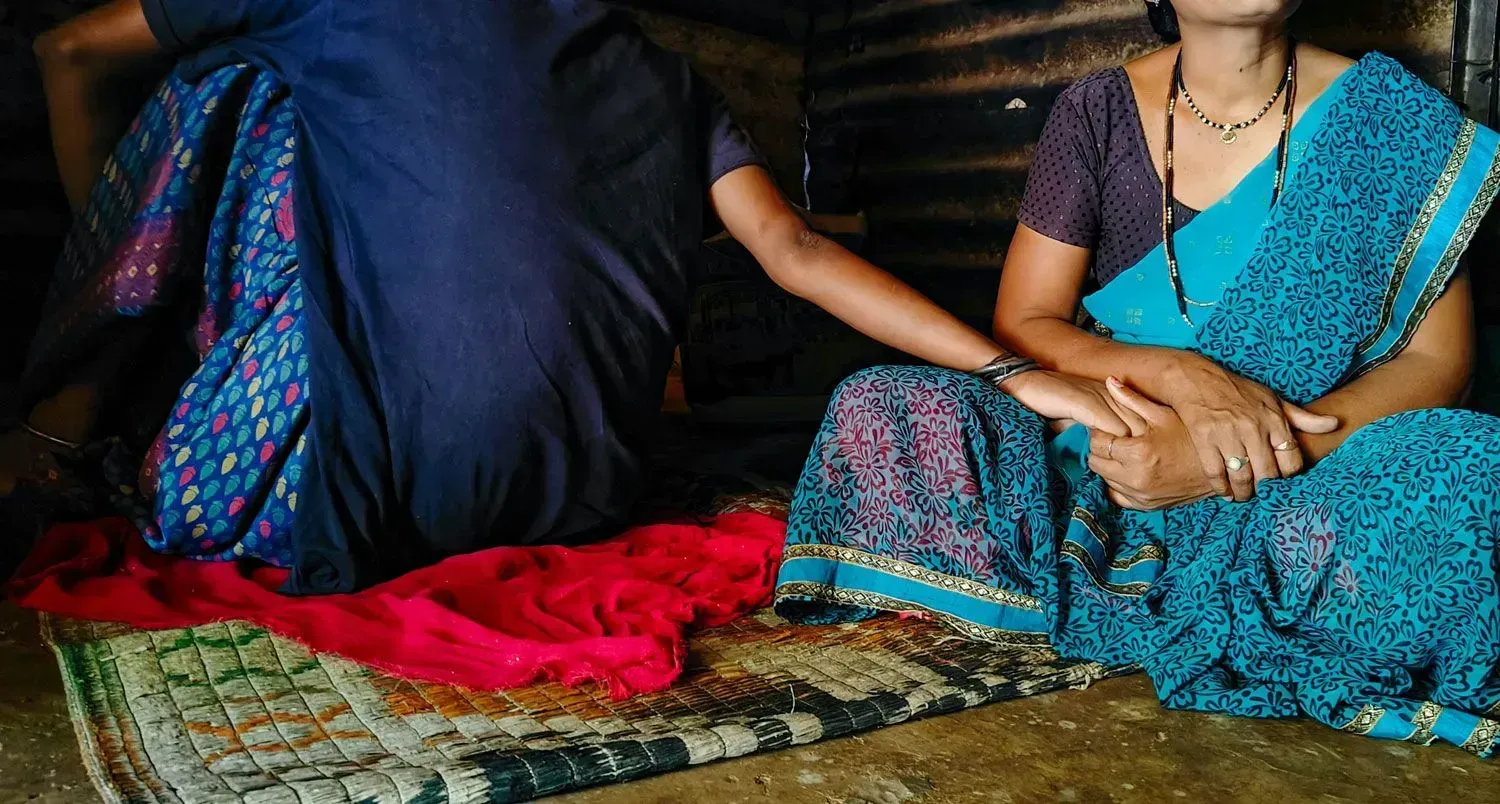
Among them is 18-year-old Ashish. He sits with his back towards Sonali when she walks into his dimly lit, hay-covered hut. His mother, Savita, 45, holds his hand and speaks to us.
Ashish had been a sharp student in his village school back in Akola district — a four-hour drive from Pimpalgaon Sarai. He was like any other boy — loved taking selfies and was excited about wearing shades. Four years ago, he was a victim of what appears to have been a ragging incident. One that turned his life upside down.
“A group of kids had been picking on and troubling him,” Savita says, adding that one evening, all of them sat on him and he began to suffocate. “He couldn’t breathe and his hands and legs were stuck.” Panic-stricken, he tried to wriggle out from under the pile of kids on top of him. “He bit the hand close to his mouth and managed to come out of it.”
The next day, the kid whose hand he had bitten sent his father to the school. The father threatened Ashish and behaved arrogantly with Savita. Ashish has been in shock ever since.
“He lost his voice after that incident,” Savita says. “He stopped speaking.”
When the psychiatrists in Akola couldn’t help Ashish get better, Savita and Nikita, 22, Ashish’s elder sister, brought him to the shrine of Sailani Baba and settled here.
Savita receives a Rs. 1,500 widows’ pension from the government. One third of it goes towards the rent for the hut she stays in. And, like other migrants in the village, she depends on foodgrains provided to the families here via different NGOs.
“Our farmland back home is gathering dust,” Nikita says. “My father passed away when we were young, and our relatives don’t quite help us out.”
Nikita has had to drop out of college to help her mother in taking care of Ashish. “He hasn’t yet recovered from that traumatic experience,” Sonali explains. “We have to be consistent with his treatment.”
But Ashish throws away the pills when they are handed over to him. He doesn’t speak much. He expresses himself through hand gestures and touch. His mother and sister clandestinely try to sneak medicines into his food and water. It remains an everyday struggle.
Fortunately for Asma, her daughter Fatima didn’t resist her medicines. After nearly three years of consistent treatment, she is no longer chained to the tree in front of the shrine. Her violent episodes seem a thing of the past. She cleans after herself and even helps Asma in the kitchen.
“She even goes to the medical store and brings her own pills,” Asma proudly says.
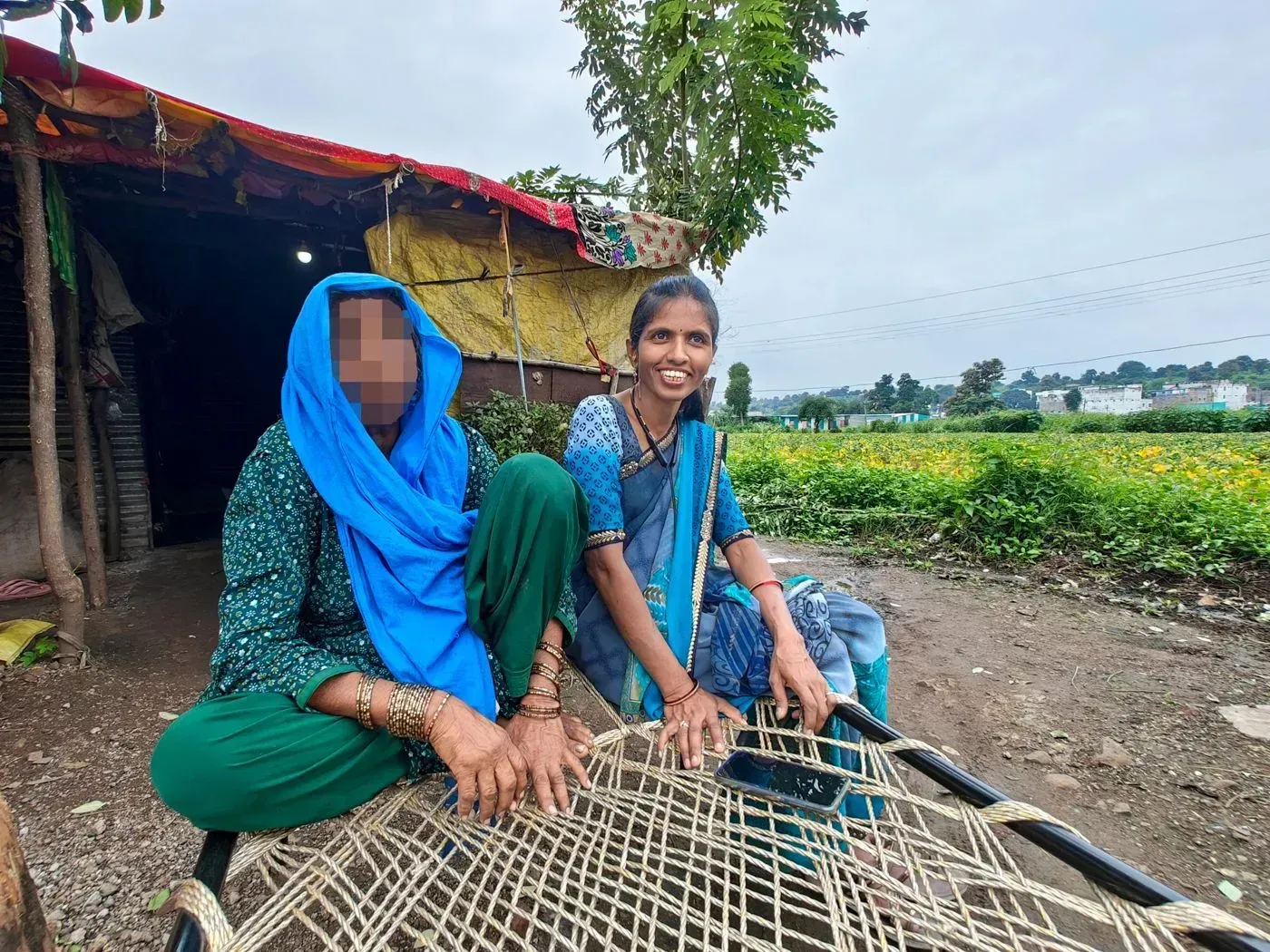
The transformation of her daughter has made Asma an ally of the Dawa-Dua Project. She often helps Sonali convince other families in the village to get treated for their mental health issues. “The problem is that we don’t acknowledge what we don’t know. If someone knows more than us, we should listen to them,” Asma adds. “My daughter spent 10 years chained in front of the shrine. But she improved only after proper medical intervention.”
Fatima’s recovery has made Asma long for her home in Aurangabad. Her other two sons visit them once in a while, but she wants to spend the last few years of her life where she lived the longest. “I don’t have many years left,” she says. “I’d like to die in my own home.”
Fatima is the only factor holding her back. Asma fears a move back home would interrupt her treatment and trigger a relapse. She can’t risk it. Being a hundred kilometers away could hamper her follow-ups. “I have spent my life looking after my daughter,” Asma says. “I want to see it through.”
PS: The names of mental health patients in the story have been changed to protect their identity.
Credits
- Author: Parth M.N.
- Editor: P. Sainath
- Photo Editor: Binaifer Bharucha