Story
 July 1, 2026
Brands Invested in Controversial Carbon Offsets Earn Climate Label
Country:

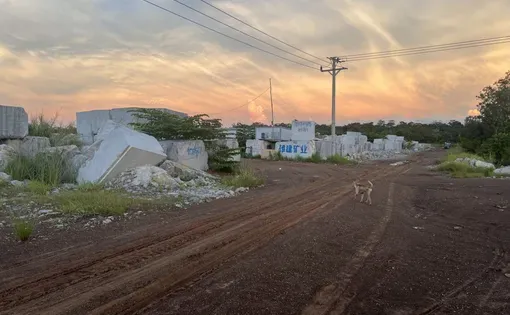
Despite international criticism, carbon offset projects push forward in Cambodia.

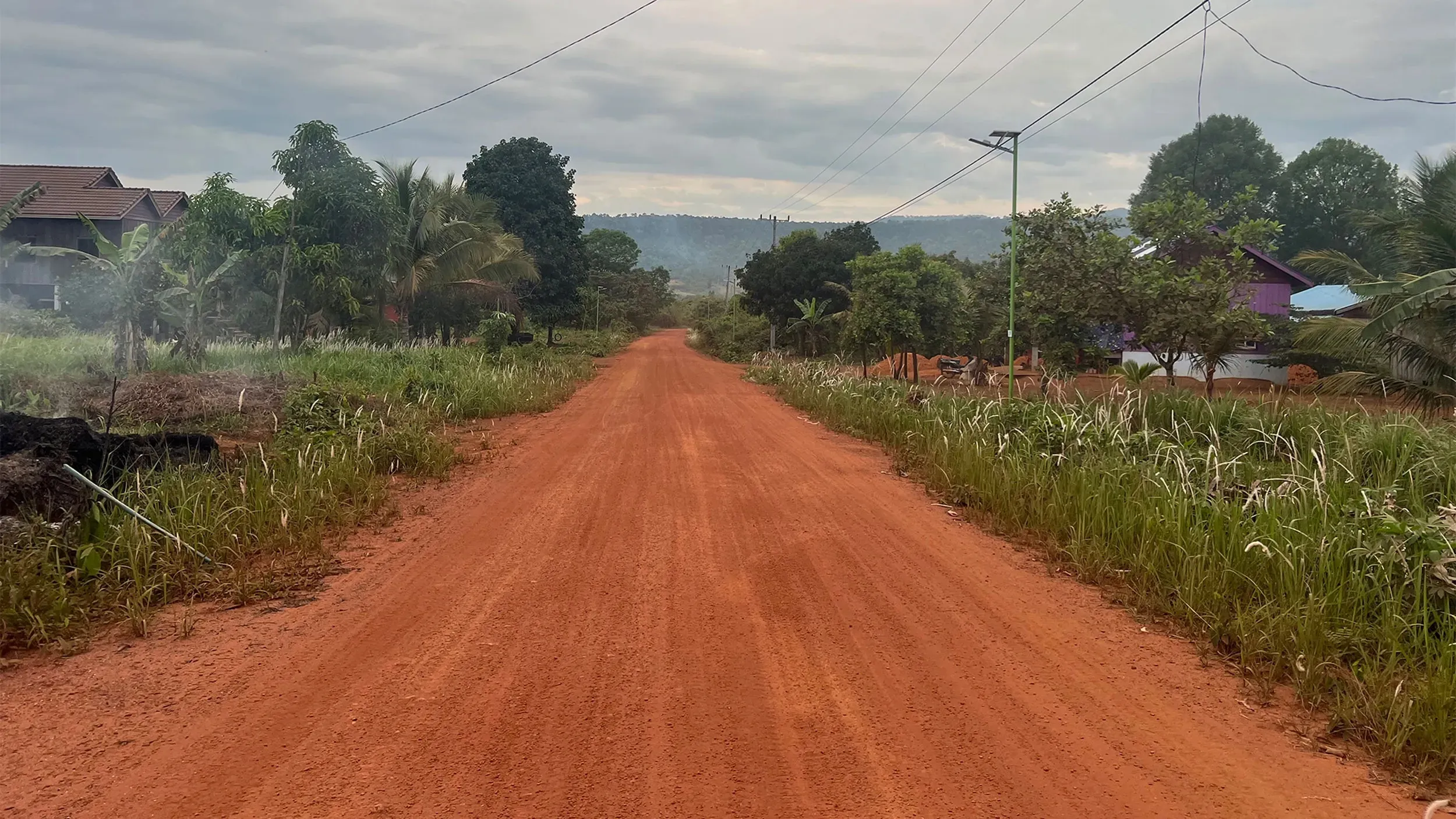
A new climate label has emerged on the market, but it may be propping up corporations that purchased offsets from harmful projects in the developing world.
Fair trade and USDA Organic labels started showing up on chocolate and produce in the early 2000s — and shoppers took note. Since then, industry groups have created more and more labels.
These certifications encourage companies to reduce emissions, but they also rely on other verification systems that validate greenhouse gas mitigation projects. Some of those projects have faced criticism for harming communities, especially in the developing world.
Now, a new one that’s emerged on the market is The Climate Label. REI and Bud Light are among nearly 200 companies that have signed on. To get the label, brands have to measure their emissions and spend money on mitigating them.
“ Our basic thesis is that there are not enough dollars going into decarbonization,” said Austin Whitman, CEO of The Change Climate Project, the nonprofit that developed the label.
REI, which sells outdoor gear, was one of the first multi-billion-dollar corporations to get certified. The company will soon hang new tags featuring The Climate Label on gear sold in its stores.
“We need to get corporates investing in [climate] action today,” said REI Director of Sustainability Andrew Dempsey. “Corporates want to get credit for doing that, and we want that to be able to show up for our customers.”
To qualify for the label, brands invest in switching to recyclable packaging or installing solar panels at factories, actions that reduce emissions within their supply chains.
Companies can also put dollars toward projects outside their supply chain, such as carbon credit projects that protect forests in the Amazon. Those forests absorb carbon in the atmosphere and can, in theory, offset a company’s emissions.
But The Climate Label may not be as effective as it seems. It allows companies to earn the designation with credits from projects that have been suspended by carbon certifiers, after being accused of human rights violations and corruption.
The fashion brand Reformation earned its Climate Label by funding a suspended Amazonian offset project: the Unitor REDD+ Project. Brazilian authorities found that the project was funding a criminal timber laundering scheme that looted public land, bribed officials and illegally cut down trees.
Ricardo Stoppe Junior, who led the project and was arrested in 2024, has denied taking part in a criminal venture. Meanwhile, Reformation did not respond to requests for comment.
“It’s hard to verify these kinds of projects. For a label like The Climate Label to monitor a forestry project in Cambodia is just hard,” said University of Michigan Professor Tom Lyon, who studies corporate environmental strategy.
The Climate Label relies on third-party certifiers to verify projects. But those certifiers are far from perfect and vary in quality, Lyon added.
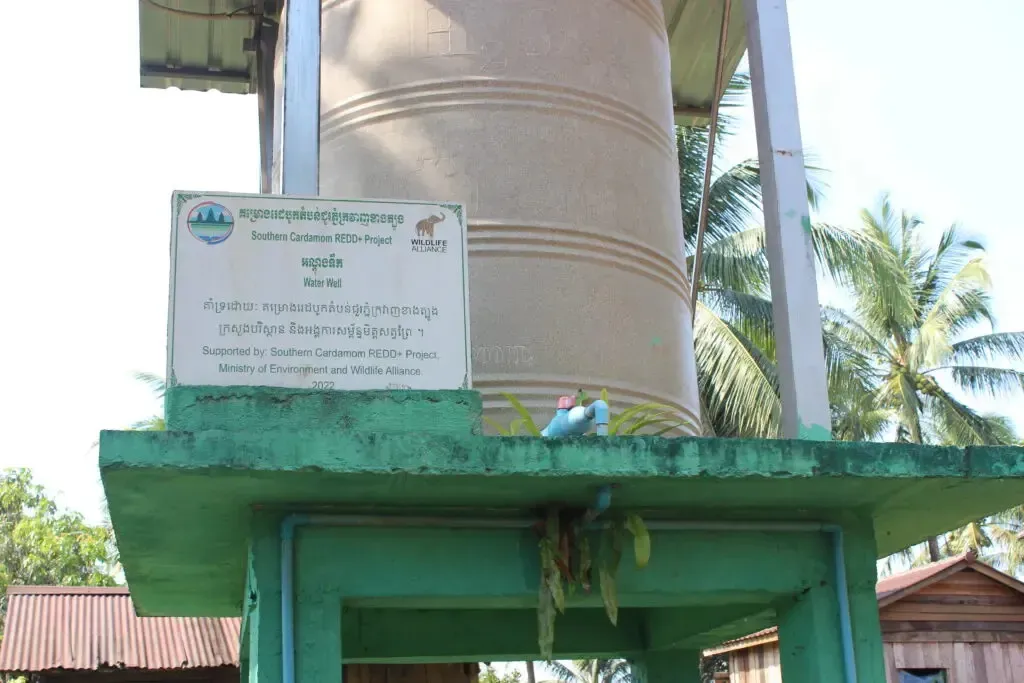
Over 40 companies invested in Cambodia’s Southern Cardamom REDD+ Project for their Climate Label. The project, implemented by the nonprofit Wildlife Alliance, pays for patrols to protect trees from being cut down in a forested area.
But in 2023, the sale of credits from this project was suspended by Verra, the world’s leading carbon certifier. Human Rights Watch alleged that project staff and rangers evicted Indigenous people from farmland, arrested residents and did not properly consult with locals.
Verra reinstated the project in 2024, but residents say problems are ongoing.
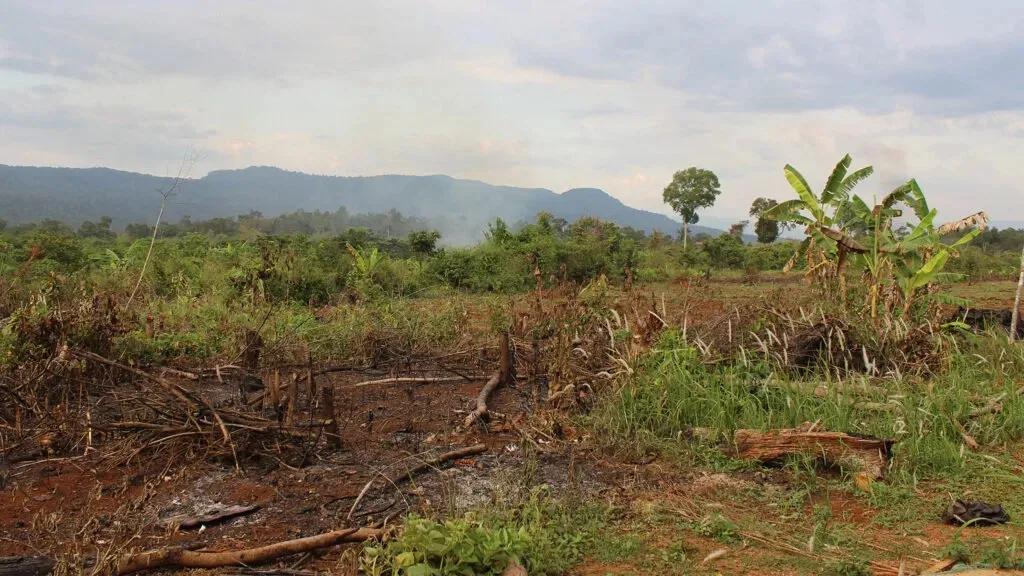
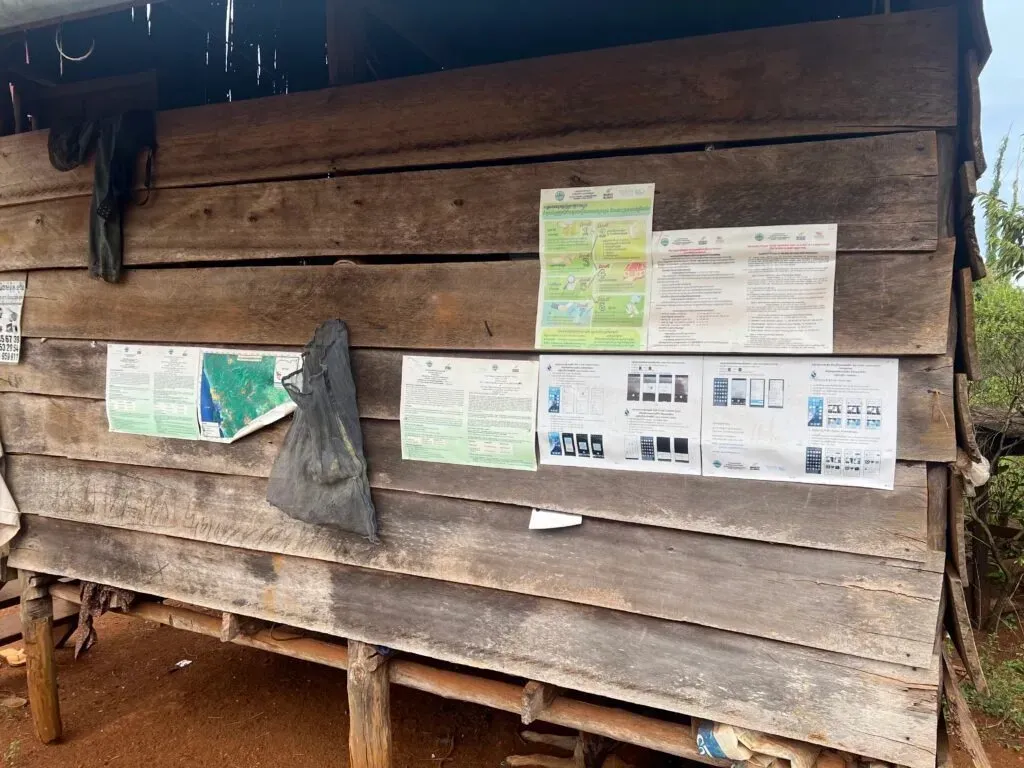
Min Manet, a resident of Preaek Svay village in southwest Cambodia, pointed out an area beyond a stream where she said nonprofit staff and authorities burned down her farming equipment.
“They gathered all of our things and burned them to ashes,” Min said. “They took them from other people’s land nearby there too.”
The World reviewed photos of burned items and footage from a 2024 meeting in which Min recounted that officials had confiscated equipment.
She said her family has been farming on this land since 2016, and she is now struggling to earn a living.
In a statement, Wildlife Alliance said all enforcement of protected area law is carried out by government officials. It said the project has reduced 27 million tons in carbon emissions and has improved local communities’ quality of life. In 2024, villagers voted overwhelmingly in support of continuing the project, according to the organization.
But Min and other residents said they did not understand what they were voting on.
“It was not just me who regretted [voting yes], absolutely everyone regretted it,” she explained.
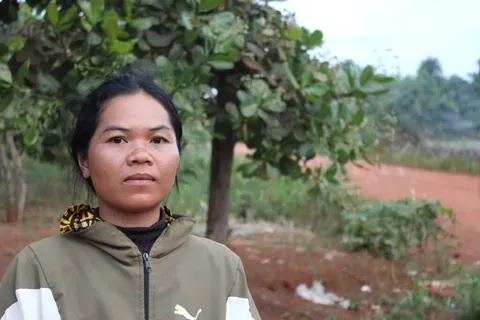
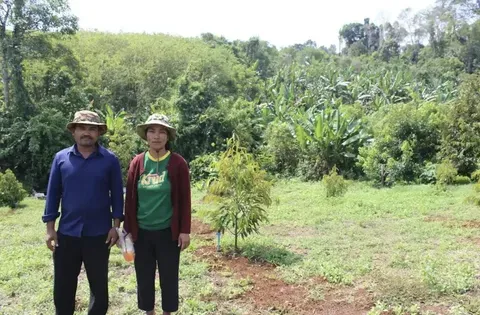
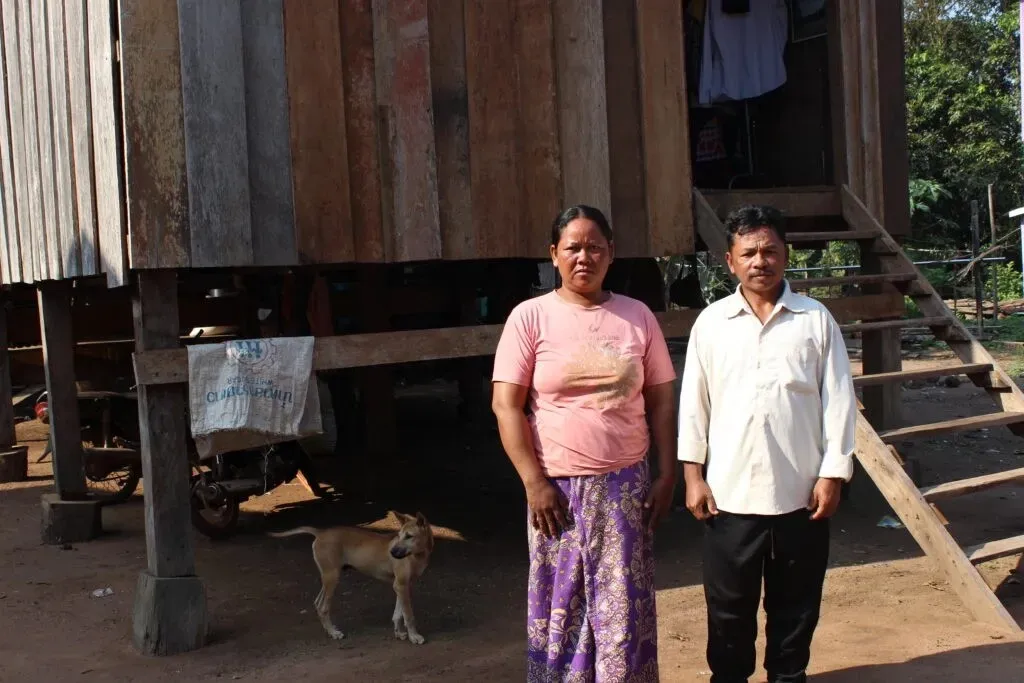
Another villager, Pok Nget, was jailed for nearly two months on charges of clearing land within the offset project. He said his family has been farming there for over a decade and that he did not know about restrictions on the land.
“[The project] should clearly define the boundaries,” Pok said. “It feels like they just came to rob my land.”
In a statement, Verra said it is open to acting on complaints, which can be submitted through multiple channels, including a project grievance mechanism and a hotline.
Whitman, the CEO of The Change Climate Project, acknowledged that some offset projects verified by carbon certifiers have come under scrutiny.
“ There is no way to beat around that issue. It’s true that there are some credits that have been approved by Verra and Gold Standard that are not passing muster.”
He said his small team has to lean heavily on third-party verifiers, and he thinks carbon credit certifiers have done a decent job at reviewing projects. Carbon credits account for only 30% of climate solutions funding from companies that earned The Climate Label, he added.
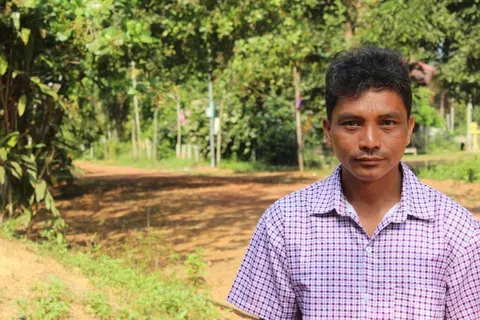
Preaek Svay village chief Chey Chim said brands should be aware of the struggles Indigenous people face due to the offset project.
“For any shareholders purchasing [credits] from the Wildlife Alliance project,” he said, “they should conduct a thorough study beforehand.”
Additional reporting and translation by Phon Sothyroth.