Journalist Resource
 October 3, 2025
From Newsroom to Neighborhood: Reporting With Black Gary Moms, Not Just About Them
Country:

In an age where information is everywhere but often eludes the communities that need it most...
A StoryReach U.S. Fellowship reporting project amplified moms’ voices to health officials, policy leaders, and national organizations, sparking new studies and public events. Highlights include:
- Community empowerment and visibility: Reporting elevated Black mothers’ testimonies, created Q&A spaces with health experts, and directly connected moms with local OB-GYNs, doulas, and resources.
- Institutional and local change: Reporting helped inspire Gary, Indiana’s first citywide baby shower and informed new research funding tied to pollution’s health impacts.
- Broader reach and recognition: Stories gained wide social media traction, were shared by major health organizations and officials, and led to invitations to speak in classrooms, as well as regional and national conferences.
- Sustained community engagement: Hosted three community events, distributed print newsletters for accessibility, and built lasting partnerships with local health leaders and organizations.
“What can we do to improve Black maternal health?”
Black mothers experience the highest maternal mortality rates not only in Indiana, but also in the nation. So, I was curious: In a nation that struggles with Black maternal health and mortality, what are the outcomes for moms and infants in Gary, a majority-Black city in Indiana dealing with pollution, economic disinvestment, and health disparities?
Black mothers in Gary face several challenges in maternal health care, from inadequate prenatal support, to systemic disparities, to environmental hazards that impact their well-being. Out of Indiana’s 92 counties, Lake County, home to Gary, has the ninth-highest maternal mortality rate in the state, according to the Indiana Department of Health. But how much is Gary represented in this, and how much does its industrial legacy as a steel city contribute to it? How are the moms and families in Gary handling it? With Capital B Gary, and support by the Pulitzer Center, I sought to find some answers to these critical questions.

As a nonprofit journalism organization, we depend on your support to fund more than 170 reporting projects every year on critical global and local issues. Donate any amount today to become a Pulitzer Center Champion and receive exclusive benefits!

How I reported the project
I visited the Lake County and Gary health departments to meet with the heads of their women and family care units, created connections with people from maternal health programs, and toured empty, abandoned lots where some of those community resources used to be.
Additionally, I scoured health department reports, maternal mortality records, coroner’s records, and information from nonprofits that focus on Black maternal health disparities, like the Black Women’s Health Imperative and the Black Mamas Matter Alliance. I connected with employees from Health and Human Services to get more information about their maternal programs in Gary, and spoke with scientists who recently published studies on the connection of climate change and pregnancy. I also used federal and local health reports and studies, and would often interview the organizations or agencies behind those studies to get a better context of their reports.
One example I’m most proud of was when I was able to use good, old-fashioned, shoe-leather reporting. In late August, my reporting took me to Indianapolis, about a four-hour ride from Gary. There, I waited five hours to get a face-to-face interview with Indiana’s Maternal Mortality Review Committee (MMRC), as it wrapped up its closed, confidential session determining how many maternal mortality cases were considered preventable or unpreventable. Its once-a-month meeting included over 20 members from across the state, though several were virtual the day I visited. I could tell committee members were a bit uncomfortable with not only the presence of a reporter, but a non-committee member. They said the general public does not usually attend their meetings, despite their 10-minute open remarks at the beginning of their meetings for anyone who wanted to speak.
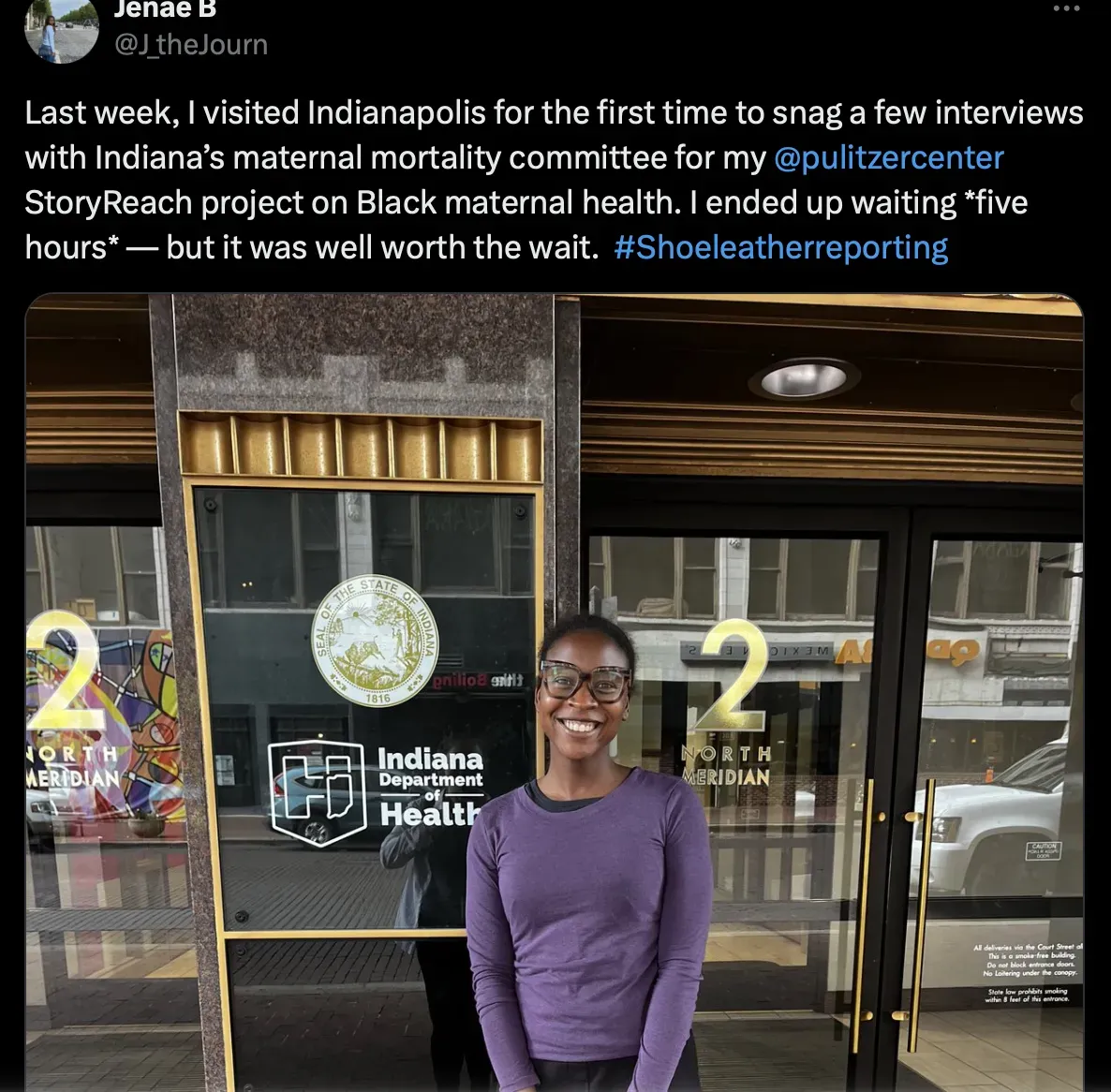
There, I was able to put faces and names to the scary numbers I’d seen in the Indiana Department of Health’s maternal mortality reports. Speaking with the people who put them together, they confirmed what we already knew: “Black women are dying at higher rates in Indiana,” a member of the MMRC told me during my visit. Pointing to a number of socio-economic factors, there was just not enough data yet to isolate the reason behind the issues.
On the other hand, I also wanted to find solution stories, so I visited with an organization about two hours outside Gary that supported Gary moms with fresh-food access, because Gary is set in a food desert. I also met with a group of doulas to learn more about their work and their accessibility to the community. Moreover, I arranged to meet in-person with an Atlanta-based organization called ROSE, which was visiting Gary to help implement a breastfeeding equity program in the area’s only hospital. Breastfeeding rates in Black communities like Gary are disparately low despite breastfeeding’s benefits for infant health.
While the initial reporting with ROSE was done in December 2024, I followed up with an interview in February 2025, after Donald Trump’s second inauguration, to learn how the White House’s anti-DEI policies would potentially affect ROSE’s work. That’s how the angle of that story changed, and resulted in its current publication. Though the reporting was part of an initial solution piece, my nut graf became a story about how Gary, already grappling with scarce resources and high maternal and infant health disparities, is at even greater risk of fallout from anti-DEI funding cuts for the programs it needs the most.

Findings
Some of the key data points I found during the reporting:
- In Lake County, home to Gary, the infant mortality rate is 7.3 per 1,000 births, which is higher than the state’s 6.7 infant mortality rate, and higher than the national rate of 5.4 per 1,000 births, according to the Indiana Department of Health.
- The 2023 Indiana Department of Health MMRC report also said the state’s Black infant mortality rate is even higher, 13.2 per 1,000 live births. In essence, Black infants in Indiana not only die at the highest rates in the state, but at one of the highest rates in the nation.
- Out of Indiana’s 92 counties, Lake County has the ninth-highest maternal mortality rate in the state, according to the Indiana Department of Health.
- According to a 2023 report from the MMRC, 77% of pregnancy-related deaths in Indiana were deemed preventable. Similarly, 71% of pregnancy-associated deaths were preventable in 2021. Substance abuse was one of the highest contributing factors to maternal mortality cases, while inadequate access to maternal health care and maternal mental health care were also significant factors.
- Nearly 40% of Black mothers experience maternal mental health issues, according to a 2023 Maternal Mental Health Leadership Alliance (MMHLA) report. Black women are among the most under-treated groups, experiencing depression and anxiety at twice the rate of white women but receiving treatment half as often.
- In 2022, U.S. Steel’s Gary Works released over 182 tons of 24 types of hazardous air pollutants—the most of any steelmaker in Indiana. Due to these emissions, Gary residents are in the top 10% of people in the country at risk for developing asthma, according to an Industrious Labs report. Despite this, the city has only one hospital and a handful of health clinics.

Integrating audience research
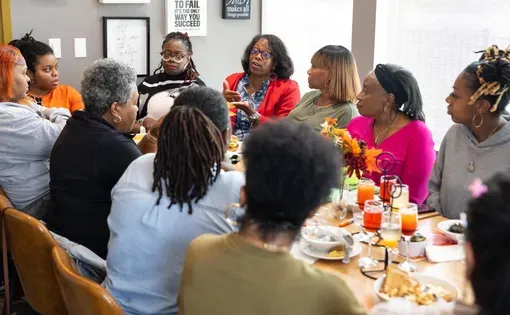
I thoroughly integrated audience research as a part of my reporting. From the beginning, I knew I wanted to do at least two events: one to launch the project, and the other to conclude it. As the reporting evolved, and received positive feedback from the community, a clear need and desire for an additional event was shown. This shaped the different audiences targeted for each event: the first, an intimate women’s circle; the second, a larger event for more people; and a third to conclude. After receiving immense positive audience feedback from the first event, including from Gary Councilwoman Linda Barnes-Caldwell, who leads women's health initiatives in the city, I decided to use it for digital outreach to encourage and promote participation in the next event. I strategized the framework of the events to be cumulative, designed to build upon each other and shape the reporting to follow.
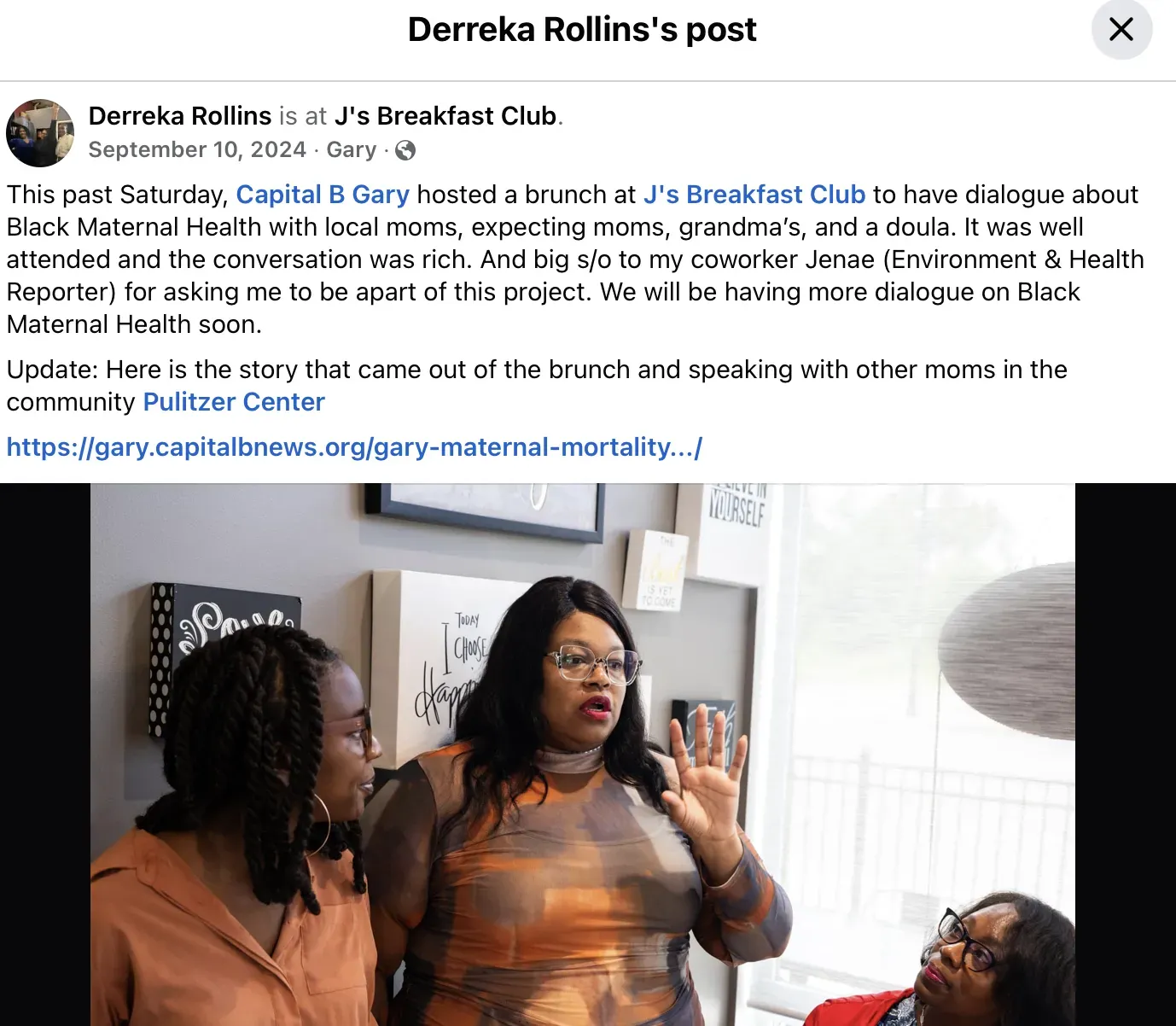
A lot of the audience engagement was also planned as part of my pre-reporting process. For example, during my pre-reporting while I was applying for the Pulitzer Center StoryReach Fellowship, I identified a women’s wellness fair in Gary, which centered Black maternal and infant health disparities and connected residents with resources and community health partners in the city. I connected with a few attendees from the fair, and, almost a year later, I sought out the founder of that wellness fair, Dr. Maya Dominique, a local OB-GYN, to be featured as a panelist for my second community engagement event.
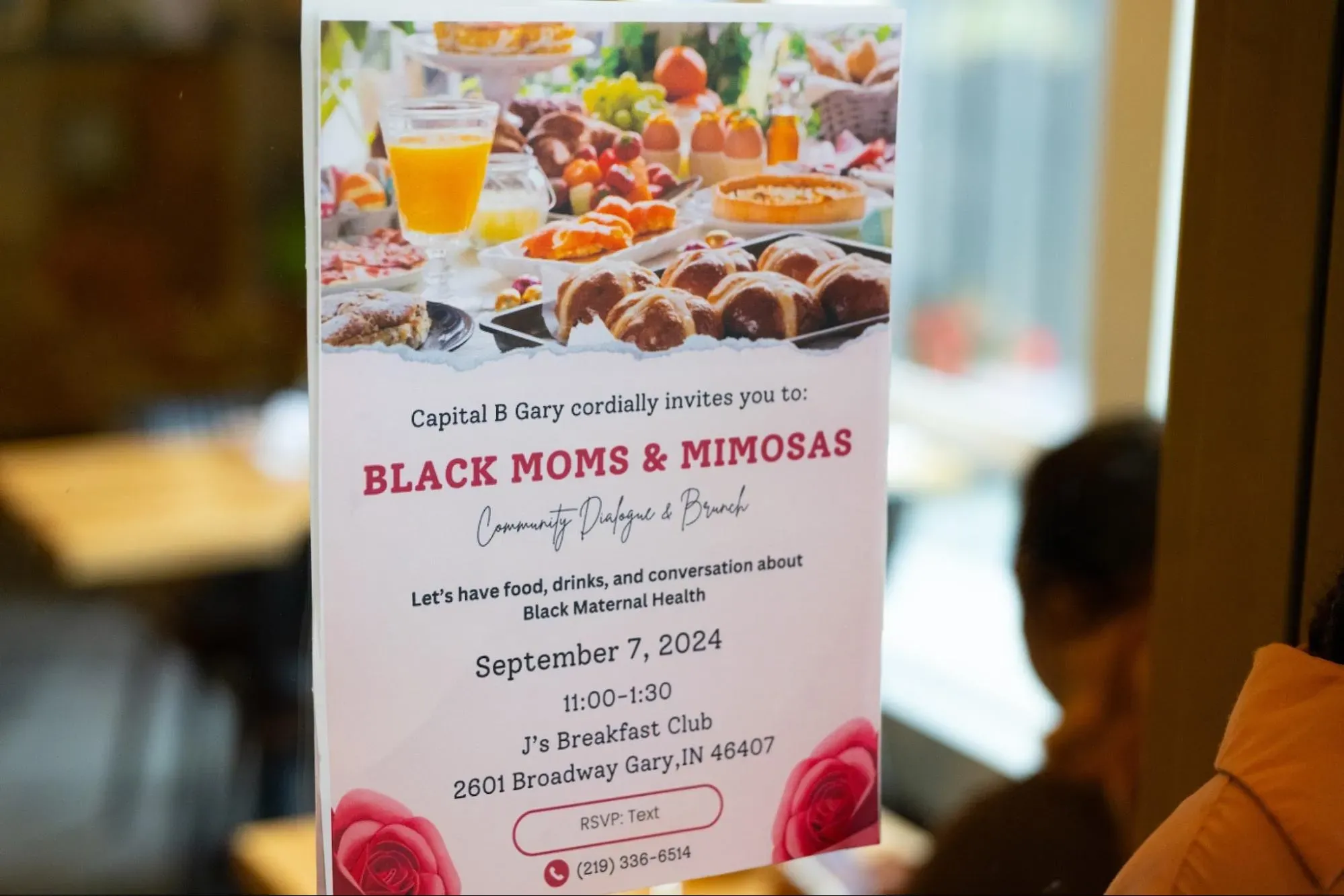
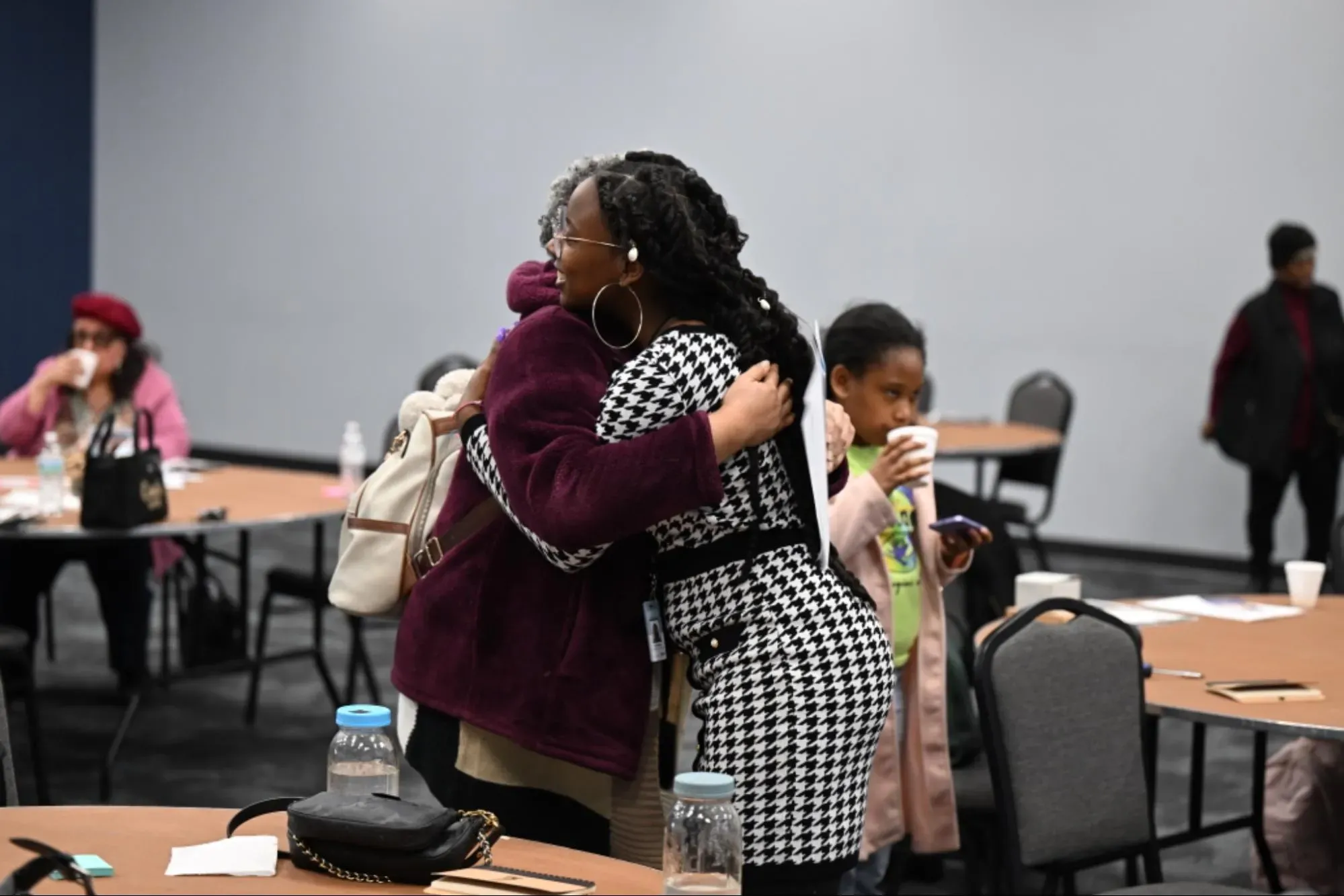
This connection was one of the many ways that I fostered audience research. The first community engagement event—which featured a small, intimate women’s circle—created a dialogue to introduce Capital B Gary and the project, present research from some of my initial reporting, and hear directly from residents about what they wanted to learn from this project and their cities.
Initially, I expected about 10 residents for the small, private room rented at a local restaurant. However, we had an attendance of nearly 20 women. This influx was partly due to the outreach of Capital B Gary’s community engagement editor, Derreka Rollins, and my personal outreach to organizations with aligned missions, including the Chicago South Side Birth Center, about 30 minutes away from Gary.
I had connected with the Birth Center leadership a few weeks prior at an Association of Health Care Journalists conference and wanted to share our event on social media. That resulted in several people from the Chicago area who were affiliated with Gary attending the event, leading to a higher-than-expected turnout.
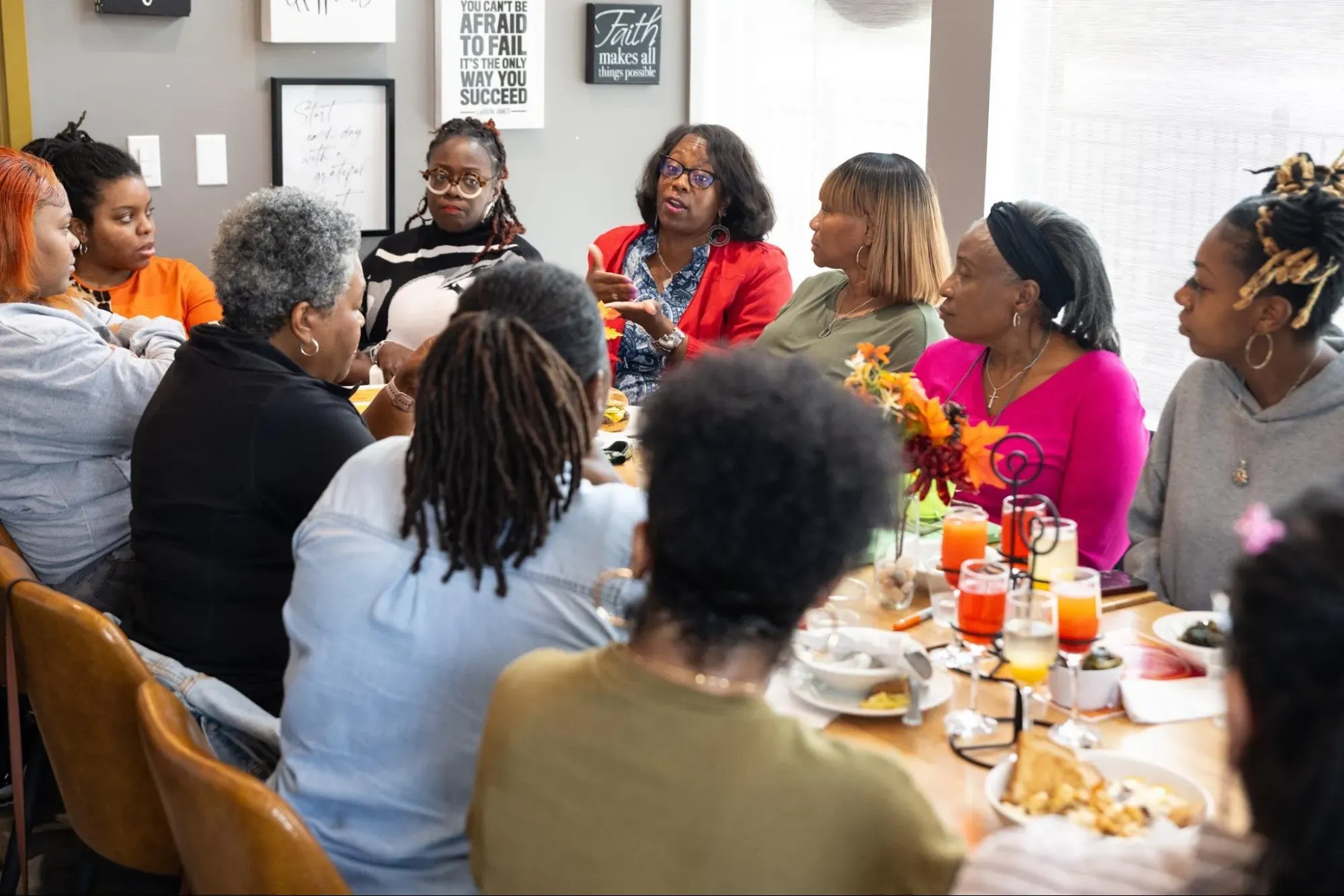
Questions about available resources from the city, complaints about inconsistent access to care, medical racism, and requests for creating more spaces for dialogues on this topic were brought up during the discussion at the Black Moms & Mimosas event, which directly contributed to my further reporting. In addition, I created a Google form of questions, including:
- “How impactful were the personal stories shared during the event in increasing your understanding of Black maternal health care issues?”
- “Did the event connect you with any new resources, information, or support systems related to Black maternal health care?”
- “How likely are you to use the information or resources from this event in your own life or share it with others?”
The survey also showed that over 80% of the participants said the event was “impactful” and connected them with new resources. Respondents also said they were likely to share those resources with other people.
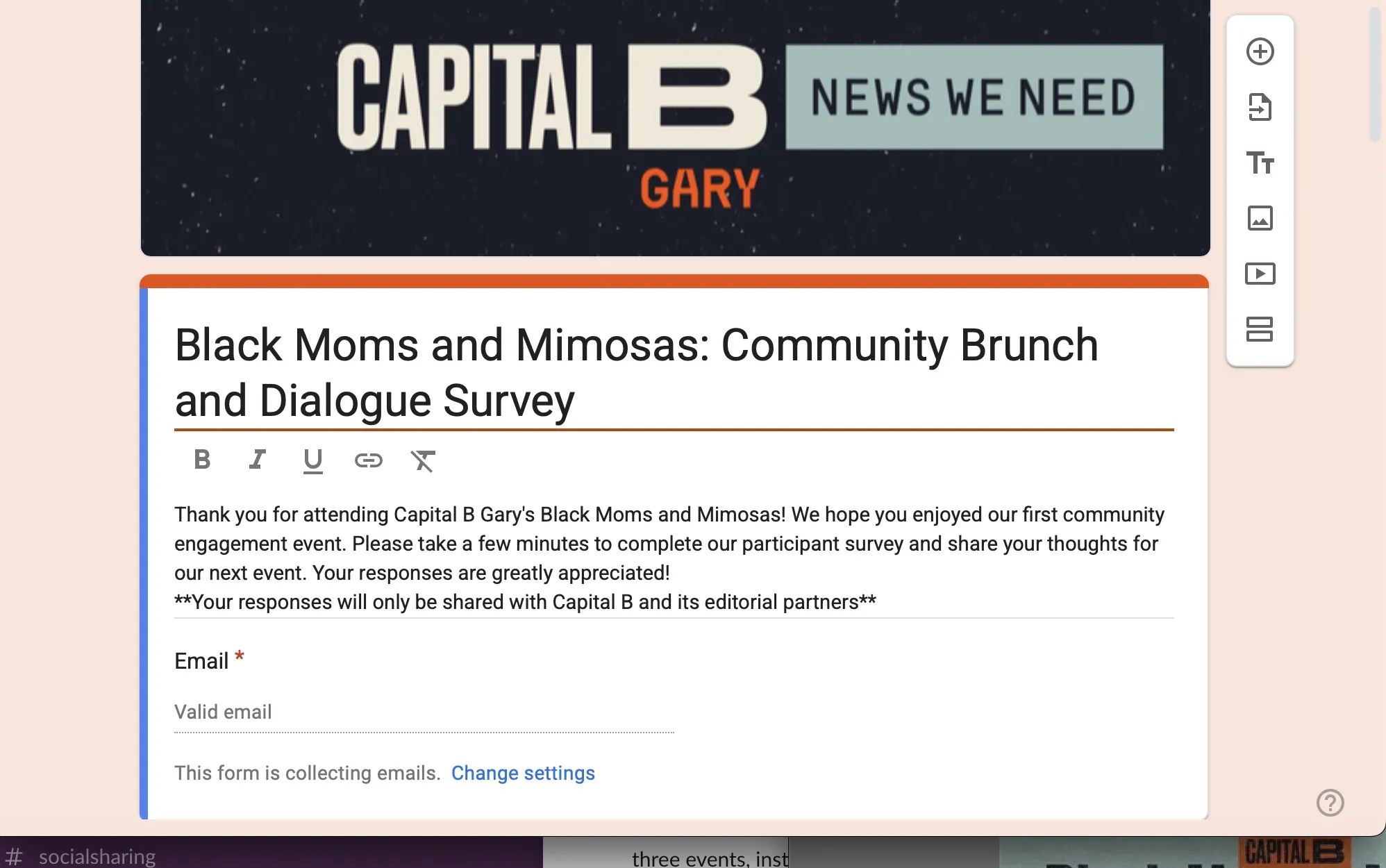
In addition, the connections I made with people from the Chicago birth center fostered consistent local community connections with some of the same residents who attended the first women’s dialogue and the second community engagement panel.
The Google form shows that over 50% of the first community engagement attendance was from personal outreach by Rollins and I; 40% was from “other,” which likely included outreach from mission-aligned organizations; 10% came from social media. One way I found people to attend the events was through Facebook Groups specifically focused on mothers, women, and children; Gary and Chicago residents; or Black communities and equity.
After the women’s circle and post-event survey, we produced a “trailer” video on social media to introduce and summarize the work we were doing with the project and some of the key takeaways from the event. In the video’s comments, we received wide feedback that people were looking forward to having these discussions, and it was an important topic to cover for the community.
That reception was reflected in the second event, a community panel that had a turnout of about 30 people in a recreation room. It was evident most of the participants were there because of the community connections I had made and outreach with their local organizations, including BLM Gary (Black Lives Matter Gary), Community Health Net (a health center), and Methodist Hospital, Gary’s only hospital.
I used my reporting to identify and select the participants for the second panel event. In addition to Dr. Dominique, whom I had chosen because of her women’s health fairs nearly a year prior, I chose Dr. Glynis Adams, the assistant director of perinatal services at Methodist Hospital, through reporting stories about Methodist’s breastfeeding equity program, and Bianca Wilson, a Gary-based doula whom I had connected with through the first women’s circle event. The three professionals represented different structural levels of access to maternal health care within the community, from an individual level (doula) to a systemic level (hospital administration). It was my hope that their variety in experience could benefit community members and their questions.
I intended for the second event, a community panel featuring local health experts, to build upon the audience research from the first women’s circle and dialogue. I presented an article I had written from the first women’s dialogue, which directly answered questions from the Google Forms survey completed by participants from the first community engagement event.
The panelists delved further into some of the themes highlighted, including medical racism, lack of access to care, and postpartum depression. Finally, we left 40 minutes of the two-hour event for an audience Q&A, which included collecting sticky notes (an interactive activity for the attendees to write their questions in real time) and presenting them for the panelists. They ranged from resources available to pregnant moms at Methodist, to the benefits of having a doula, how spouses can support the pregnant people in their lives, and healthy eating and food access.
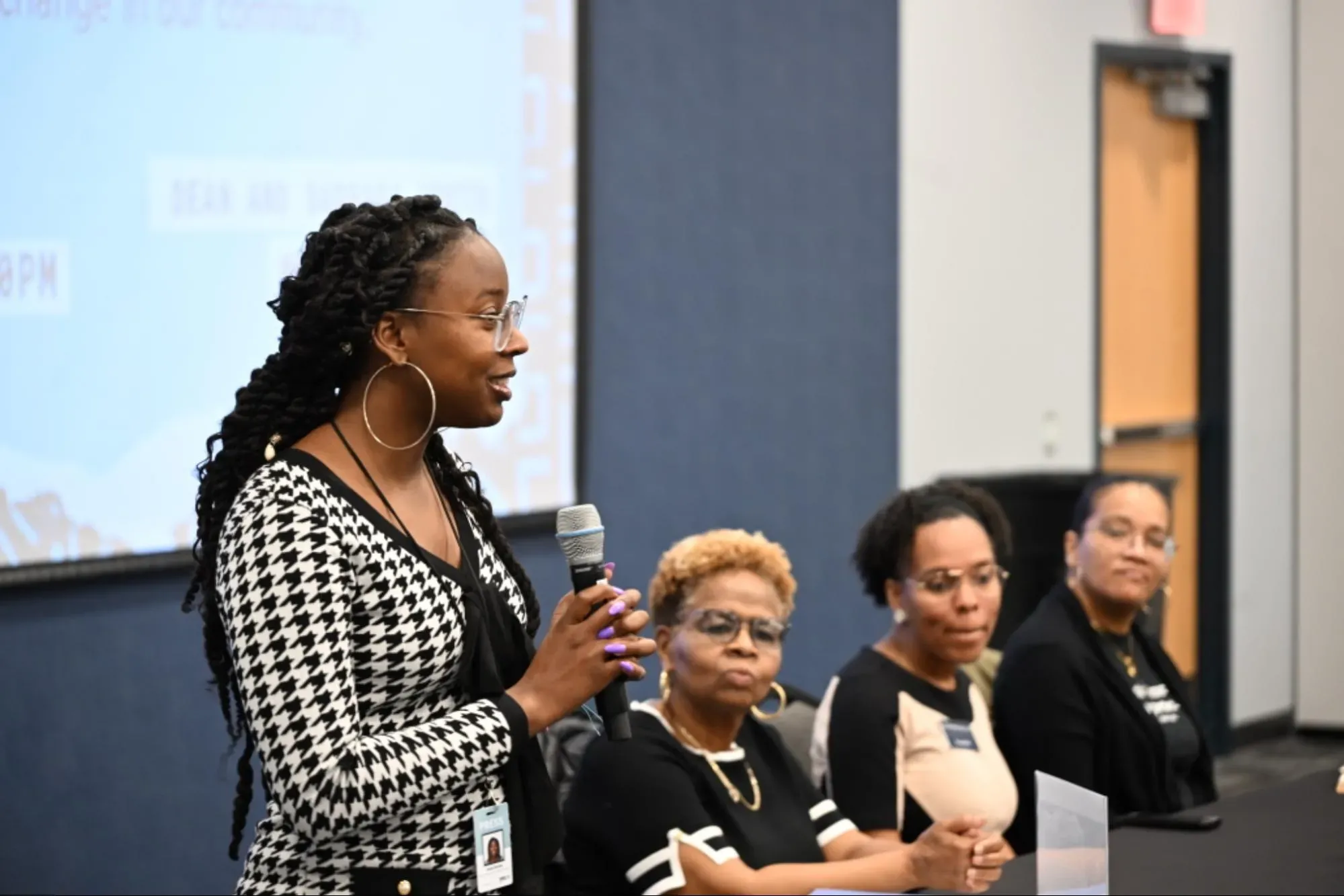
I received an overwhelmingly positive reception to this event, and was lauded for the hand-picked curation of panelists, the depth of community discussion, and the ability to directly answer some of the community’s questions through the panel and identify their needs.
After the successful event, Dr. Dominique invited Capital B Gary to table at her wellness fair the next month, the very same fair I researched while preparing for this project. We were invited to be a vendor, share some of the resources from my reporting, and foster an opportunity to connect with other people doing work in maternal/infant health in Gary and nearby cities. Dr. Dominique estimated an attendance of 250 people throughout the day, casting a wide net of outreach for the city.
After seeing the reception of the video from the first event, I wanted to use social media again, to create another video recapping the second and final third event, which received large support on Instagram. Reporting from my story received thousands of likes on X (formerly Twitter) after the first event in October, and was shared by Black maternal health organizations and journalists on Instagram in May.

“Throughout the Fellowship, I wrote five stories and four newsletters, talked with nearly 50 Gary moms, and hosted three community engagement events. Through these events, I empowered the testimonies of mothers navigating medical racism, helped a mom find a last-minute OB-GYN, directly answered community questions, and fostered connections of doulas and medical practitioners with curious moms.”
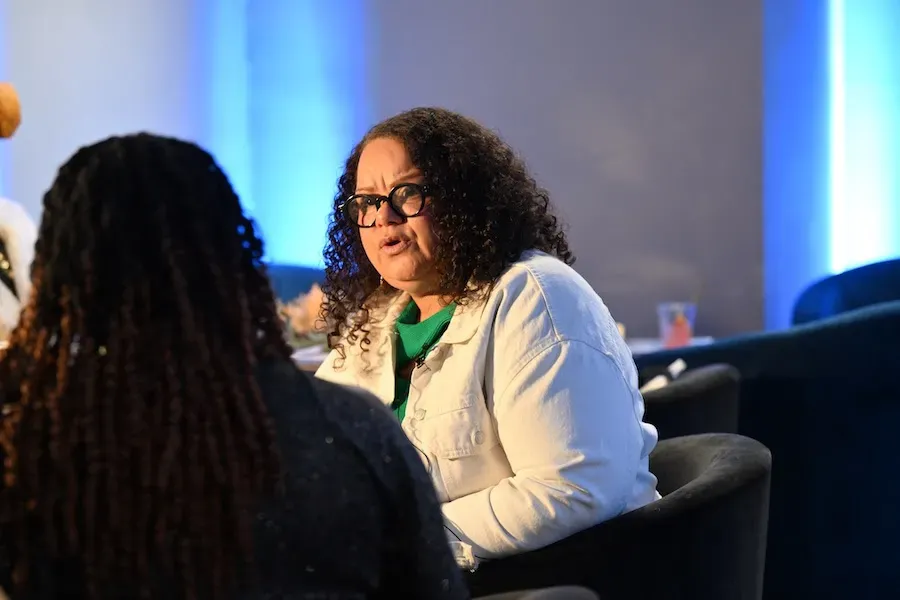
At the final event, a Mother’s Day celebration honoring the Black mothers of Gary, we shared my cumulative reporting through a printed-out newsletter that published all my stories. While the reach was smaller than the second event, the people who did show up were very engaged with the materials presented.
I also did a one-on-one interview with one of my sources, who led the first report in the project with her provoking narrative detailing how she fought for her asthmatic son during her pregnancy in Gary. It was like a full-circle moment, which gave readers an opportunity to meet the face behind the name of the project to better bring the story to life. Gary has repeatedly proven to like printed materials, so we created a print newsletter that included my reports and passed them out at the event. In addition, post-event social media videos tended to do well, including one by a resident/attendee who created a video commemorating the event.
Impacts of the project
Throughout the Fellowship, I wrote five stories and four newsletters, talked with nearly 50 Gary moms, and hosted three community engagement events. Through these events, I empowered the testimonies of mothers navigating medical racism, helped a mom find a last-minute OB-GYN, directly answered community questions, and fostered connections of doulas and medical practitioners with curious moms. This kind of impact has repeatedly been received with overwhelming gratitude from the Gary community, and in particular, Black women, who say they appreciate the visibility this reporting has given them to be heard.
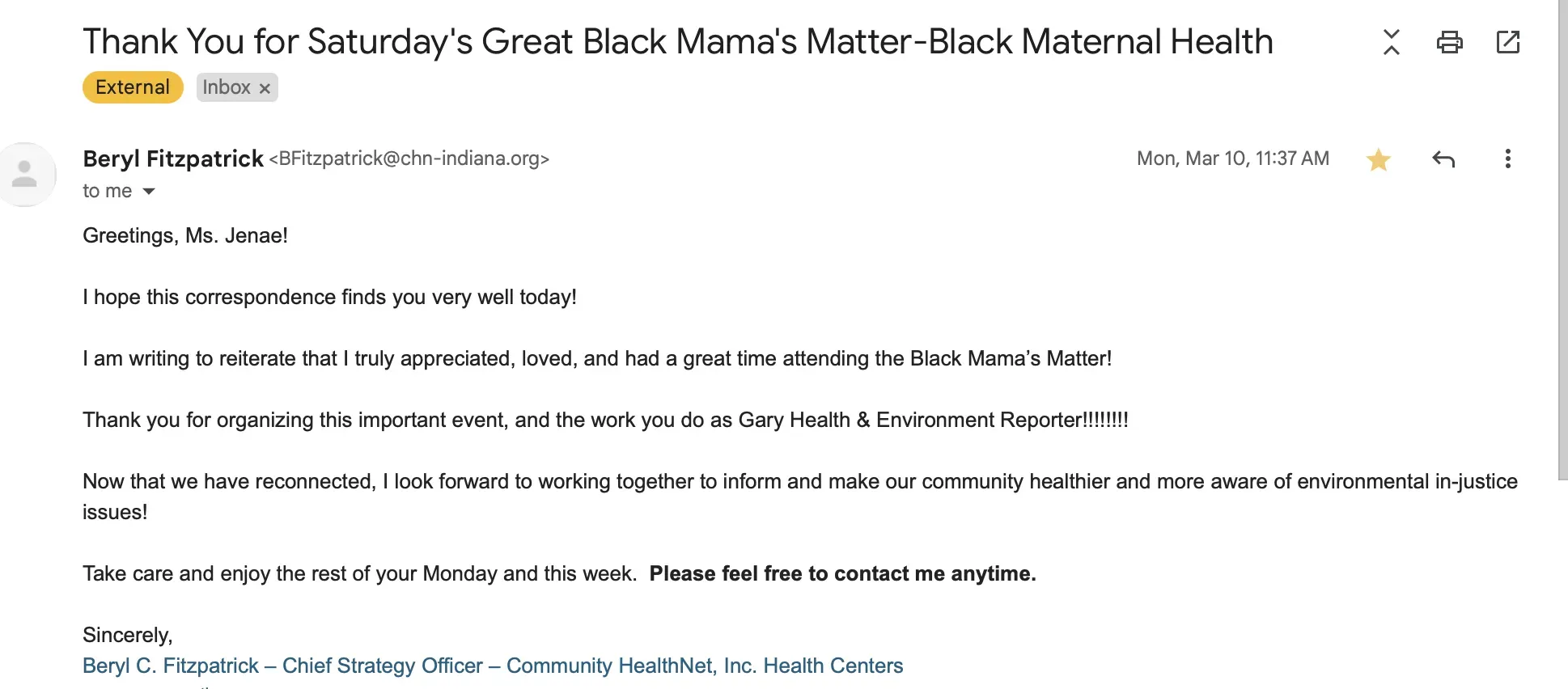
Post-publication, I’ve seen impacts throughout the city of Gary—which had its first citywide baby shower event this year, in part, I have been told, due to my reporting. Additionally, a scientific study I scooped highlighting the heavy metal pollutants found in Gary and could cause health impacts, I’ve been told, will be used to help fund more studies on how pollutants are impacting residents' health. The reporting also performed very well in audience engagement views, with thousands of page views, showing people want to engage with more work like this.
Another impact I’ve seen is the reach of Gary moms regionally and nationally. I've partnered with mothers from the South Side Birth Center, spoken to a classroom of high schoolers in South Side Chicago, and spoke at a panel at a national conference in Arizona on the intersection of climate change and maternal health. Additionally, my story on resources for Black moms was shared by the Black Women's Health Imperative, one of the largest Black wellness equity organizations in the nation, and was read by the Indiana Department of Health. My reporting has also been lauded and shared by Gary city officials, including the city health commissioner and the perinatal assistant director at Gary’s only hospital—both of whom emphasized the need for reporting on this topic.

What I learned
I learned so much and have evolved through this process. Most notably, I gained leadership and project management experience. I acted not only as a reporter, but also played key roles in coordinating and executing audience engagement events, which is the job of at least two-three other people. I learned that I was able to produce impactful reporting and organize successful events, while creating and maintaining community connections. I’m very proud of that.
My confidence in my shoe-leather-reporting skills also grew. This Fellowship started a few months after I began my first full-time staff reporting position, and I had some learning curves, alongside my newsroom, about how to report on a long-term project like this, which I had not done before. On a personal level, it also taught me a lot about ways I can advocate for myself as a Black woman if I ever wanted to start family planning sometime in the future.
I think a challenge that I faced was balancing the reporting for the Fellowship with my regular reporting duties and my community engagement activities. For a majority of the Fellowship, it was something I and my newsroom were uncertain about: how the time should be split. However, I was sure to take the initiative to work with my editor to allocate time for reporting for the Fellowship, which is a skill I think every reporter should know. Learning good time management and how to juggle several stories at once is very useful.
Takeaways for journalists
I think some of my biggest takeaways are the importance of good timing, time management, and following up with sources. One story can be broken into two or three, with the right timing and follow-through.
I think one thing that can be learned and applied is the ability to pivot. With a reporting project, especially one as long as this one, things will likely evolve over time. Reporting will evolve, and plans are likely to change. Because of this, it’s important to know how to pivot, especially when a news event, holiday, or a source unexpectedly comes into play. For example, I had to pivot the timing of some of the stories I wanted to publish because I had found a source who was dealing with more current issues than what I was initially planning to publish; or I did more reporting after my initial interviews.
Something I also would advise is the importance of follow-up stories, because they can provide deeper analysis. It was a bit awkward and unfamiliar for me, at first, writing in both a narrative and enterprise style, writing about what the newsroom was reporting on and the reporting itself. But, it was a good skill to learn, and helped our audience understand the context behind the project. This was especially important because Gary, as a news desert, is not used to this kind of journalism and coverage.
Looking back, I would have considered breaking up my stories into shorter, bite-sized pieces that separate reporting and community engagement recaps, instead of lengthier features that combined both. However, it did help me infuse my reporting with my community engagement work, by showing the stories at events and, conversely, using the community events to drive more reporting. I think this is the beauty of this kind of unique Fellowship that combines both audience engagement and newsroom coverage.
Which leads to my third point of advice: Always have some reporting in your back pocket you can build upon later. This can come in handy when something significant related to your previous reporting happens. For me, that meant identifying the women’s health fair, and then using it as a part of my reporting and audience engagement, almost a year later during its annual convening.