Main Menu Navigation
Pulitzer Center Logo
View Primary Menu
Search
  • ABOUT
    Our Mission and Model Staff Board of Directors Impact Annual Reports Donors Ethics and Standards Diversity, Equity, and Inclusion Employment
  • UPDATES
  • EVENTS
    Upcoming Events Conferences
  • WEBINARS ON-DEMAND
  • COMMUNITY
  • IMPACT
DONATE
  • JOURNALISM
      • PULITZER CENTER JOURNALISM
      • STORIES
      • Stories by Pulitzer Center Grantees
      • Stories by Student Reporting Fellows
      • PROJECTS
      • FIELD NOTES
      • APPLY FOR JOURNALISM GRANTS
      • FOCUS AREAS
      • Climate and Environment
      • Global Health
      • Peace and Conflict
      • Human Rights
      • Information and Artificial Intelligence
      • INITIATIVES
      • AI Accountability Network
      • AI Spotlight Series
      • StoryReach U.S.
      • U.S. Local News Reporting
      • Ocean Reporting Network
      • Rainforest Investigations Network
      • Rainforest Reporting
      • Transparency and Governance
      • Our Work/Environment
      • NEWSLETTER ARCHIVE
  • EDUCATION
      • CAMPUS CONSORTIUM PROGRAM & PARTNERS
      • Campus Consortium Program
      • Campus Consortium News
      • Campus Consortium Partners
      • Reporting Fellowships
      • Reporting Fellow Bios
      • Stories by Reporting Fellows
      • Resources for Reporting Fellows
      • Campus Consortium Advisory Council
      • Join the Campus Consortium Network
      • INTERNATIONAL EDUCATION AND OUTREACH
      • K-12 PROGRAMS AND RESOURCES
      • Programs for Teachers and Students
      • Lesson Plans
      • Journalist Visits to Classrooms
      • The 1619 Project Education Portal
      • Student Contests
      • Professional Development for Educators
      • Journalism Skillbuilder Lesson Series
      • K-12 Education News
  • GRANTS & FELLOWSHIPS
      • GRANTS & FELLOWSHIPS
      • Tips for a Successful Grant Application
      • Pulitzer Center Crediting Requirements
      • OPPORTUNITIES FOR JOURNALISTS
      • Global Reporting Grants
      • AI Reporting Grants
      • Global Health Inequities, Risks and Solutions
      • Transparency & Governance Reporting Grants
      • U.S. Civil Society Microgrants 2026
      • Rainforest Reporting Grants
      • Conflict Reporting
      • Ocean and Fisheries Reporting Grants
      • Climate and Labor Reporting Grants
      • Africa Reporting Grants
      • U.S. Local Reporting Grants
      • Machine Learning Reporting Grants
      • OPPORTUNITIES FOR EDUCATORS & CIVIL SOCIETY ORGS
      • The 1619 Project Education Impact Grants
      • Pulitzer Center Teacher Fellowship
      • Impact Seed Funding
      • U.S. Civil Society Microgrants 2026
      • OPPORTUNITIES FOR CAMPUS CONSORTIUM MEMBERS
      • Campus Consortium Reporting Fellowships
      • Post-Grad Reporting Fellowships
  • IMPACT
  • RESOURCES
  • COMMUNITY
  • EVENTS
  • WEBINARS ON-DEMAND
  • ABOUT
    Our Mission and Model Staff Board of Directors Impact Annual Reports Donors Ethics and Standards Diversity, Equity, and Inclusion Employment
  • UPDATES
  • EVENTS
    Upcoming Events Conferences
  • WEBINARS ON-DEMAND
  • COMMUNITY
  • IMPACT
DONATE

Cronkite News

File Image Courtesy of Cronkite News.
  • ×
    Tulsa’s Landlord Tenant Relief Program paid four months’ rent for Jack and Beth Myers of Tulsa County. Jack, a Type 2 diabetic, quit his job as a welder amid fear of contracting COVID-19. Beth said the program “took a lot of stress off " the couple. Image by Mike Simons. United States, 2020.
    English
    PART OF: COVID’s Invisible Victims

    Follow up: One Family Helped, Others Still Living on Edge of Eviction

    author #1 image author #2 image
    Multiple Authors
    October 12, 2020
    Publication logo
  • ×
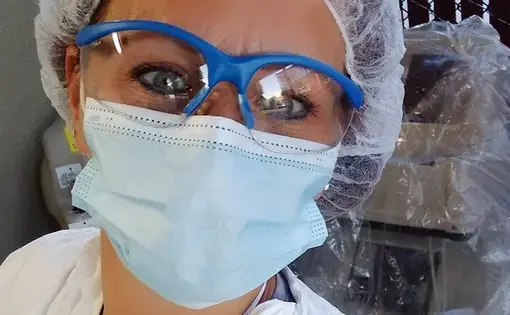
    Tiffany Cordaway, 47, as seen in this April 23 selfie, was working two jobs and living in a friend’s car at the start of the pandemic. For her day job, she wears protective gear while disinfecting medical equipment, including some used on COVID-19 patients. At night, she cares for the elderly. Image courtesy of Tiffany Cordaway. United States, 2020.
    English
    PART OF: COVID’s Invisible Victims

    Homeless Workers Face Heightened Risks in the Pandemic

    author #1 image author #2 image
    Multiple Authors
    October 8, 2020
    Publication logo
  • ×
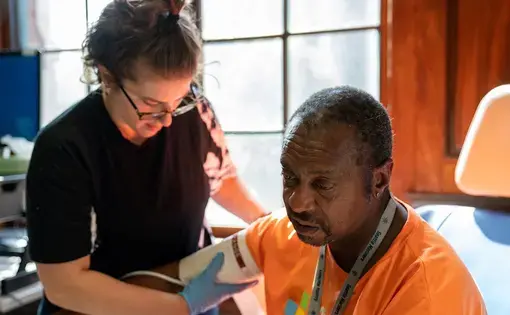
    Annie Valenciano, manager of the Downtown Emergency Service Center in Seattle, checks on a client on July 24, 2019. In response to the pandemic, the organization spent nearly $12,000 on smartphones, tablets and laptops so clients could access telehealth services while adhering to shelter-in-place mandates. Image courtesy of Downtown Emergency Service Center. United States, 2019.
    English
    PART OF: COVID’s Invisible Victims

    COVID-19 Homeless Work-Arounds Turn Into Silver Linings

    author #1 image author #2 image
    Multiple Authors
    August 28, 2020
    Publication logo
  • ×
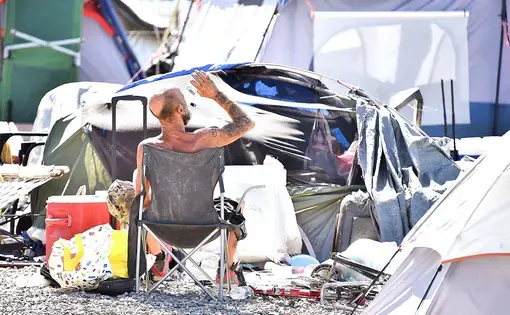
    A homeless man sits by his belongings at the Lots, an outdoor encampment in Phoenix, on June 24. Summer temperatures in Phoenix consistently exceeded 110 degrees Fahrenheit, sometimes hitting 118. Image by Steve Carr/Human Services Campus. United States, 2020.
    English
    PART OF: COVID’s Invisible Victims

    COVID’s Impact on the Homeless Is Largely Unknown

    author image
    Austin Fast
    Grantee
    August 28, 2020
    Publication logo
  • ×
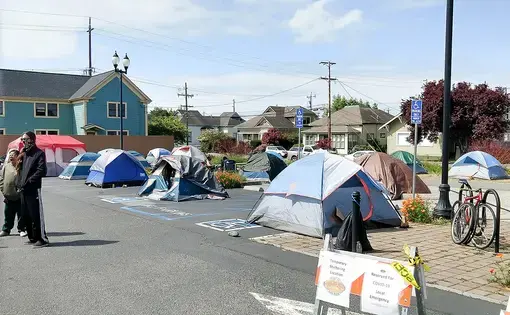
    The emergency tent shelter in Arcata, California, shown here on April 19, helps unsheltered homeless people gain access to medical and other services during the COVID-19 pandemic. Image courtesy of Arcata House Partnership. United States, 2020.
    English
    PART OF: COVID’s Invisible Victims

    Homeless People in Rural America Struggle to Find Help

    author #1 image author #2 image
    Multiple Authors
    August 27, 2020
    Publication logo
  • ×
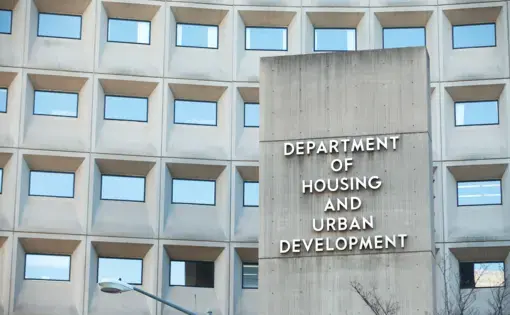
    Sign in front of the Department of Housing and Urban Development in downtown Washington, D.C. Image by Mark Van Scyoc / Shutterstock. United States, 2014.
    English
    PART OF: COVID’s Invisible Victims

    Months Later, Communities Still Await Federal Homeless Aid

    author image
    Katie Surma
    Grantee
    August 27, 2020
    Publication logo
  • ×
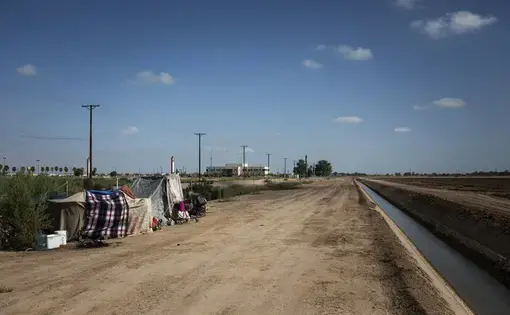
    This July 24, 2020, photo shows a homeless encampment near a canal in El Centro, Calif. As support services have dwindled amid the COVID-19 pandemic, some homeless people in Imperial County have resorted to bathing in irrigation canals. Homelessness looks different in different parts of the U.S., especially in rural agricultural regions such as Imperial County. Image by Anna Maria Barry-Jester/KHN and the Howard Center For Investigative Journalism via AP. United States, 2020.
    English
    PART OF: COVID’s Invisible Victims

    Homeless Essential Workers Face Greater Risk of COVID-19

    author #1 image author #2 image
    Multiple Authors
    August 27, 2020
    Publication logo
  • ×
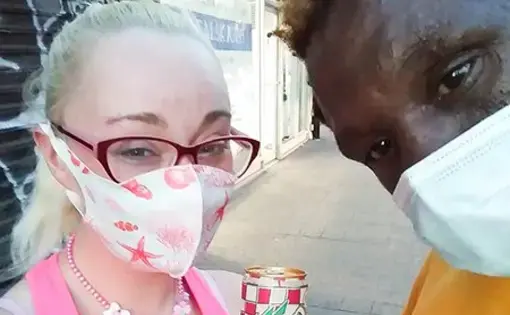
    Ashley Belcher and Wiaheed Jefferson in New York City. Image courtesy of Ashley Belcher. United States, 2020.
    English
    PART OF: COVID’s Invisible Victims

    Voices of the Homeless

    author #1 image author #2 image
    Multiple Authors
    August 25, 2020
    Publication logo
  • ×
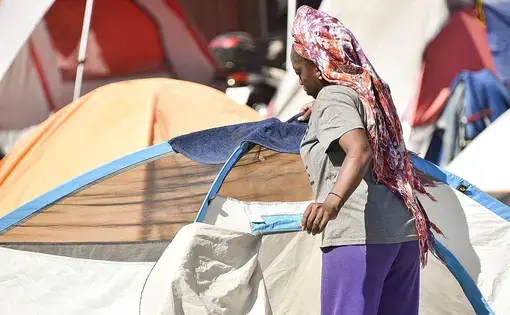
    A woman in the Lots, a homeless encampment in Phoenix, drapes a towel over her tent on June 24, when the high in Phoenix hit 111 degrees. Donated tents are available for homeless people who don’t have their own. Image by Steve Carr/Human Services Campus. United States, 2020.
    English
    PART OF: COVID’s Invisible Victims

    COVID-19 Is a ‘Crisis Within a Crisis’ for Homeless People

    author #1 image author #2 image
    Multiple Authors
    August 25, 2020
    Publication logo
  • ×
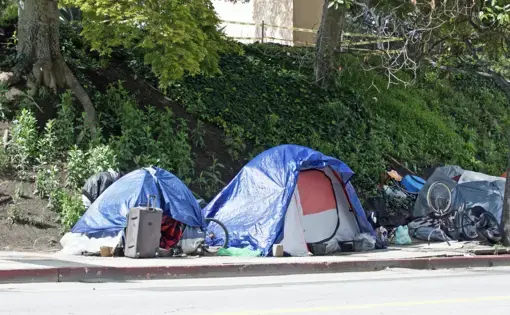
    Homeless encampments along a Los Angeles roadside on April 8, depicting the growing epidemic of homelessness amid the worldwide COVID-19 pandemic. Image by Philip Pilosian/Shutterstock. United States, 2020.
    English
    PART OF: COVID’s Invisible Victims

    Homeless in 43 Counties Most Vulnerable To COVID-19

    author image
    Austin Fast
    Grantee
    August 24, 2020
    Publication logo

Contact

2000 Pennsylvania Ave NW
Suite #7000
Washington, DC 20006
(202) 332-0982
[email protected]

Follow us on Facebook
Follow us on Twitter
  Follow us on Instagram
  Subscribe to us on YouTube

Media Requests

[email protected]

Privacy Policy


Sign up for our newsletter