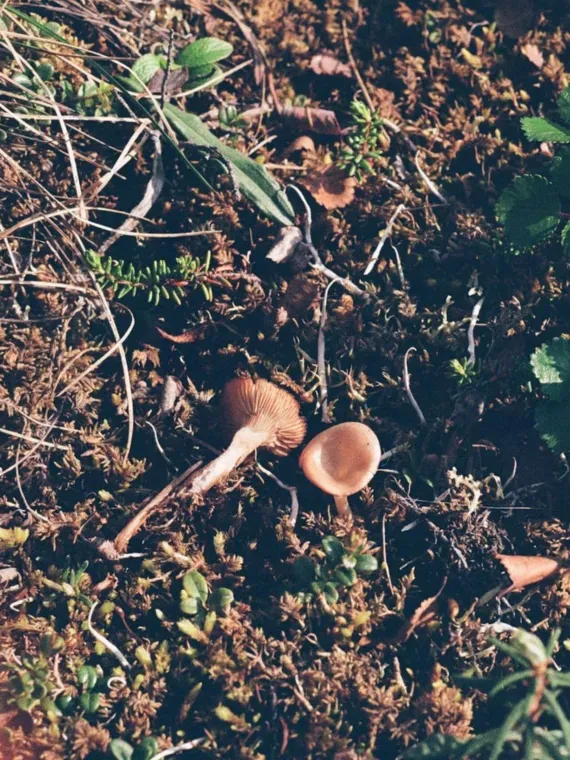

Fungi have traded nutrients with plant roots for half a billion years in an ancient symbiosis. But root-dwelling fungi are not just agents serving interests of trees and grasses—they are active beings calling shots themselves. Symbiotic fungi pull down billions of tons of carbon into soil. Recent studies reveal that they trade, punish, reward, hoard, and direct traffic through “nutrient superhighways” that support life across entire ecosystems.
When people think of conservation, they think of protecting majestic predators and giant trees. They picture colorful life aboveground in tropical rainforests. We have not accepted the value of saving microscopic fungi in the soil: a hidden universe of diverse species and guilds whose relationships in their ecosystems are beginning to piece together.
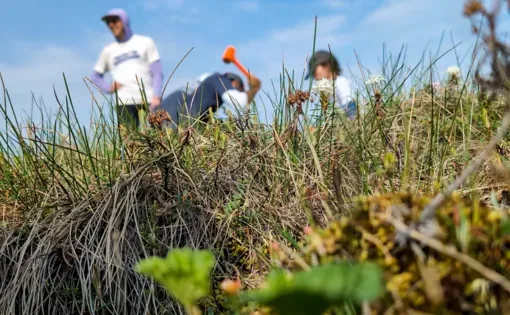
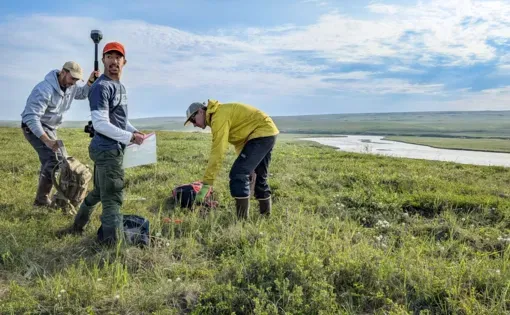
In the tundra of Alaska's northern coast, fungi keep 90% of the tundra’s carbon underground. And that's no small sum. Northern permafrost stores roughly 1 trillion metric tons of carbon in their first 3 meters of depth. The entire Amazon rainforest sequesters about one-tenth of that amount aboveground and belowground combined. New research suggests that Alaska's tundra holds some of Earth's most diverse and unique species of fungi, which regulate their ecosystem and ours.
But not forever. Tundra species now experience record extreme summer temperatures and risk becoming a source of planet-warming carbon emissions. Researchers are racing to learn more about this little examined biodiversity before it disappears.