
Journalist Pascalinah Kabi investigates the economic and human costs resulting from the U.S. decision to slash foreign aid to Lesotho in January 2025, with a focus on the critical impact of cuts to USAID funding for HIV prevention. Lesotho, heavily dependent on external support to combat HIV, faces mounting challenges as key health services unravel.
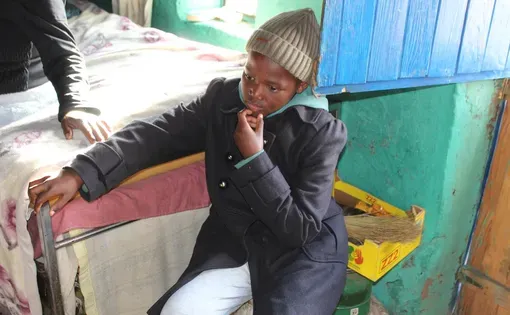
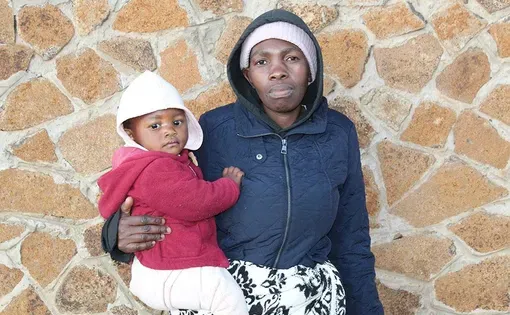
Centering on three children born to HIV-positive mothers, the project traces how U.S.-funded Prevention of Mother-to-Child Transmission (PMTCT) programs enabled them to be born HIV-free. Their survival is a direct outcome of targeted investments that ensured access to testing, treatment, and safe delivery.
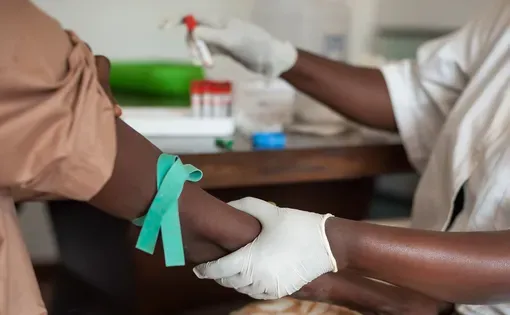
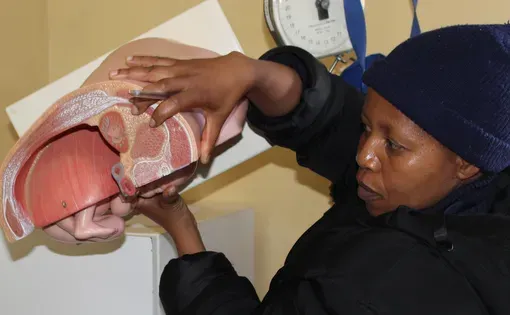
Kabi's project reveals that over 800 health sector workers—many stationed in remote areas providing vital PMTCT services such as tracing pregnant women, supporting adherence to antiretroviral therapy (ART), and supervising deliveries—have lost their jobs due to funding cuts. The loss of these workers threatens to reverse progress and endangers lives, particularly in hard-to-reach communities with limited healthcare infrastructure.
Through in-depth human stories, expert interviews, and financial analysis, Kabi's project examines the cost of keeping these children HIV-free and explores the broader societal contributions they now make through education, income generation, and caregiving. She combined quantitative and qualitative data to offer a powerful counterfactual to assess the long-term value of early HIV intervention.
Ultimately, Kabi's project raises a vital policy question: What is the true return on every dollar spent on HIV prevention—and what are the costs when that spending stops?
The Pulitzer Center's support for this reporting was made possible through the Stavros Niarchos Foundation (SNF).