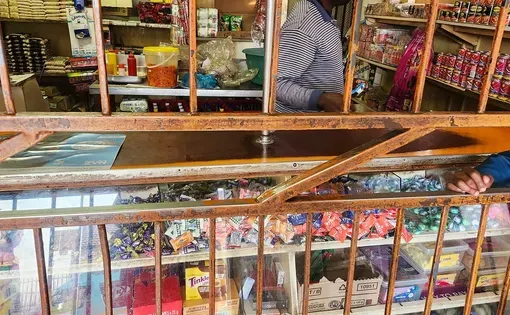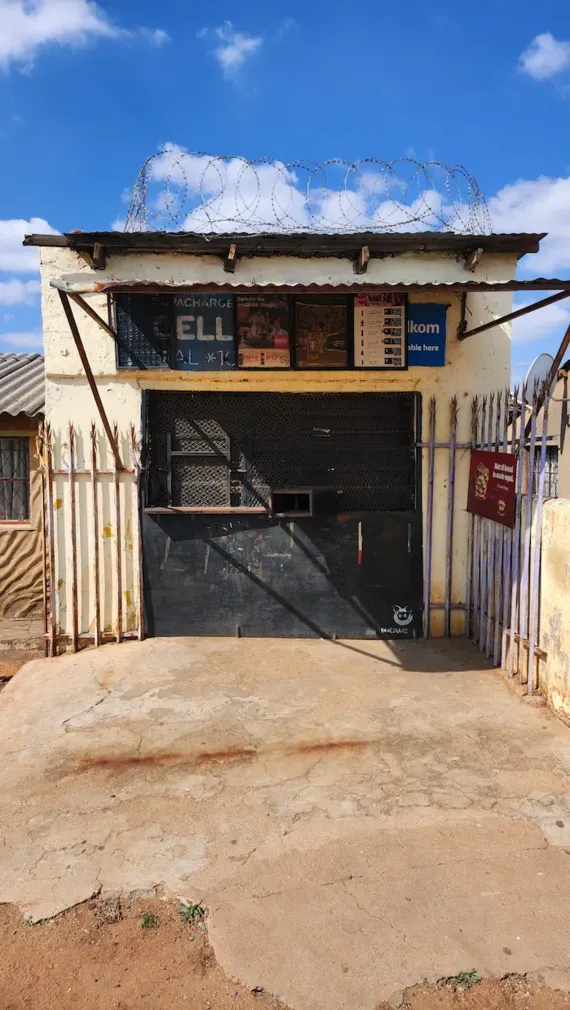

For South Africans who are Black or multiracial (identified in the country as "Coloured"), spaza shops in rural areas are spots for convenience, compared to larger markets that are inaccessible.
Yet, the legacy of apartheid creates a struggle for South Africans fighting for both accessible products and economic empowerment.
“Spaza" means “hidden” in isiZulu, a Southern Bantu language. The shops originated during apartheid, when Black and multiracial South Africans were not allowed to own businesses. In November 2024, South African President Cyril Ramaphosa ordered the closure of spaza shops that failed to meet registration requirements, such as health guidelines.
The order was issued after spaza shops were linked to the deaths of at least 21 children, including six in the Naledi township, where children allegedly purchased a snack that contained terbufos, a pesticide used to kill rats. One year after the tragedy in Naledi, a community still seeks answers.
Some Black South Africans oppose the permit order, arguing that it raises concerns about inequality.
This reporting project includes interviews with spaza shop owners, consumers, and experts, who all weigh in on solutions for accessible and quality spaza shops.
Image caption: A closed spaza shop is shown in Naledi, Soweto, South Africa, after allegations of illegal pesticides in a snack that killed six children in October 2024. Image by Naomi Campbell. 2025.