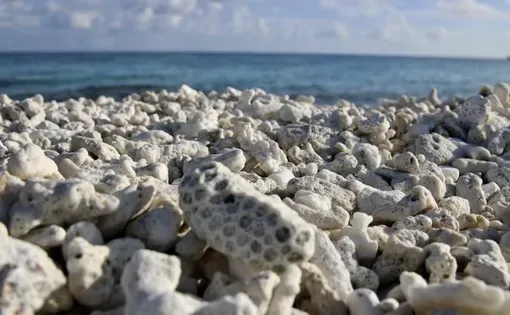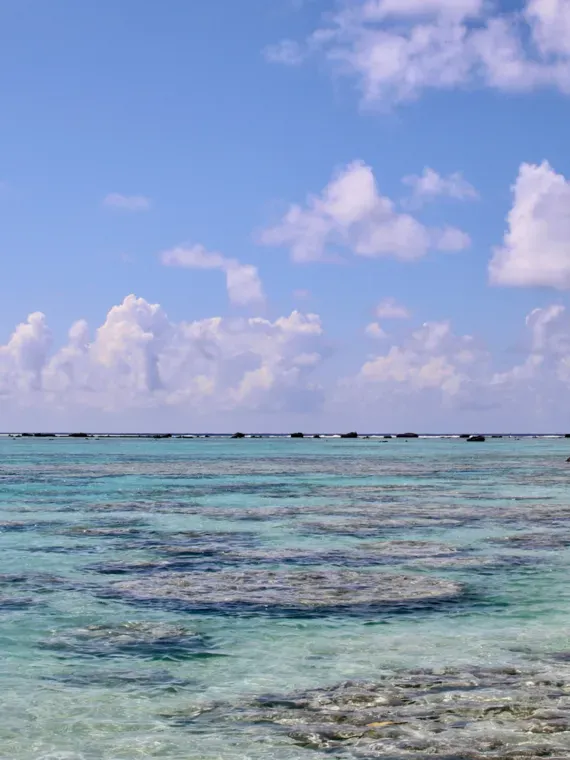

Pacific islands and atolls have garnered international attention for their vulnerability to sea level rise, but many of them aren’t sinking at all.
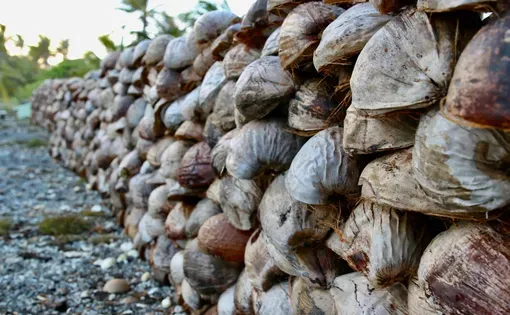
A recent study found 70% of atolls have stayed stable or gained land mass. For the third that are sinking, coconut palm monocultures might be to blame; 50% of native Pacific atoll forests were displaced by coconut palms—twice the deforestation of the Amazon today.
These relics of colonialism prevent atolls' natural ability to move and shift over time—the very thing that usually makes them so resilient to a rising sea. These farms long ago lost financial viability but remain subsidized by governments in an effort to retain remote economies. What’s more, many islanders revere the coconut palm as the “tree of life” that brought prosperity to their lands. This binary narrative is not just incorrect, it’s destructive.
Outdated subsidies for copra ensure these governments are paying for the continued depletion of their home. In February, island nations will meet to discuss alternatives to the popular copra subsidy, something the Marshall Islands is pioneering for the first time ever.
This reporting project will investigate a new age of island economics, a modern opportunity to center conservation, and a changing narrative for the darlings of the climate victim story—atolls.