Project December 12, 2024
A Return of the U.K. Bogs as Ancient Climate Sentinels
Country:

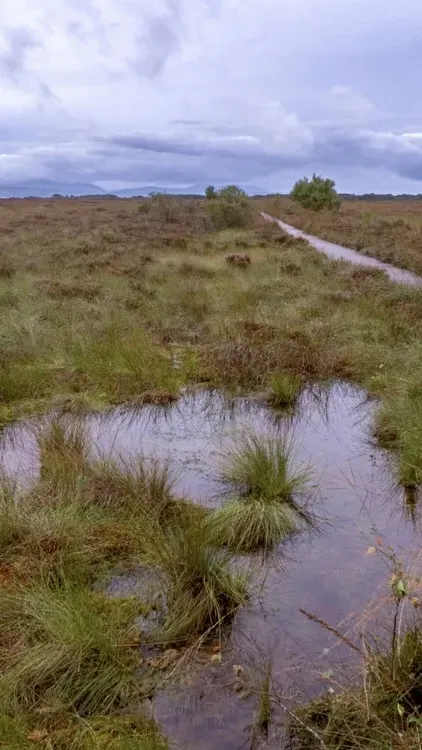
Pulitzer Center Reporting Fellow Jess Savage spent five weeks reviewing new wetland research and reporting on the U.K.’s Yorkshire Peat Partnership, a conservation organization restoring upland peatlands.
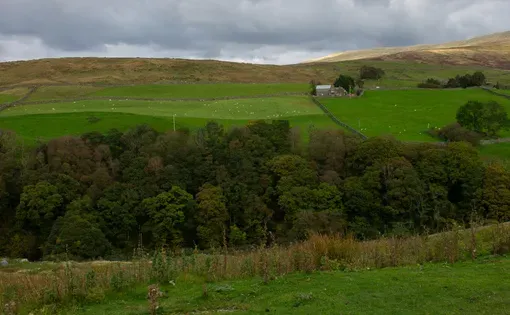
After World War II, the British government sought to increase the nation's economic productivity. The government financially incentivized sheep farmers to increase their herds, which motivated farmers to drain the local upland bogs and increase their grazing capabilities. This created runaway erosion conditions. However, a controversial conservation movement is working to put nature back in the driver’s seat.
Rewilding, which is an ecosystem approach to restoring human-caused degradation, is slowly gaining traction among wealthy landowners, but it leaves sheep farmers nervous about their future. Currently, U.K. sheep farming is an intensive practice that degrades the soil and requires a lot of land, and restoring natural systems would all but require farmers to decrease their herds.
This reporting project focuses on how sheep farmers are directly impacted by rewilding, and whether it’s possible for them to reimagine their jobs to allow for lower-impact farming.