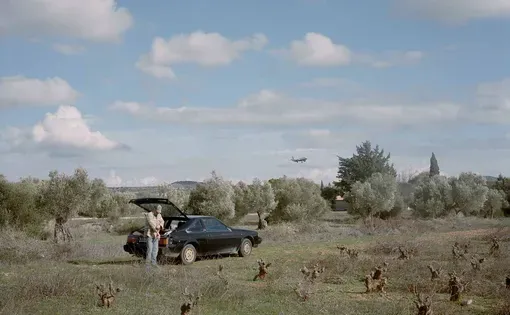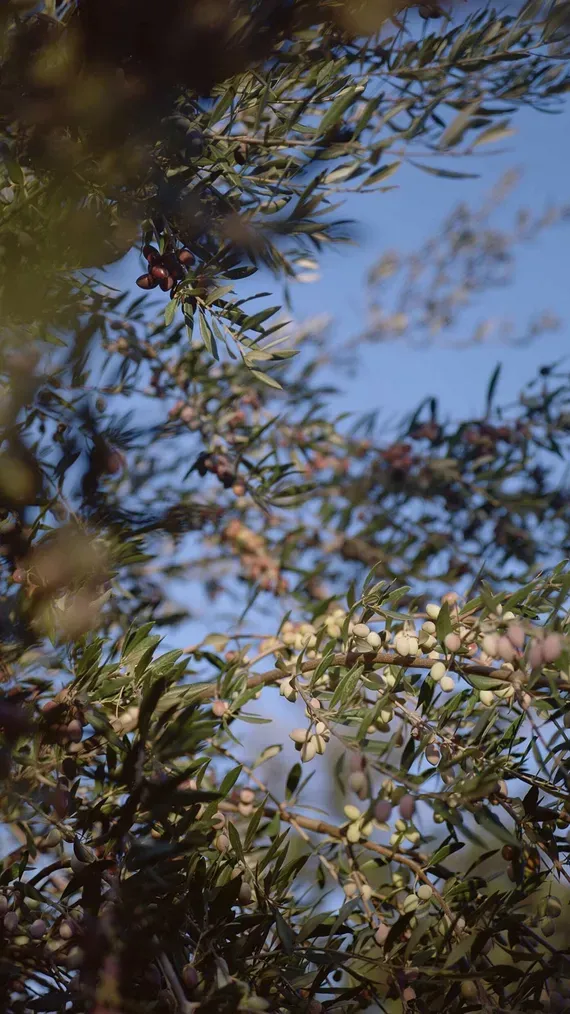

One early morning last year, right before harvest, a farmer on the outskirts of Athens woke up to find that 15 of his olive trees had been cut down in the cover of night. It had happened to some of his neighbors, too.
Theft of olives and olive oil was on the rise throughout the country, too, and worldwide; warehouses from Spain to Italy to Greece to Houston, Texas, and even a delivery truck in Montreal have been recent heist sites. But the issue has become particularly out of control in Greece, one of the poorest countries in Europe and the world’s third largest producer of olive oil.
These thefts are part of a rising global trend in food theft, thanks to inflation, food insecurity, and supply chain breakdowns. But more specifically, olive oil heists are the result of the commodity’s skyrocketing prices across the globe, largely due to climate change. Forty-five percent of the world’s olive oil comes from Spain, which—like all of Europe—has experienced devastating droughts the past three years, nearly halving its production, and causing the global price to double.
The global olive oil supply crisis and the resulting epidemic of olive theft in Greece is both a business and a climate change story that makes clear the economic effects of climate change on a single commodity—and one that is a staple of more than half of U.S. households.
This reporting project will illuminate the downstream ecological, economic, and human costs of climate change through the lens of this suddenly scarce and lucrative crop.