
Svalbard, Norway, is perched at the front lines of both climate change and geopolitical rivalry. As Russia revives historical claims, China expands its Arctic footprint, and Norway tightens its interpretation of sovereignty, even routine scientific activity is being recast through a strategic lens.
At the same time, the archipelago is warming faster than almost anywhere on Earth and is often described as a “canary in the coal mine” for Arctic climate change. The summer of 2024 brought a record-shattering melt season, with ice loss contributing measurably to global sea-level rise.
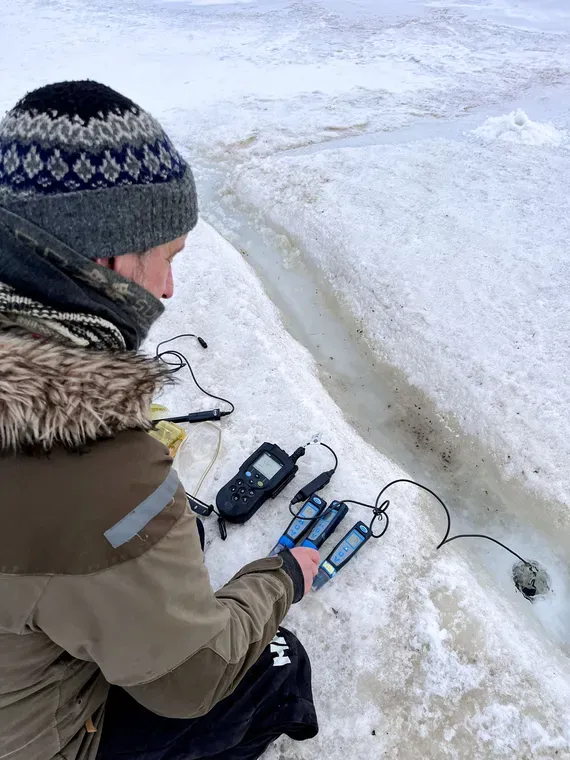
This project examines how frontline climate science operates under mounting strategic strain. Scientists at Svalbard’s international research town of Ny-Ålesund monitor everything from glacier mass balance and permafrost thaw to atmospheric circulation patterns that drove the 2024 melt event.
The scientific ecosystem is no longer insulated from politics. For example, China’s Yellow River Station conducts legitimate polar research but is viewed by some Western officials as a potential strategic foothold because of its access to space weather monitoring and communications infrastructure. Russian scientists, once fully integrated into Arctic research networks, now operate under sanctions and heightened suspicion. Data-sharing restrictions, security briefings, and self-censorship are reshaping the scientific culture.
Reporting explores the science of rapid Arctic transformation and the broader stakes of who controls data, seabed resources, and access in the High North.