Project August 26, 2026
Inside the Global Fight To Keep Polio From Making a Comeback
Country:

On the first day of Donald Trump’s second administration, he announced that the United States “intends to withdraw from the WHO.” The country was defunding, de-staffing, and ceasing all negotiations with the organization. Two weeks later, Trump withdrew from parts of the United Nations — the parent organization of UNICEF — alleging the body’s efforts “act contrary to the interests of the United States.” Days later, the White House’s Department of Governmental Efficiency (DOGE) gutted the U.S. Agency for International Development (USAID). By the time the dust settled, some $230 million dedicated to fight global polio had evaporated.
One of the government’s few remaining experts quickly flagged the potential impact of the cuts. Nicholas Enrich, then-acting assistant administrator for global health at USAID, wrote that the cuts could lead to an additional 200,000 severe polio cases annually in the U.S. Those figures could be even worse amid mounting anti-vaccine sentiment that has pushed polio immunization rates to their lowest on record. Millions of Americans, Enrich wrote, “are at risk for large outbreaks that can cause paralysis and death.” To say nothing of the untold millions of infants and children elsewhere across the globe, where the entire vaccine delivery and viral testing infrastructure depends on humanitarian aid, without which, there are no easy solutions, and no easy answers.
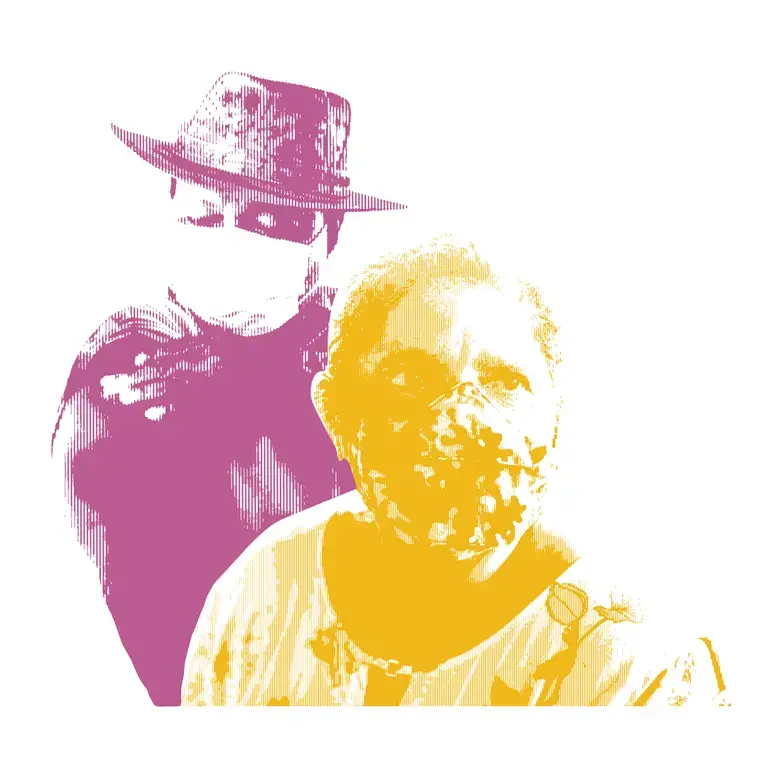
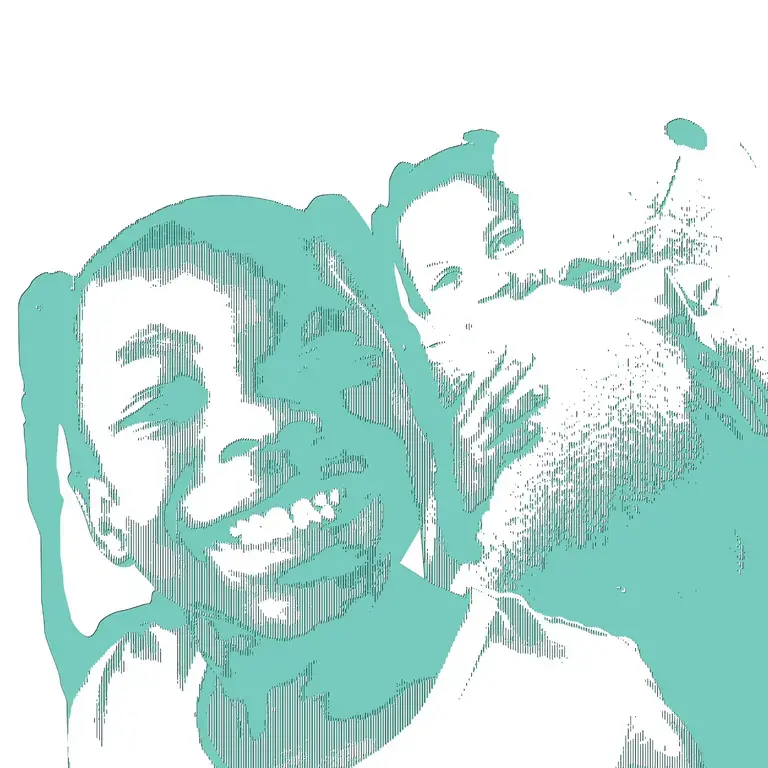
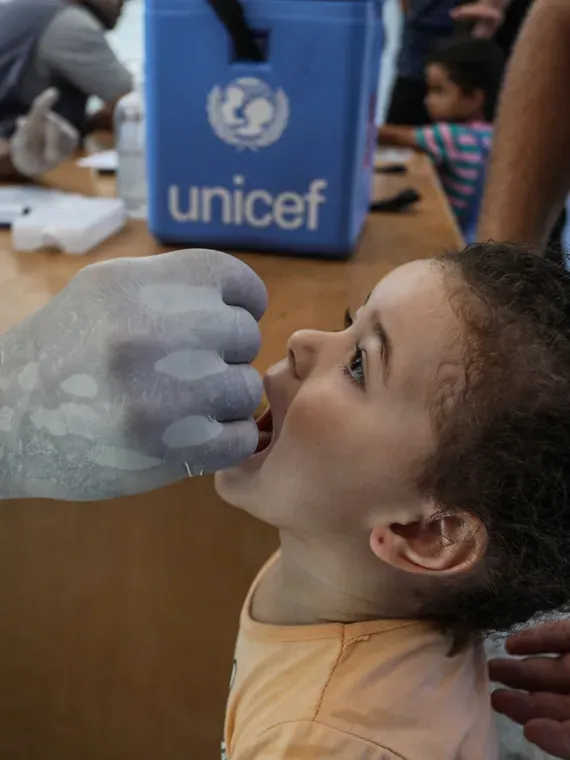
This reporting project examines the evolving impacts of the humanitarian aid cuts. And, it seeks to demonstrate the human impact of the cuts: both by putting faces to a disease not seen in the U.S. in a generation, and by illustrating—should the virus make a comeback, as some fear—what that could look like.