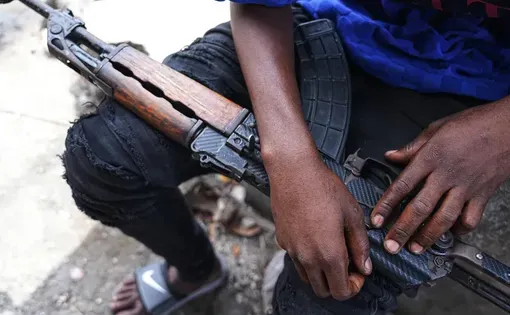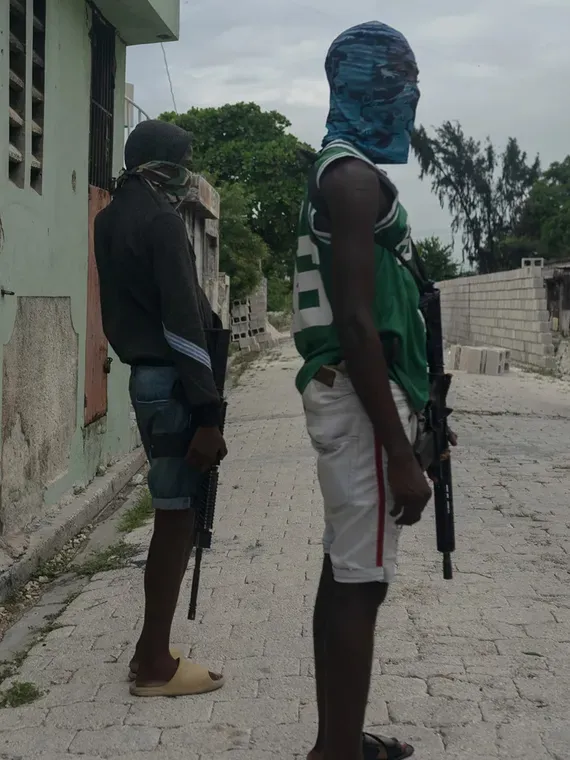
Last year, child recruitment into Haiti's armed groups nearly tripled, the same year USAID cut peace, security, and livelihoods funding in half. Journalist Jess DiPierro Obert investigates the link between that funding collapse and the surge in recruitment. She reports from across Haiti where economic desperation and a weakened peace-building infrastructure are leaving young people with few alternatives to joining gangs.
Organizations central to Haiti's conflict-resolution efforts have been hit hard. Lakou Lapè, two years into a five-year peace-building program, lost the majority of its funding in early 2025 and has suspended all activities. The Institute for Research and Action for Peace has been unable to keep its peace committees staffed full-time, scrambling to replace lost funding from European sources. Meanwhile, livelihoods and agriculture programs that once stabilized at-risk communities have pivoted to emergency aid, abandoning the longer-term work that interrupted the path to recruitment.
Drawing on interviews with aid workers, local peace-building organizers, and community members on the ground, DiPierro Obert traces how the retreat of U.S. assistance is reshaping daily life in Haiti's most vulnerable neighborhoods and handing armed groups greater control.