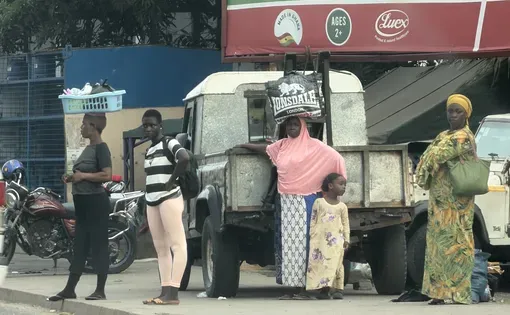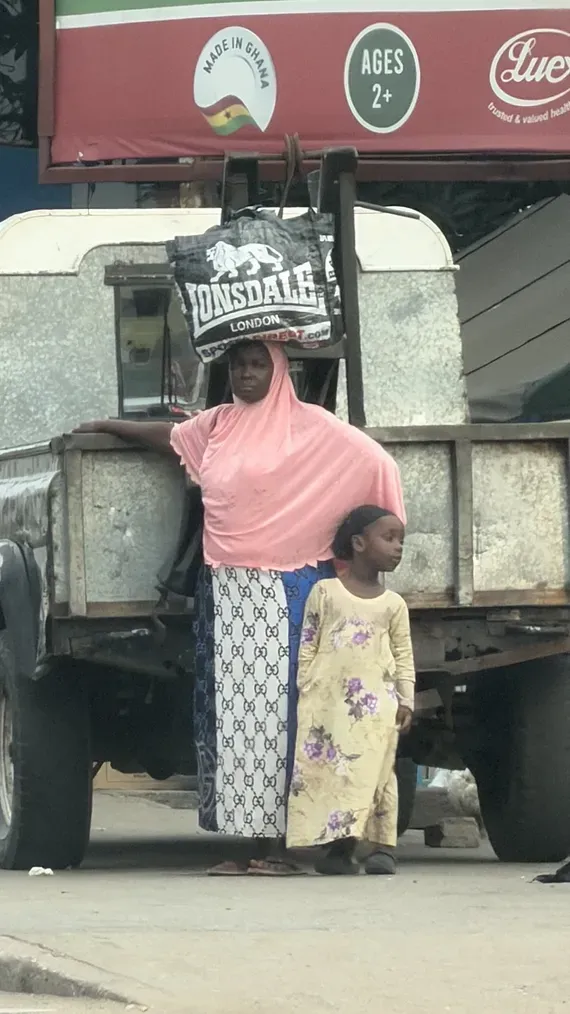

Across Ghana, adolescent pregnancy is often discussed as an issue of individual choice. But for many girls, the circumstances surrounding that choice begin long before pregnancy.
Ghana recorded more than 542,000 pregnancies among girls 15 to 19 years old and more than 13,000 among girls 10 to 14 years old between 2016 and 2020, according to Ghana Health Service data cited by UNFPA. Research also shows relationships between adolescent childbearing and factors including education, economic status, healthcare access, and gender expectations. But statistics alone cannot explain why these patterns persist.
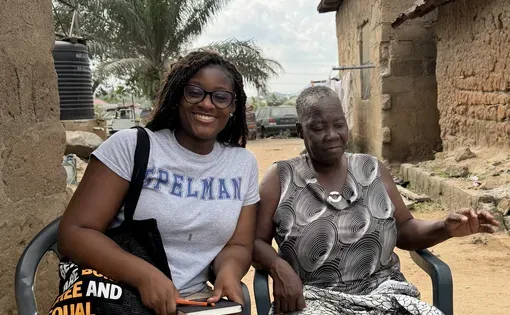
Reporting from communities including Doboro and Accra in Ghana, Reporting Fellow Tanesha Golding explores what adolescent pregnancy looks like beyond national statistics. To report on the poverty-to-pregnancy pipeline in Ghana, Golding follows the experiences of women across generations, including 73-year-old Comfort Kumiwaa, who became a mother at 17, and younger women whose experiences reflect the continuing effects of limited opportunity.
This project looks at how expectations surrounding marriage, motherhood, and women’s domestic roles can shape what adulthood looks like for girls. What happens when the conditions surrounding a girl’s life narrow the choices available to her?