Project October 17, 2026
Cost of Survival: Ethiopia’s Food Inflation and the Mental Toll on Women
Country:

Journalist Yodit Admasu Tefera investigates the hidden psychological cost of Ethiopia's rising cost of living on low-income women who are struggling to support their families on minimum or low wages.
As the government implements economic reforms that include changes to taxation and reductions in subsidies for goods and services, households already living on limited incomes are facing increased pressure amid the rising prices of essential goods.
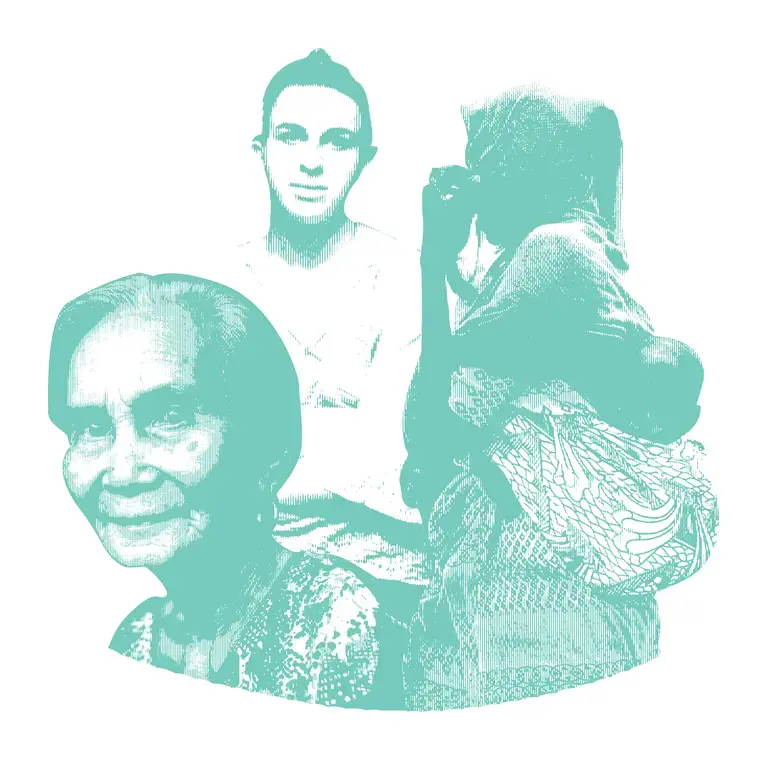
At the center of the project are two low-income women who are heads of their households. Their experiences provide a glimpse into how rising food prices and increasing household expenses affect women's mental well-being, family responsibilities, and ability to cope with everyday life.
This reporting project examines the relationship between economic hardship and mental health, particularly among women who bear much of the responsibility for feeding and caring for their families. It draws on interviews with economists, mental-health professionals, gender organizations, affected women, and governmental and non-governmental stakeholders to examine whether the psychological consequences of economic reforms are being adequately considered.
In a country where mental health remains significantly under-resourced, this project tries to answer a central question: What is the human cost of Ethiopia's economic reform, and are low-income women carrying the cost?