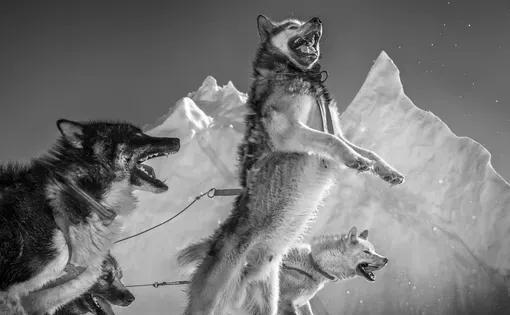

Greenland is the largest island in the world. It is three times the size of Texas but home to fewer than 57,000 people, scattered among 72 towns and settlements, none of which are connected by roads. Ninety-six percent of the population lives on the west coast; the remaining 4%, in the east, are subjected to a current of sea ice from the Arctic Ocean and to violent katabatic winds that roar down the slopes of the ice sheet into the fjords.
The country is at a pivotal moment in its history, and it has never been of so much interest to the international community. But the small places—especially in the disconnected east—feel forgotten. Settlements that never required or had an economy that extended beyond their own survival are unmoored. People still hunt as a matter of cultural identity but are unable to sustain themselves by it. Each year, more young people venture out and never return; it’s not clear what kind of life is left for them.
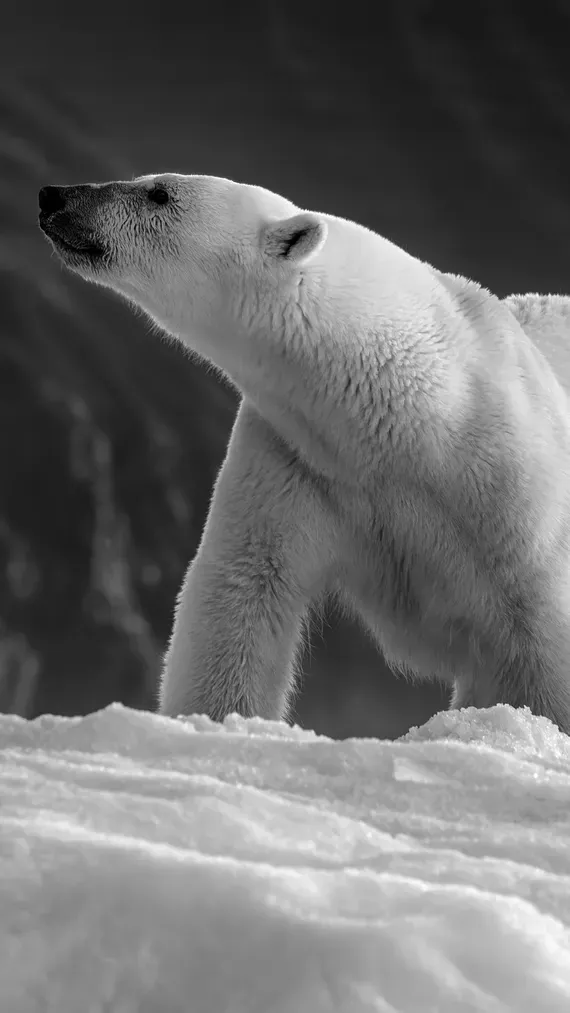
This summer, Ben Taub set off for the most remote settlement in Greenland, a lonely town in the east that is tucked away in the world’s largest fjord system, which is usually locked in by ice. The town, which is called “Ittoqqortoormiit,” is totally disconnected from the rest of the country; the next village over is 500 miles to the south, and separated by impassable mountains and glaciers. Along with the photographer Ragnar Axelsson, Taub spent time on the melting sea ice with Hjelmer Hammeken, the greatest polar bear hunter in Greenlandic history. But Hammeken’s way of life is vanishing along with the ice. “There used to be many hunters,” he said. “Now we are ten.”