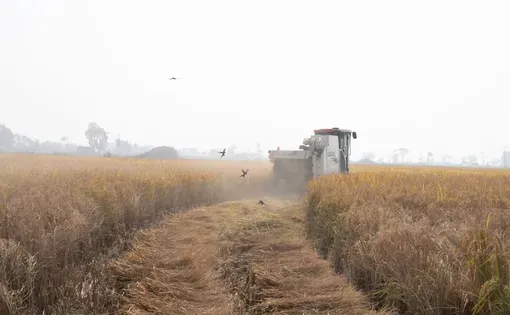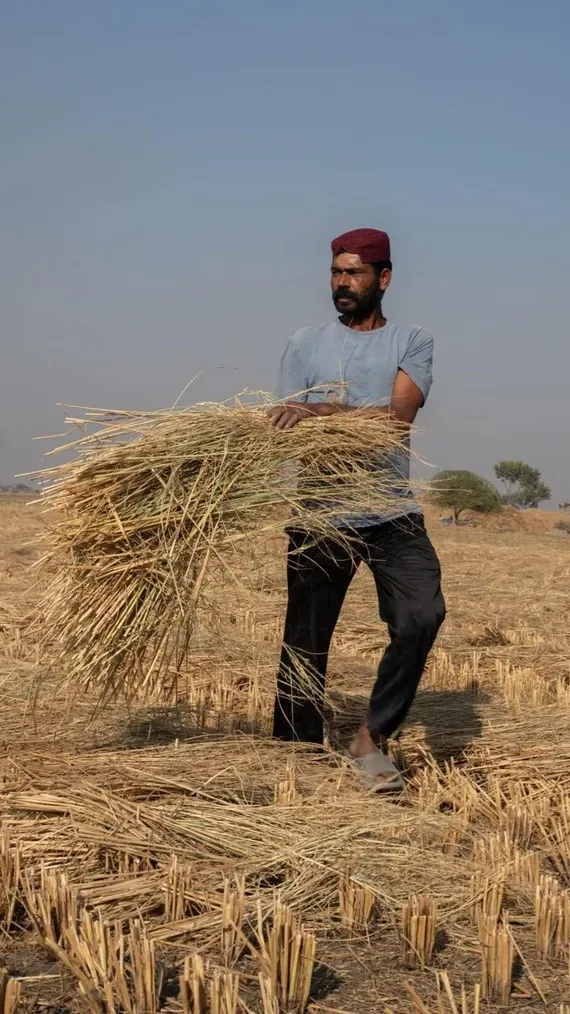

South Asia’s basmati rice industry will more than double over a decade, thanks to international demand. It is projected to grow to nearly $27 billion by 2032. The crop, grown in flooded paddy fields in India and Pakistan, is highly water intensive. Basmati is a growing and crucial export crop for Pakistan, but it’s caught in the crossfire between the two nuclear states, who briefly fought an armed conflict in 2025. The crop depends on river water from the Himalayas, but climate change has caused record-low snowfalls leading to water shortages and dwindling groundwater.
At the same time, flash flooding in recent months has wreaked havoc on the crop. To make matters worse, India suspended the decades-old treaty that governs how the two countries share water from six rivers in the Indus region. All six headwaters are in India, and the rivers flow into the region where 80% of Pakistan's crops are grown.
Reporting for the Toronto Star and Serviette Magazine, journalist Sadiya Ansari looks at how conflict, climate change, and floods have left Pakistan’s rice crop vulnerable and how this impacts local producers and global consumers.