Project December 2, 2025
Tracking American Climate Financing in Pakistan
Country:

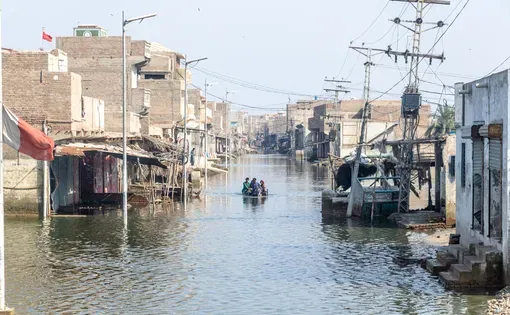
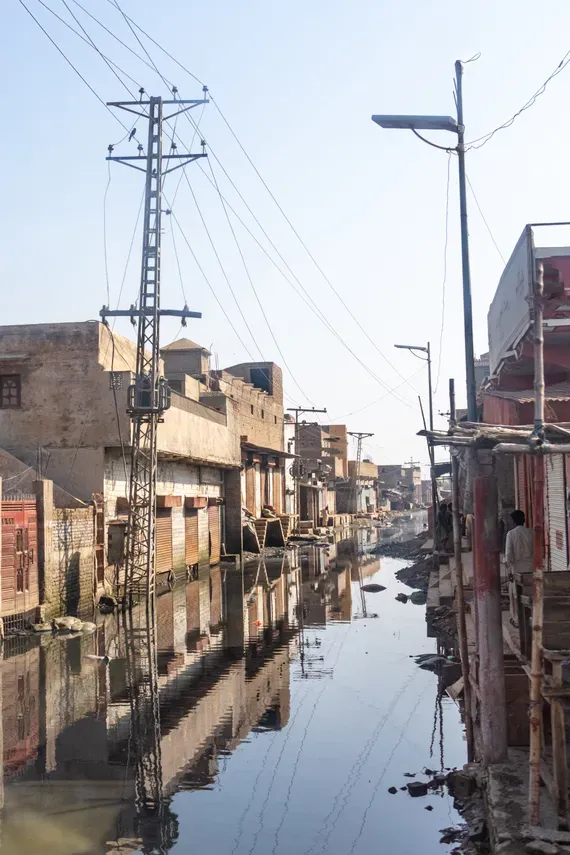
In 2022, Pakistan experienced one of the worst floods in its history. Record rains inundated one-third of the country, breaking bridges, causing rivers to overflow their banks, and sweeping away entire neighborhoods.
After the floods, Pakistan’s government rallied. Its leaders took to forums worldwide to demand climate reparations, amassing some $10 billion from governments and international development institutions to rebuild and revitalize areas affected by this climate catastrophe. The United States alone pledged over $200 million for flood relief—$100 million of which it said would support Pakistan government-led recovery programs.
It’s impossible to talk about disaster recovery in Pakistan without looking at the involvement of the United States and the international institutions it supports. International lenders have financed some of Pakistan’s most significant climate interventions. However, many of these projects have suffered from poor planning and lack of follow-through; Pakistan is scattered with development projects that have fallen by the wayside despite receiving an initial investment influx.
This reporting project will compare the dollars pledged by the United States to flood rehabilitation efforts carried out by the Pakistani government, looking at whether American funds have been invested appropriately. At a time when low-income countries increasingly need funds to adapt to climate change, this reporting will contribute crucial transparency to future discussions about climate reparations.
Image by Ali Magsi/Adobe Stock. Pakistan.