
In 2015, major wildfires consumed half of the forest inside the Kuikuro Indigenous territory in the Upper Xingu region of the Brazilian Amazon. While wildfires have been part of Amazonian history even before modern times, tragedies like these have become the new normal in the forest—driven by unusual droughts and the expansion of cleared areas for cattle ranching, agriculture, logging, and illegal mining.
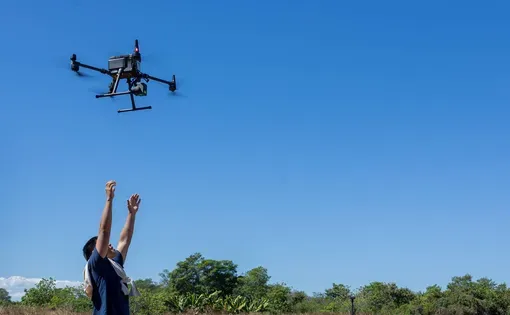
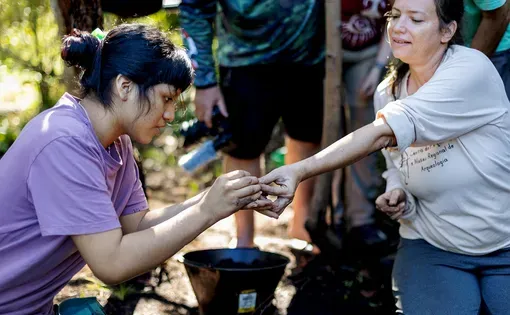
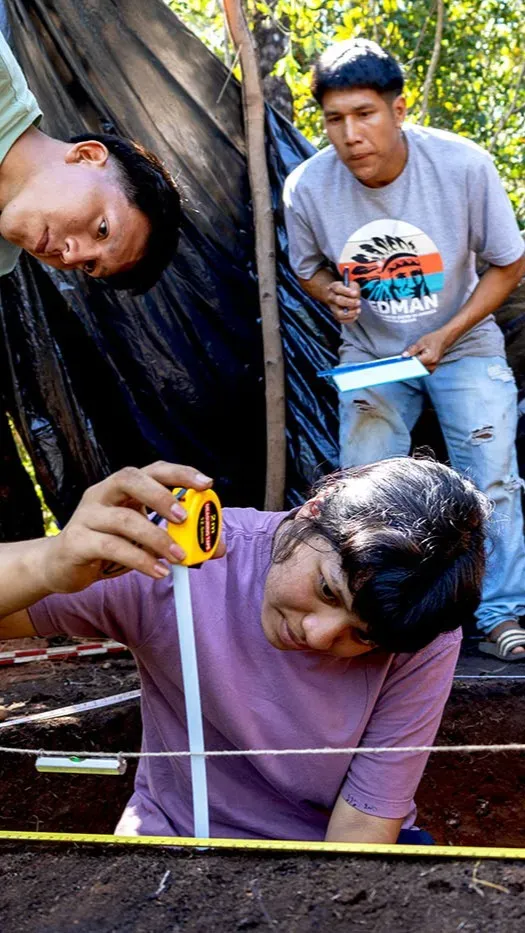
The Kuikuro have no chance of survival unless they adapt, and the answers to how to do so can come from their own history. Archaeological studies conducted in partnership with the Kuikuro themselves have shown that, before the arrival of colonizers, their ancestors developed advanced technologies on several fronts, including ceramic production, agriculture, city planning, and fire management. Over the past few decades, the Kuikuro have developed a unique partnership with archaeologists that has culminated in a truly collaborative method of research within their territory, one in which research questions originate from the community and results are utilized in their service as well. Together, the Kuikuro and researchers have been utilizing Lidar technology, drones, and excavations to explore their past, gain insights into their future, and safeguard their present.
This story will shed light on this cooperation, highlighting its challenges and the ethical issues of research data ownership. Journalist Sofia Moutinho will explore the concept of archaeology at the community service, highlighting the elements that make this project successful and examining any tension between science and the priorities of Indigenous peoples.