Story
 November 21, 2026
Photo Essay: Senegal’s Farmers Are Working on Climate Change’s Front Line
Country:


Africa, warming faster than the global average, is also heavily dependant on outdoor workers. Around...
MATAM, Senegal — As the impacts of climate change intensify, farmers and farmworkers are being forced to adapt.
During European summers, farmers are driving their tractors at night. In the United States, dairy producers are installing sprinklers and fans to keep their cows cool.
In northeast Senegal — one of the places in Africa where temperatures are rising more quickly than in the rest of the world — farmers say the lessons of previous generations are often no longer applicable.

As a nonprofit journalism organization, we depend on your support to fund more than 170 reporting projects every year on critical global and local issues. Donate any amount today to become a Pulitzer Center Champion and receive exclusive benefits!
Planting seasons are hotter, and working days shorter. Swimming in the river no longer provides the relief it once did. Workers are falling sick.
Temperatures in Matam, Senegal, can now reach as high as 113 degrees.
People have been forced to adapt, but they say the future is uncertain.
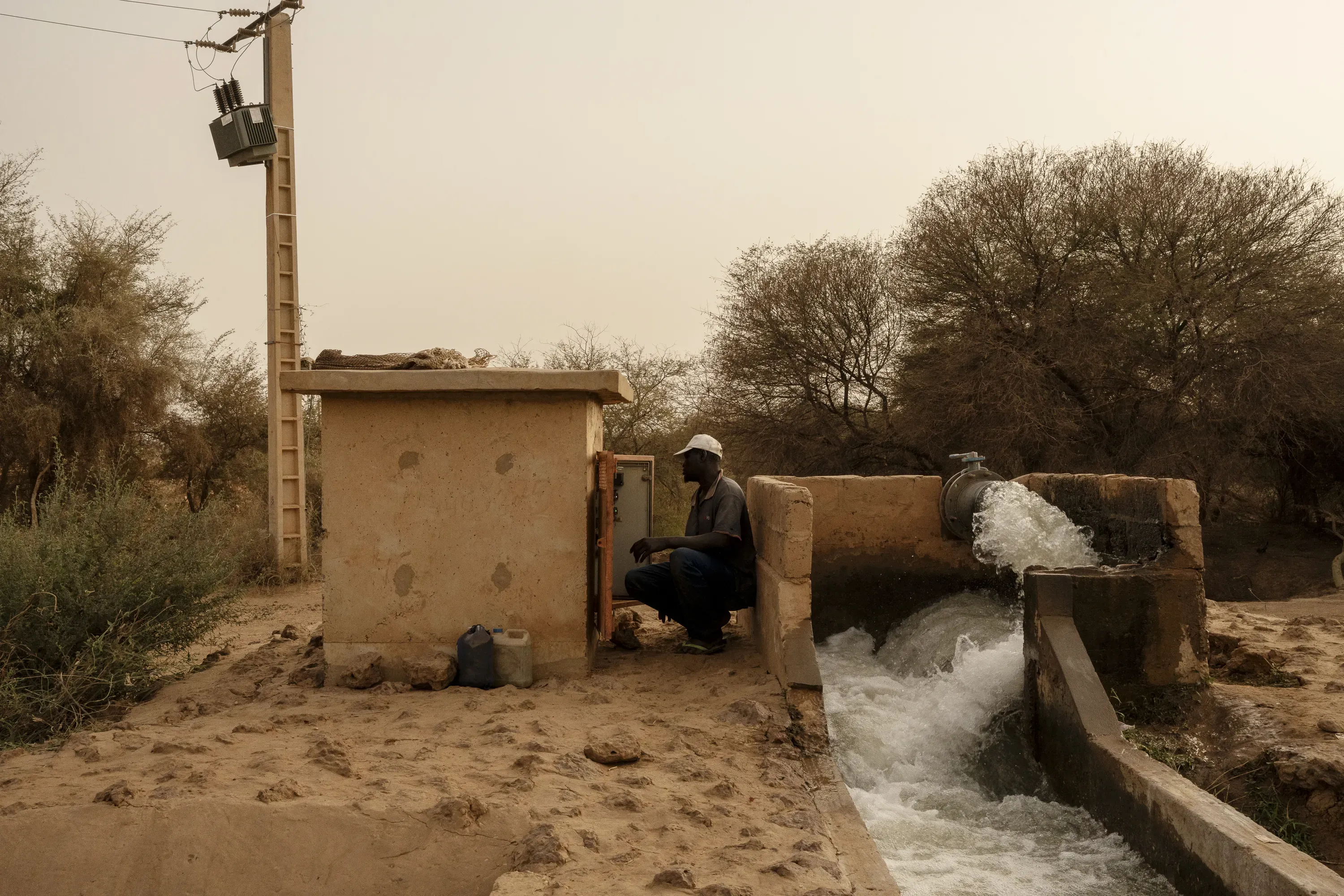
As temperatures rise, water is more important than ever. Irrigation systems shared among farms along the Senegal River have become vital.
Moumoud Fall, 51, manages a field near Goudoudé Ndouétbé that is fed by a 230-foot-deep solar-powered well and two water retention basins. All around the project, orange dust dominates.
“Here, you can’t farm without managing water,” he said.
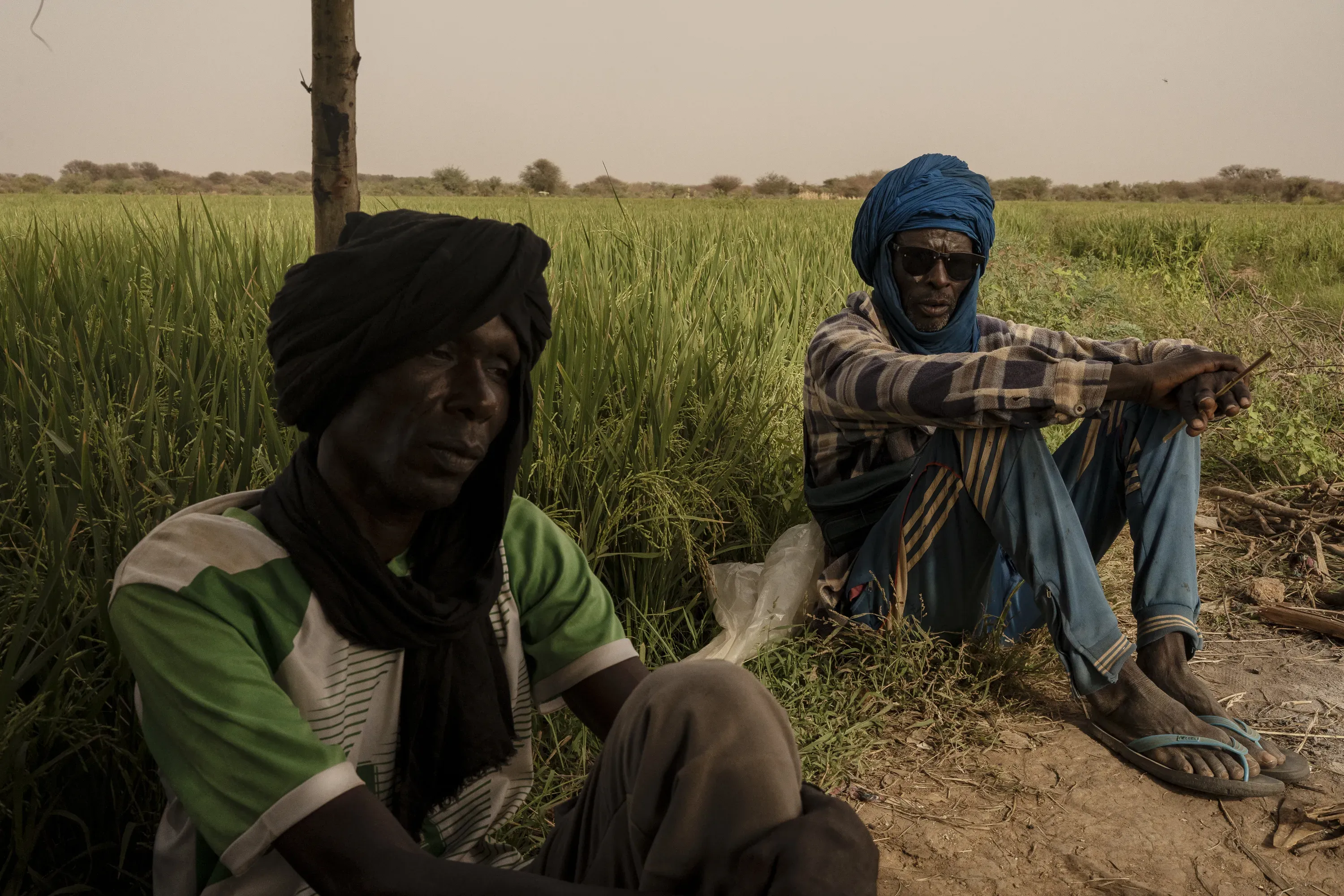
Abdoulaye Sognane, 54, said that it is noticeably hotter in recent years and that he can no longer work between 1 p.m. and 5 p.m. because of the temperature.
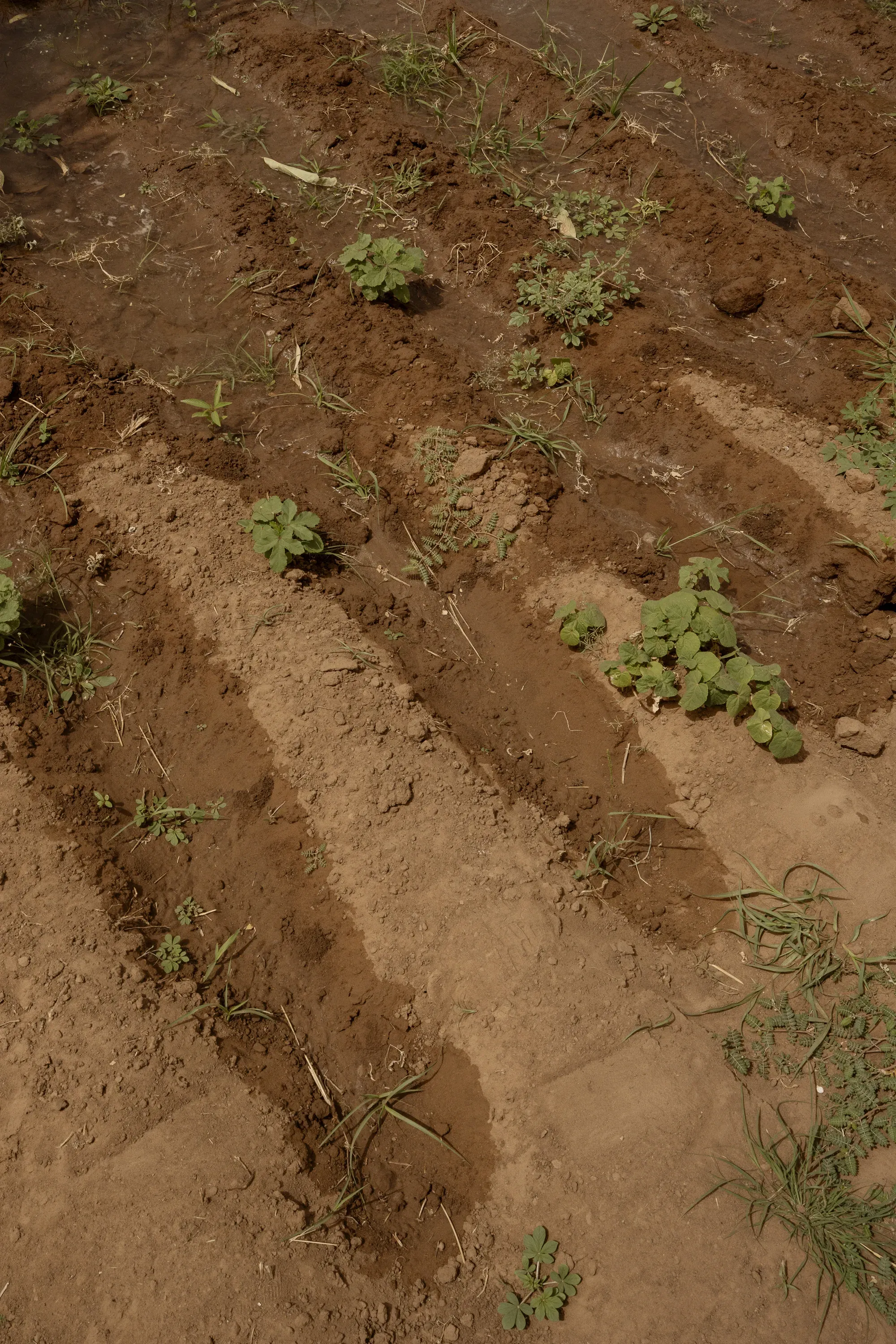
“Your skin feels like an iron being heated up,” Sognane said, adding that even jumping in the canal no longer helps. “In less than 30 minutes, you’re completely dry again,” he said.
With 20 years of experience under his belt, he believes that eventually they’ll have to adapt their crops or focus more on “winter farming” during the few cooler months.
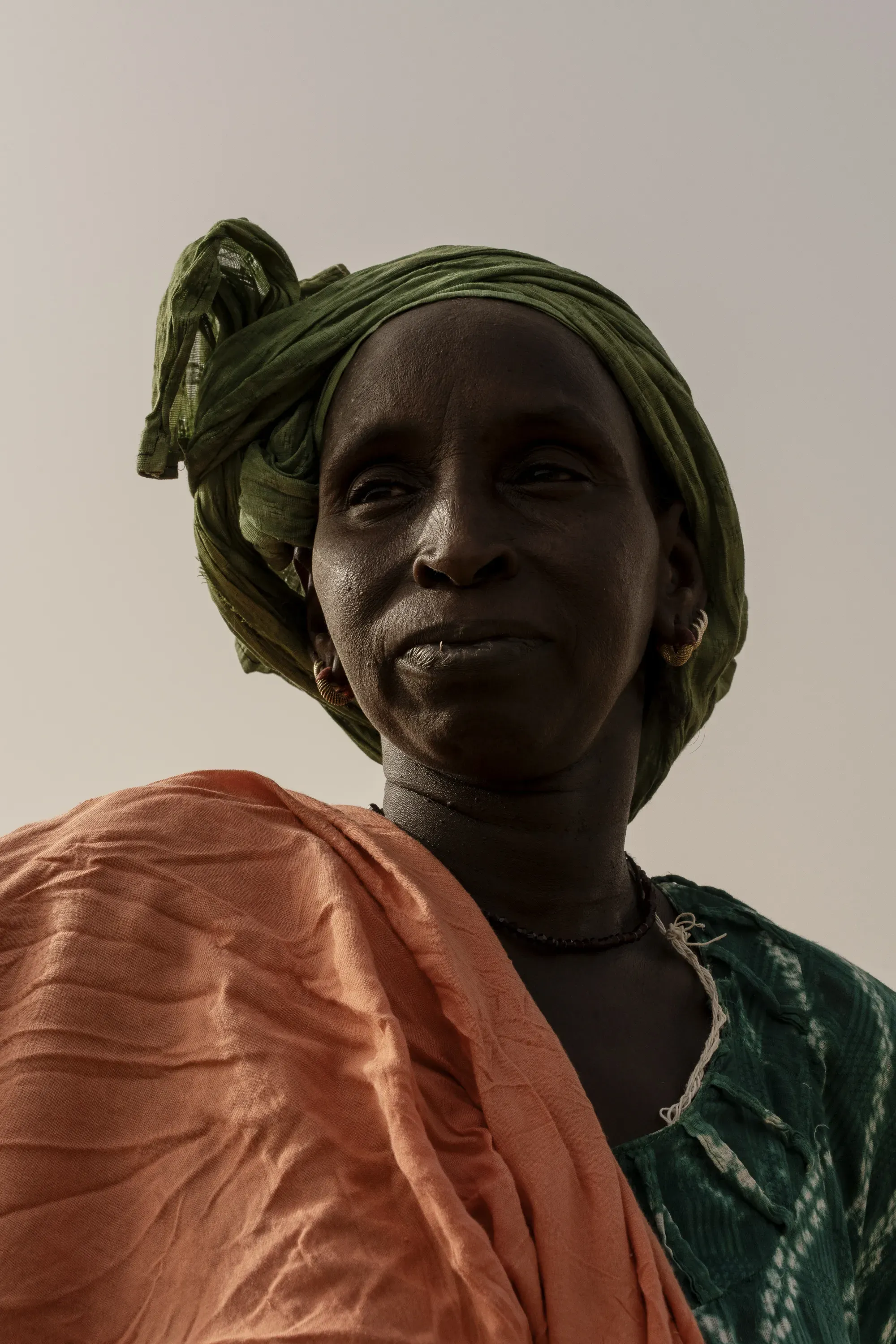
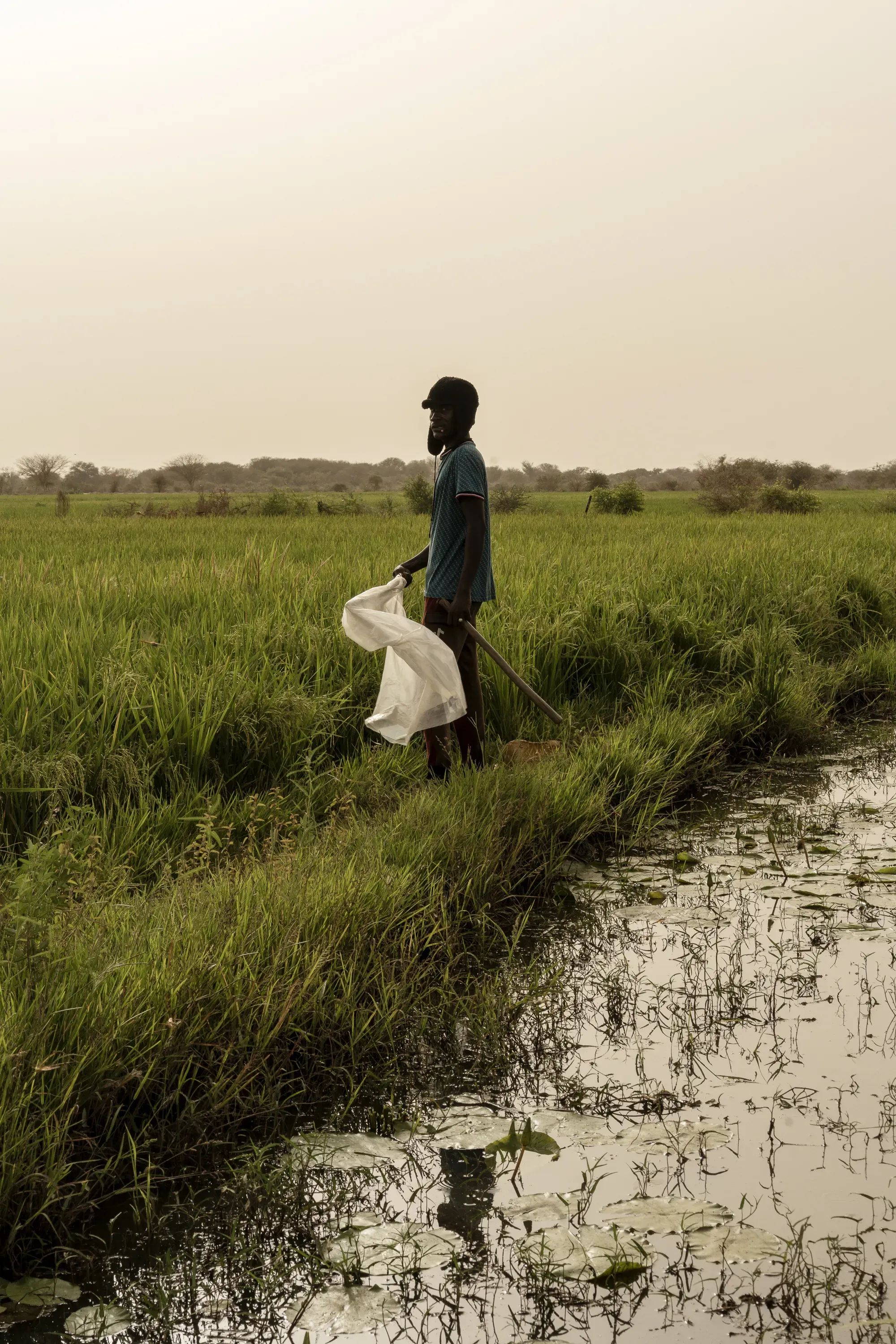
Mariam Diallo, 35, spends her days chasing away the birds that attack her rice crops. A stroke three years ago left her husband paralyzed. Overnight, she found herself responsible for caring for her eight children.
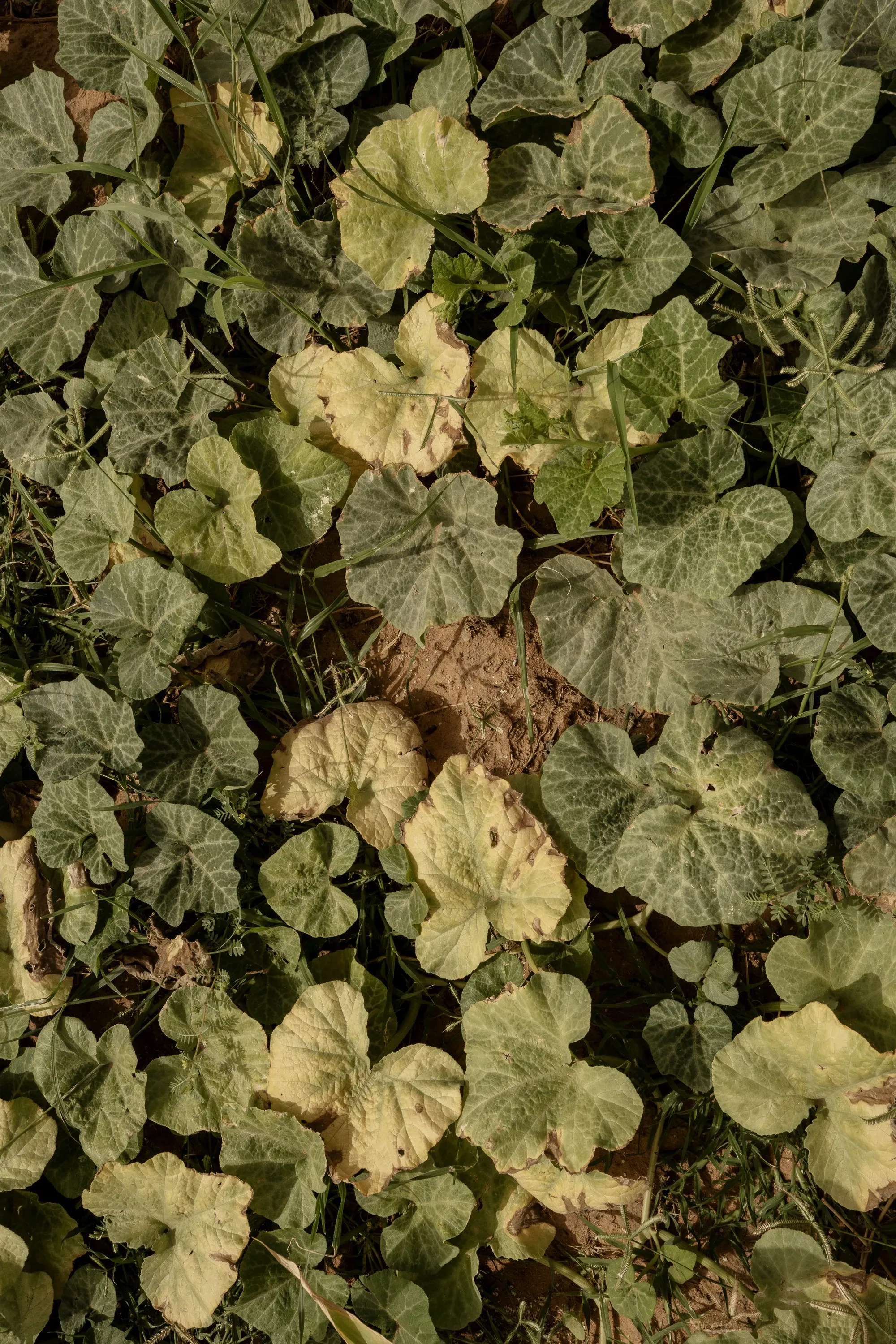
“It’s hot, and I’m suffering,” Diallo says, but her children are “still too young to take over.”
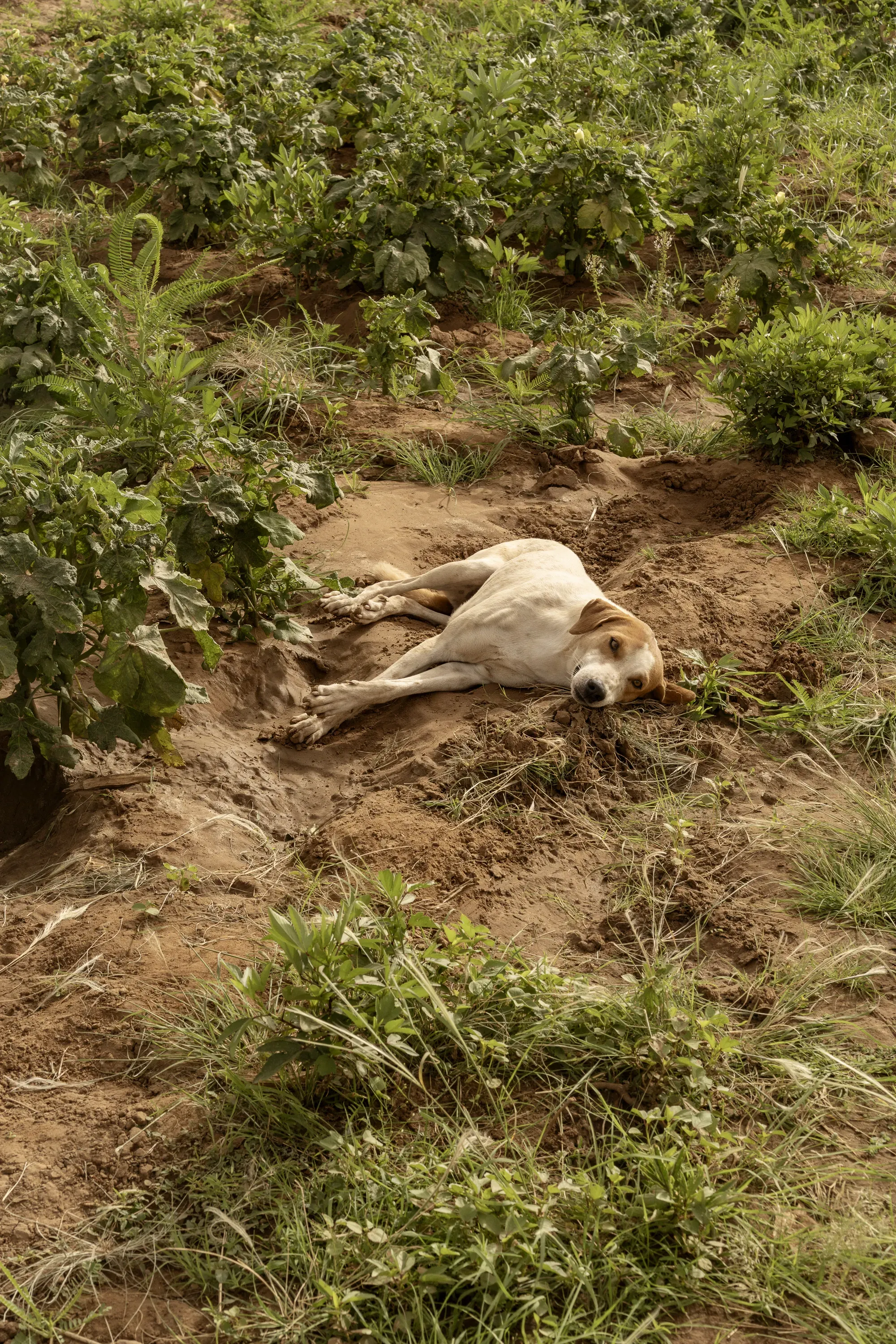
Even under the trees, Diallo says, it’s impossible to escape the high temperatures. Just before harvest, when the days grow longer, the heat can overwhelm her. “It’s been too long since it’s been cool,” she says.
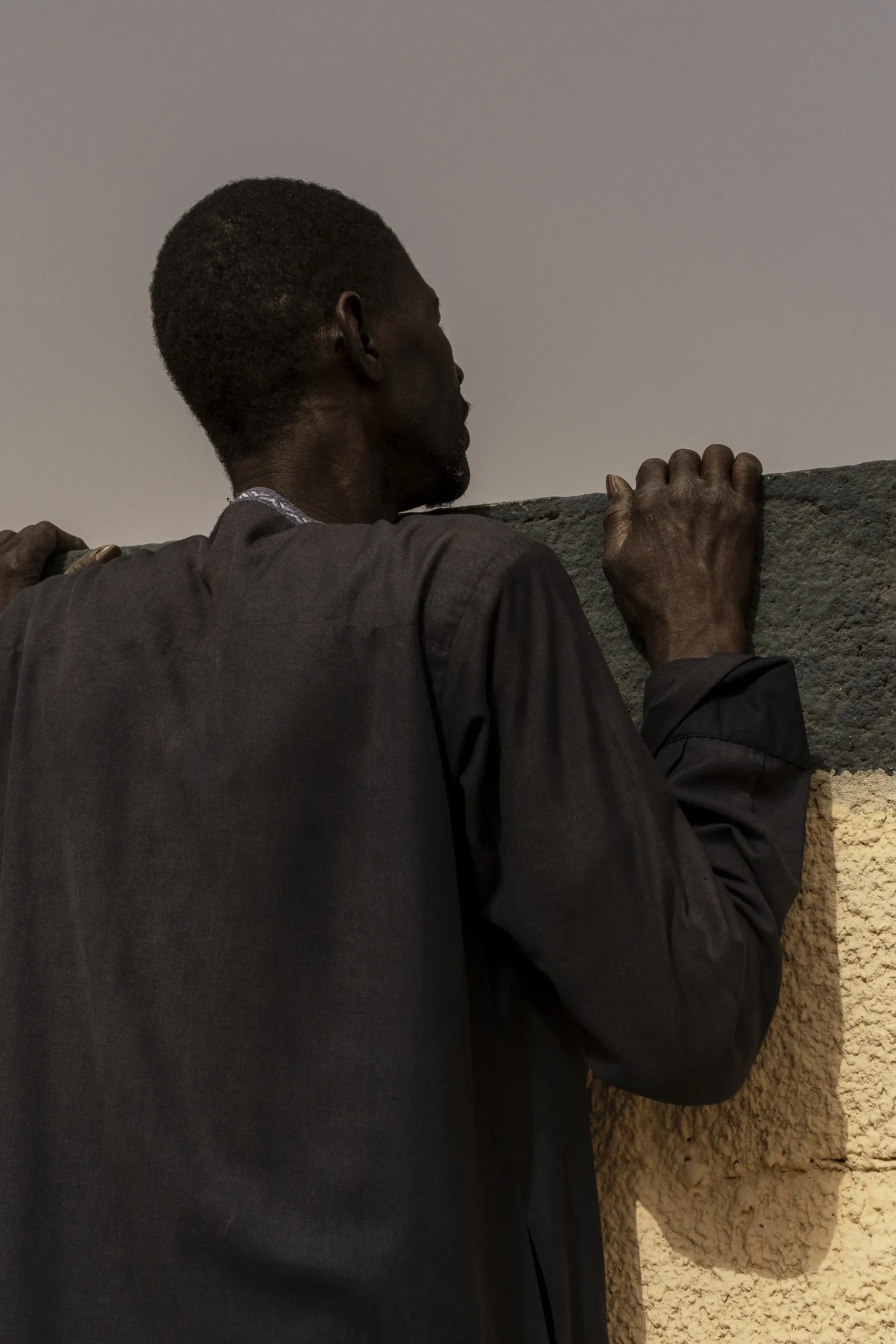
Moumoud Fall, 51, looks at a water retention basin. He began reforesting the land two years ago, planting fruit trees to provide shade for growing vegetables.
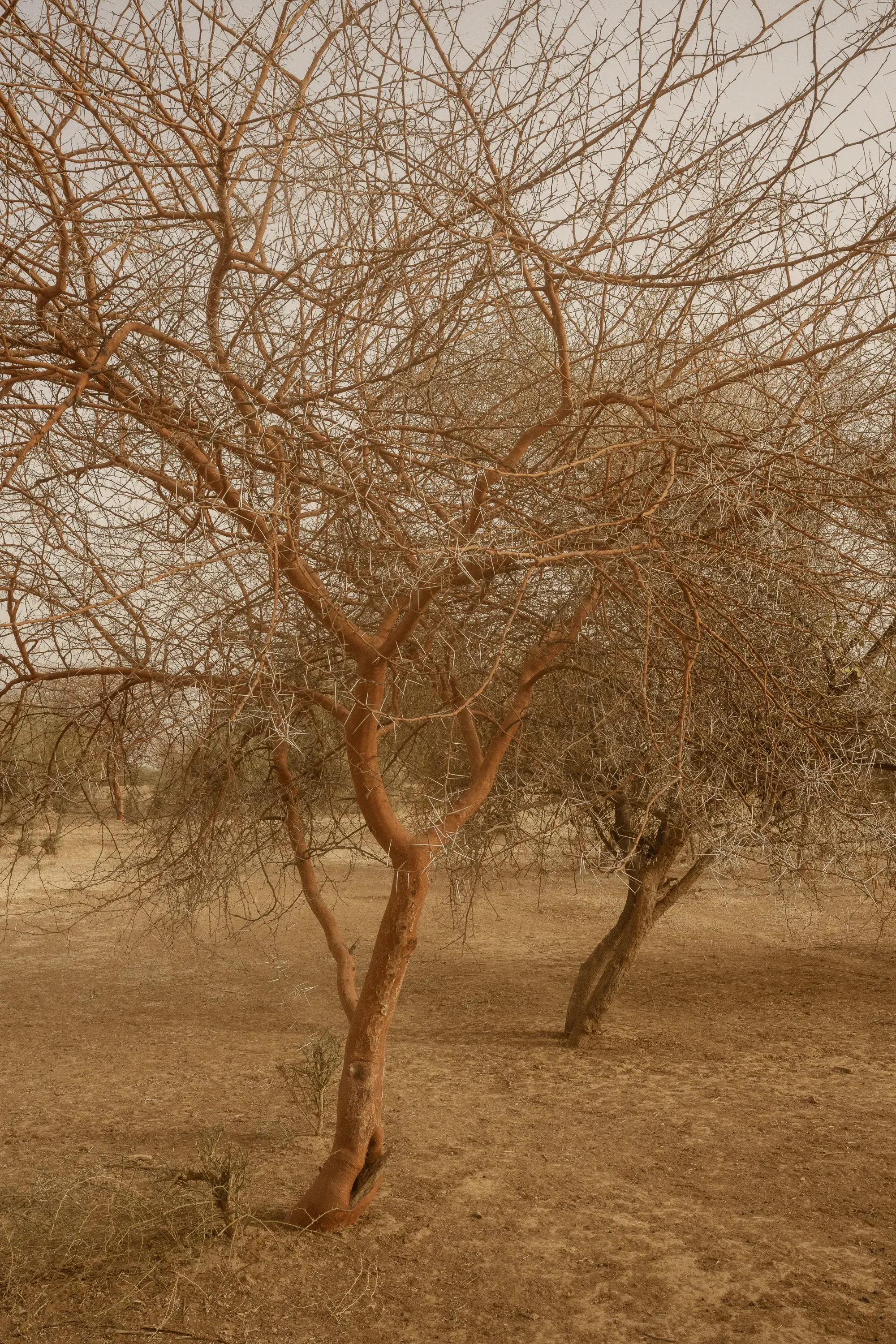
Orange dust dominates the landscape, and trees suffer. Fall said he is experimenting with heat-resistant species.
At the health clinics in Matam, doctors warn about a rise in heat-related illnesses — including miscarriages among pregnant women who say they cannot pause their work in the fields.
“Even if we’re acclimated, the heat causes problems,” said Abdou Karime Diagne, 35, a doctor who has studied heat in Senegal. “When we talk about global warming, we tend to think of it as something distant, a Western issue, and that we’re resilient — but it does pose problems.”
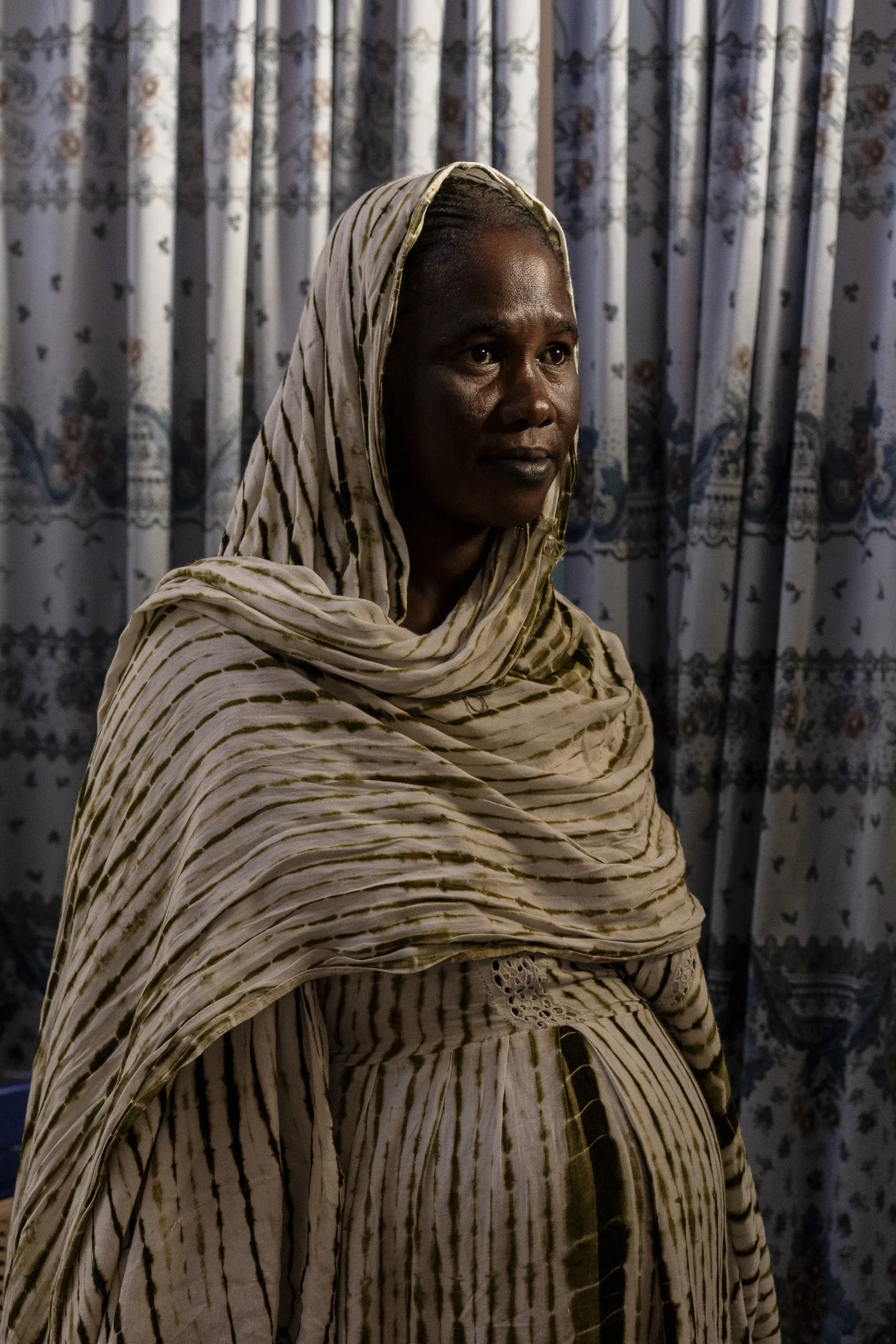
Houleyo Diallo, 20, is eight months pregnant and the mother of five children. She had to stop working in the fields. “This time around, I’ve spent all my time at the hospital. I’m constantly exhausted,” she says. Her husband and their children continue to work in the fields.
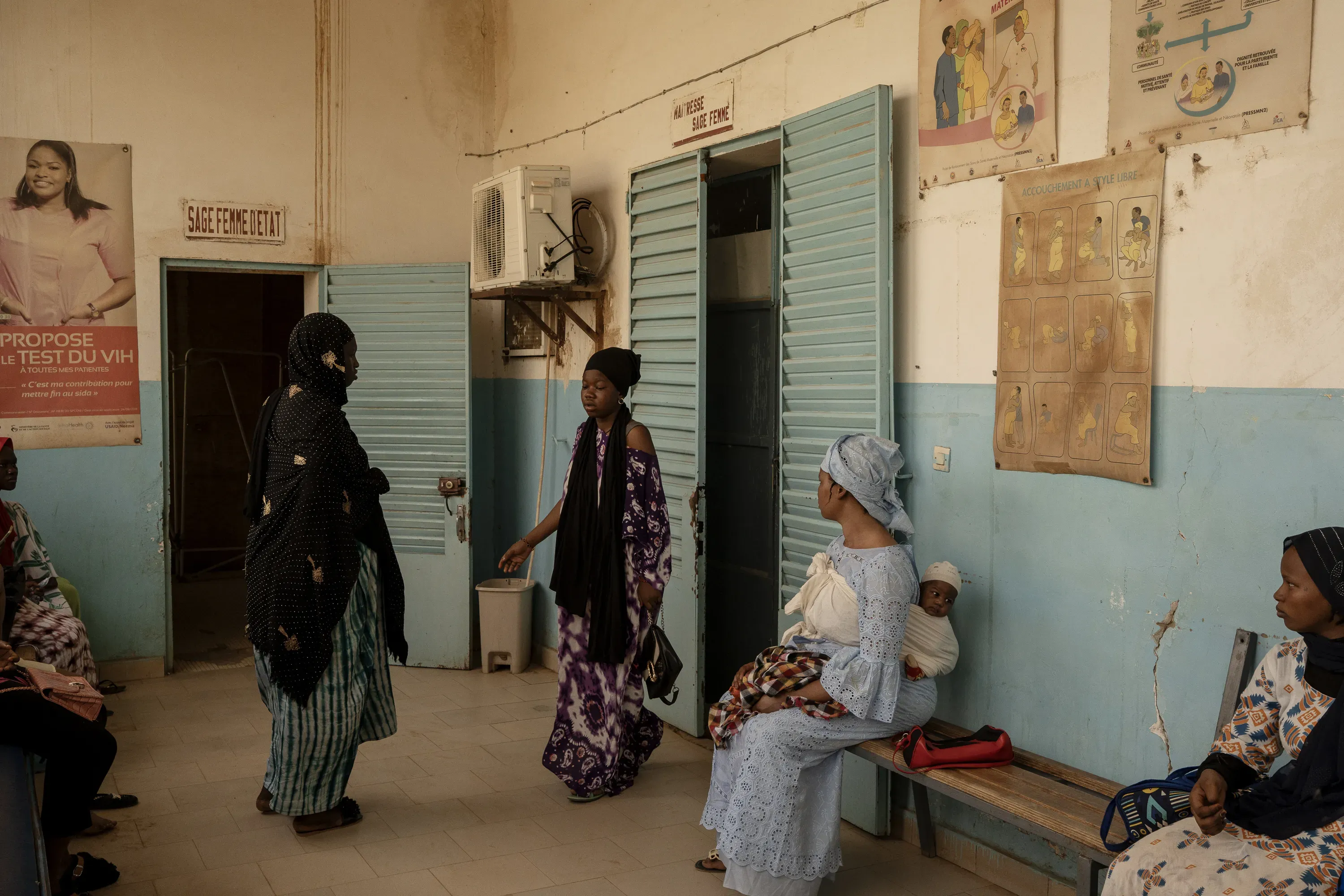
The waiting room at a health clinic in Matam, where chief midwife Soda Diop, not pictured, says women struggle to cope with the heat. "We give them practical advice, such as staying hydrated and avoiding too much sun exposure. But they reply, ‘I have to go to work,’” she says.

Abdou Karime Diagne, 35, has been an occupational physician for three years at the health clinic of the Société de Cultures Légumières, a vegetable grower that operates nearly 5,000 acres in Diama. In Senegal, any company with more than 400 employees must have at least one occupational physician and a clinic, he says.
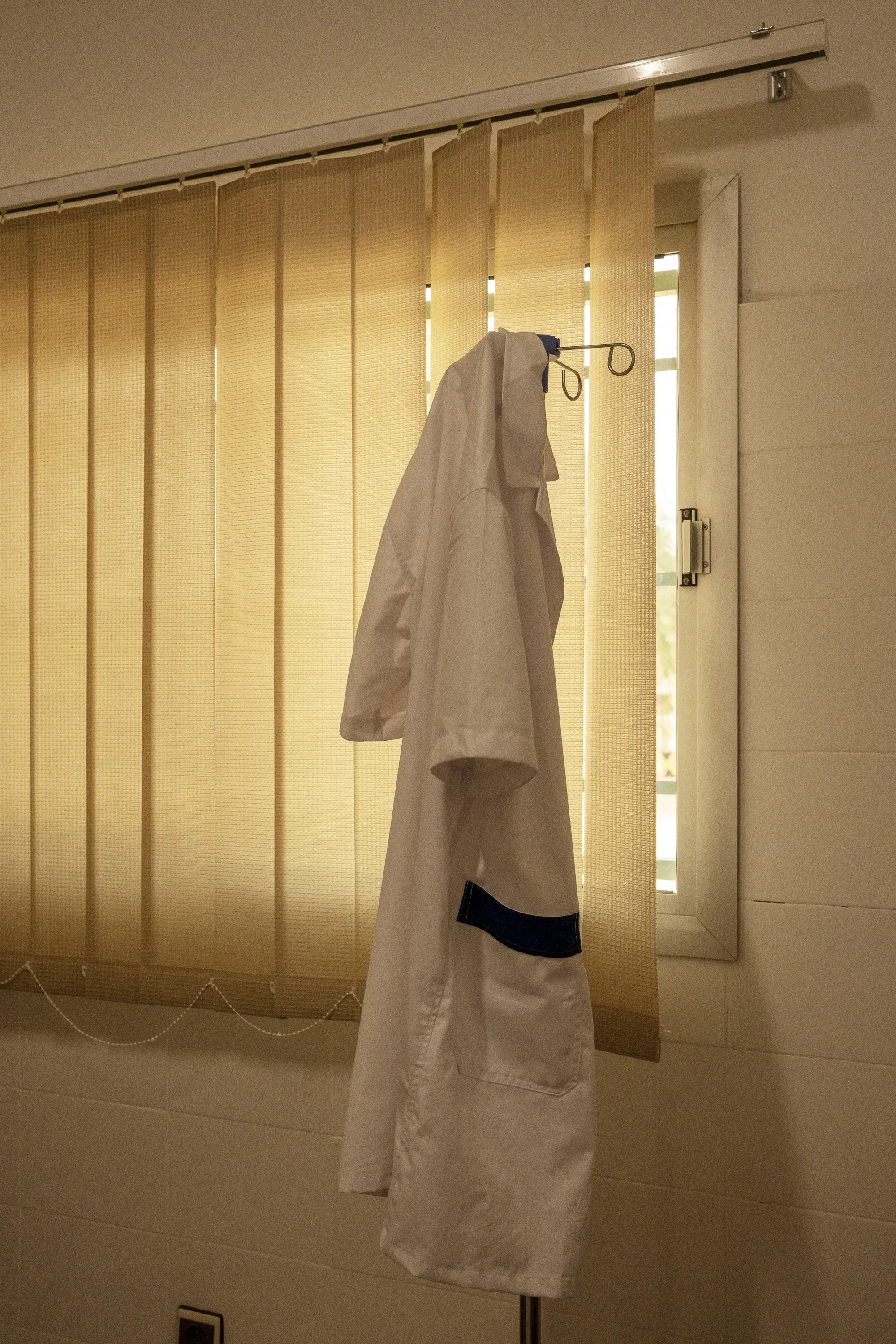
“Even if we’re acclimated, the heat causes problems,” Diagne says. “When we talk about global warming, we tend to think of it as something distant, a Western issue, and that we’re resilient — but it does pose problems.”
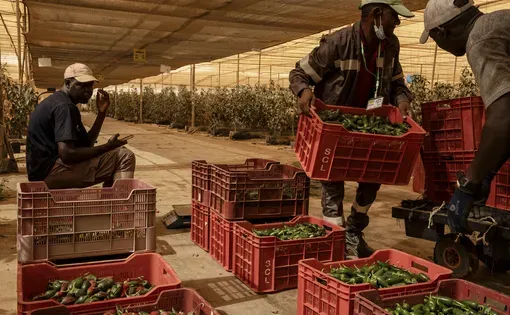
The benefit of greenhouses like the one at the vegetable grower Société de Cultures Légumières, managers say, is that workers can mist plants to cool them down, controlling the climate in a way that is not possible outside.
But the high temperatures in the greenhouse — where it can be as much as 18 degrees hotter than outside — still mean danger for staff.
Managers say frequent breaks are necessary so they can operate safely.
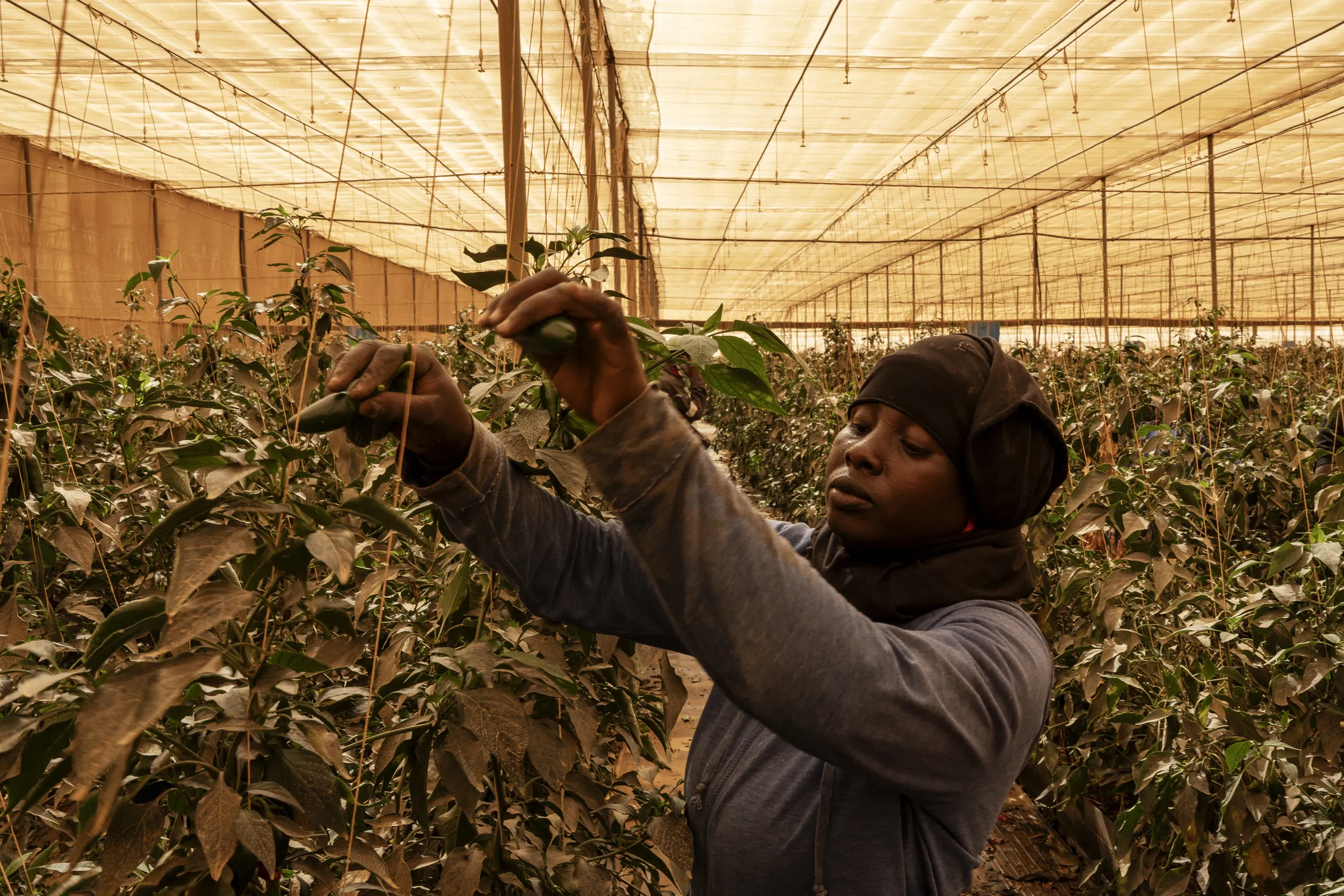
Assatou Diallo, 25, has worked for three years on contracts lasting six to 10 months in the chili pepper greenhouses at the Société de Cultures Légumières. “I’ve had some very, very hot days here,” she says. “On those days, I get dizzy.”
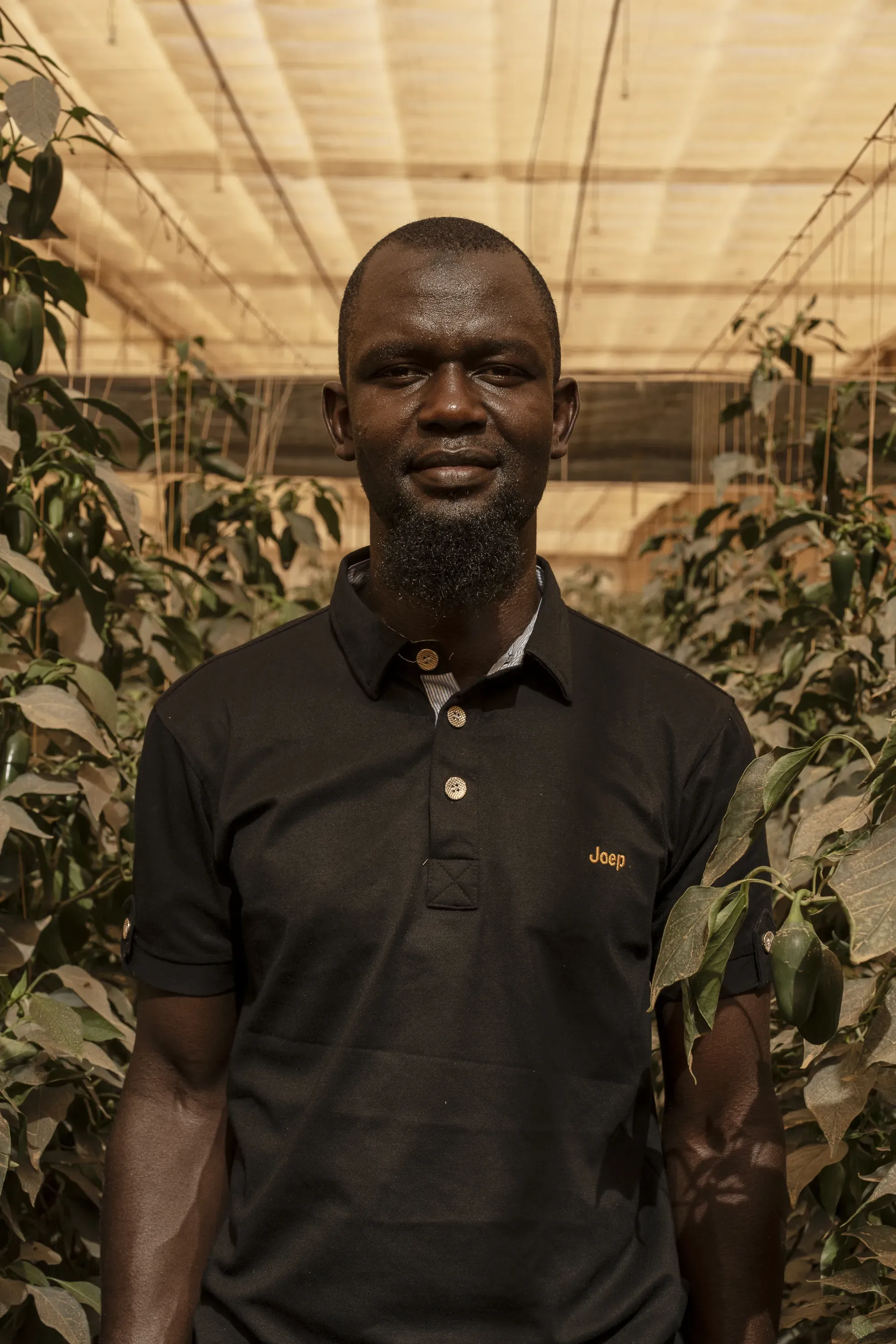
Ablaye Mbaye, 37, is the head of chili pepper cultivation at the Société de Cultures Légumières in Diama. Greenhouses provide some degree of flexibility, both in terms of plant care and employees’ work schedules.
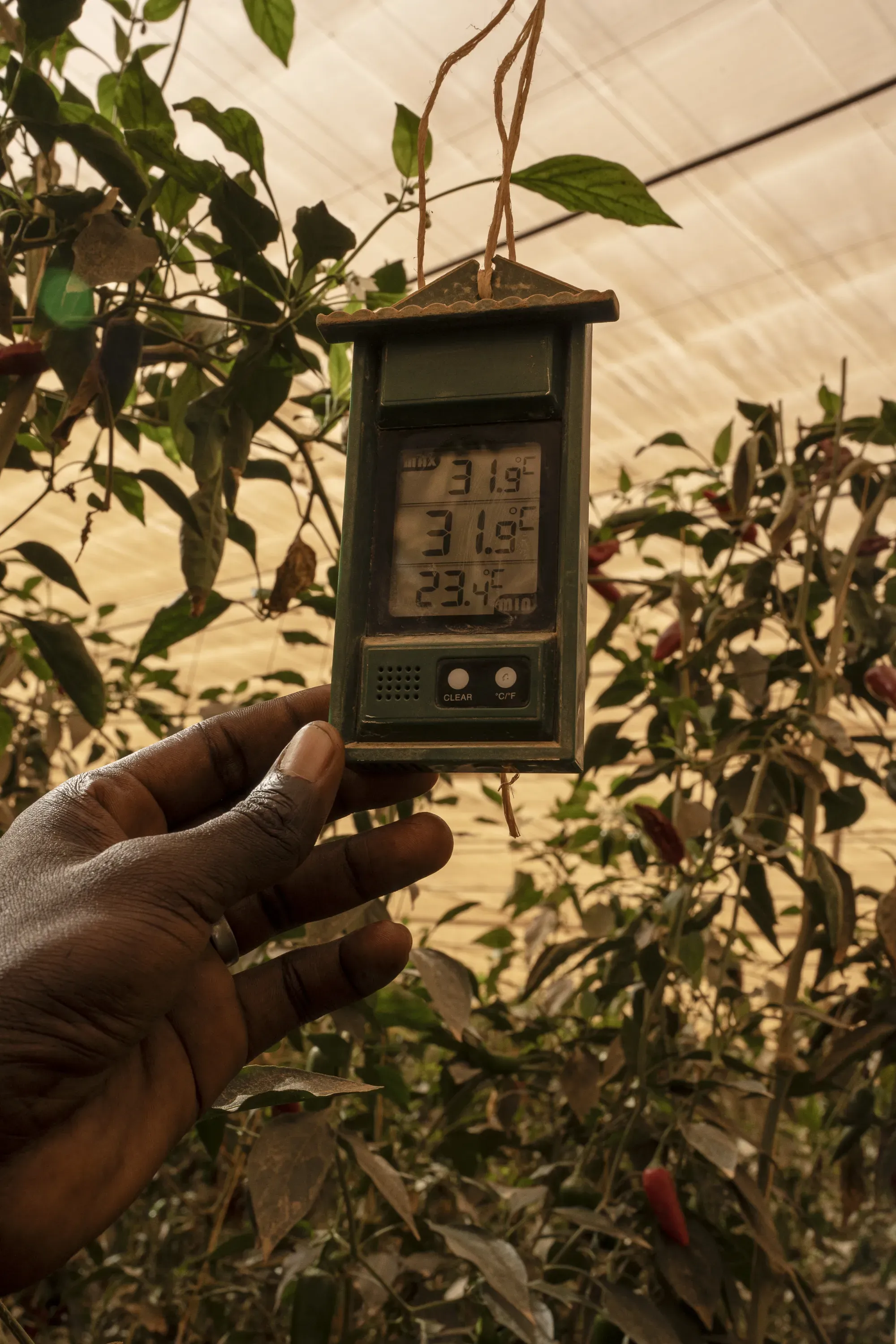
“When it gets too hot,” he explains, “the stomata close, so the plants don’t take in water to cool their leaves and stop absorbing nutrients.”
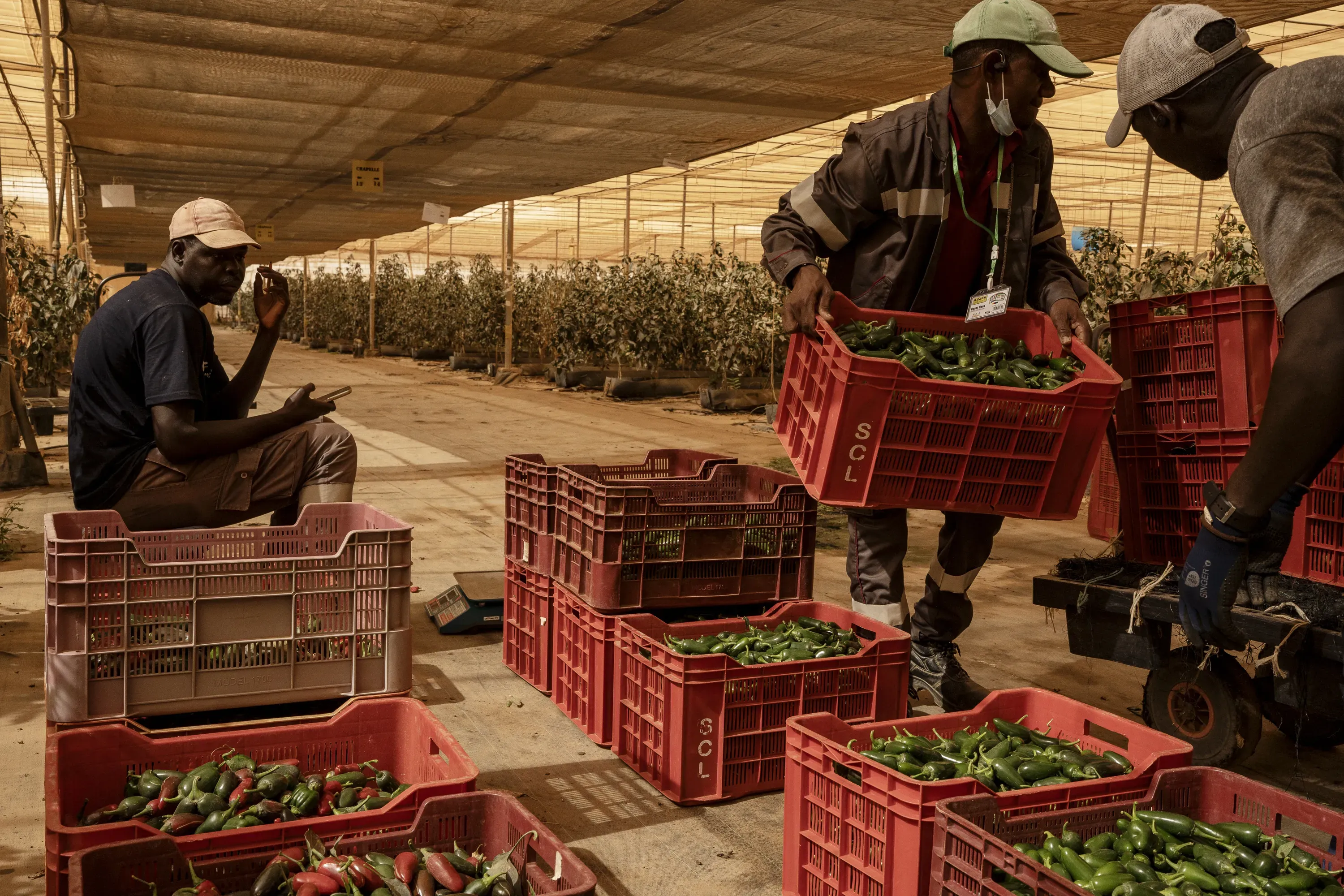
Samba Kande, center, helps his team cope with extreme heat. When the temperature inside their greenhouse reached 111 degrees earlier this year, he told the entire team to leave. “We’ve been doing it often since the harvest began,” he said.
On days when the heat forces them to finish work early or take more breaks, employees miss out on bonuses that could double or triple their daily wage. As team leader, Kande must strike a balance.