Project
Deep-Sea Dreams
The move into deeper waters has proved far more complicated than policy documents suggest.

- Kerala was the first state to receive deep-sea fishing vessels under the Pradhan Mantri Matsya Sampada Yojana. But boats designed without fishers’ input came with flaws that made them expensive to operate.
- Through the stories of Joseph, Shaju, Peter and other fishers, this illustrated story explores how a promise of better livelihoods turned into a struggle with debt. The story is second in a series on deep-sea fishing in India, produced with the Pulitzer Center’s Ocean Reporting Network.
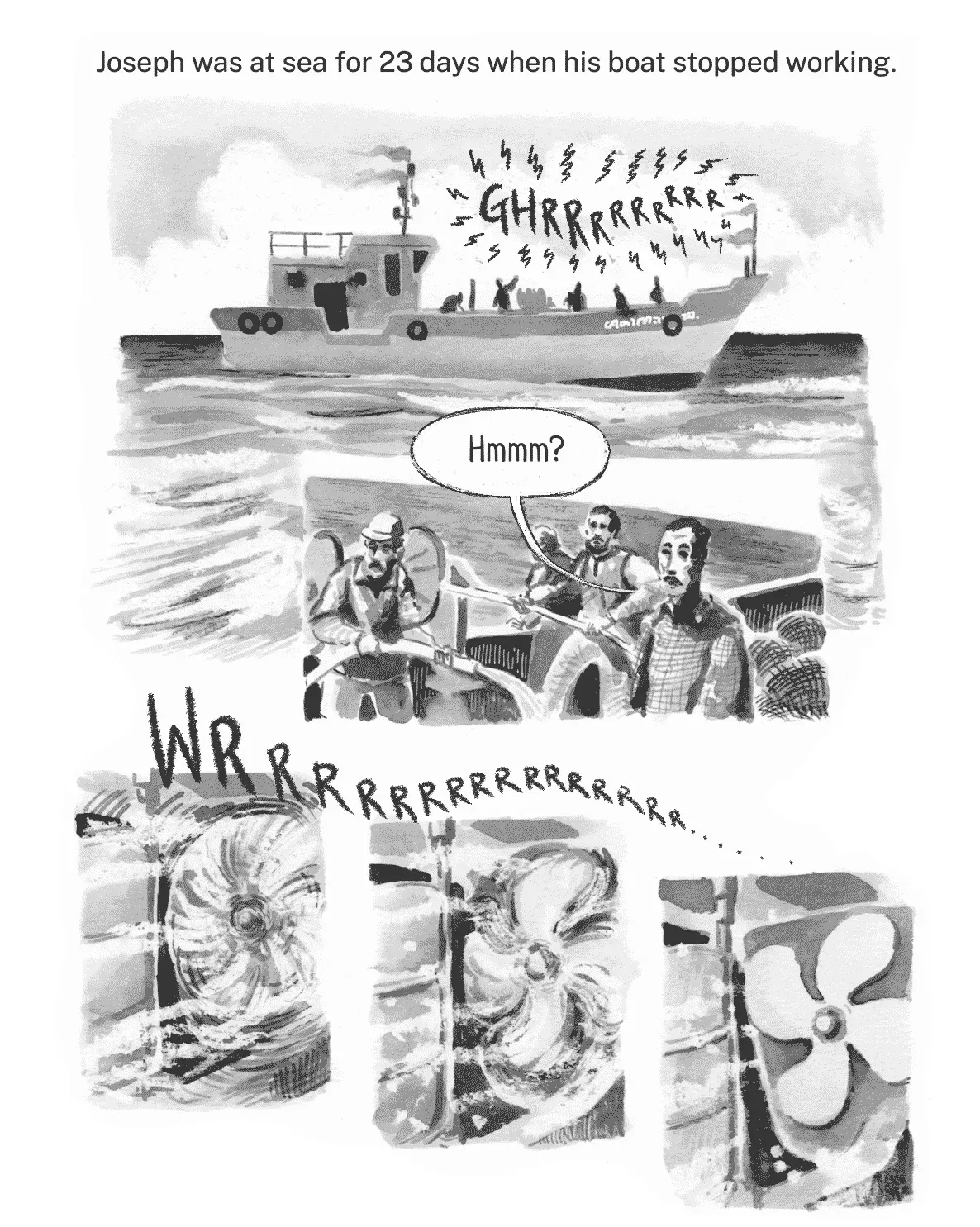
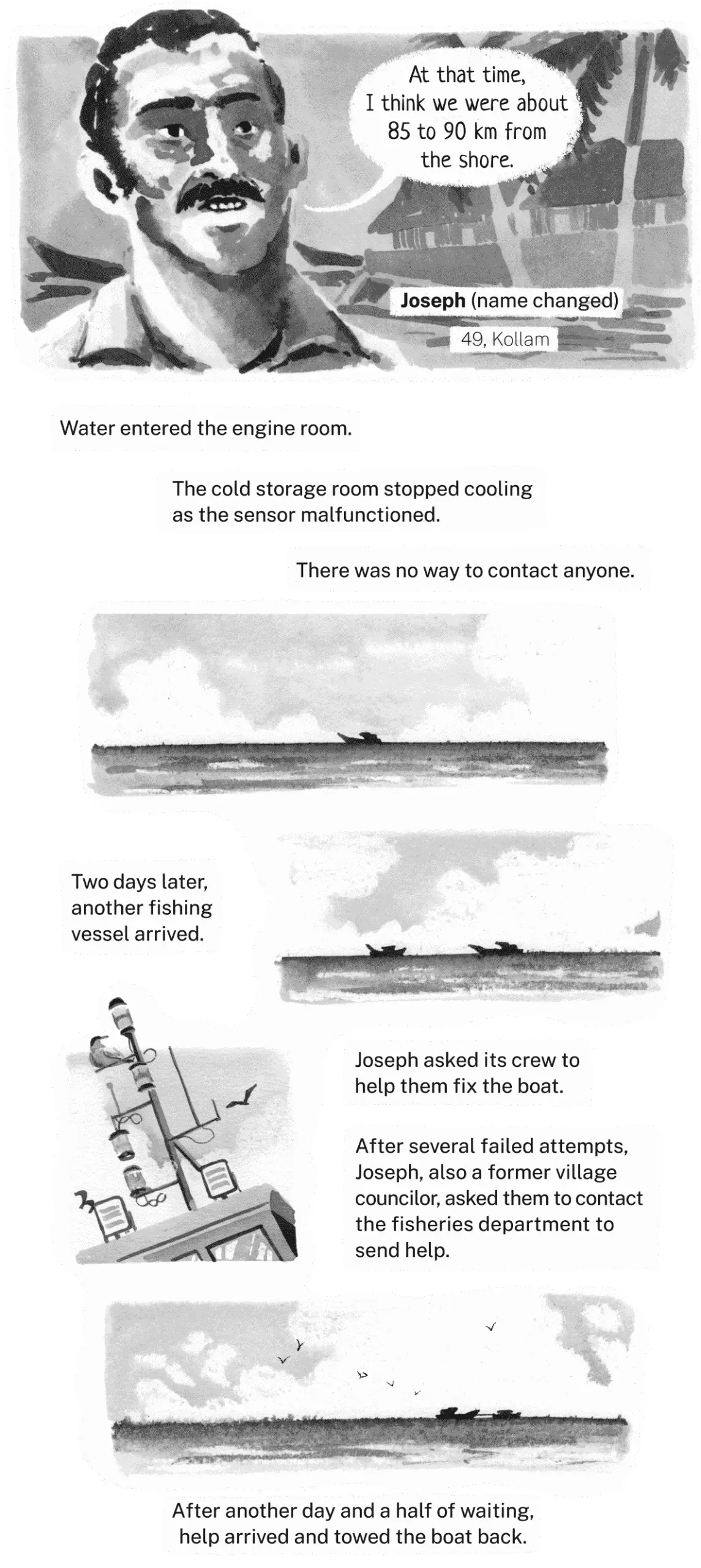
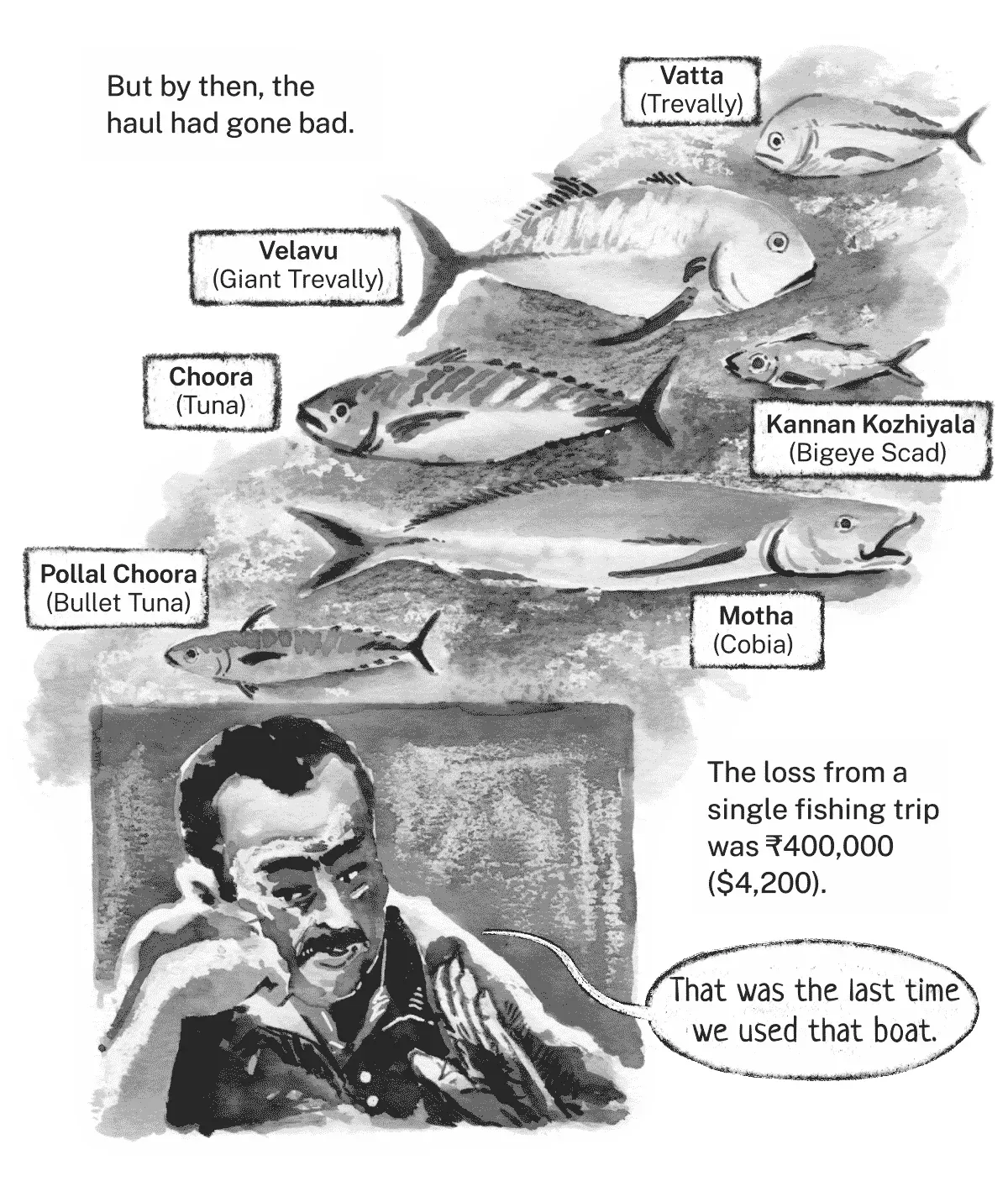
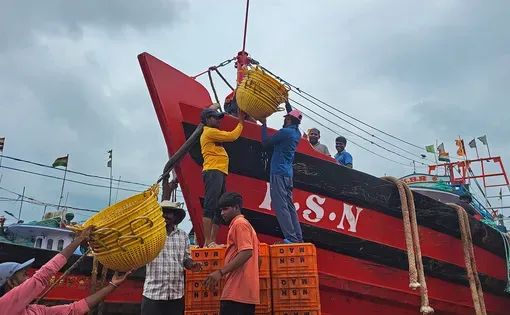
Joseph had purchased a deep-sea fishing vessel under the Pradhan Mantri Matsya Sampada Yojana (PMMSY), a central government scheme launched in 2020 that aims to convert traditional fishers into deep-sea fishers.
He is from one of the 222 coastal fishing villages along Kerala’s 590 km coastline in south-west India. Fisheries is a major contributor to the state’s economy. It was the first state to receive deep-sea fishing vessels under the PMMSY. In the first year, Kerala spent about 12% of the total PMMSY budget, about ₹12 crores (₹120 million), on manufacturing ten deep-sea fishing boats. The boats were initially priced at ₹1.2 crore (₹12 million) each, but the cost rose to ₹1.5 crore (₹15 million) within three months of the scheme’s launch. Beneficiaries, mostly small-scale, generational coastal fishers who fished daily, were to contribute ₹72 lakhs (₹7.2 million) per boat, while the central and state governments would cover the rest.
The state encouraged fisheries cooperatives to apply in groups of ten. It also helped them take three-year loans from the Kerala Finance Corporation to buy the boats. Eventually, the state selected six cooperative societies as beneficiaries, and six of the ten boats were sold.
The Central Institute of Fisheries Technology, a national fisheries research institute, designed the boats, and Udupi Cochin Shipyard Ltd, a subsidiary of Cochin Shipyard Ltd., India’s largest shipbuilding and maintenance facility, manufactured them.
With these deep-sea fishing boats, fishers were expected to be at sea for at least 20 days at a time, navigating choppy waters and returning with high-value species such as tuna, marlin, billfish and others, bringing them higher incomes.
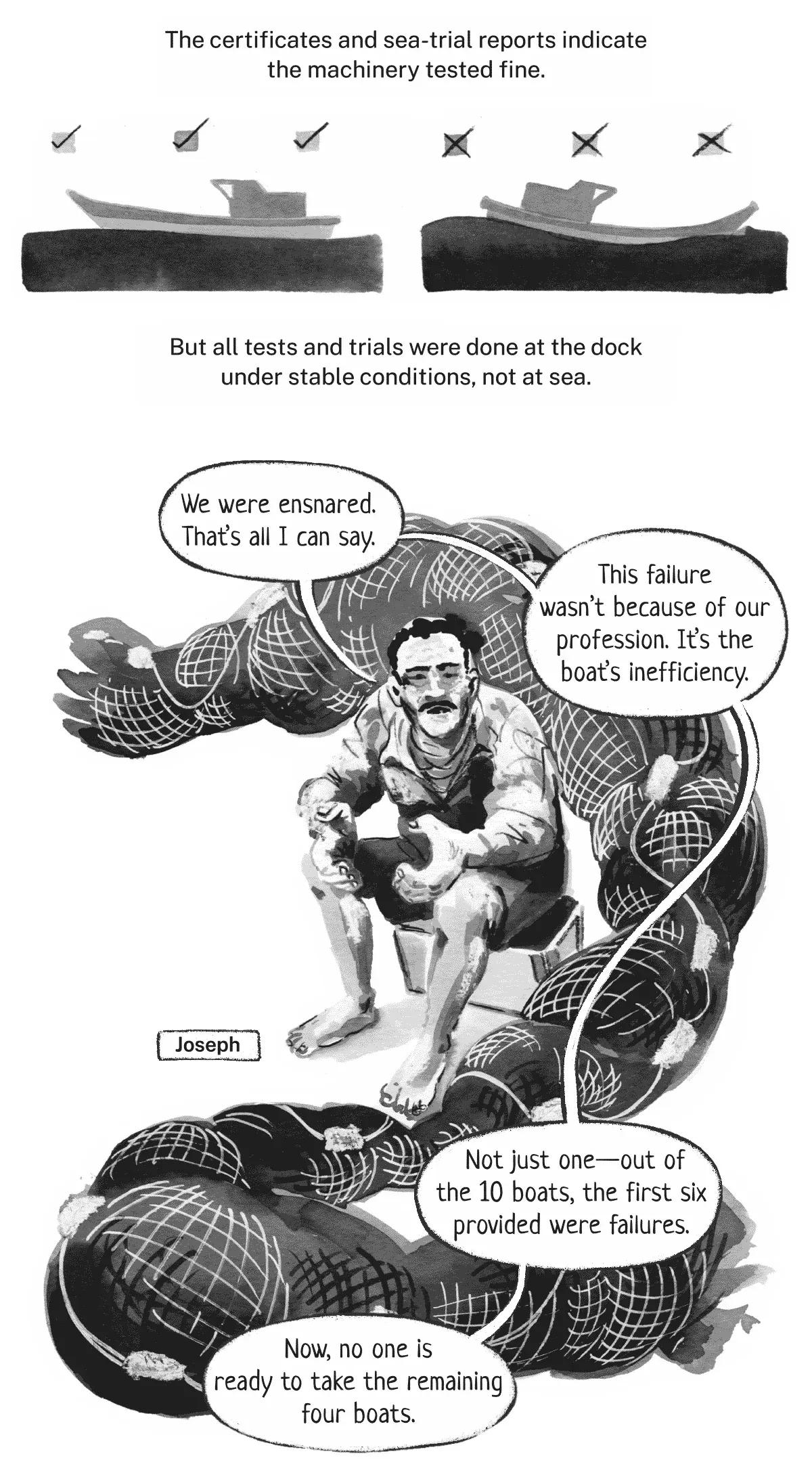
But all six boat owners report similar problems with the boat: faulty cold storage that causes fish to rot, excessive fuel consumption, undersized machinery, water seepage into the engine room, and poorly designed steering controls that make the boat dangerous to steer in strong winds.
Each beneficiary now faces debts of around ₹80 lakhs (₹8 million), with repair costs mounting and no returns on the investment.
None of the beneficiaries is currently using the boat received under the scheme.
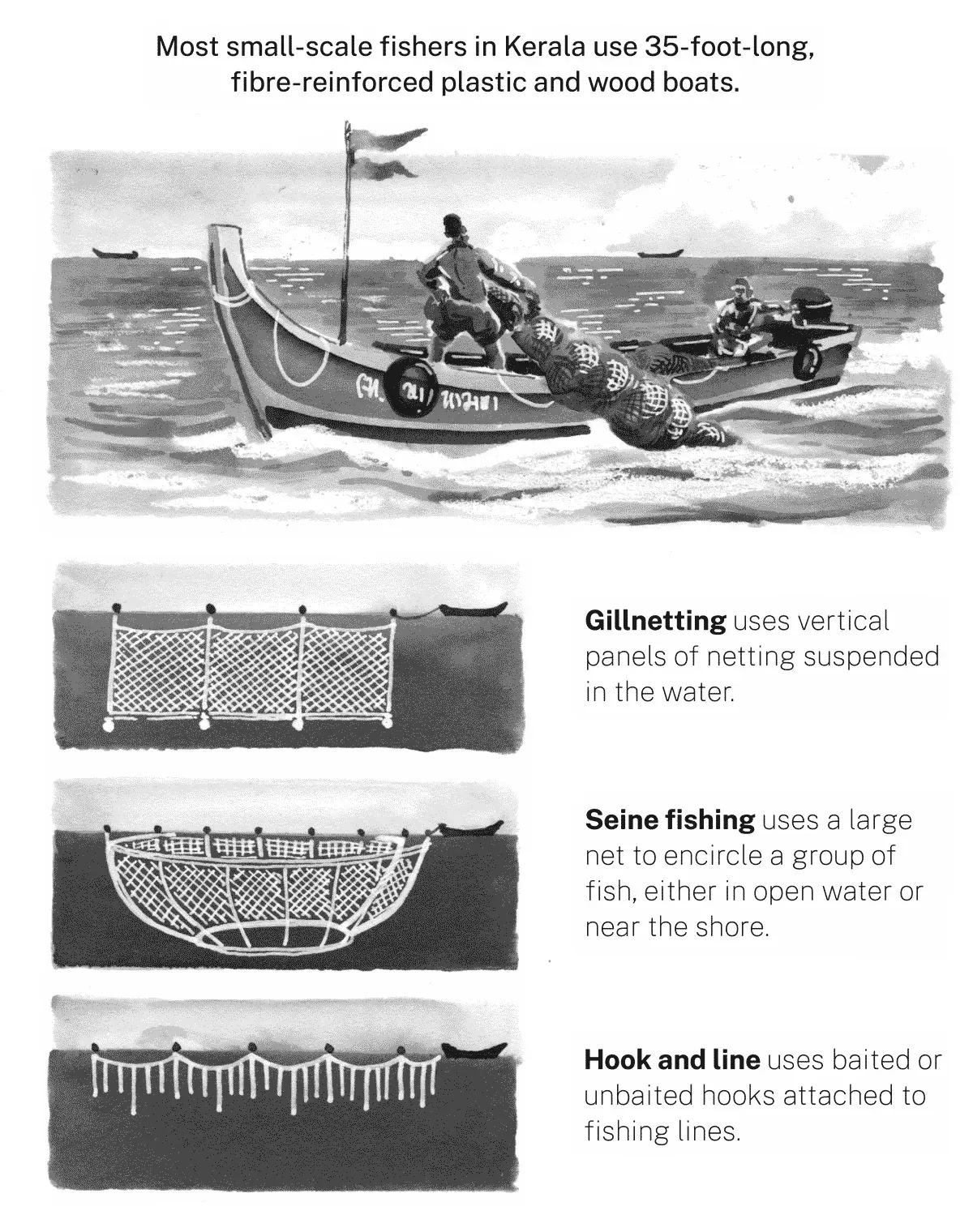
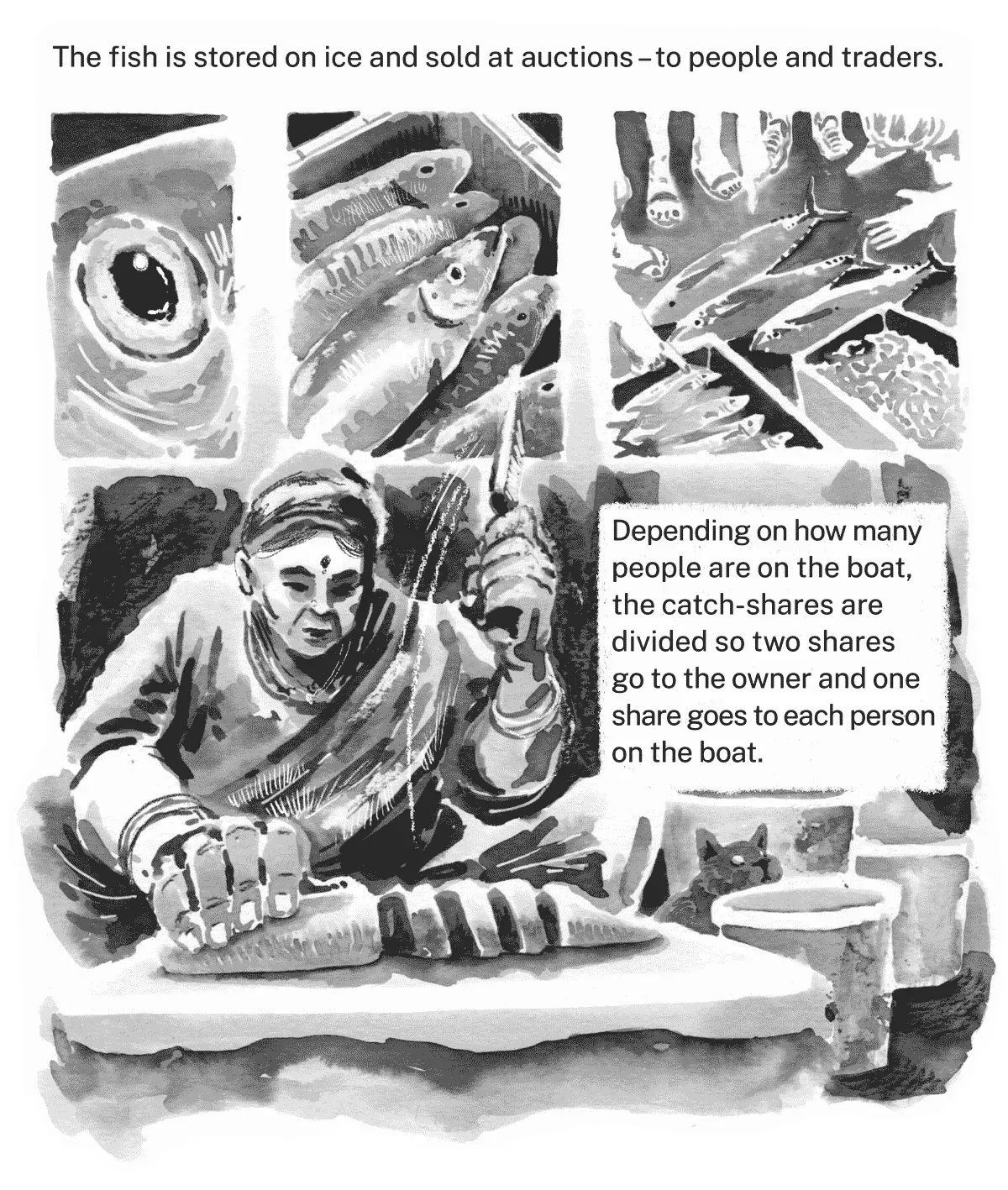
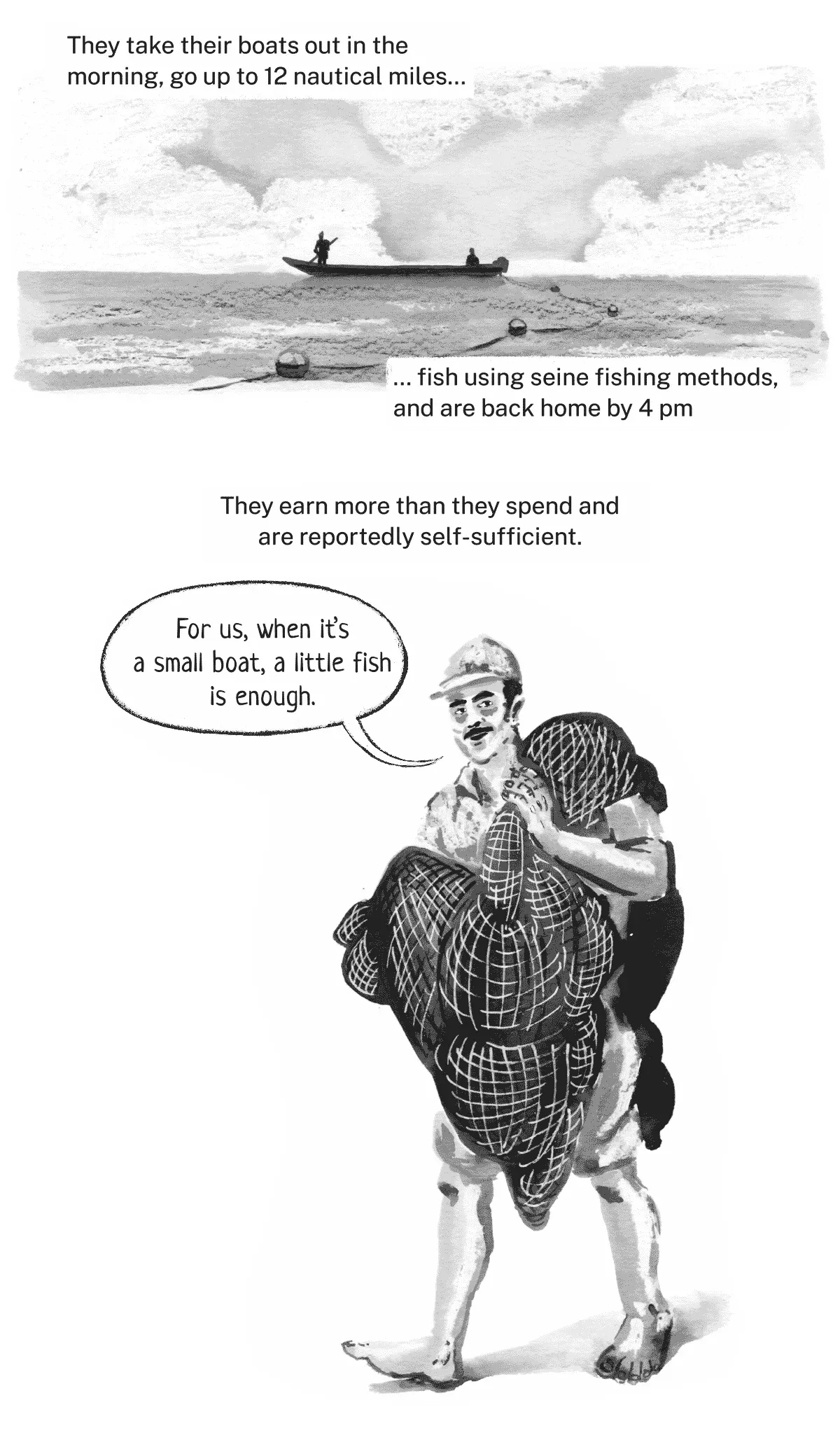
Gillnetting and seine fishing boats go 70-80 km into the sea, spend 10-12 hours in the water and catch tuna, mackerel, sardines, and prawns. Hook-and-line boats can go 120 km into the sea and largely catch yellow-fin tuna.
However, over the last decade or so, fishers here have caught fewer fish. Harsh weather leads to fewer fishing days. Additionally, overfishing and the harvesting of juvenile fish, the impacts of climate change, as well as coastal construction that changes wave action and causes coastal erosion, have all affected fish availability.
The promise
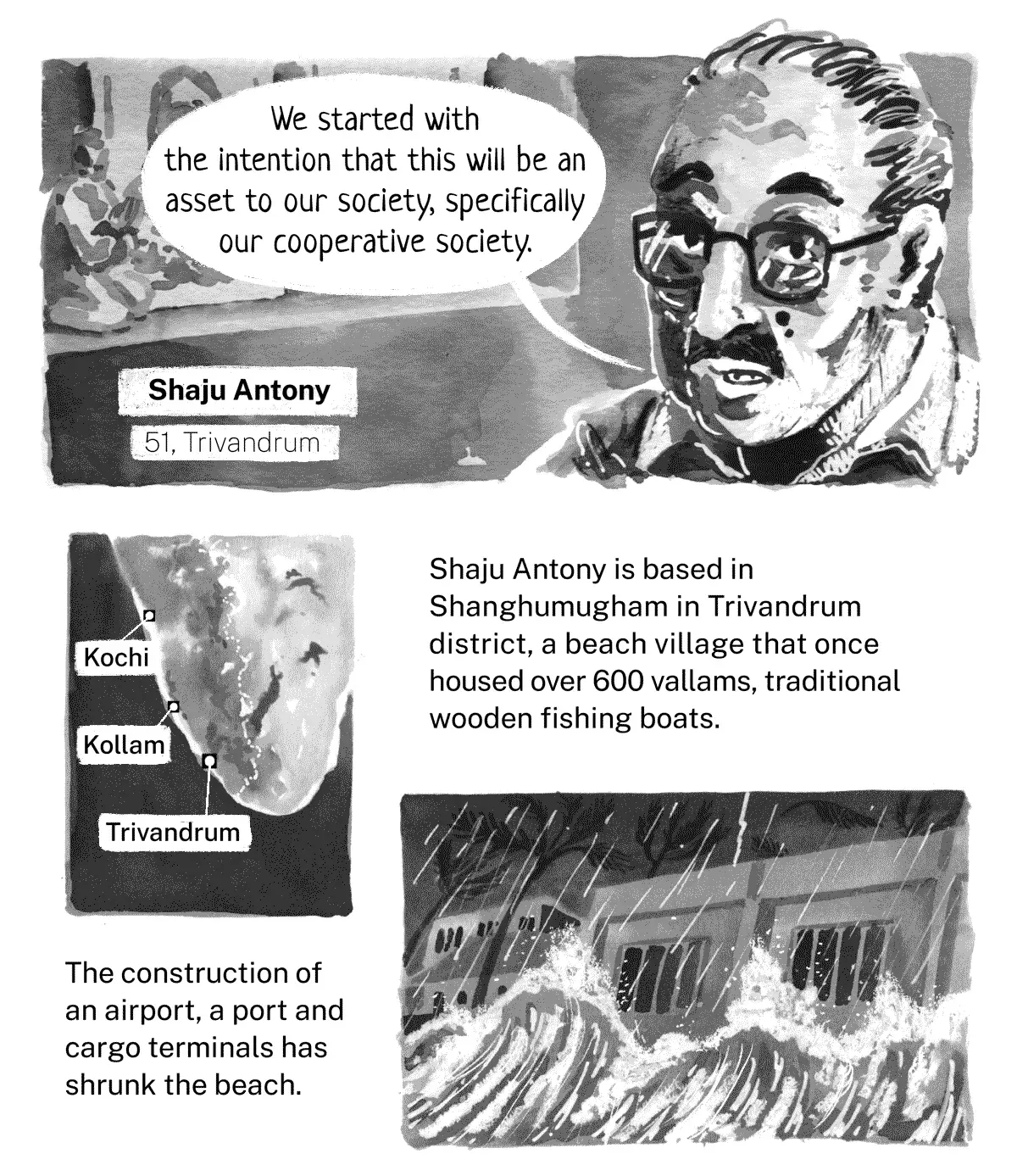
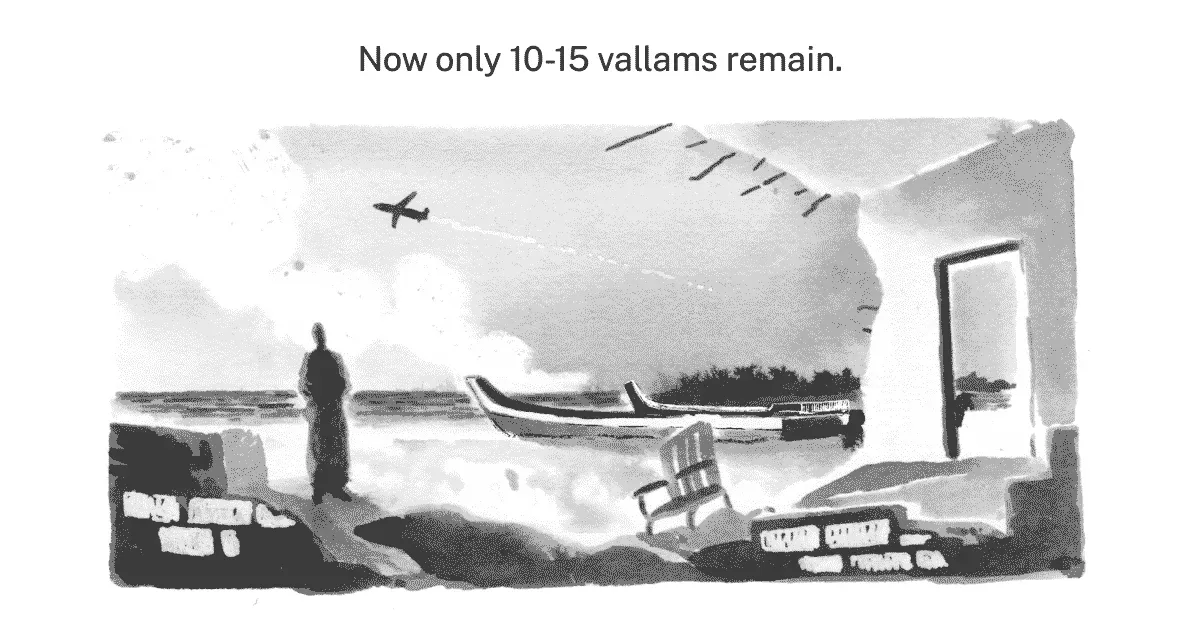
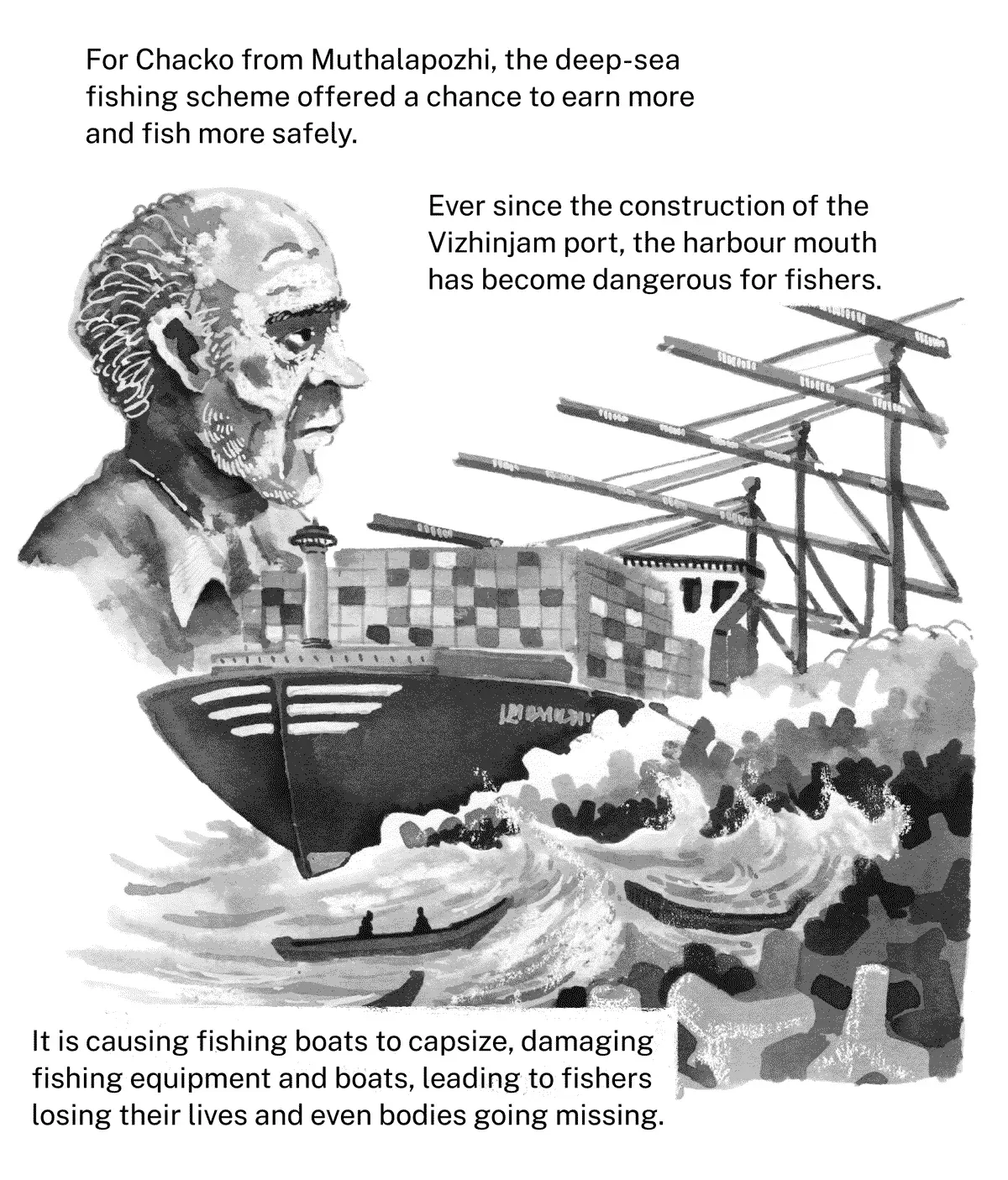
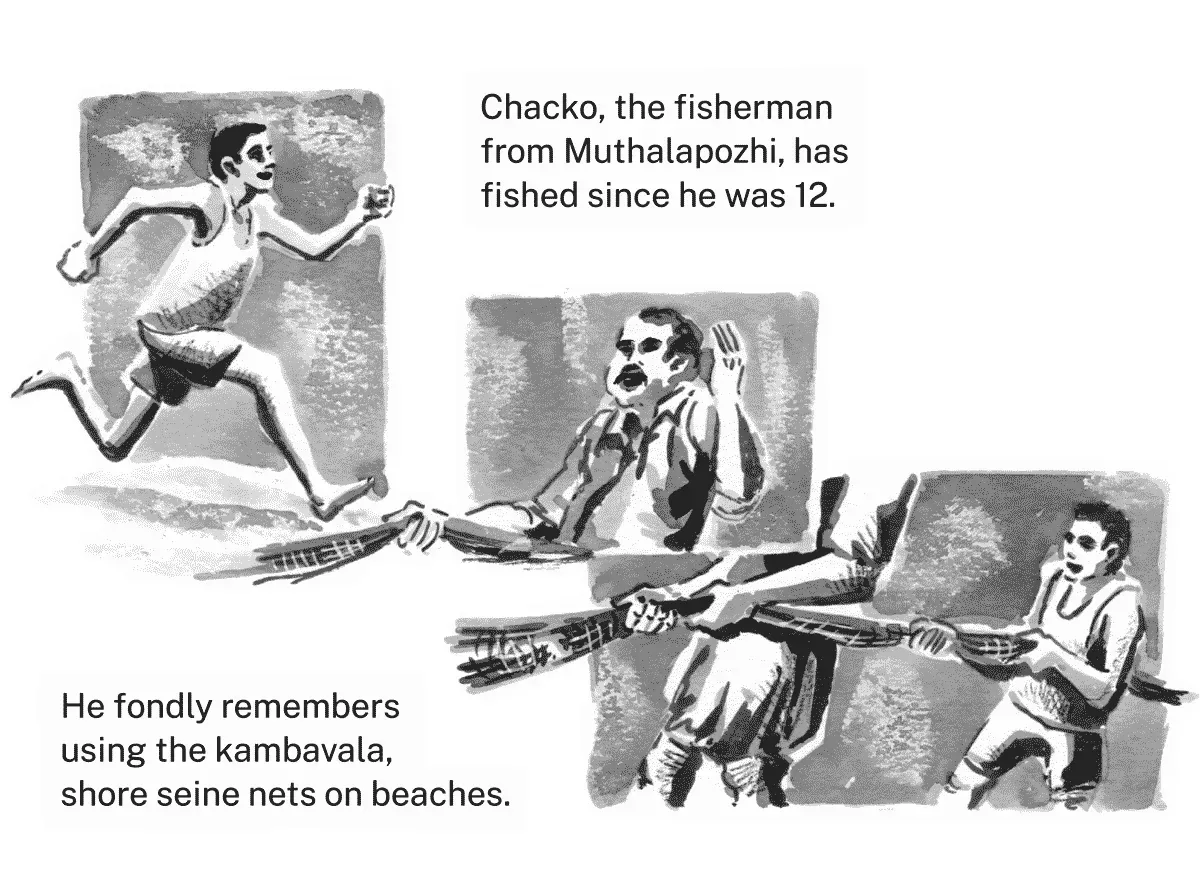
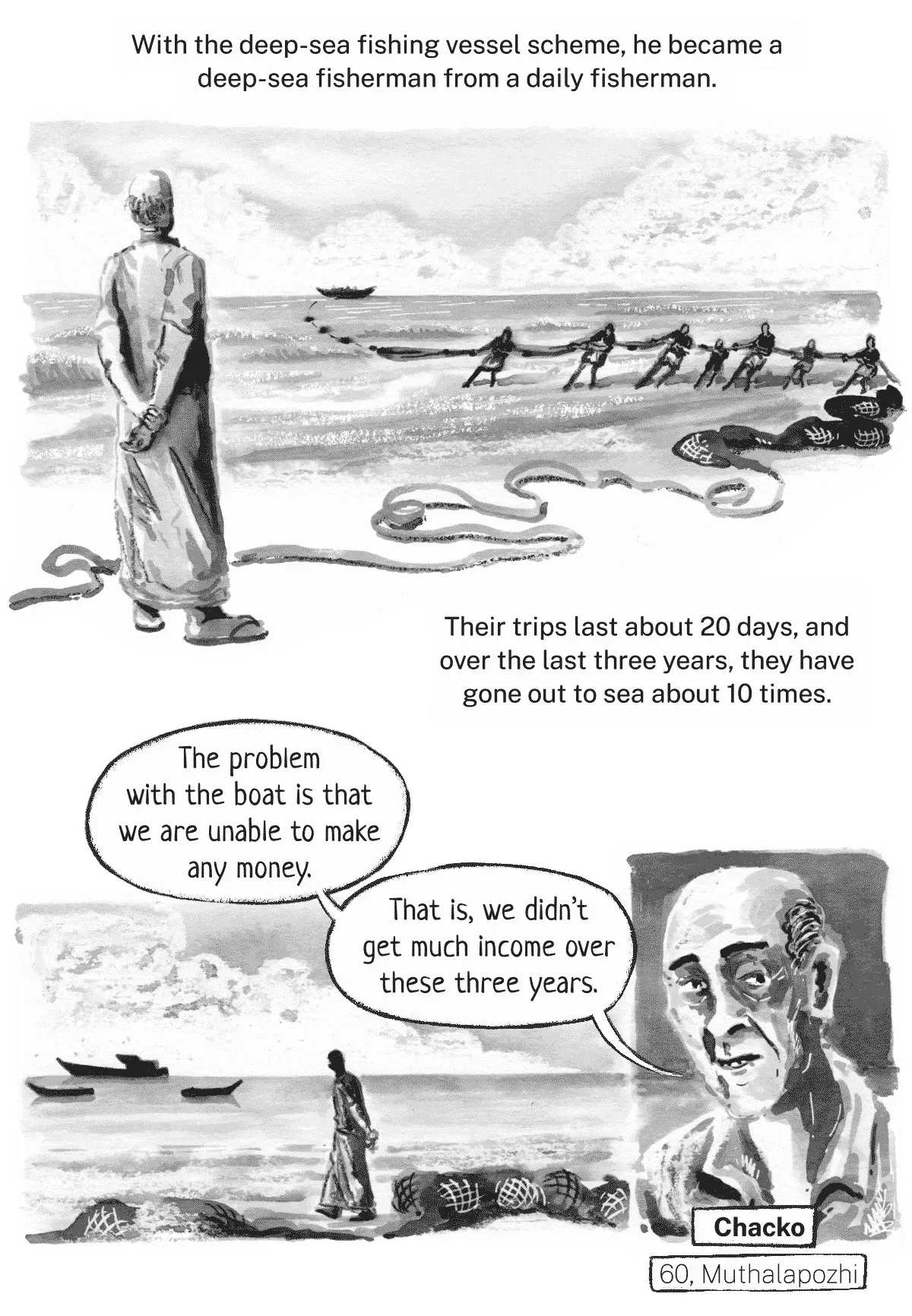
In this scenario, the deep-sea fishing vessel scheme promised a path to better incomes. Shaju Antony and Chacko (name changed) each invested ₹72 lakhs (₹7.2 million) of their own money for a boat under the PMMSY and subsequently received the boats in 2023.
The unravelling
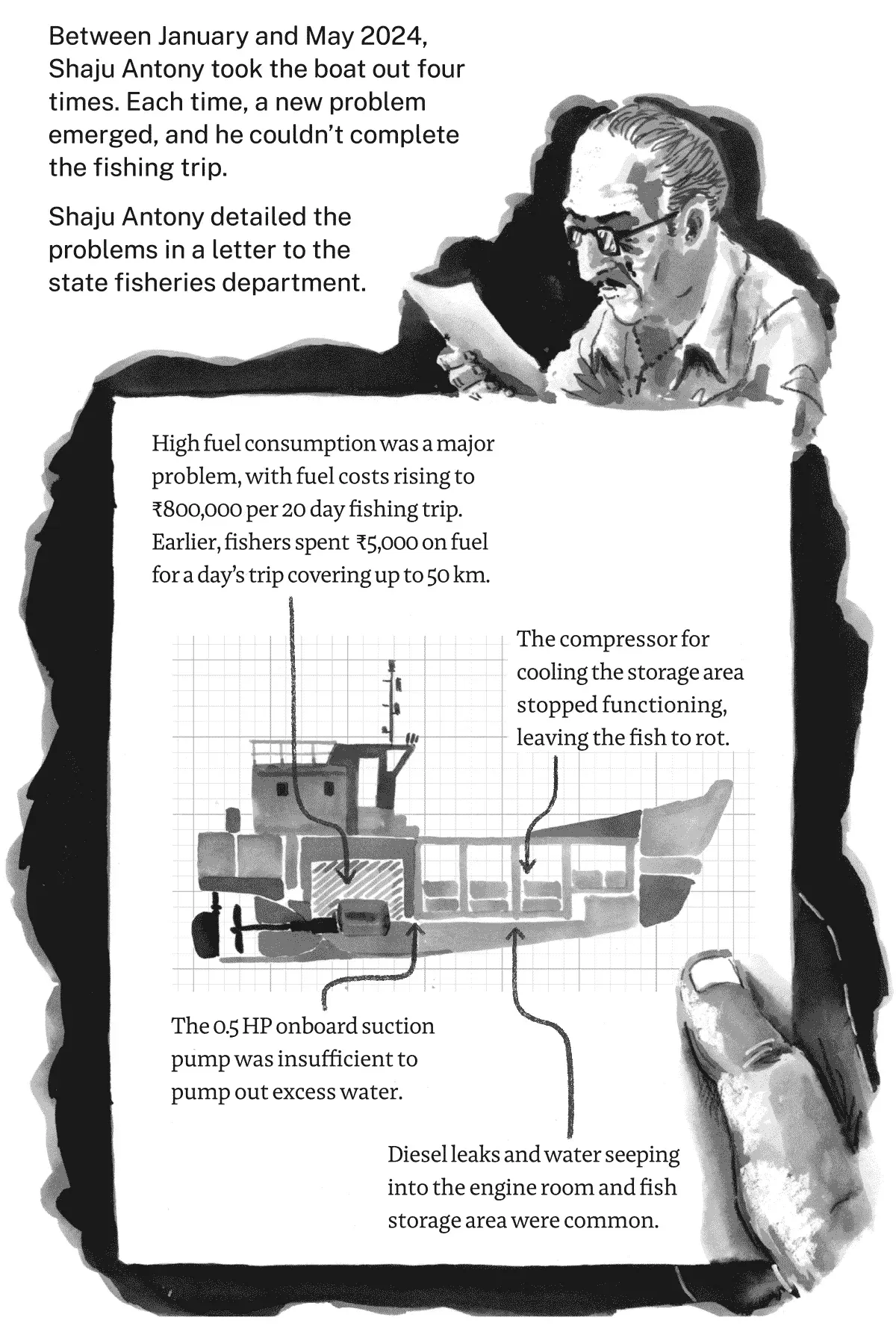
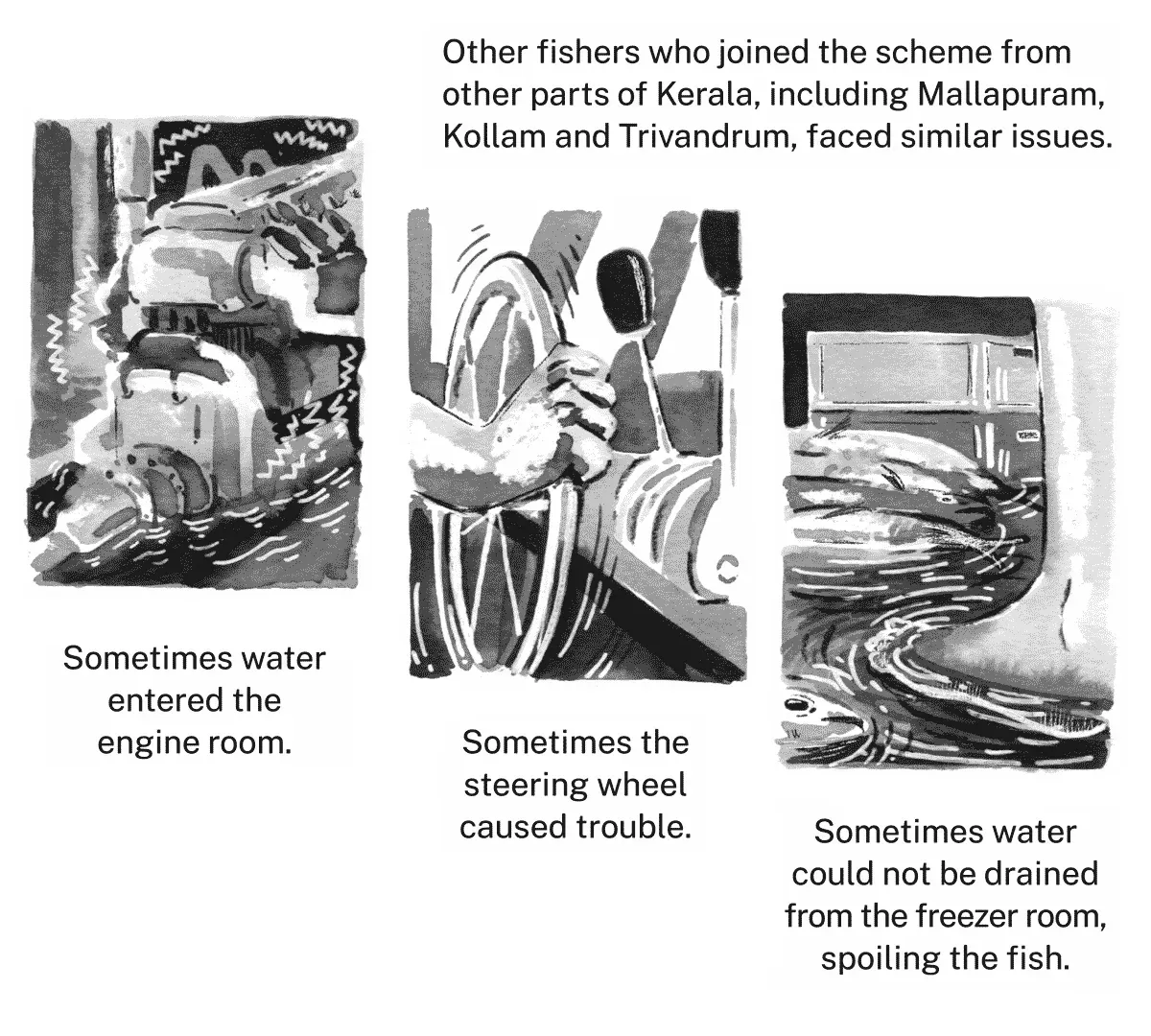
These problems were compounded by how long the fishers were away from shore. Unlike daily fishing, where they return the same day and repair the boats if needed, deep-sea fishing expeditions can last up to a month. During such trips, boat troubles kept cropping up and hindered the work, and once they were already out on the trip, they couldn’t quit and come back halfway through, the fishers explained.
Shaju Antony ended up paying an extra ₹30 lakhs (₹3 million) to repair the boat.
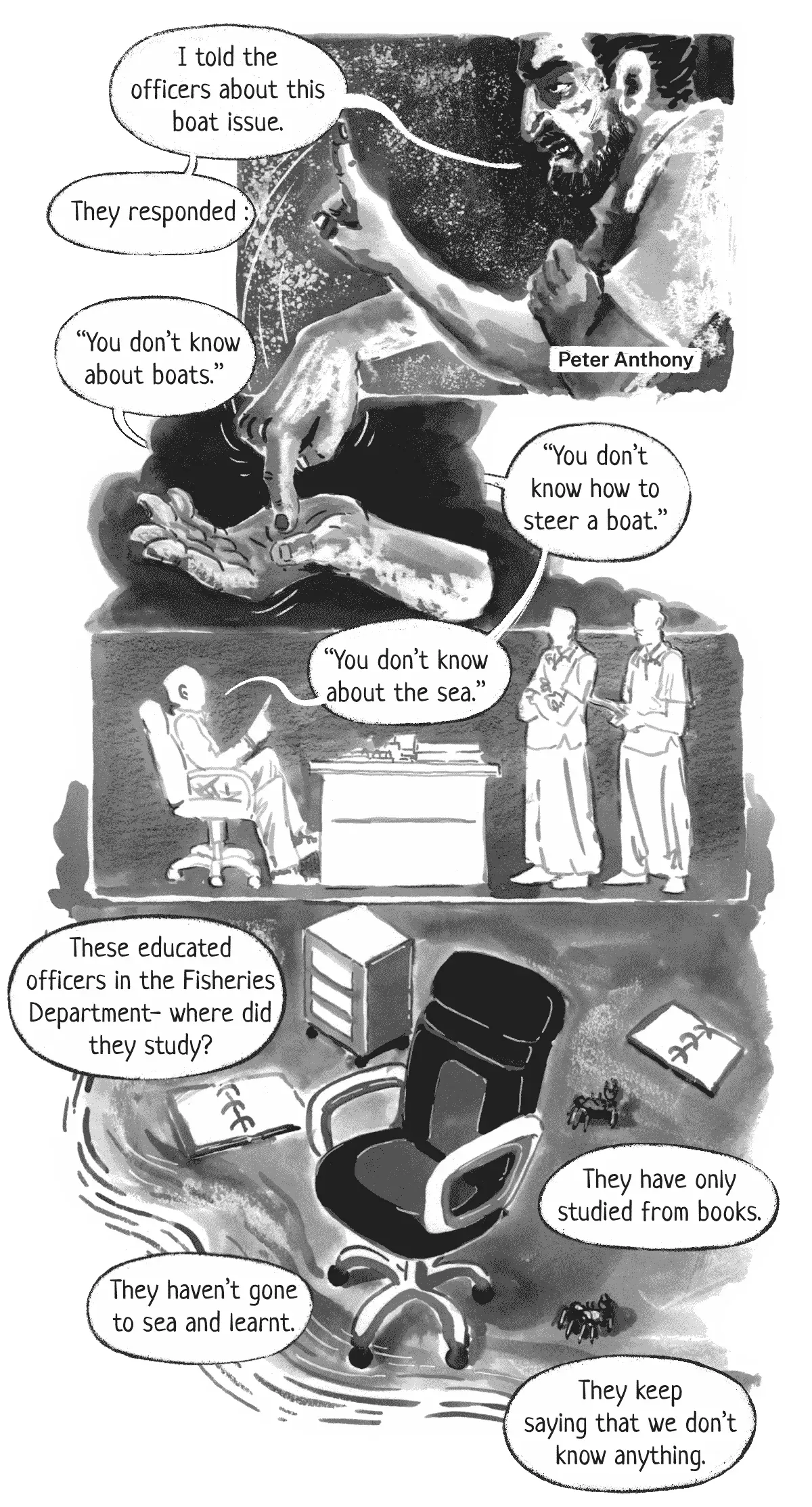
“Is it the thought that since it is meant for fishermen, it is enough to just construct and give it out to them somehow? Is that why Udupi Cochin Shipyard acted so irresponsibly?” Shaju questioned in his letter to the fisheries department.
Bringing home rotting fish and losses
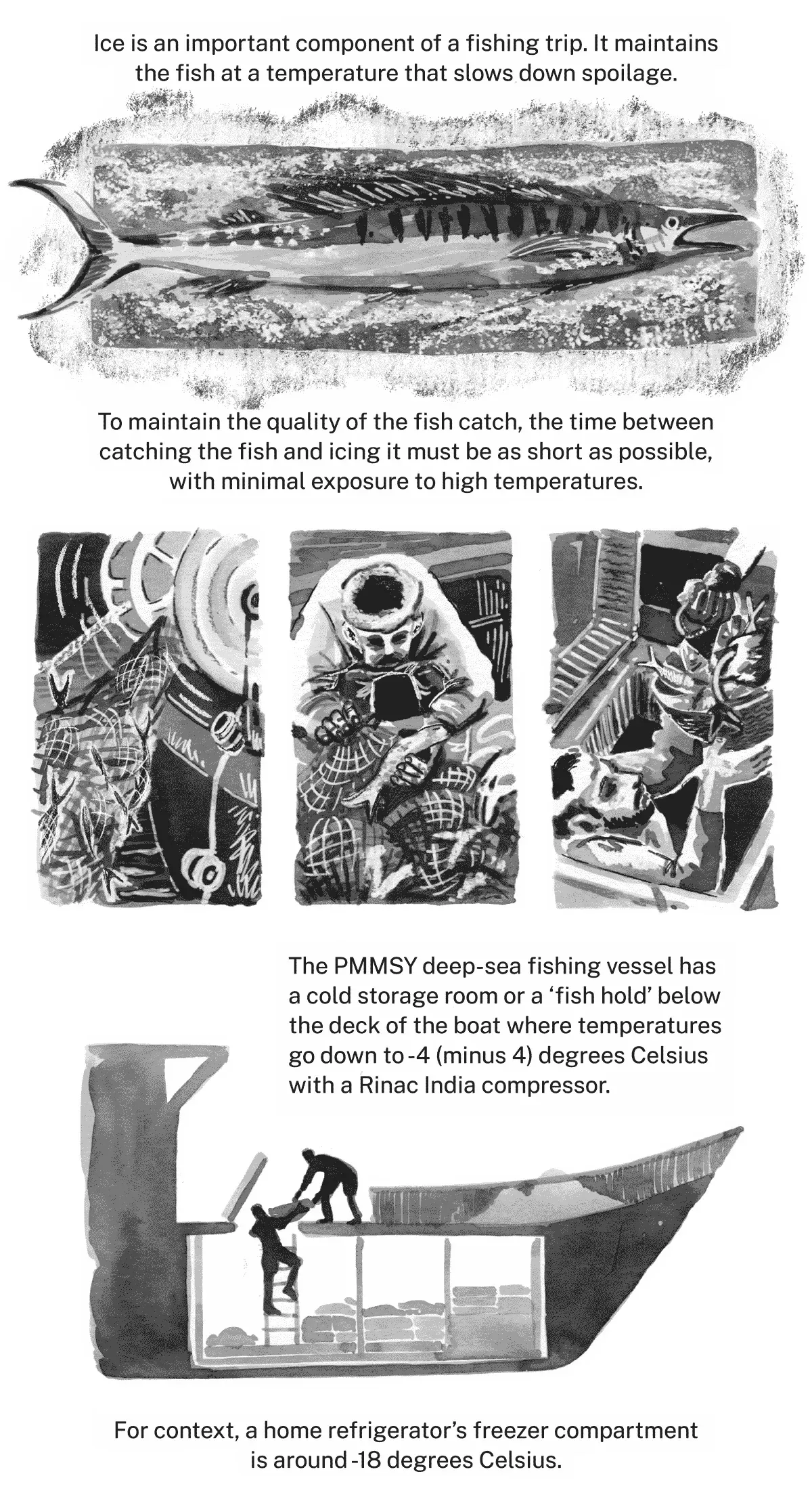
Initially, there was confusion about the fish-hold’s function.
“In the initial stage describing the functions of this boat, it was stated that since there is a freezer system, there would be no need to carry ice; however, it was only when the boats given initially went for fishing, and the entire fish caught perished, that it was understood that the freezer system fitted in the boat performs only the duty of keeping the ice carried from melting away.” Shaju Antony stated in the letter.
This means the fishers still need to carry ice for cooling the fish.
But even with ice, the fish continued to perish in the fish hold, either because wooden partitions caused uneven cooling or because the compressor stopped functioning and there was no cooling at all.
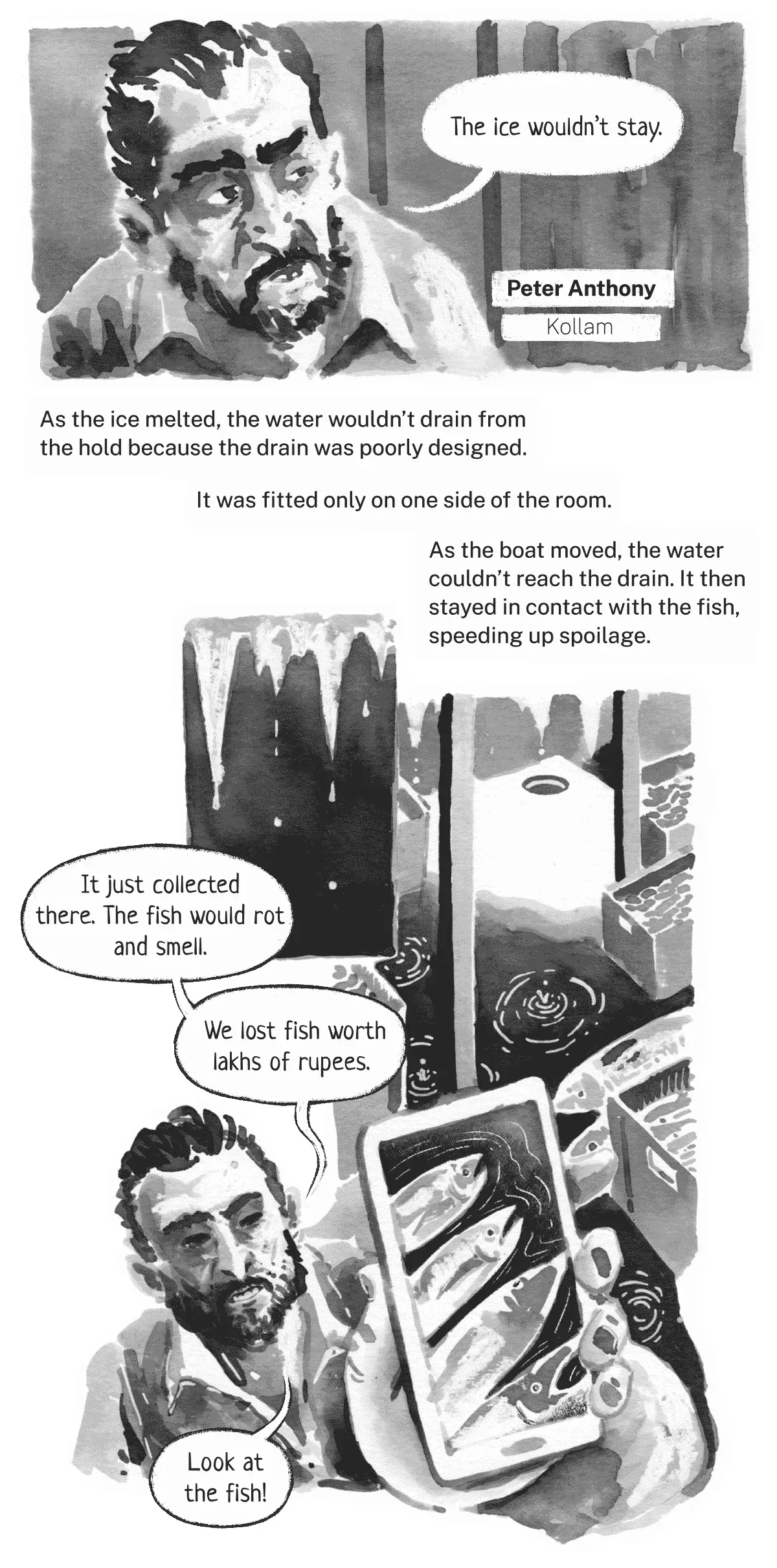
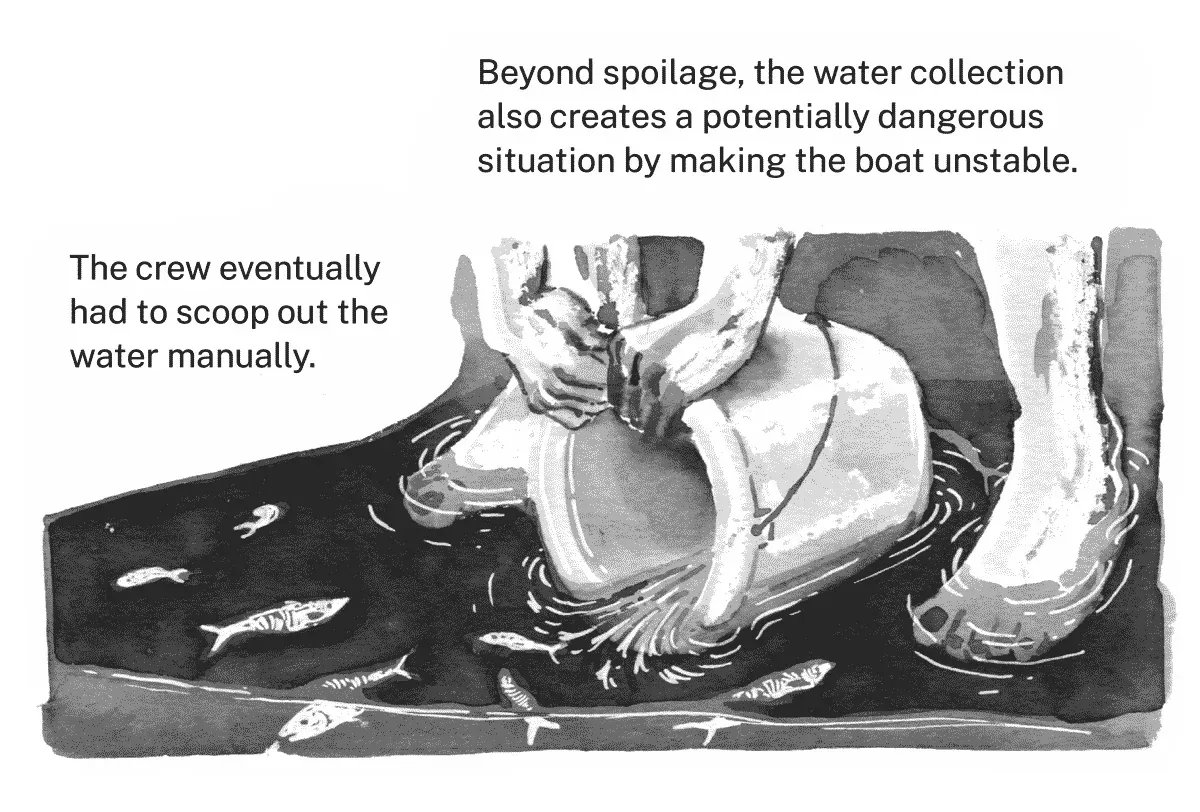
The faulty cold storage room not only spoiled the fish but also increased operating costs because it ran on diesel.
The diesel generator consumes six litres of diesel an hour just to cool the room. If it runs continuously for 20 days, the approximate duration of a deep-sea fishing trip, it uses 2,880 litres of diesel worth ₹300,000. This is just to keep the cold storage room running, i.e., to prevent ice worth ₹15,000 from melting.
Overall, the 20-day fishing trip uses 7,680 litres of diesel, costing the fisher ₹8-10 lakhs (₹800,000 to ₹1 million). The fish they catch fetch ₹3-4 lakh (₹300,000-400,000), about half of what is spent on diesel.
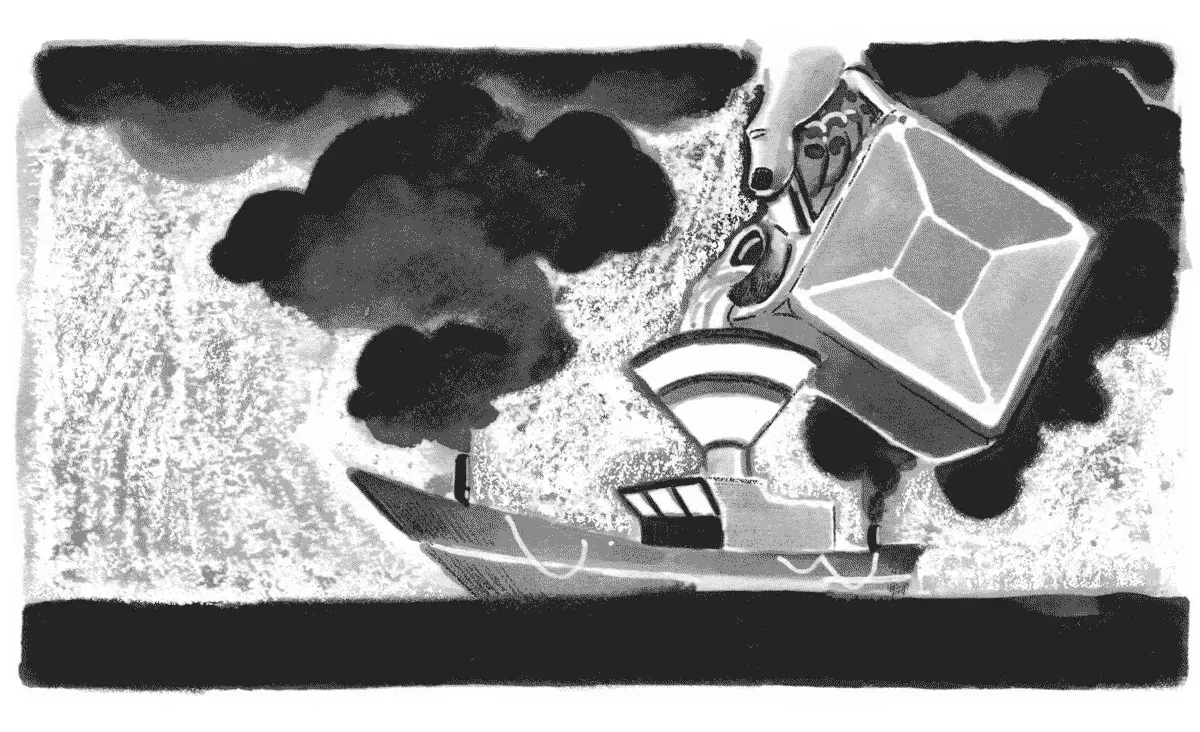
In August 2025, the government announced revised guidelines addressing the refrigeration system’s inefficiencies. However, these would help the next lot of boats. By then, it was too late for Kerala fishers, who are now deep in debt.
Undersized machinery, steering issues and other problems
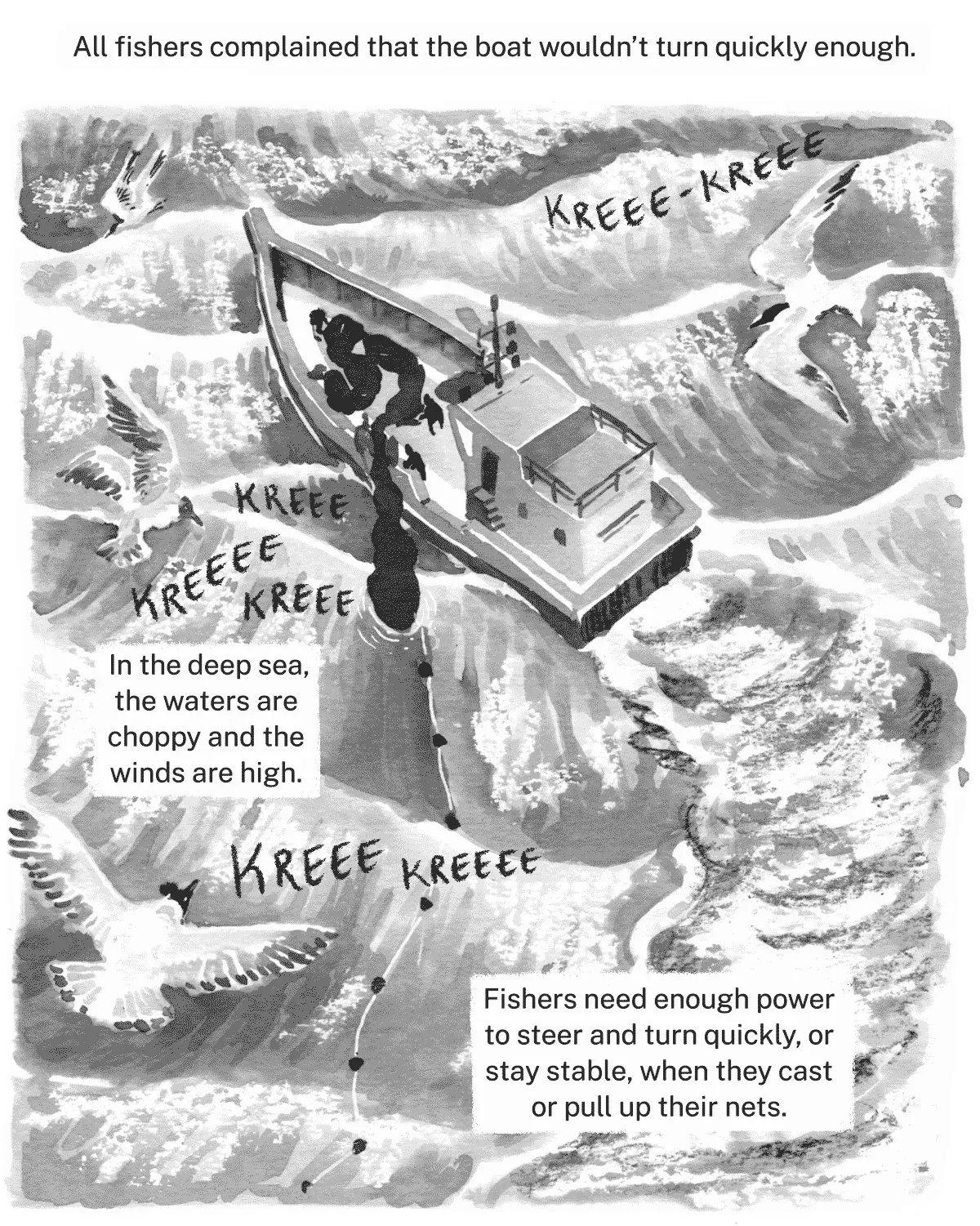
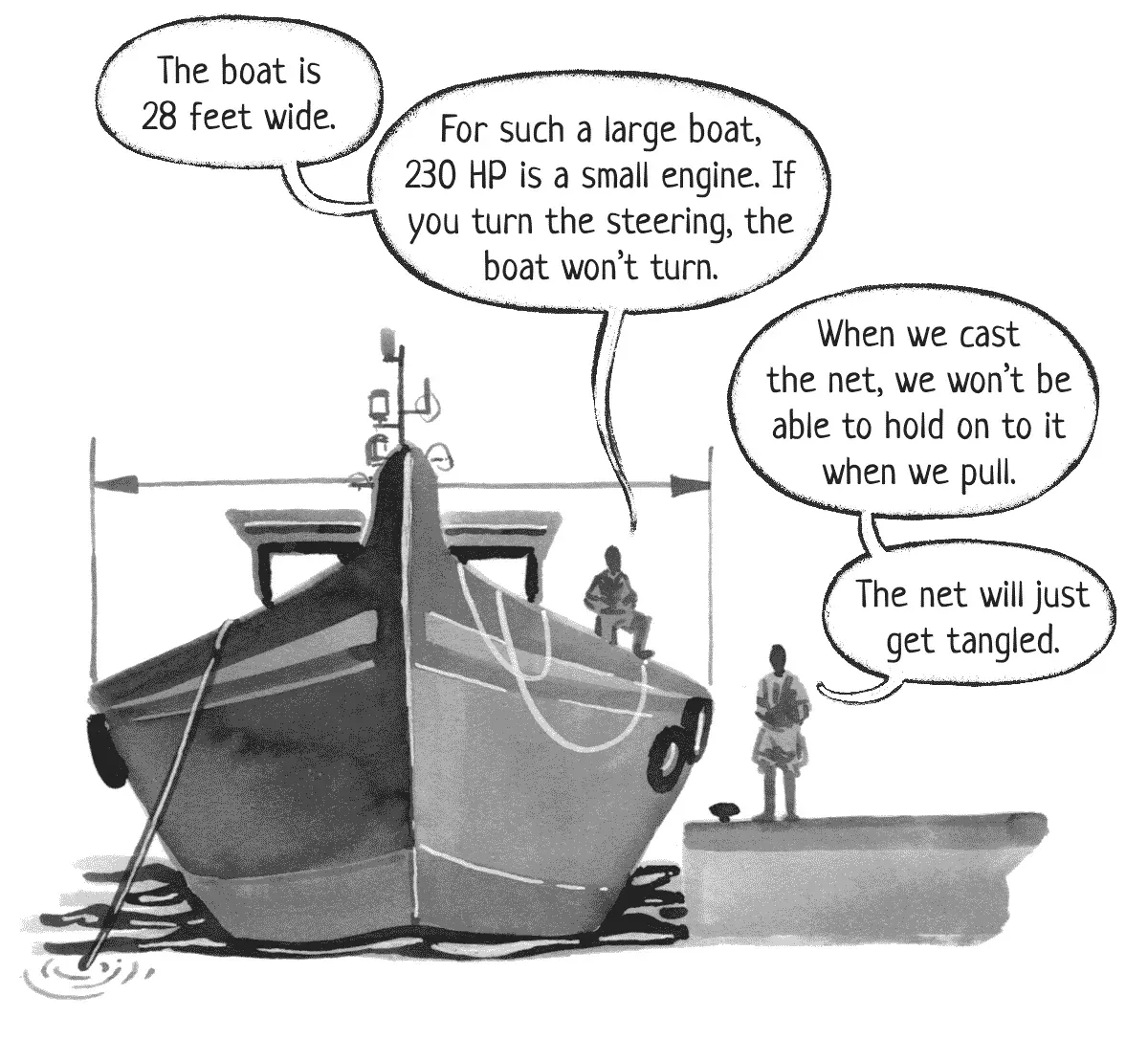
“Two things are likely happening here,” said Siddharth Chakravarty, fisheries research scholar. “The steering hydraulic pump is under-capacity, meaning the rudder does not turn fast enough, and second, the engine has low HP, meaning enough wash across the rudder cannot be generated. All of this is relative to the beam (width) of the vessel.”
Ideally, the hydraulic motor’s power should match the boat’s size. “For a 75-feet long and 28-feet wide boat, a motor pump of at least 10 HP is required,” Antony said. The provided 4 HP pump “is not sufficient to move the boat here and there with ease,” he explained.
Disillusionment and debt
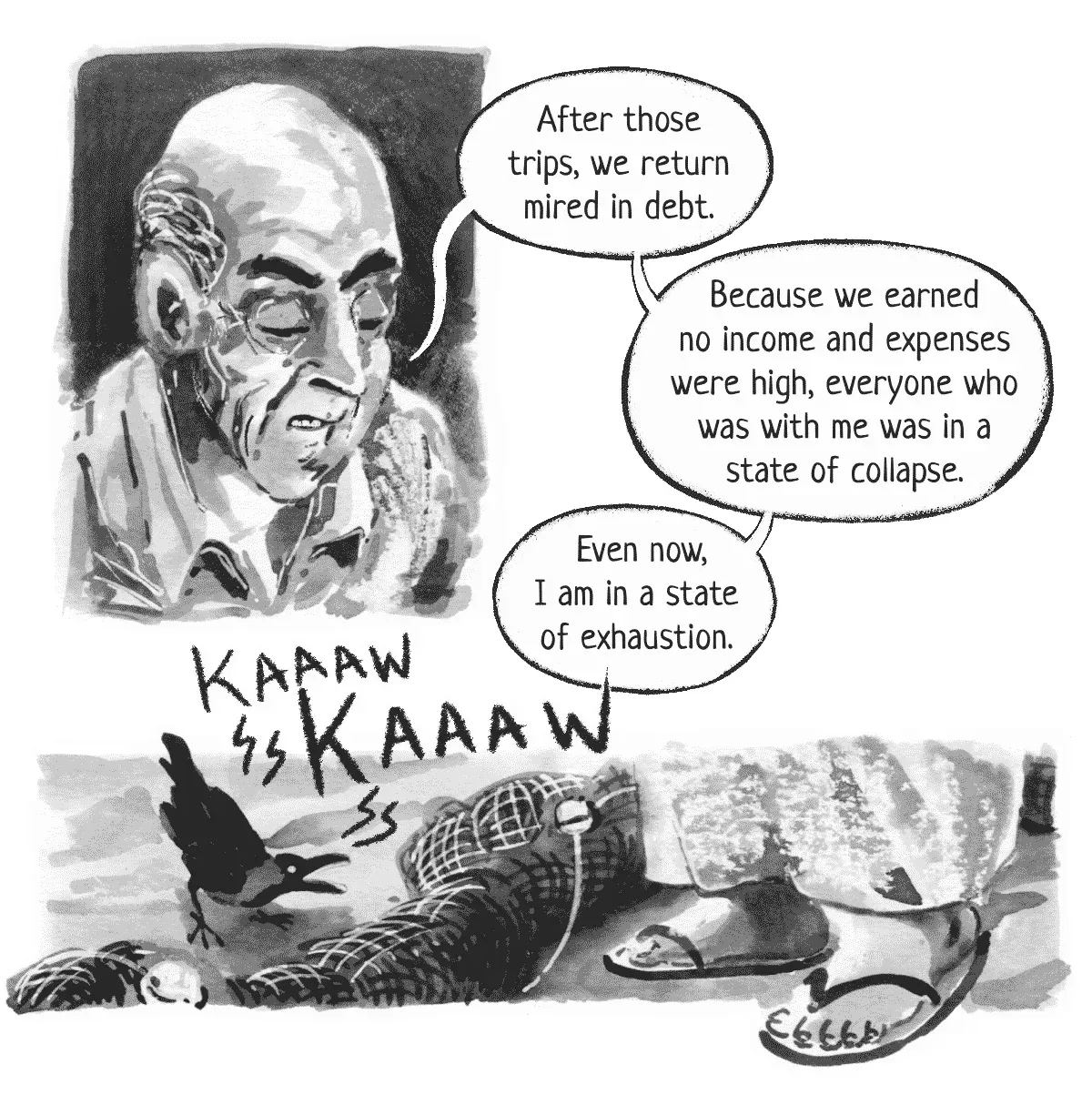
The vessel cost ₹1.5 crore; the central and state governments together paid about half (around ₹74 lakh), and the fishers had to invest the remaining half (around ₹72 lakh).
This amount, raised through personal loans, pawning jewellery and using homes as collateral, also came from other villagers, cooperative members, and family members who felt the scheme would be beneficial.
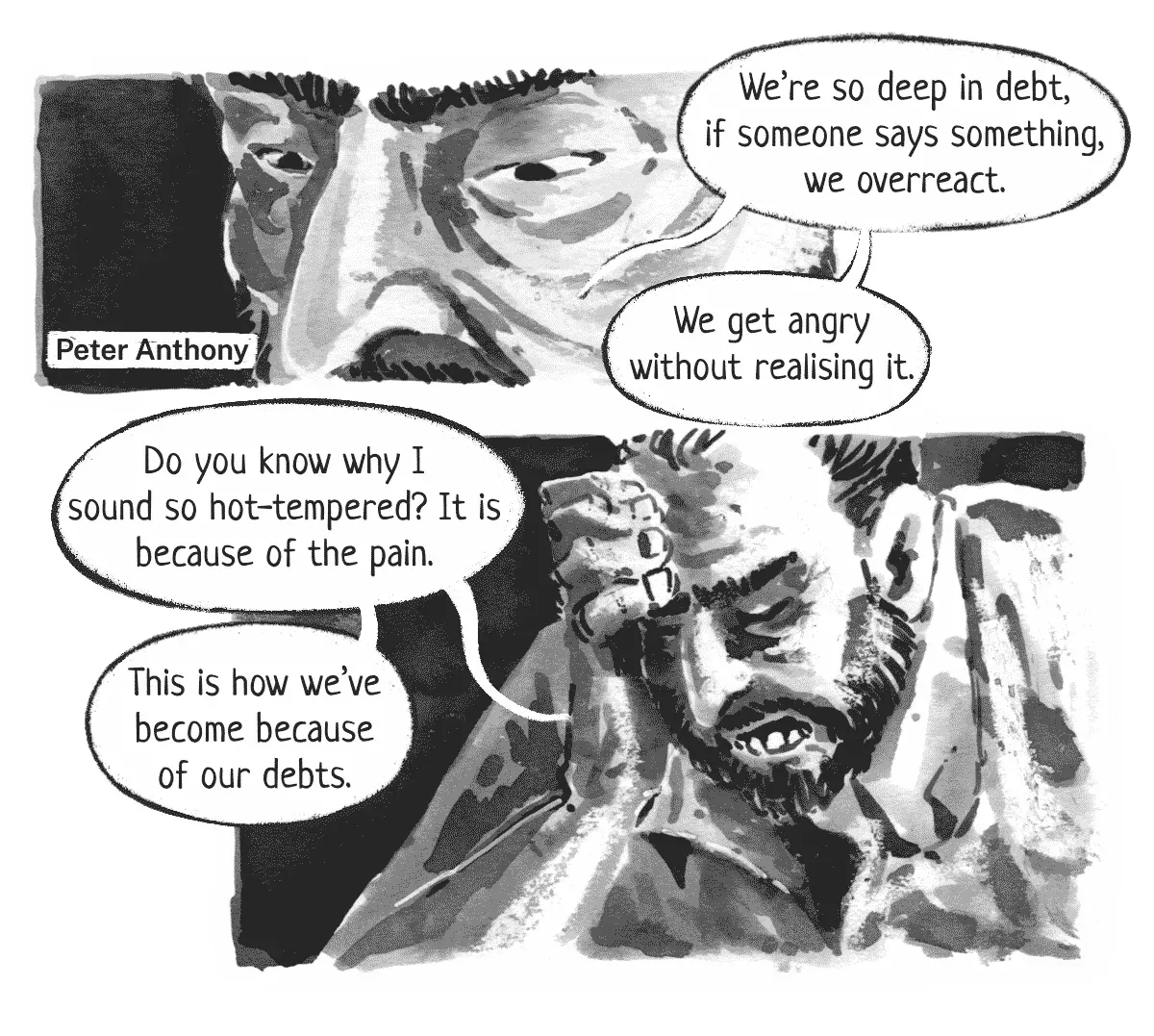
Instead, they are all left in various forms of debt. Peter and Shaju have both mortgaged their homes; Joseph owes ₹60 lakhs (₹6 million) to his group.
Daily fishing returns as deep-sea dreams end
Protocols for the deep-sea fishing vessels mandated that they primarily use domestically made parts to adhere to the Public Procurement (Preference to Make in India) Order 2017. Because of this, Kerala fishers couldn’t customise their boats. However, fishers in Karnataka and Maharashtra have subsequently managed to install Chinese engines of at least 350 HP in the deep-sea fishing vessels.
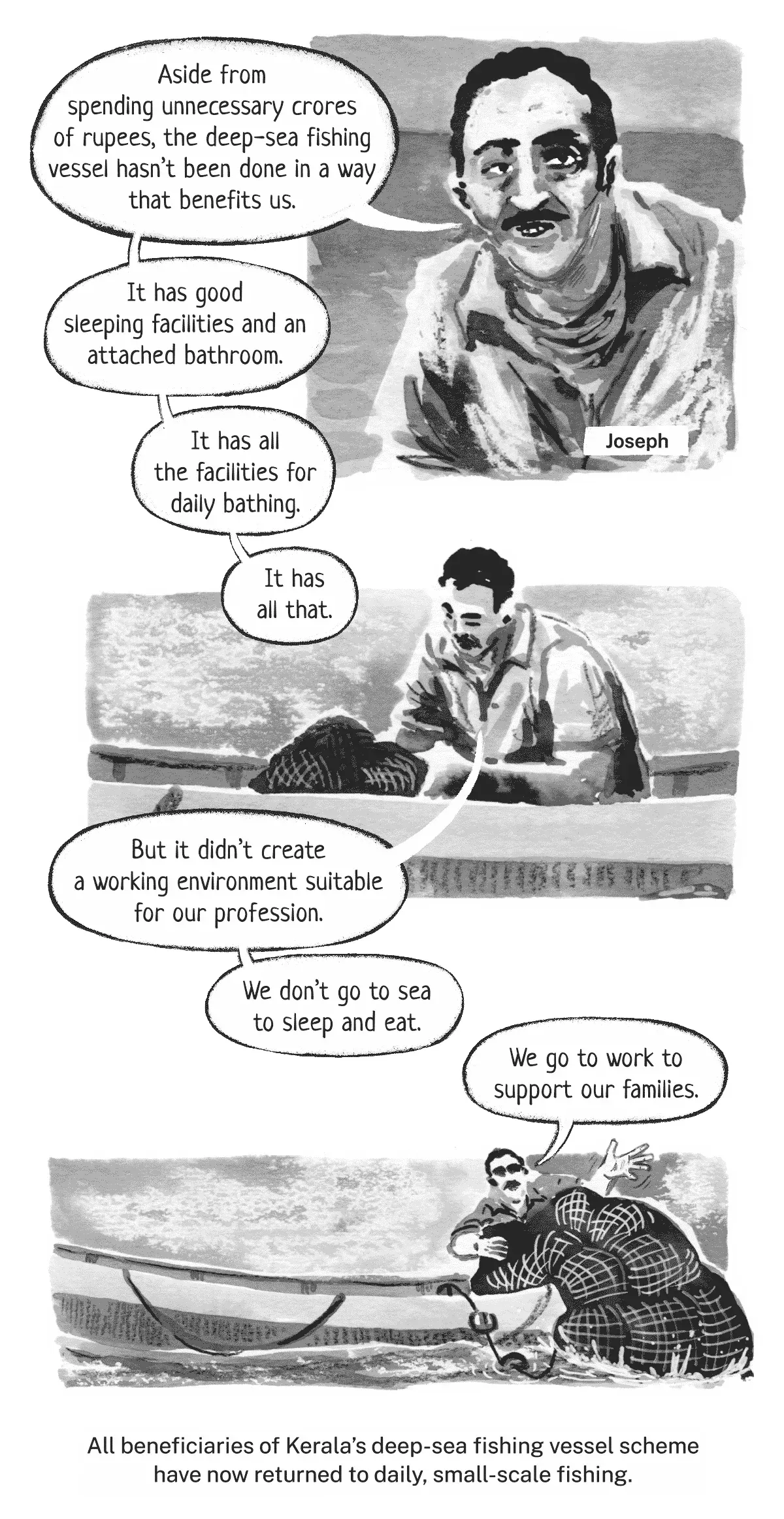
The amended Standard Operating Procedures (SOPs) for the PMMSY deep-sea fishing vessels were released in August 2025, five years after the scheme launched. The amended SOP allowed vessels to be built using FRP (fibre-reinforced plastic), a much lighter and easier-to-maintain material than steel, the material used to build the deep-sea boats given to Kerala fishers. It also made the boat’s refrigeration system optional, reducing the fuel needed to run the compressor generator. Instead, the fishers would simply need to place ice in the fish hold and use that ice for cooling.
However, Kerala fishers don’t benefit from these guidelines.
Mongabay-India reached out to officials at CIFT, Cochin Shipyard and the Kerala Fisheries department seeking comments but did not receive a response.
Contributors
Graphics: Roeqin
Visual Editor: Kartik Chandramouli
Story Editor: Aditi Tandon
Series Editor: S. Gopikrishna Warrier.