Story
 September 14, 2026
The Dawa River Crossing, Fragile Economics of Exile, and Cross-Border Transit Between Kenya and Ethiopia

An investigative look into the post-eviction labor recovery, informal trade integration, and climate...
This story is also available in Amharic and Afaan Oromoo.
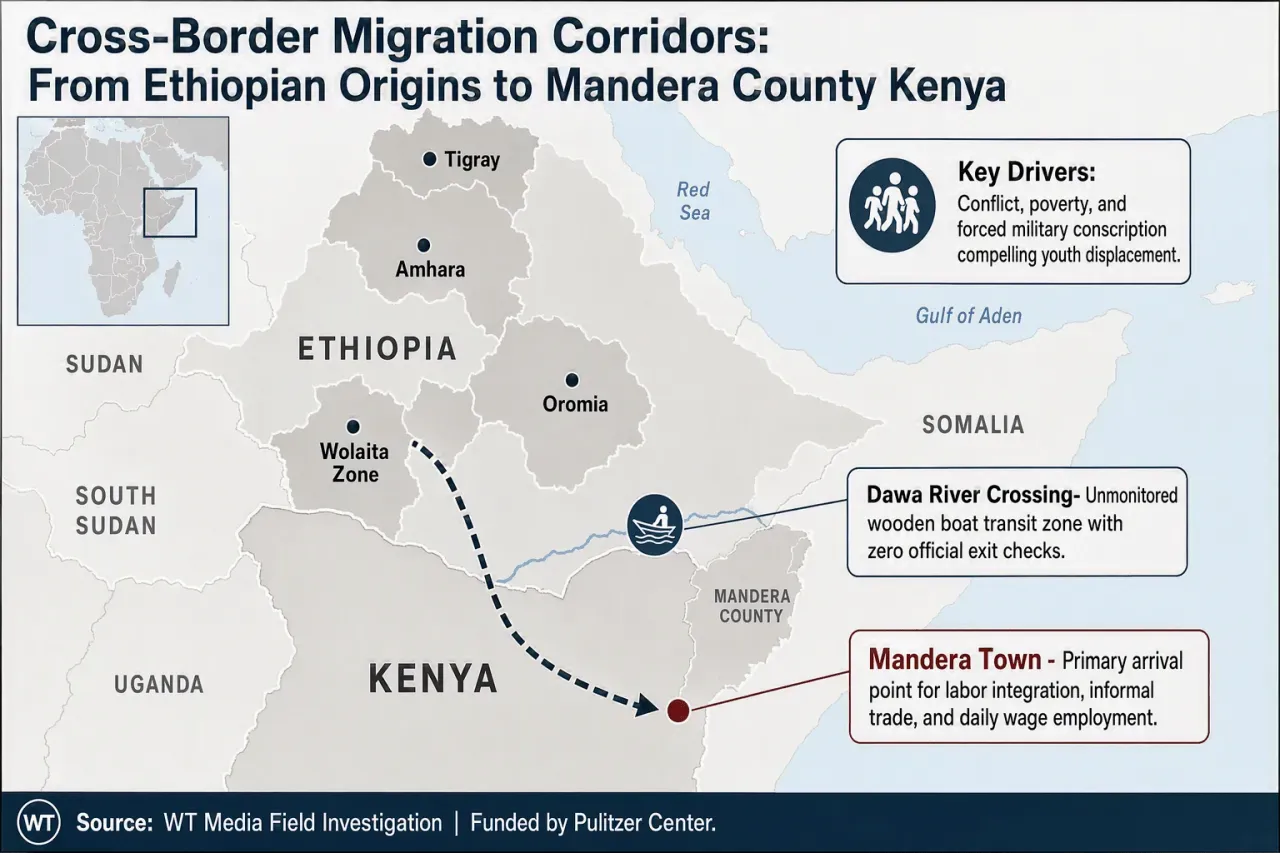
Along the sun-scorched banks of the Dawa River, a wooden boat cuts across the water for one hundred Kenyan shillings, carrying individuals across an invisible line where Kenya, Ethiopia, and Somalia meet. This is the Mandera Triangle, a remote frontier where porous borders and desperate circumstances collide. Thousands of Ethiopian migrants displaced by poverty, conflict, and climate shocks seek refuge here in a fragile economic ecosystem. They build homes, run local businesses, and fill vital labor shortages, yet they do so under the constant shadow of administrative crackdowns, arbitrary detentions, and the looming threat of sudden expulsion.
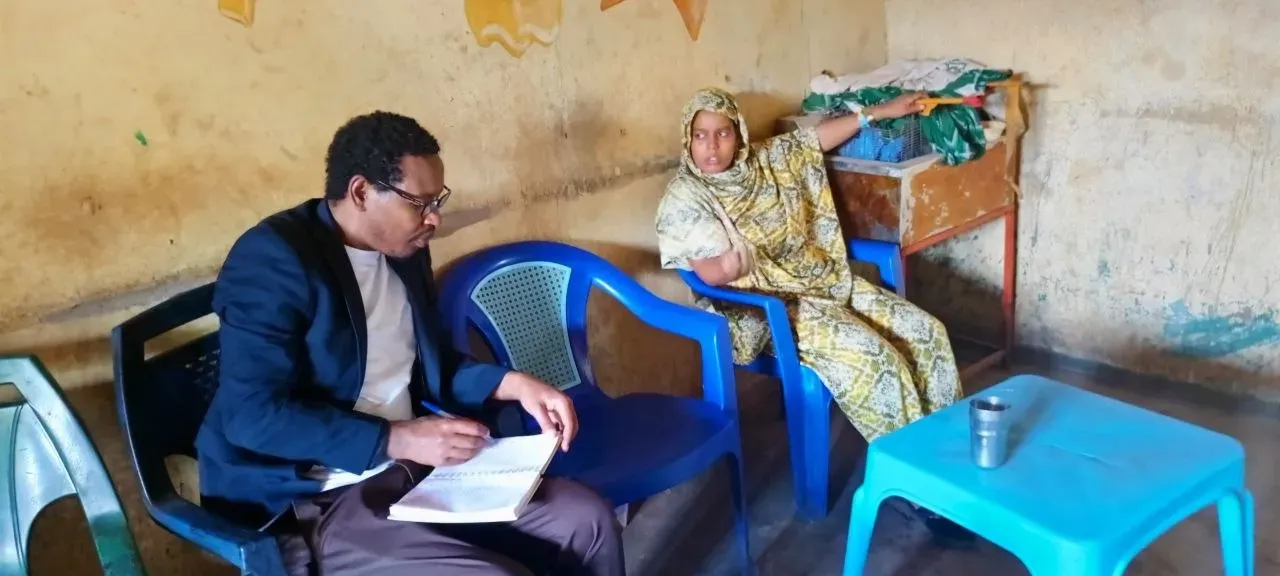
The interview with Meklit Yacob, who migrated from marginalized southern Ethiopia in Wolaita to Mandera and has spent nearly four years working in domestic service, offers critical insights into how local employer relationships, documentation, and cultural adaptation shield migrant workers during administrative crackdowns. When sweeping eviction orders were previously issued against the Ethiopian community in Mandera, Meklit faced a moment of intense vulnerability, but deep-seated bonds with her employer prevented her displacement.
Her employer intervened directly with authorities and community members, advocating for her by treating her like family and explicitly stating that she was a trusted, long-standing member of the household rather than a troublemaker. The local community stance of distinguishing between unruly elements and well-behaved workers allowed compliant domestic workers to remain hidden or protected indoors until tensions subsided. Like many migrants, Meklit considered returning to Ethiopia during the crisis, but the complete lack of domestic employment opportunities and the pressing need to support her children back home made staying the only viable path.

As a nonprofit journalism organization, we depend on your support to fund more than 170 reporting projects every year on critical global and local issues. Donate any amount today to become a Pulitzer Center Champion and receive exclusive benefits!
Meklit emphasizes that maintaining formal health and identification documents is essential for navigating the frontier safely and building mutual trust with the host community. Obtaining local health clearance papers, including medical tests and documentation kept on file, enables workers to move around, access services, and work without constant fear. Addressing prevalent community fears regarding health issues among migrants, Meklit notes that proper screening and transparent medical records help dispel harmful stigmas and ensure smooth integration.
Living in exile presents immense emotional challenges, particularly managing the physical separation from children, yet Meklit stresses that survival in a foreign land requires strict adherence to local norms. Adapting to local cultural standards, such as dressing appropriately, respecting community strictures, and maintaining a low, respectful profile, is vital to avoiding conflict.
Meklit does not intend to remain in Mandera permanently, as her primary objective is to save enough money through her steady wages to eventually return to Ethiopia, reunite with her children, and establish an independent livelihood. For long-term migrants who have spent over a decade establishing roots in Mandera, the frontier is simultaneously a place of economic refuge and constant administrative anxiety.
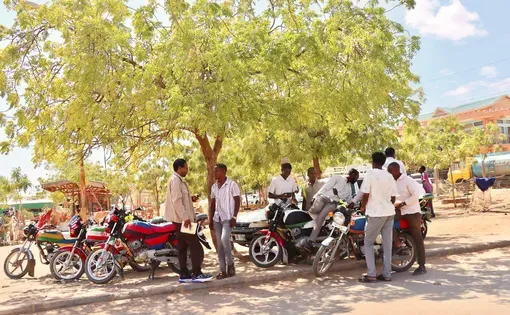
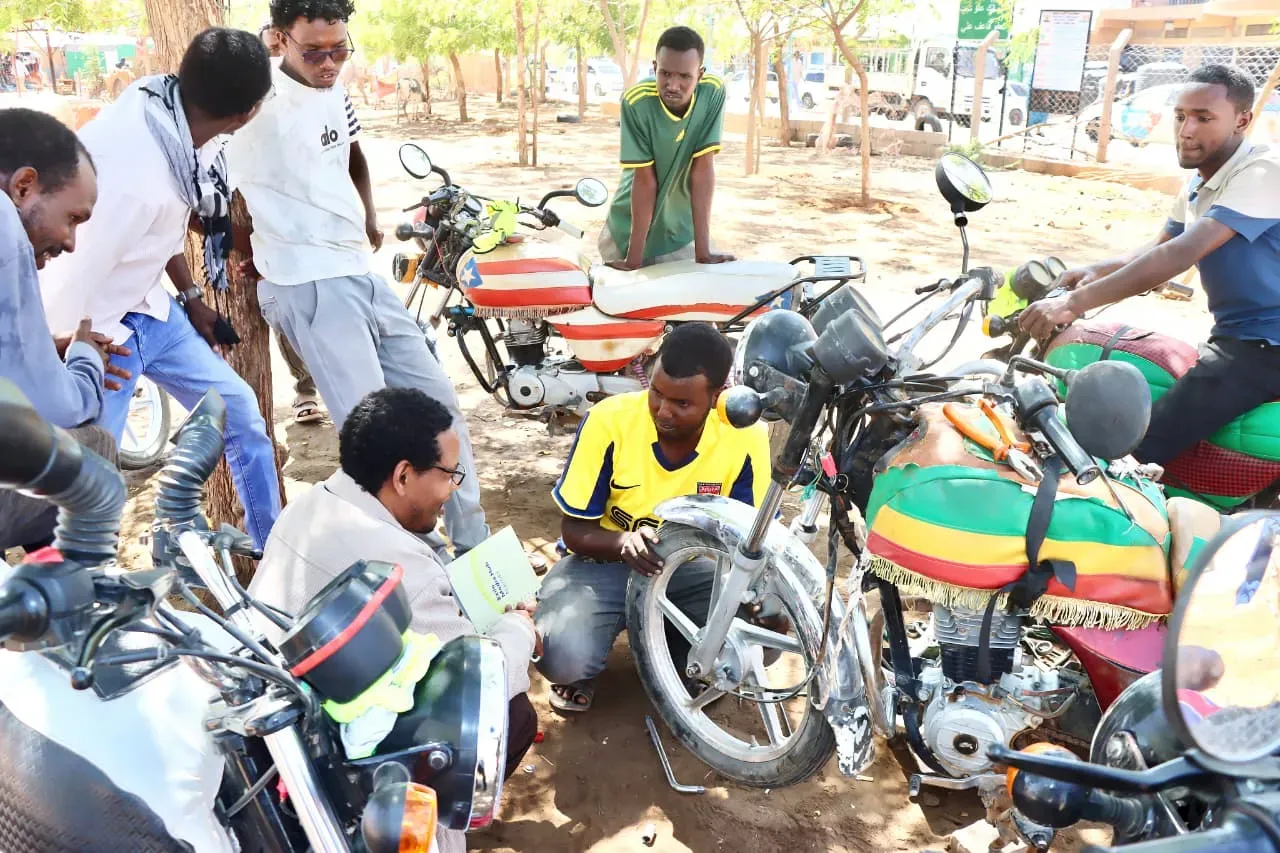
The account of Abdu Mohammed, who originated from Bale in the Oromia region and adopted a local name to align with regional naming conventions, illustrates the complex realities faced by settled members of the diaspora. Having built his own house, secured self-employment involving motor use, and integrated into the cultural fabric of the town, Abdu managed to ride out historical eviction waves that uprooted newer arrivals, although his experience underscores how systemic vulnerabilities persist even for the well-established.
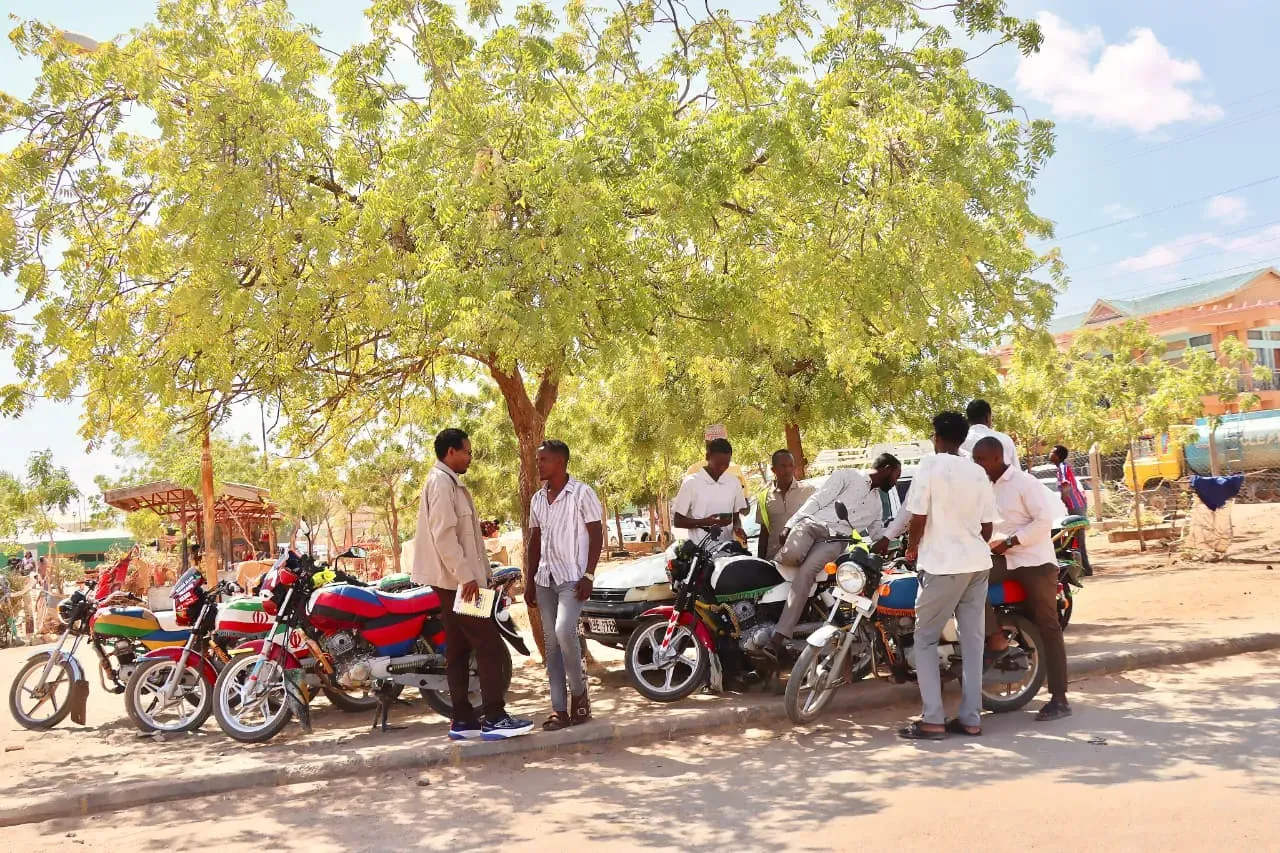
Despite living in Mandera for more than ten years, Abdu highlights the frequency of routine security roundups that target the migrant community indiscriminately, with police forces conducting coordinated sweeps two to three times a week and hauling individuals to local stations during morning and evening patrols. Detainees frequently secure their release only by paying money, and while established residents with proper documentation or local identification can eventually navigate the process, the lack of formalized legal brokering or familiar institutional frameworks leaves transients and newcomers intensely vulnerable to extortion.
A core tension emerging from the interview is the profound friction caused by the conduct of transient or newly arrived youth. While Abdu and other long-standing residents maintain quiet, self-contained lives focused on honest labor such as domestic cleaning, small-scale trade, or garage support, unruly behavior among clustered groups living in densely packed rental units has repeatedly triggered severe community backlash.
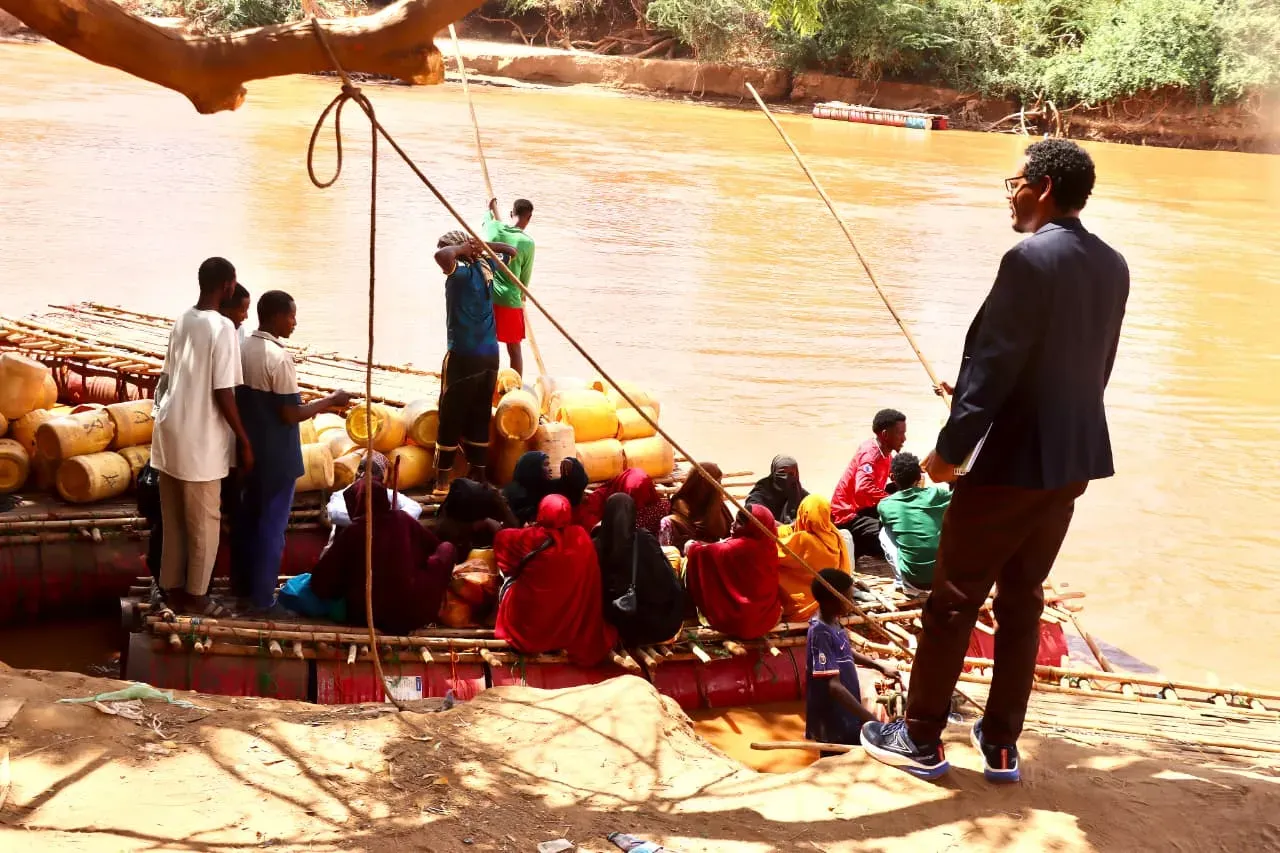
Because locals cannot easily distinguish between integrated community members and transient bad actors, antisocial behavior by a minority casts immediate suspicion over the entire diaspora. When administrative authorities or local residents issue blanket orders to evacuate, hardworking migrants who contribute positively to the local economy are lumped together with individual wrongdoers, and Abdu criticizes this collective punishment as deeply unfair, emphasizing that accountability should target specific offenders rather than sweeping away innocent people who came to labor for their families.
The continuous influx of migrants persists despite these recurring crises because conditions in the homeland offer few alternatives. Driven by economic stagnation and a lack of domestic opportunities, individuals continue crossing the border to find work that allows them to support extended families. For Abdu, the determination to remain, stating he would stay even in the face of extreme hardship rather than return to a hostile economic climate in Ethiopia, reflects a broader sentiment across the borderlands that the risk of staying in Mandera is weighed against the impossibility of surviving back home.
As these personal battles at the border illustrate, the ongoing human tide is driven by an unyielding reality: people will endure the severest daily anxieties of exile because returning home offers no survival at all.
 View this story on Addis Standard