Project September 8, 2026
The Price of Fish: The Hidden Cost of Survival for Women on Zambia’s Lake Tanganyika
Country:

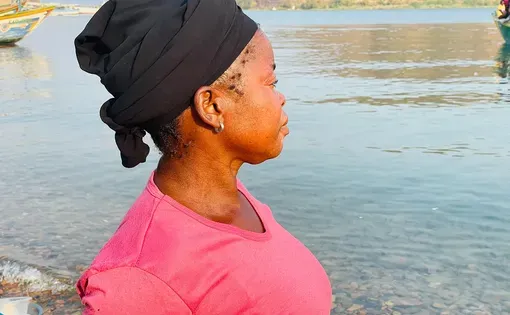
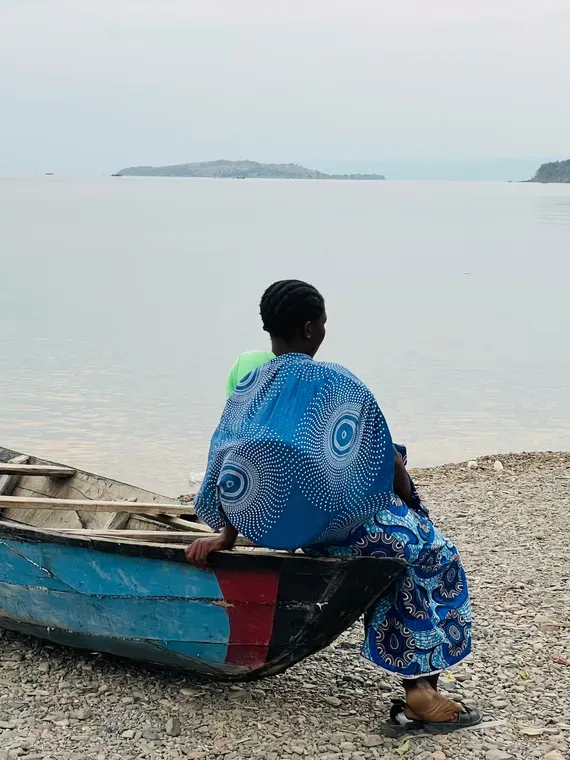
Along Zambia’s Lake Tanganyika, fish is more than food—it is a lifeline. For hundreds of women who depend on the lake to feed their families and earn a living, access to that lifeline can come at a hidden cost.
This investigative reporting project examines allegations of “sex for fish,” in which some women say fishermen and fish traders demand sexual relationships or favors in exchange for access to fish. Women who refuse may be denied fish, excluded from trading opportunities, harassed, or left without income.
Reporting from fishing communities including Mpulungu and Nsumbu, the investigation documents the experiences of women who navigate these pressures while confronting poverty, gender inequality, and economic dependence. It also examines what community leaders and fisheries officials say about the practice and its potential consequences, including exposure to sexual and reproductive health risks, gender-based violence, and further economic vulnerability.
Through firsthand accounts and reporting across communities along the lake, the project exposes a system in which women’s ability to survive can depend on access to a resource controlled largely by men. It asks a difficult question: When fish is a woman’s livelihood, what happens when access to it comes at the price of her dignity, safety, and body?
-
×
 PART OF: The Price of Fish: The Hidden Cost of Survival for Women on Zambia’s Lake TanganyikaSeptember 3, 2026