Engagement Resource August 14, 2026
Politics, Energy, and Resistance in the “Virginia of Europe”: What Does It Mean To Bet It All on Data Centers?
Country:

Project
The Backyard of AI
The boom of generative AI has launched tech giants into a race to increase their computing...

This article summarizes one of the activities supported by the Pulitzer Center’s Outreach Engagement Fund and is part of The Backyard of AI, a cross-border investigation into the local impacts of data centers. You can also read about the other two activities of the same initiative carried out in Mexico and in Chile.
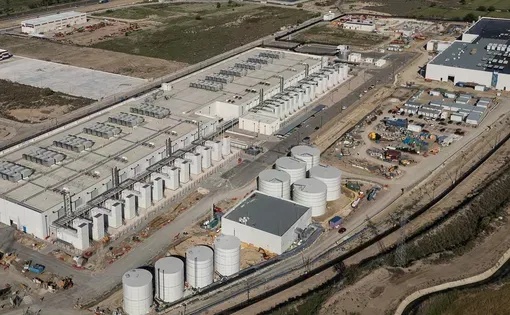
The proliferation of AI data centers in the European Union has sparked an intense debate about their impact on the continent’s green agenda. Traditionally located near major European capitals, hyperscale data center operators are now setting up shop in other locations—regions with ample land availability and connections to the power grid.
Aragón, located in northwestern Spain, exemplifies this trend like few others. Over the past three years, major tech companies and firms from other sectors have announced a long list of massive server complexes here. In 2022, Amazon Web Services opened three centers that will eventually be integrated into a network of up to 11 locations. Microsoft, the Blackstone fund, and many other national and global firms are currently developing dozens of projects in the region.
The government of Aragon has made a strong commitment to this industry. As early as 2024, its president, Jorge Azcón, spoke of turning this region into the “Virginia of Europe,” referring to the U.S. state with the highest density of data centers in the world. However, just as in other parts of the world, Aragonese civil society has begun to organize in recent months to oppose this industry, both in the streets and in the courts.

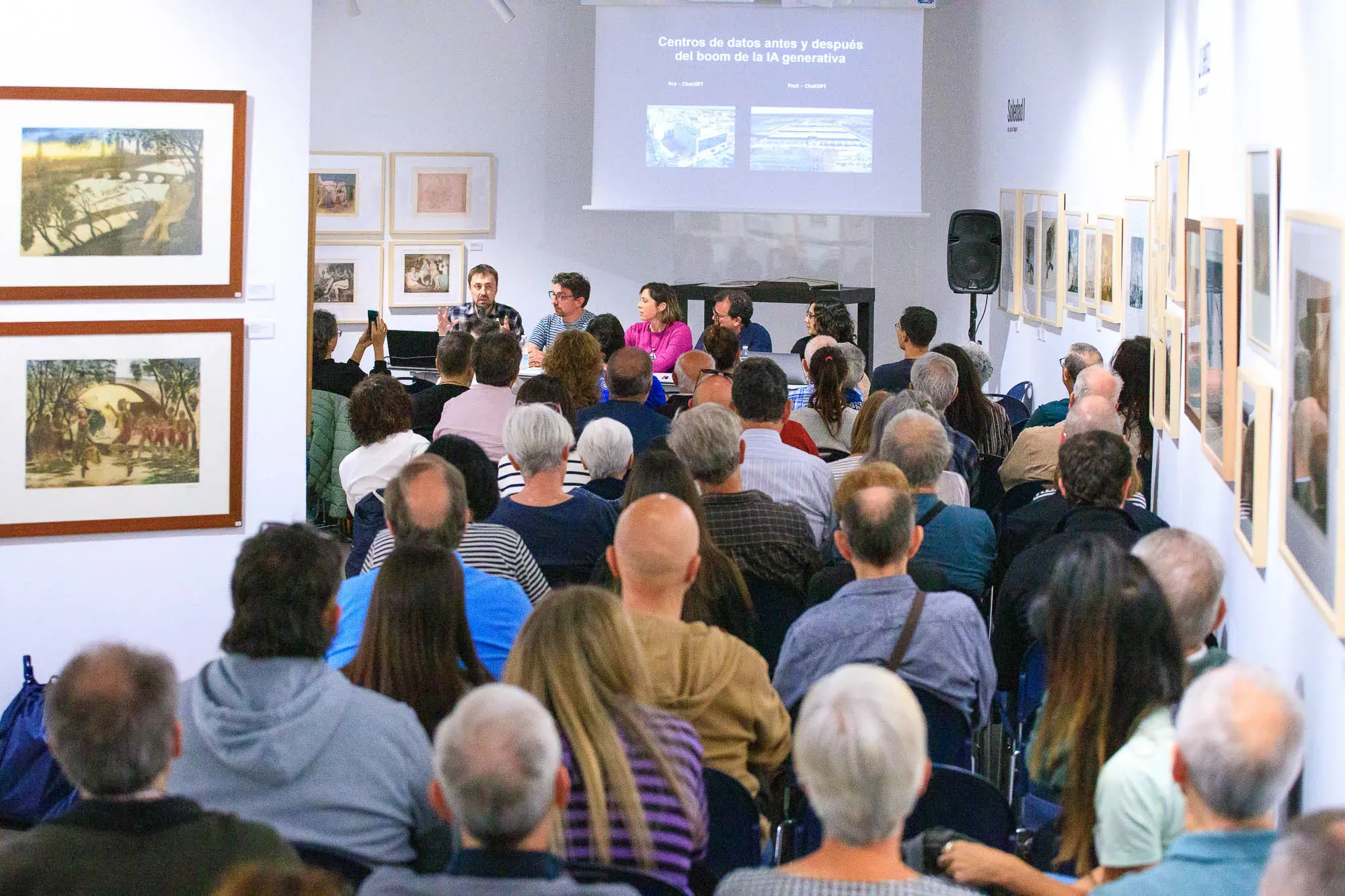
As a reporter, I have been covering the arrival of tech infrastructure in Aragón for more than two years. This work has allowed me to meet firsthand with researchers, activists, and other experts focused on scrutinizing these developments. So, on May 6, with the support of the Pulitzer Center, I organized and moderated a talk and discussion on the local implications of this phenomenon. In the video below, you can watch a full recording of the event (in Spanish).
My goal with this event was to bring together at the same table voices from different disciplines who are generating independent knowledge about this industry in Aragón. And to do so through a format open to the public, addressing some relevant questions.
Why has this region become so attractive to the sector in such a short period of time? What lies behind the large figures of private investment? And what role are public authorities playing in these processes?
To try to answer these questions, I invited researchers Lorién Jiménez, who holds a Ph.D. in history and is a sociologist at the Universidad de Zaragoza, and Alicia Valero, a renowned scientist at the ENERGAIA Joint University Research Institute (Universidad de Zaragoza), to join the panel. They were joined by Jesús García Usón, an agricultural engineer and head of environmental affairs for the Izquierda Unida Aragón party, and Cristina García, an industrial engineer and member of the citizen collective No es sequía es saqueo (It’s Not a Drought, It’s Plunder).
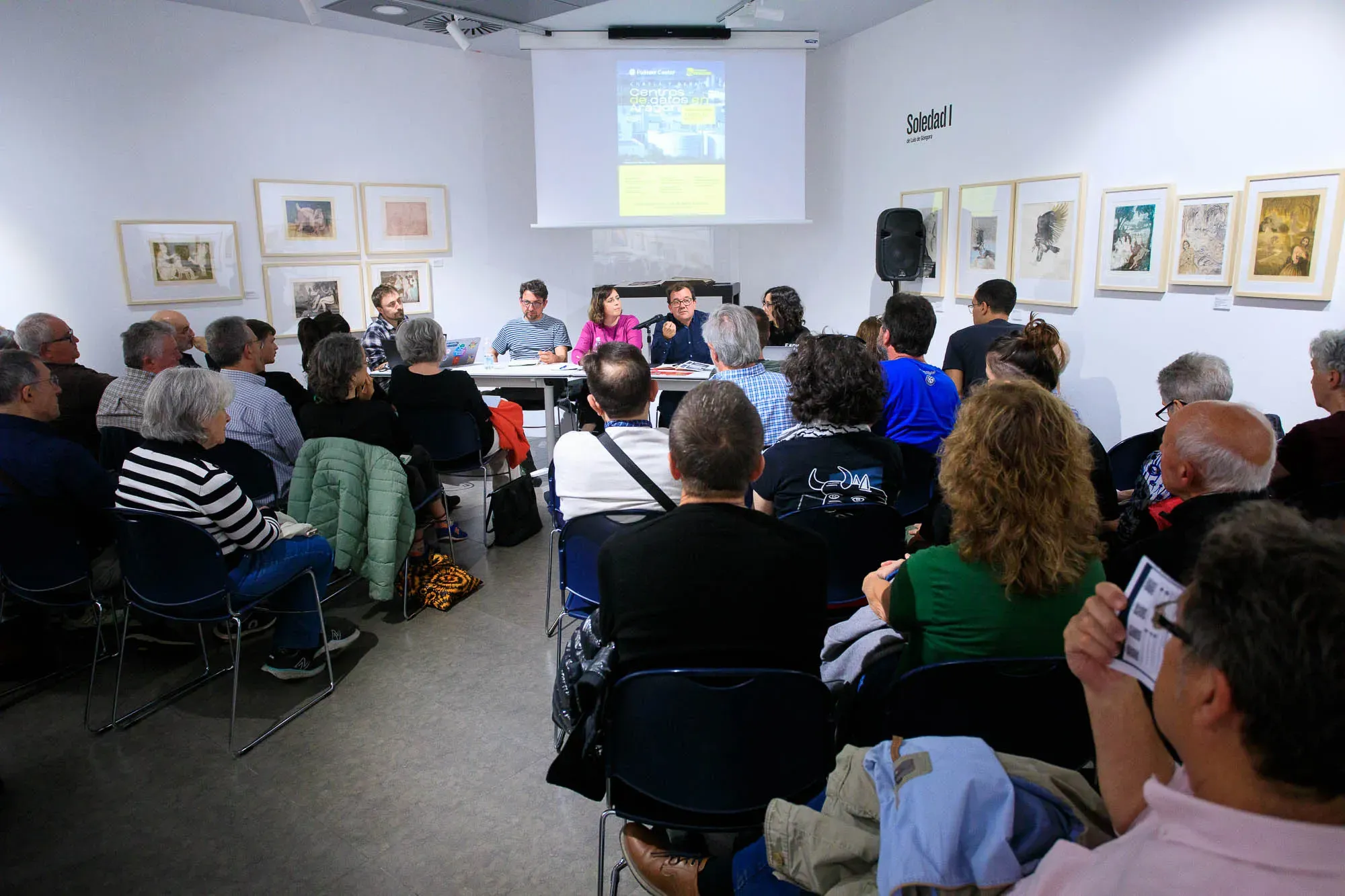
Each of the speakers offered a different perspective on a complex issue that still has many gray areas where independent information is scarce. Alicia Valero shared some findings from a study conducted by her research team in which, based on publicly available data, they estimated the energy, water, and land needs of this industry in Aragón over the next decade. Their conclusions were alarming.
Jesús García Usón turned the spotlight on another key factor: the way the regional government is handling these complexes, through an administrative category that speeds up the permitting process and reduces the taxes owed.
For his part, Lorién Jiménez analyzed some of the factors that have made Aragón a sought-after destination for an increasing number of data center developers. And finally, Cristina García explained how various citizen groups have been monitoring this industry in the region for months using a variety of methods.
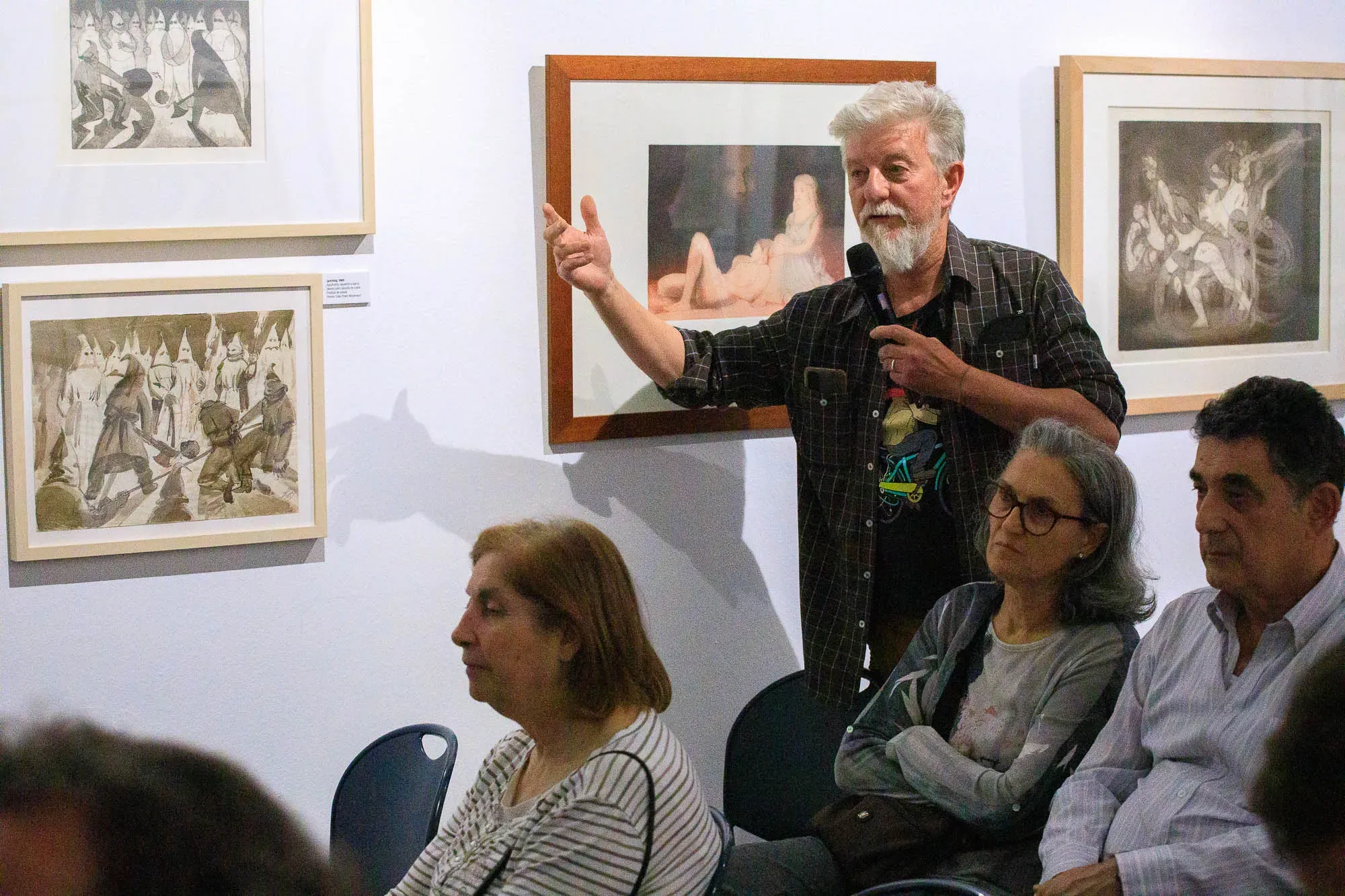
The auditorium at the Joaquín Roncal Center in Zaragoza’s historic district was packed for the event. Following the opening remarks and the panel discussion among the experts, attendees asked questions about, among other topics, the job prospects associated with these centers, how to stay informed about similar developments in other regions of the world, and the recent studies on the heat islands created by these facilities.