

Turkey’s Lakes District was once among the most freshwater-rich areas of the Mediterranean, a region where, in ancient times, the fertile Anatolian plateau gave rise to both early human civilization and the practice of agriculture. Today, however, this landscape is undergoing a dramatic transformation.
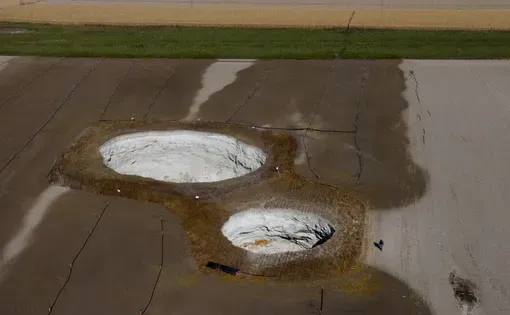
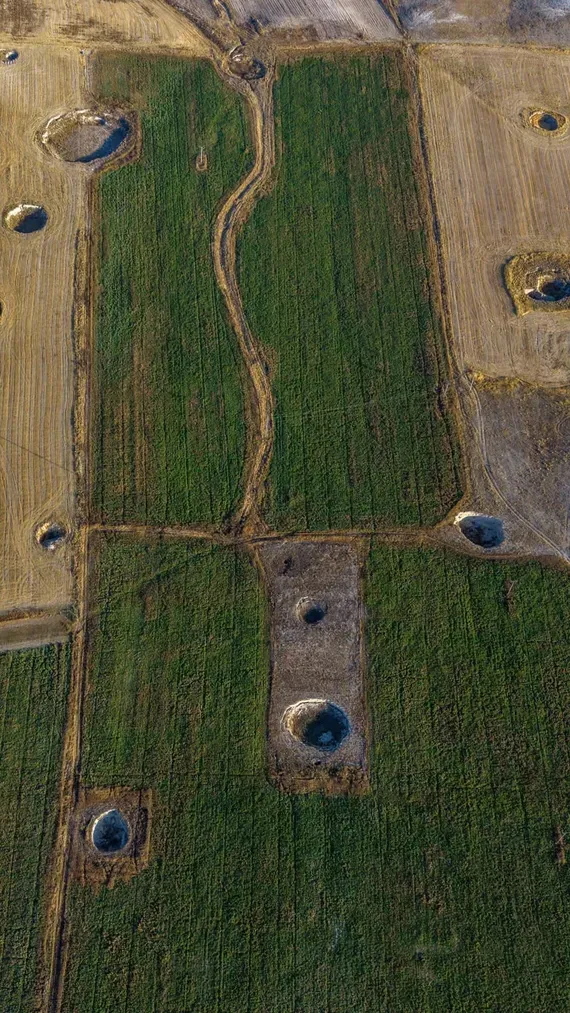
Driven by climate change, inefficient water practices, and political neglect, the region is experiencing severe drought. Lakes such as Burdur, Eğirdir, and Beyşehir are rapidly shrinking or disappearing entirely due to over-extraction for industrial agriculture, especially apple and rose production. In nearby Konya, one of the world’s largest wheat-producing regions, the unchecked drilling of thousands of deep wells has caused the land to collapse in on itself, with giant sinkholes opening across farmlands. The impact is not just environmental but deeply human—as farming becomes unsustainable, communities are fracturing, rural depopulation is accelerating, and traditional ways of life are vanishing.
This project aims to tell the story of the ecological and societal collapse from the ground up through the voices of farmers. This work centers on the Lakes District and surrounding agricultural heartlands as a case study of the Mediterranean’s water future. The region is already home to 60% of the world’s water-poor population, so the story unfolding here is urgent.
This project aims to bring international attention to a slow-moving disaster often ignored in global climate discourse.