Journalist Resource December 10, 2025
Tracking the Plunder of the Venezuelan Caribbean
Country:

What happens when a government totally dismantles environmental monitoring?

How to obtain data on fishing and aquaculture in authoritarian contexts under censorship, administrative opacity, and without official statistics
One of the greatest difficulties in researching foreign trade in Venezuela is the limited or nonexistent access to public information. Neither the state nor the private sector is held accountable for exports and imports in fishing and aquaculture.
Accessing data from international trade platforms allowed us to move from darkness to light. The Armando.info investigative team started from scratch to approximate a map of Venezuela's fishing and aquaculture exports over the last four years. From not knowing what kind of seafood Venezuela is actually exporting, we went on to verify the quantity of exported goods, the marketing routes, the companies exporting fish from Venezuela, and the companies abroad importing fish and aquaculture products from Venezuela.
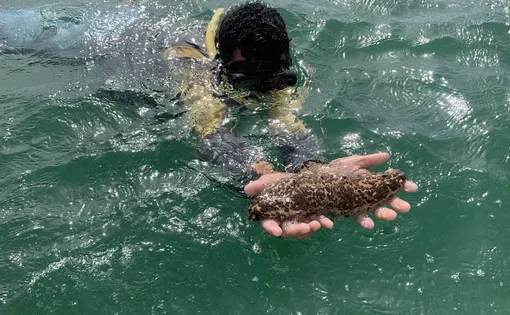
Through the four-part series The Looting of the Venezuelan Caribbean, we demonstrate that, far from official programs aimed at the sustainable use of fishing and aquaculture in Venezuela, extractivist policies are being implemented that threaten the sustainable development of this industry. We were able to demonstrate the contradictions of the red seaweed export business promoted by the Venezuelan government, the existence of a black market in the case of sea cucumber (whose exploitation and sale are completely banned), the violation of laws in the export of a staple food like sardines in the midst of a declared food crisis, and the fact that the destination of Venezuelan fish, especially the popular tajalí, is not the Chinese market but the United States and Korea.
Venezuela does not have a law in place that requires the government to provide public access to information, like the Freedom of Information Act in the United States. Official agencies have not published public data since 2014, coinciding with the start of President Nicolás Maduro's first term. Hence, we could not rely on government data to track fishing and aquaculture supply chains and find connections to the international market.
To solve this, we created our own database and consulted platforms such as the United Nations Comtrade Database, ImportGenius, Panjiva, Sayari, Abrams.wiki, and statistics generated by Venezuela's trade partners.
First, we wanted to confirm what type of fish Venezuela is exporting, and which companies have government authorization for these exports. We also wanted to verify whether international trade statistics match the Venezuelan government's promotion of these seafood products to the international market. In recent years, Venezuelan fish exports have been presented as an alternative source of income to the dwindling oil industry, all in the name of food sovereignty and sustainable fish production.
In short, we needed to know:
- What types of species are traded
- Their value in dollars;
- How many tons are exported
- And to which countries these exports are destined
The tariff classification of seafood products is broad and sometimes imprecise. Different species or seafood products can be grouped under the same Harmonized System (HS) code. So, how can we obtain this information from scratch?
The method
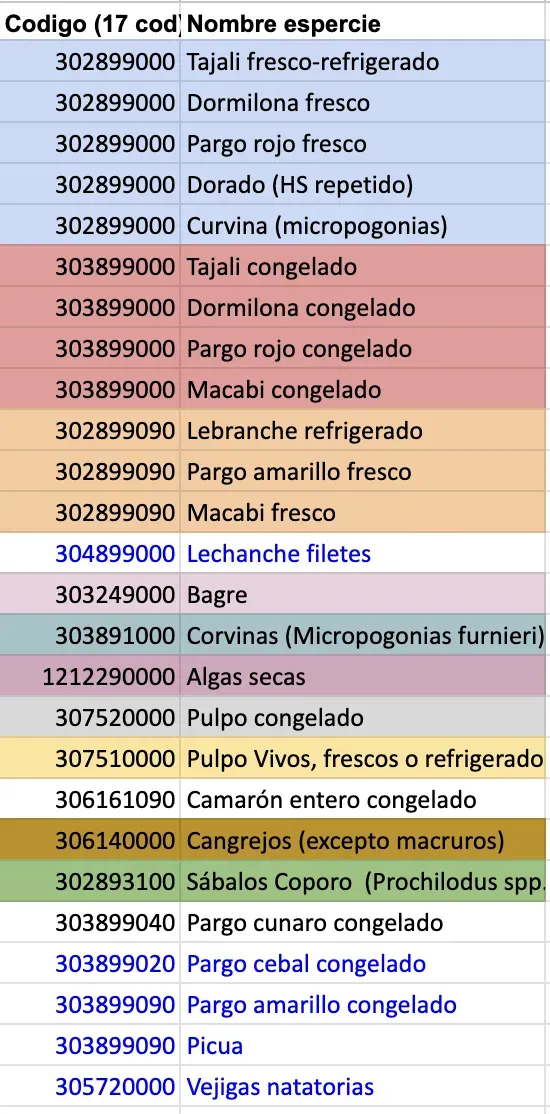
1. We created our own database based on Venezuela's Exportable Supply Catalog for the years 2024 and 2025. We converted the catalog into CSV data and uploaded it in a Google spreadsheet for processing. The Exportable Supply Catalog is very limited in its scope. It is an inventory designed by the Ministry of Fisheries and Aquaculture (MinPesca) and the Foreign Trade Bank (Bancoex) of Venezuela to promote 25 marine species (fish, crustaceans, and aquaculture products) in the international market.
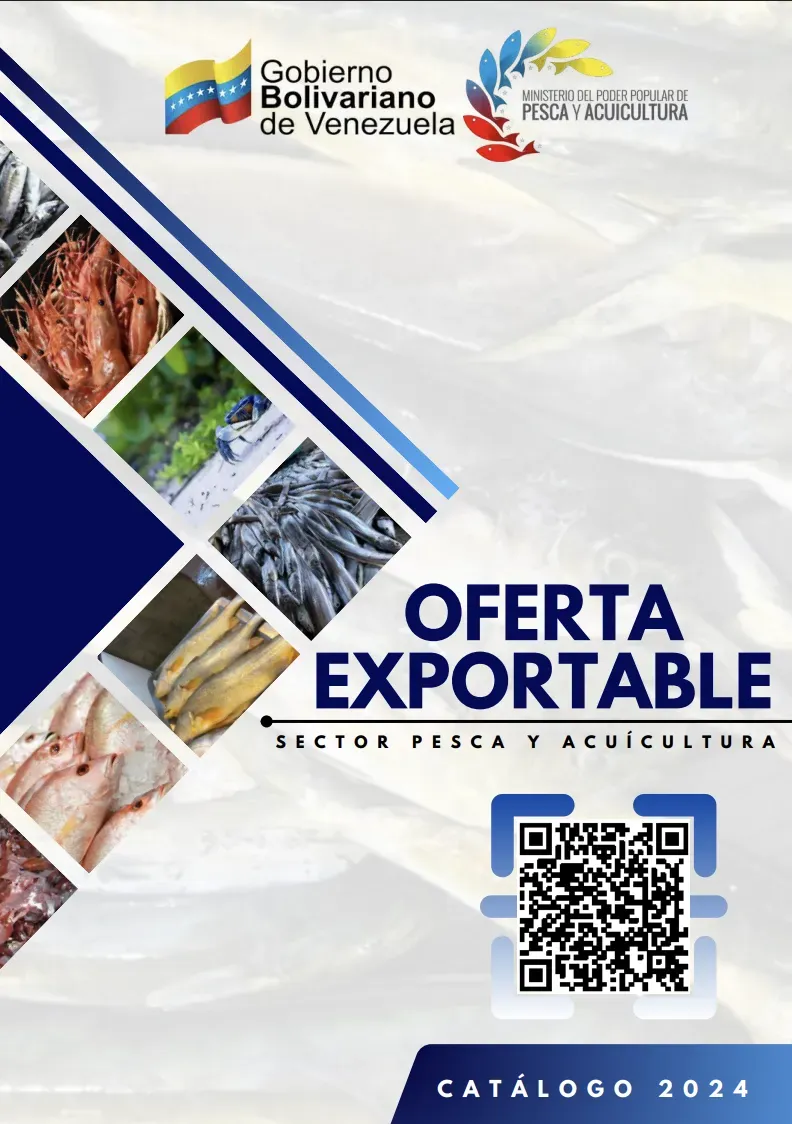
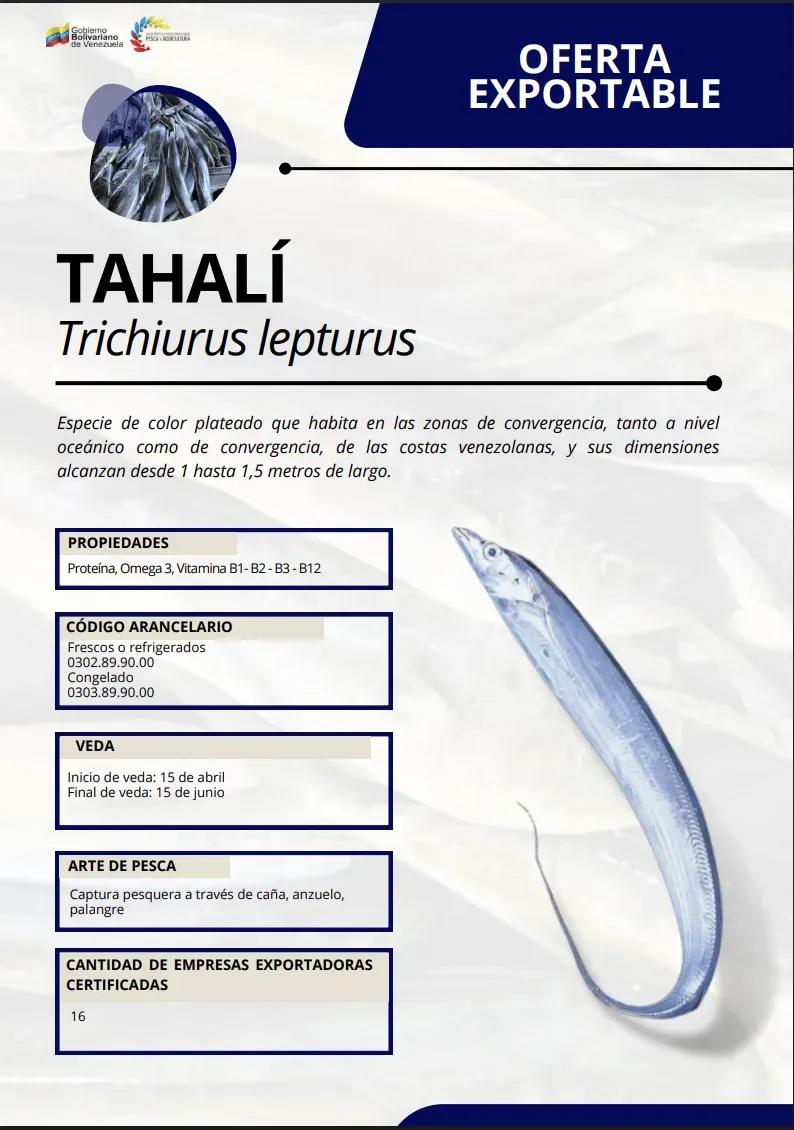
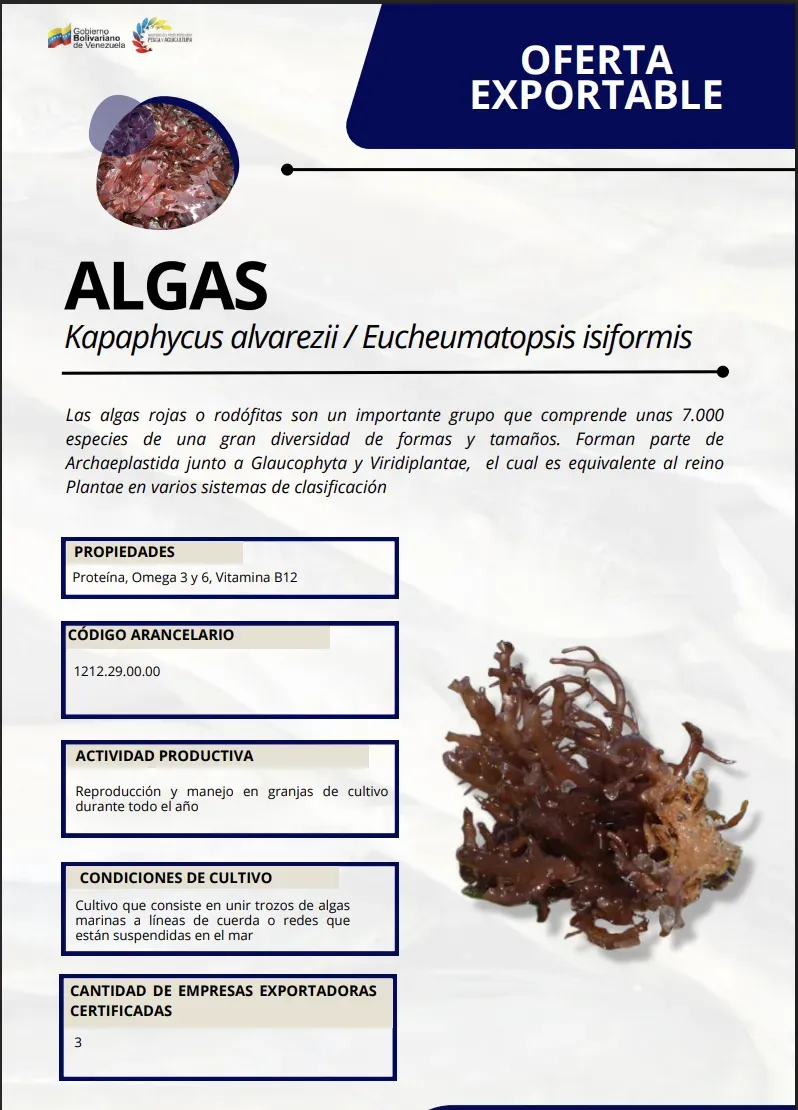
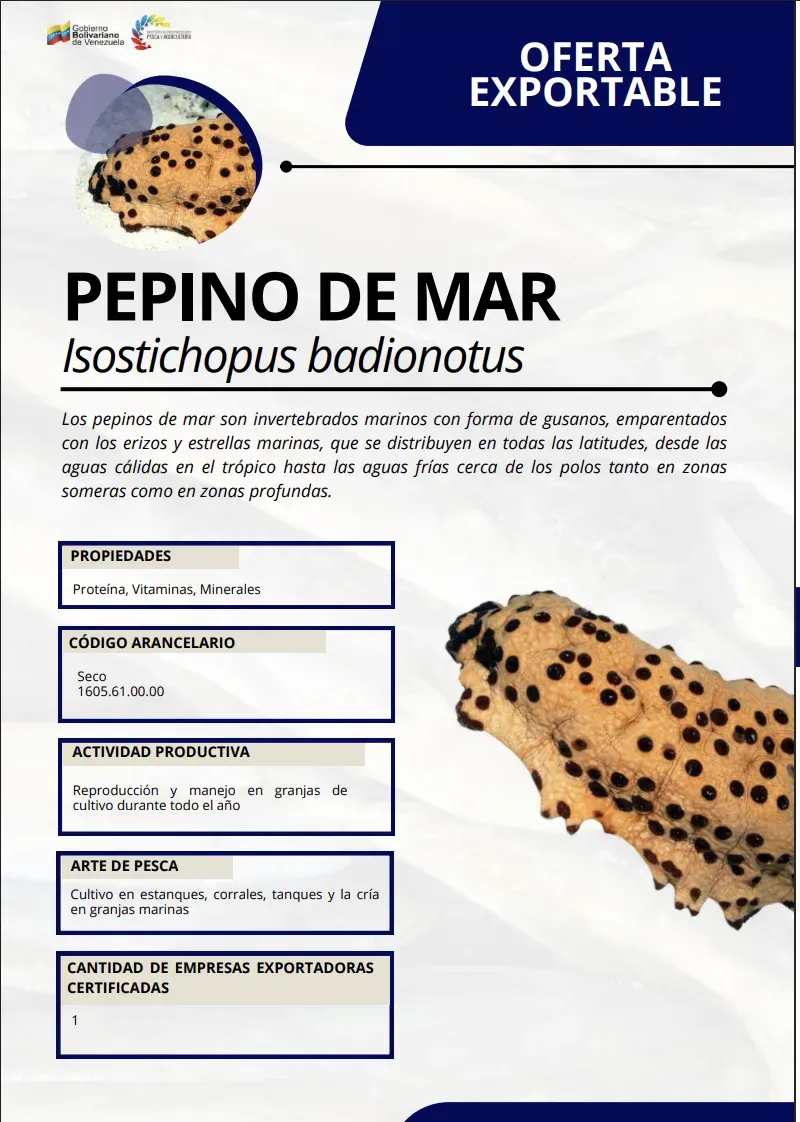
2. We verified if the catalog information related to each species matches the scientific (taxonomic) name and common name, and we compared the Harmonized System (HS code) to the customs codex in Venezuela. Also, we checked the destination countries and the names of companies in the buyer's countries for the fish from Venezuela.
3. We detected some inconsistencies that led us to discard some species for analysis due to the lack of other comparable official data. For example, shrimp, which has become one of Venezuela's main export items, only lists the tariff codes corresponding to certain parts of the body, such as the tail, in the exportable supply catalog.
Similarly, we found that sea cucumber (Holothuroidea), an invertebrate species whose capture is completely prohibited by Venezuelan law, is included in the exportable supply catalog with its respective tariff code, as if it were not subject to a ban.
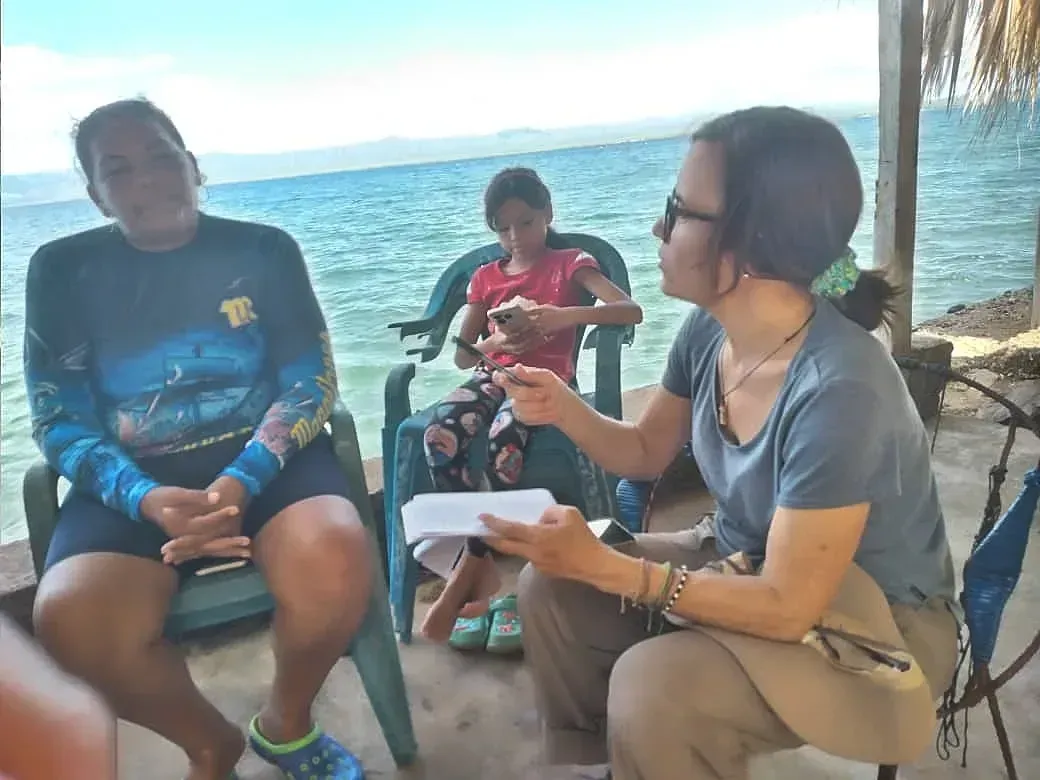
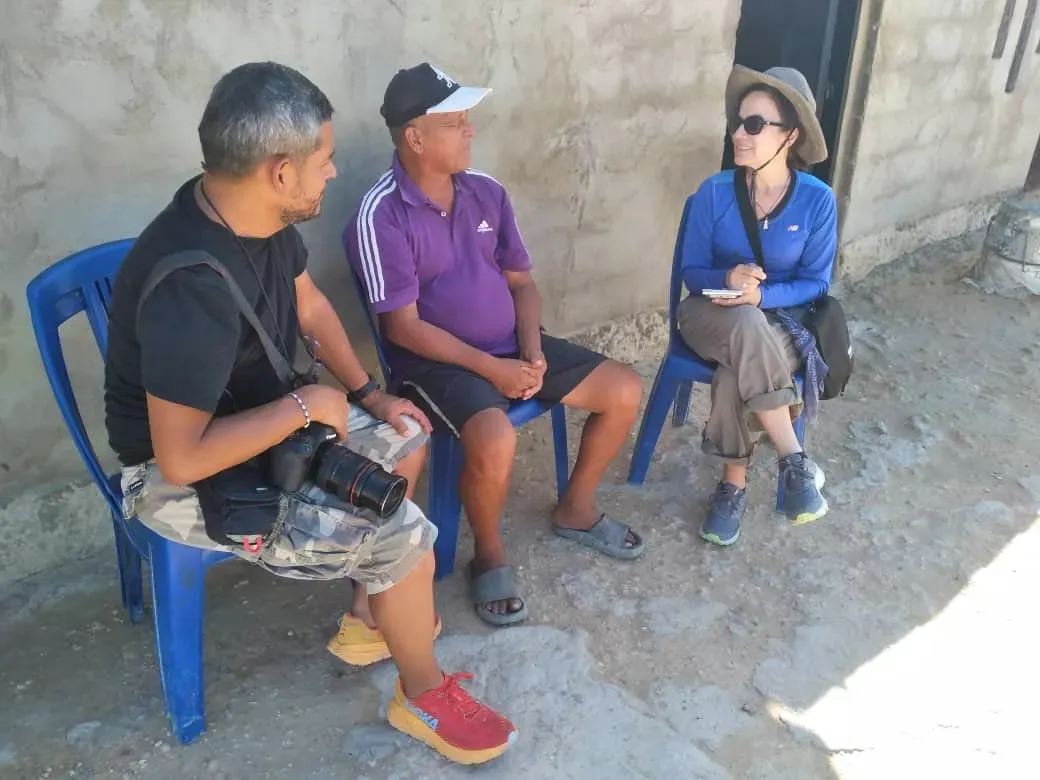
4. With the tariff codes for each species clearly in mind, we proceeded to review international trade databases—U.N. Comtrade, ImportGenius, Panjiva, and even 52wmb—to obtain the names of Venezuelan exporting companies or organizations, as well as importing companies or entities in different recipient countries.
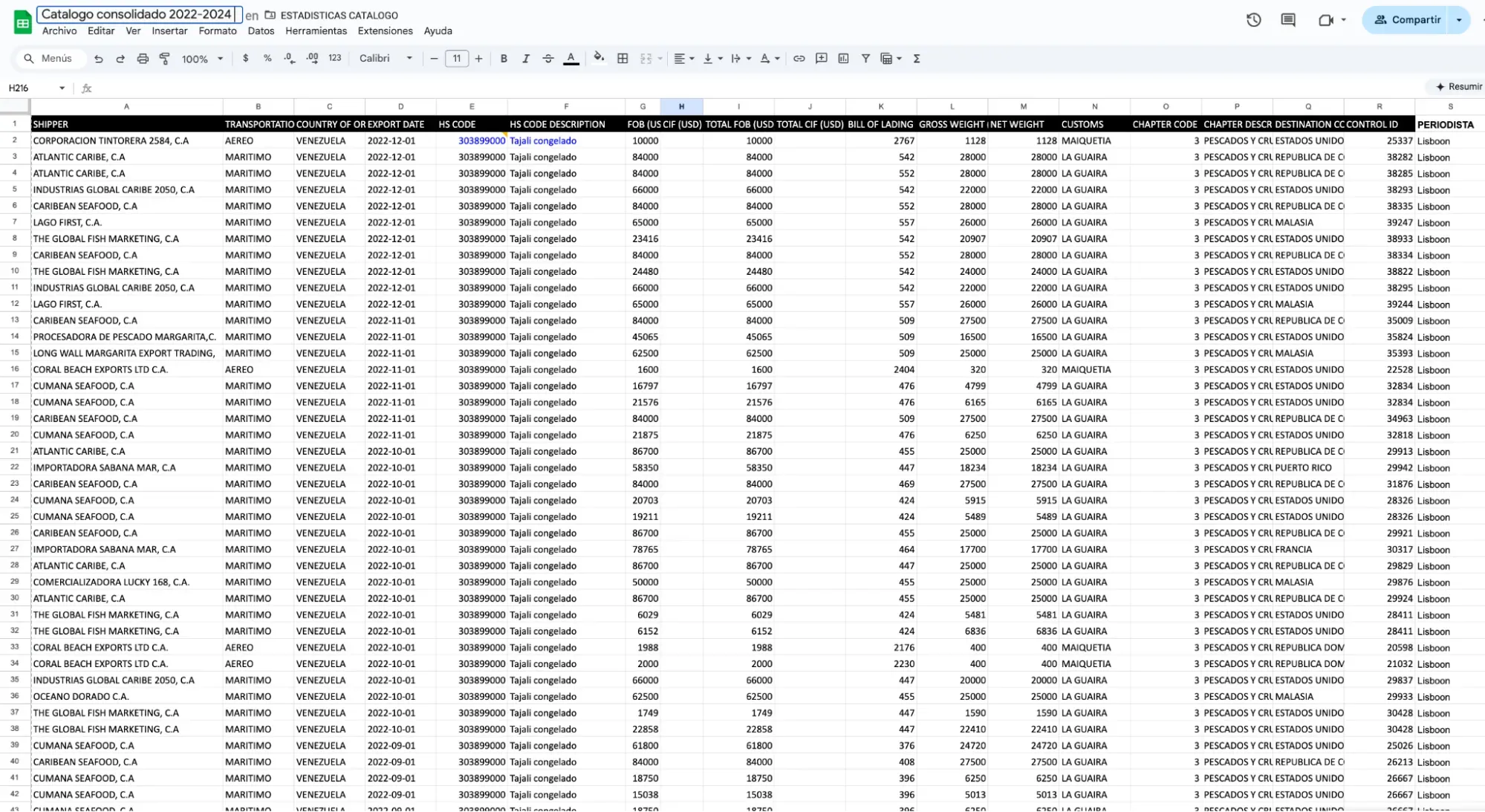
5. We determined which years of data we wanted to analyze. In our case, we were interested in the years that coincided with the administration of the current authorities related to the fishing and aquaculture sector, between 2020 and 2024.
6. We cleaned up the database: correcting typing errors, standardizing the names of exporting companies, and grouping species that shared the same tariff codes.
We also obtained the quantities or volumes in kilograms (which we then converted to tons) and the corresponding dollar values using Google Sheets filters and totaling the columns of these categories.
By hierarchical order, we organized a list of Venezuelan companies that export the most marine species and aquaculture products, such as red algae, distinguishing between volume in tons and dollar values. We also compared the quantity of merchandise moved by some importing companies in different destination countries.
Sorting and classifying reports on Venezuelan fishing and aquaculture exports allowed us to discover a huge irregularity: The Ministry of Food, along with a group of private companies and with the authorization of the Venezuelan government, were exporting sardines (Sardinella aurita) primarily to Cuba, the United States, and Brazil, among other destinations, despite Venezuelan laws expressly banning this as a measure of species conservation in a country facing a declared food crisis.
By identifying Venezuela's main fishing and aquaculture export companies and their import clients, we revealed that the main buyer of Venezuelan frozen fish, including the prized export species tajalí or tahali (Trichiurus lepturus), is not China or any other Asian country, but rather the United States. This finding contradicts the official discourse of Maduro's government, which promotes China as the first export destination and conceals the fact that the United States is the leading customer for some fish species. It is a very notable paradox given all the economic sanctions imposed by the United States on Venezuela and the alleged breakdown of political and commercial relations between the two countries.
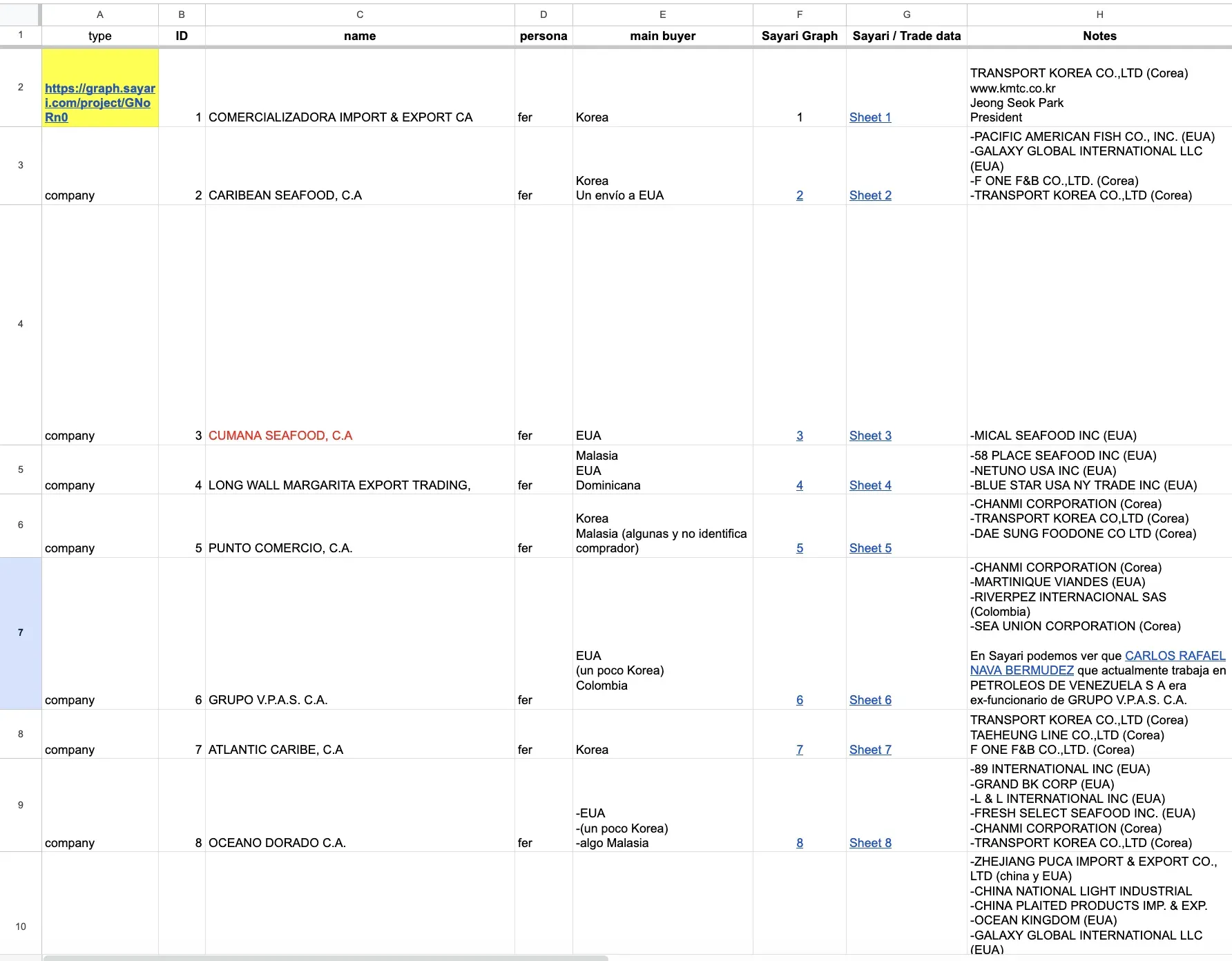
We also found that one of the private companies that exports the most fish to the United States has ties to Venezuelan government officials, which poses a conflict of interest.
Conclusion
In authoritarian contexts characterized by censorship and information opacity, there are always loopholes that allow access to data that those in power want to keep hidden. In the case of Venezuela's fishing and aquaculture trade, it is possible to obtain information from international foreign trade databases and utilize Open-Source Intelligence (OSINT) tools to create your own databases. Tools like Excel and Google Sheets allow you to systematize data and identify patterns.