Pulitzer Center Update August 28, 2025
From Hawaii to Ghana: How One Teacher Connected Plastic Pollution Across Continents

Lesson Plans
Plastics, Bioplastics, and Health
Students explore plastics' health impacts, discuss gaps in research, and assess the limitations of alternatives. They brainstorm and present community solutions to reduce plastic pollution locally.
Beatriz Ramos Jimenez teaches science to high school students in Pahala, Hawaii. Jimenez created the lesson plan “Plastics, Bioplastics, and Health” as part of the fall 2024 Pulitzer Center Teacher Fellowship program "Making Local Connections to Global Health Stories.” Click here to view her full lesson.
At the conclusion of the Fellowship, Ramos Jimenez shared the following reflections on her experience developing and teaching the lesson.
What is the focus of your lesson plan, and why did you write this lesson for your community?
The lesson "Plastics, Bioplastics, and Health" was designed to address a pressing issue directly impacting our students and their community in Kaʻū [Hawaii]: plastic pollution and its associated health and environmental consequences. In this two-day lesson, students explore the local and global health impacts of plastic chemicals, assess the limitations of bioplastics, and propose actionable solutions to reduce plastic waste in their community. By focusing on real-world applications and the specific challenges of Kaʻū, the lesson empowers students to connect global issues with local experiences.
The lesson integrates multiple standards, guiding students to analyze scientific and societal aspects of plastic pollution while developing critical thinking and collaborative problem-solving skills. Using Pulitzer Center articles, students understand how plastics disproportionately impact vulnerable populations, especially in the Global South, and the research gaps that hinder effective solutions. They also evaluate the role of waste pickers and explore sustainable strategies to address these challenges.
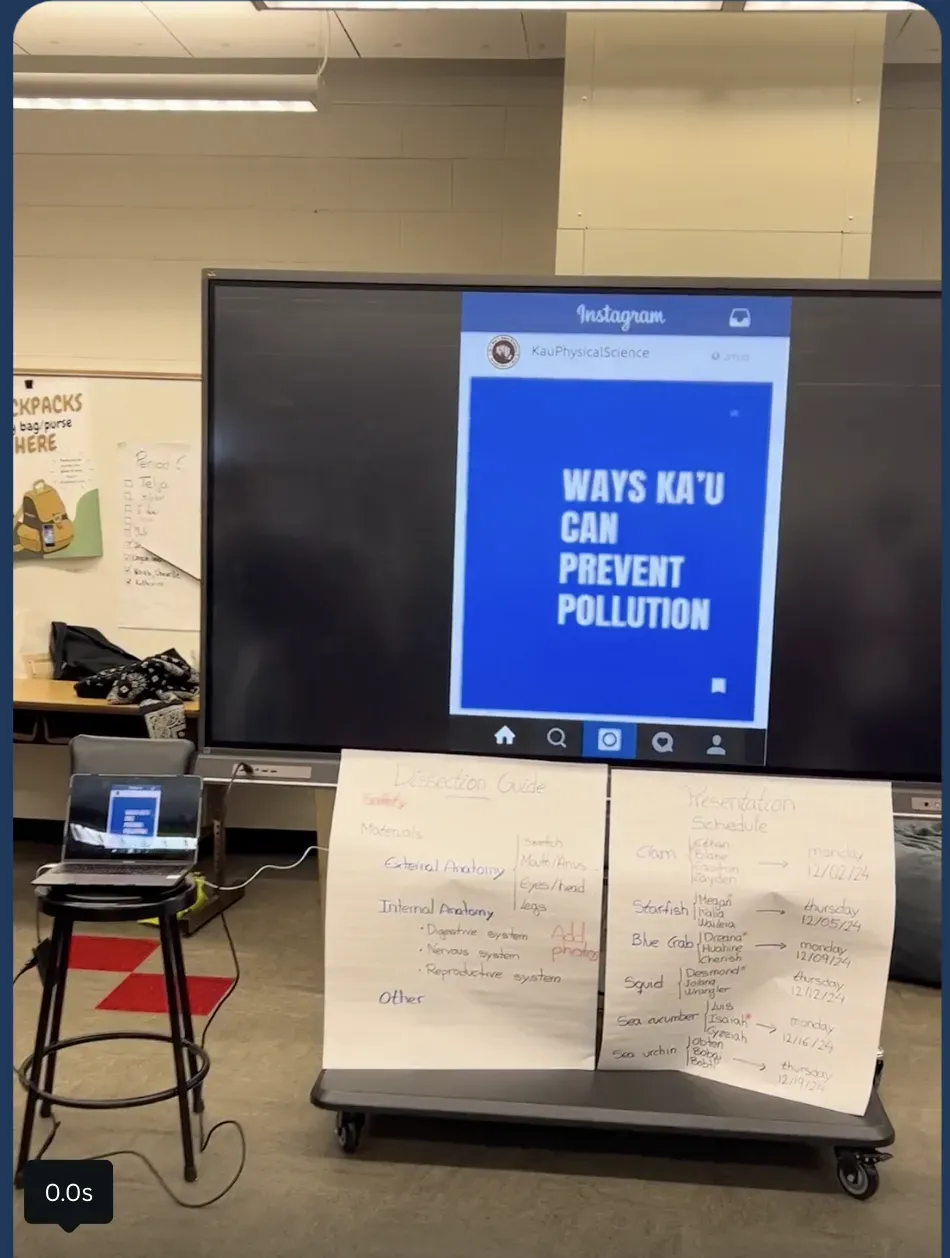
This lesson’s value lies in fostering student agency and connecting their learning to community action. By culminating in a social media carousel and schoolwide showcase, students can educate their peers and community about plastic pollution’s health and environmental impacts while proposing meaningful change. This approach emphasizes relevance, advocacy, and the importance of student voice in addressing global and local challenges.
How did you build this lesson with your community in mind?
Kaʻū High & Pahala Elementary School is a small, rural K-12 school located in Pahala, Hawaii, at the heart of the largest district in the state, spanning over 600,000 acres. With a rich history from 1881, our school serves 490 students from diverse cultural and linguistic backgrounds. Many of our students come from economically disadvantaged households—89% of families qualify as such, and all students receive free breakfast and lunch. Additionally, 19% of our students are English learners, representing a variety of languages and cultures.
Traditional practices like hunting and fishing are popular hobbies in our community, reflecting our students’ connection to the land and ocean. These interests influence how we approach teaching and learning, grounding our lessons in real-world applications and community relevance.
When designing my lessons, I strive to connect academic concepts to students’ lived experiences and cultural practices, ensuring they are accessible and engaging for all learners. I prioritize scaffolding for English learners and fostering collaboration to leverage our students’ diverse strengths. Understanding our unique school and community context helps highlight the importance of teaching in ways that honor and empower our students while addressing their diverse needs.
What did your students learn while engaging with this lesson?
While engaging with the lesson "Plastics, Bioplastics, and Health," students expanded their understanding of the health impacts of plastic pollution and the challenges of finding sustainable alternatives. They analyzed scientific articles, connected global issues to their local context in Kaʻū, and brainstormed actionable solutions for their community.
One striking moment came during the discussion of the Pulitzer Center article about waste pickers in Ghana. Many students were surprised to learn that waste pickers existed and were shocked by the risks they faced. One student commented, “I didn’t know people actually had to pick through trash to survive.” Another noted, “They don’t even have safety equipment, so no wonder they get sick.”
These realizations deepened their understanding of how plastic pollution disproportionately affects marginalized communities and highlighted the issue’s global nature.
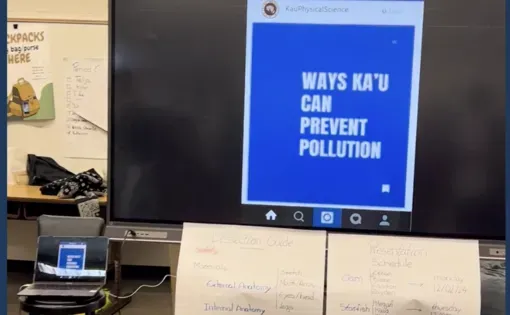
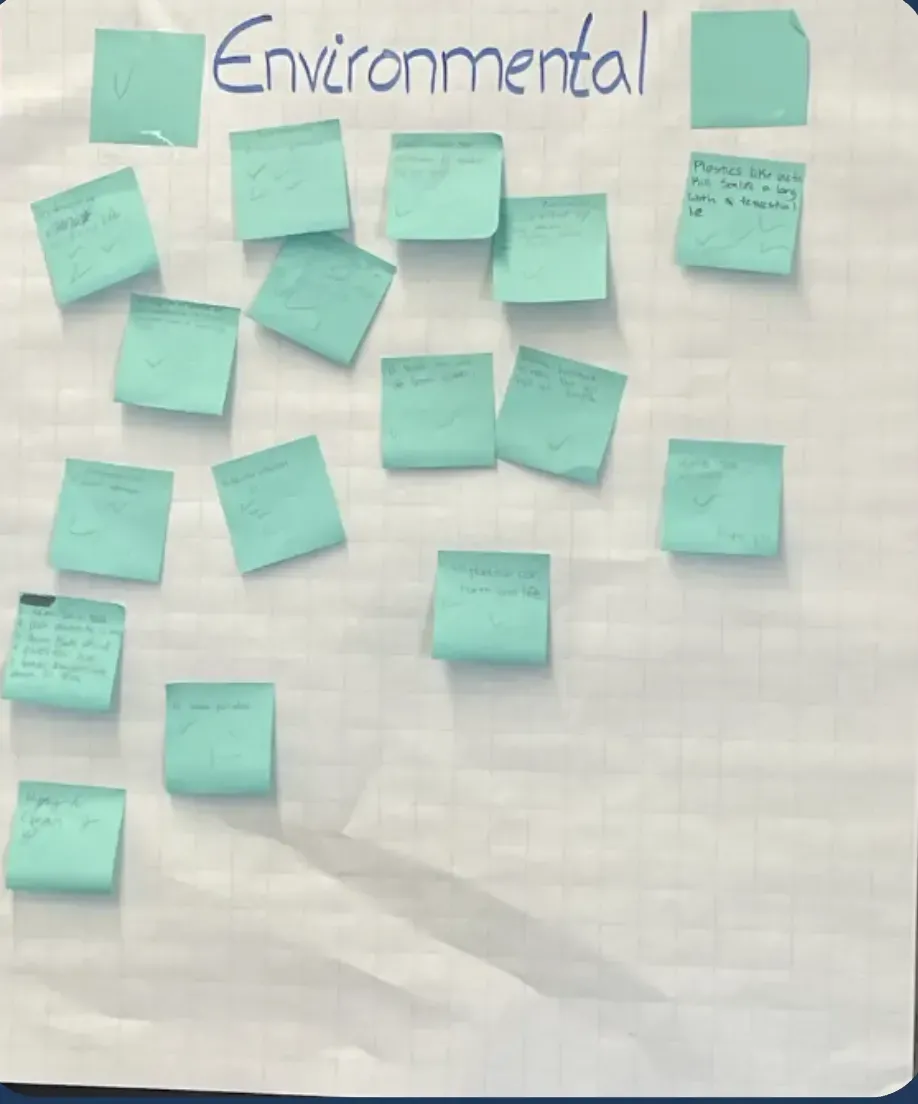
Students demonstrated their learning through gallery walks and the creation of social media carousels. One group focused on the lack of protective measures for waste pickers in Ghana and compared the struggles with managing plastic waste in Hawaii. They proposed community-led solutions like beach cleanups and workshops on making bioplastics from local materials.
This lesson helped students connect global and local issues, encouraged critical thinking, and empowered them to take action. By engaging with relevant content, students grew in their awareness of environmental and social justice challenges and their role in creating solutions.
What were your takeaways from this experience, and what advice do you have for other educators who may want to engage with your lesson?
Creating and teaching the lesson "Plastics, Bioplastics, and Health" was an enriching experience highlighting the value of connecting global challenges to students’ local context. Students became deeply engaged as they explored the impacts of plastic pollution in both their community and the wider world, empowering them to think critically about sustainable solutions they could implement in Kaʻū.
One key takeaway was the importance of having clear and accessible instructions and examples displayed throughout the lesson, which proved invaluable, especially for English learners and students who benefit from visual references. Keeping the instructions visible at all times allowed students to stay focused, independently clarify steps, and participate more confidently in activities like gallery walks and collaborative brainstorming.
Equally important was the value of scaffolding and differentiation. With reading levels ranging from second to 12th grade, adjusting articles and providing support through strategies such as reading aloud, using graphic organizers, and facilitating group discussions ensured all students could access the content.
This lesson underscored the importance of meeting students where they are and creating an inclusive, supportive space for learning.
For educators planning to use this lesson, I recommend emphasizing local examples of plastic pollution to make the content more relevant and relatable for students. Incorporating interactive strategies such as gallery walks, color-coded sticky notes, and small-group discussions fosters collaboration and creativity. Additionally, adapting reading materials to meet the diverse needs of your students ensures inclusivity and accessibility.
This lesson reinforced the value of providing students with tools and opportunities to connect their learning to real-world issues. By making the content relevant, collaborative, and clear, students were inspired to think critically and take ownership of their role in creating change.
As part of the fall 2024 Teacher Fellowship program “Making Local Connections to Global Health Stories,” 14 educators from nine states created and taught lessons to engage their over 1,500 students with global health news stories. Click here to learn more about the Fellows and their collective impact.