
If by 2050 the average temperatures rose by an additional 2 degrees, there would be a critical loss of the world's wine-growing regions of about 56%, according to the French National Institute of Agronomic Research studies in 2020. In the worst case, if an increase of 4-plus degrees were reached by 2100, the loss would reach tragic levels, i.e. 85%.
Wine, one of the most sensitive agricultural products, is not exempt from the effects of climate change, which requires entire societies to drastically change centuries-old traditions and practices.
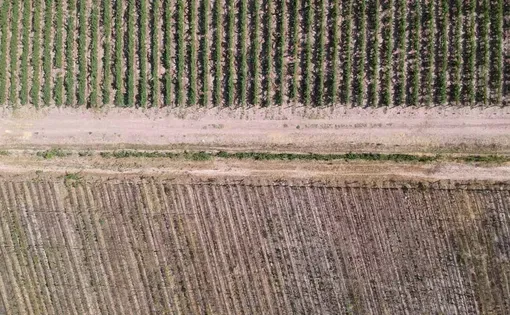
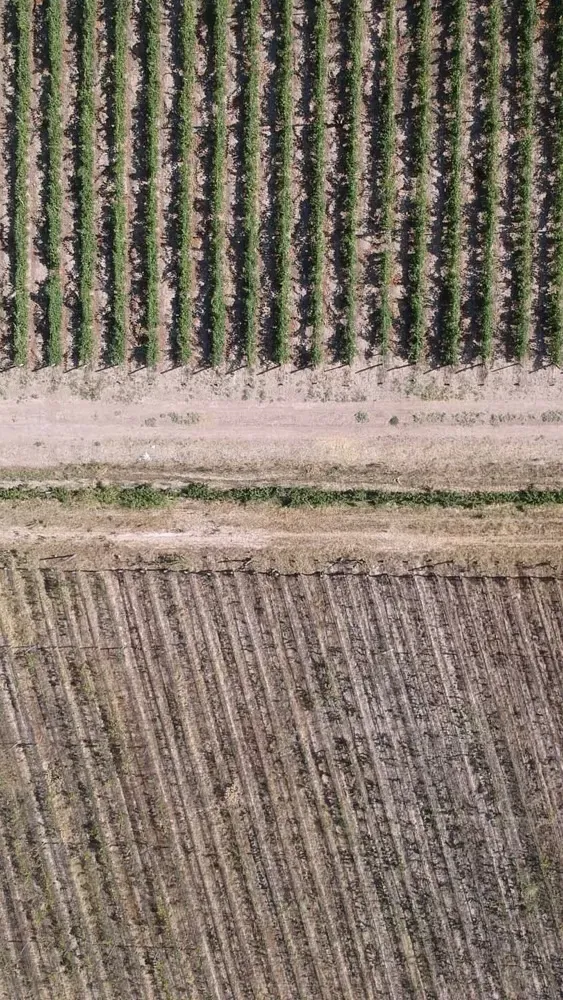
There are more than 1,800 wineries in Argentina. In the South American country—and in particular in the Mendoza area, one of the most famous places in the world for the production of high-quality wine—the most obvious indicators of this rapid change are the early harvests, the systematic change of species of grapes, and, on a larger scale, the migration of vineyards to higher altitudes and in areas where until recently it would have been unthinkable to practice viticulture.
The effects of climate change, causing drastic decreases in the areas used for wine production, could generate conflicts on the actual intended use of agricultural land, with huge repercussions on ecosystems and freshwater reserves. Many of these effects are already happening.
They include: the increase in surface water temperatures of lakes and streams around the world, especially those at high altitudes and latitudes; the increase in the hypolimnetic temperature of large deep lakes; the reduction of lake ice cover; and the melting of mountain glaciers and permafrost, causing changes in the runoff regimes of mountain streams and the release of solutes and pollutants into surface waters.
Climate change also affects the ways in which humans will carry out agricultural work in the future. On the one hand, production will drop significantly mainly due to the drought; on the other, working between the rows will become prohibitive, especially in the hottest time slots.
Exposed to high temperatures and increasingly intense direct solar radiation, the grape bunches undergo an alteration of their composition and scalding or sunburn phenomena. The increasingly higher sugar concentration leads to wines with higher alcohol content, while acidity decreases to the detriment of freshness.
In addition, the aromatic framework also changes and moves away from the one recognized and appreciated so far.