Browse and adapt hundreds of standards-aligned lesson plans for K–12 classrooms. Lessons encourage students to make local connections to global news stories, while strengthening skills such as critical thinking, media literacy, and communication. Click here to send feedback to our team.
-

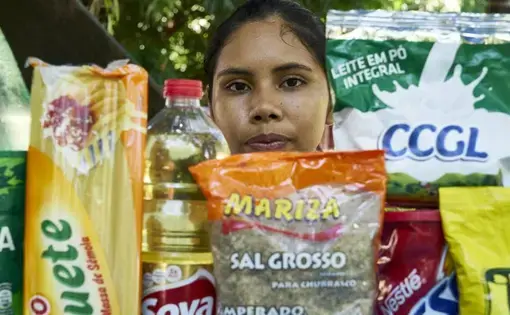
1. Warm-up reflection: where does your food come from, and what happens to the waste it creates? 2. Introducing the lesson: exploring the Amazon river and the Indigenous youth defending its...
-

1. Warm-up reflection: where does your food come from, and what happens to the waste it creates? 2. Introducing the lesson: exploring the Amazon river and the Indigenous youth defending its...
-
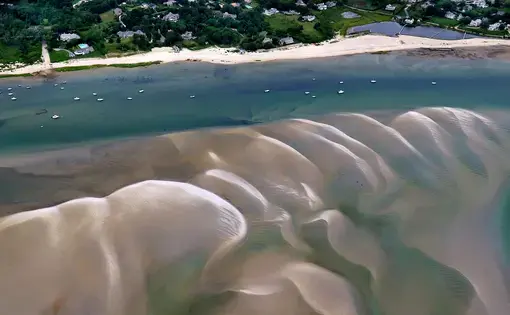
Students evaluate how climate change is impacting the land, people and wildlife on Cape Cod through close reading of the article "At the Edge of a Warming World" from The Boston Globe.
-
Climate change—an issue that affects us all, no matter where we are in the world. This guide will help begin a conversation about today's under-reported stories surrounding our global crisis.
-
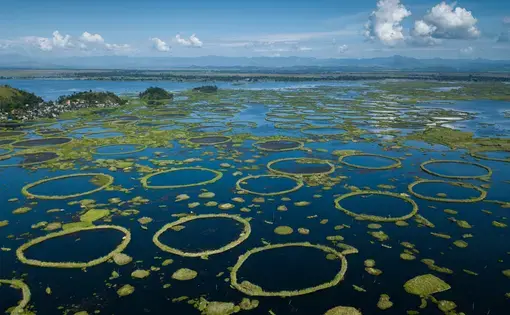
Students will evaluate how communities rely on their ecosystems for survival and climate change's impact on their ability to do so by examining the Meitei people's relationship to Loktak Lake.
-
Students evaluate two broadcast stories on the battle for land in the Brazilian Amazon in order to craft arguments about how they think land in the Amazon should be used.
-
This lesson offers multimedia resources that emphasize the relevance of treaties with Native nations in the U.S. today, and explore under-reported stories about Indigenous peoples around the world.
-
Students will consider the relationship between humans and the natural world through evaluating a podcast, exploring photography, discussion, and writing.
-
What should environmental reporting accomplish, and what creative approaches can journalists take to meeting their goal? Students reflect on these questions and plan a reporting project of their own.