Event
Bringing Social Justice Into Ocean Science Reporting at WCSJ
Country:
Event Date:
December 2, 2025 | 11:00 AM TO 12:00 PM SASTADDRESS:
13th World Conference of Science Journalists
CSIR International Convention Centre
Ruby Auditorium
Pretoria, 0001


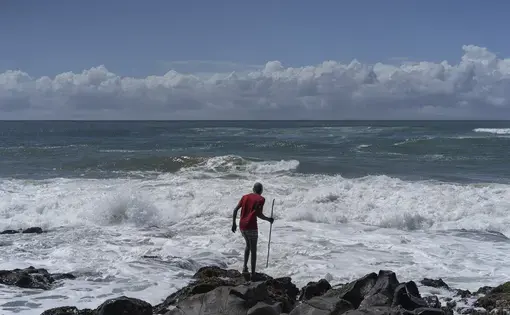
Scientists say the seismic surveys used to locate oil and gas are harmful to marine life.
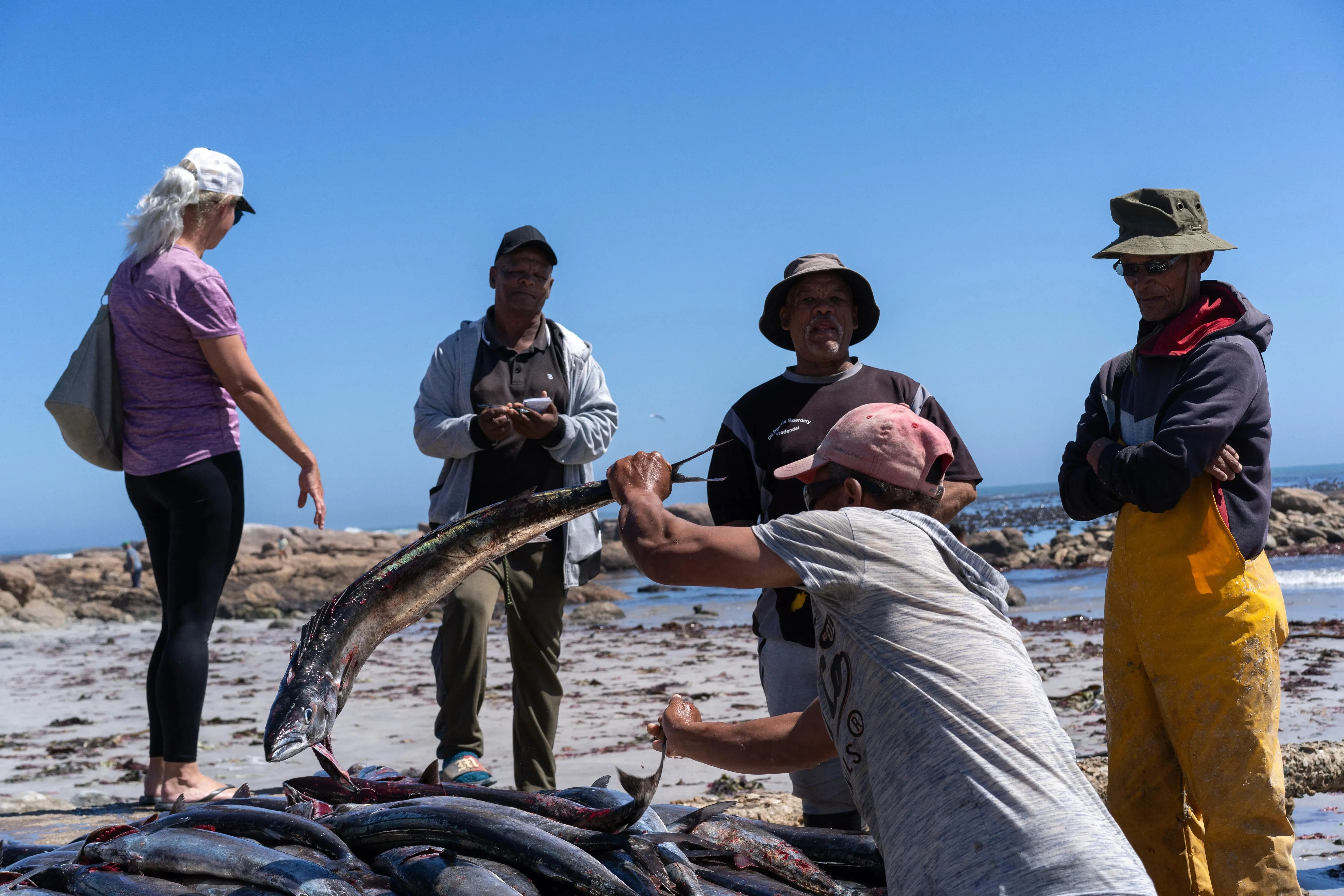
The ocean is facing grave threats from climate change, overfishing, pollution, and biodiversity loss. Emerging industries such as deep-sea mining and marine geoengineering are adding further pressure.
As well as ensuring that reporting on these topics is scientifically accurate, journalists must ensure that the voices of those most impacted are included. How can journalists access on-the-ground sources and bring in diverse perspectives of coastal communities in an equitable way? What are some of the topics and regions that are particularly important? For reporters, what is the potential for local partners to achieve greater equitable representation, and how can cross-border collaborations build capacity?
Join the Pulitzer Center at this year's 13th World Conference of Science Journalists (WCSJ) in Pretoria, South Africa, on December 2, 2025, for a panel made of journalists and editors who have faced these questions in their reporting and explore challenges and opportunities for bringing social justice into ocean science reporting.
Panelists:
Frankie Adkins, Pulitzer Center grantee
Carl Smith, Pulitzer Center grantee
Barry Christianson, Pulitzer Center grantee
Detty Saluling, Senior Program Manager of Pulitzer Center Rainforest Reporting
Project
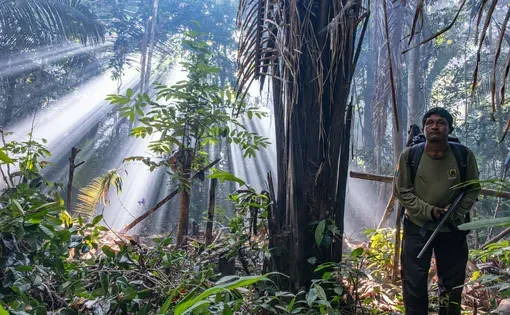
Uncontacted Peoples
The Amazon territories where they live, and people in the outside world who protect them


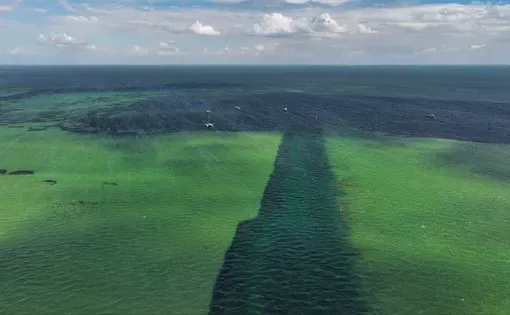
Western Australia's World Heritage-listed Shark Bay is home to the planet's largest reserve of...