Main Menu Navigation
Pulitzer Center Logo
View Primary Menu
Search
  • ABOUT
    Our Mission and Model Staff Board of Directors Impact Annual Reports Donors Ethics and Standards Diversity, Equity, and Inclusion Employment
  • UPDATES
  • EVENTS
    Upcoming Events Conferences
  • WEBINARS ON-DEMAND
  • COMMUNITY
  • IMPACT
DONATE
  • JOURNALISM
      • PULITZER CENTER JOURNALISM
      • STORIES
      • Stories by Pulitzer Center Grantees
      • Stories by Student Reporting Fellows
      • PROJECTS
      • FIELD NOTES
      • APPLY FOR JOURNALISM GRANTS
      • FOCUS AREAS
      • Climate and Environment
      • Global Health
      • Peace and Conflict
      • Human Rights
      • Information and Artificial Intelligence
      • INITIATIVES
      • AI Accountability Network
      • AI Spotlight Series
      • StoryReach U.S.
      • U.S. Local News Reporting
      • Ocean Reporting Network
      • Rainforest Investigations Network
      • Rainforest Reporting
      • Transparency and Governance
      • Our Work/Environment
      • NEWSLETTER ARCHIVE
  • EDUCATION
      • CAMPUS CONSORTIUM PROGRAM & PARTNERS
      • Campus Consortium Program
      • Campus Consortium News
      • Campus Consortium Partners
      • Reporting Fellowships
      • Reporting Fellow Bios
      • Stories by Reporting Fellows
      • Resources for Reporting Fellows
      • Campus Consortium Advisory Council
      • Join the Campus Consortium Network
      • INTERNATIONAL EDUCATION AND OUTREACH
      • K-12 PROGRAMS AND RESOURCES
      • Programs for Teachers and Students
      • Lesson Plans
      • Journalist Visits to Classrooms
      • The 1619 Project Education Portal
      • Student Contests
      • Professional Development for Educators
      • Journalism Skillbuilder Lesson Series
      • K-12 Education News
  • GRANTS & FELLOWSHIPS
      • GRANTS & FELLOWSHIPS
      • Tips for a Successful Grant Application
      • Pulitzer Center Crediting Requirements
      • OPPORTUNITIES FOR JOURNALISTS
      • Global Reporting Grants
      • AI Reporting Grants
      • Global Health Inequities, Risks and Solutions
      • Transparency & Governance Reporting Grants
      • U.S. Civil Society Microgrants 2026
      • Rainforest Reporting Grants
      • Conflict Reporting
      • Ocean and Fisheries Reporting Grants
      • Climate and Labor Reporting Grants
      • Africa Reporting Grants
      • U.S. Local Reporting Grants
      • Machine Learning Reporting Grants
      • OPPORTUNITIES FOR EDUCATORS & CIVIL SOCIETY ORGS
      • The 1619 Project Education Impact Grants
      • Pulitzer Center Teacher Fellowship
      • Impact Seed Funding
      • U.S. Civil Society Microgrants 2026
      • OPPORTUNITIES FOR CAMPUS CONSORTIUM MEMBERS
      • Campus Consortium Reporting Fellowships
      • Post-Grad Reporting Fellowships
  • IMPACT
  • RESOURCES
  • COMMUNITY
  • EVENTS
  • WEBINARS ON-DEMAND
  • ABOUT
    Our Mission and Model Staff Board of Directors Impact Annual Reports Donors Ethics and Standards Diversity, Equity, and Inclusion Employment
  • UPDATES
  • EVENTS
    Upcoming Events Conferences
  • WEBINARS ON-DEMAND
  • COMMUNITY
  • IMPACT
DONATE

Indonesia

Use the Pulitzer Center Lesson Builder to find and create lesson plans on this country.


  • ×
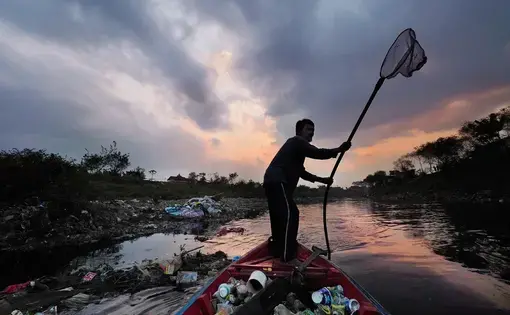
    Deni Riswandani pushes his canoe filled with scavenged trash toward his village on the banks of the Citarum River. Demi travels up to eight miles a day on the polluted river to collect plastic and other recyclables. Image by Larry C. Price. Indonesia, 2016.
    English
    PART OF: Deadly Pollution: The World's Most Toxic Places

    The Death of the Citarum River: Indonesia's Most Toxic Waterway

    author #1 image author #2 image
    Multiple Authors
    March 15, 2017
    Publication logo
  • ×
    King Salman bin Abdulaziz al Saud. Image courtesy of Blacklisted News.
    English
    PART OF: Salafism à la Southeast Asia

    Saudi Arabia Is Redefining Islam for the World's Largest Muslim Nation

    author image
    Krithika Varagur
    Grantee
    March 3, 2017
    Publication logo
  • ×
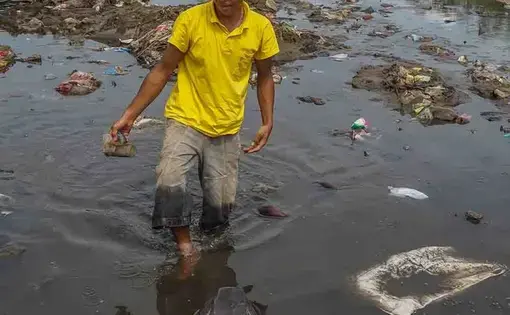
    A 2013 study found that for most measures of water quality, the Upper Citarum River was far outside mandatory limits. Today, the river remains contaminated with factory effluent, sewage, animal waste, and household garbage. Image by Larry C. Price. Indonesia, 2016.
    English
    PART OF: Deadly Pollution: The World's Most Toxic Places

    Undark Podcast: Wear and Tear

    author #1 image author #2 image
    Multiple Authors
    March 1, 2017
    Publication logo
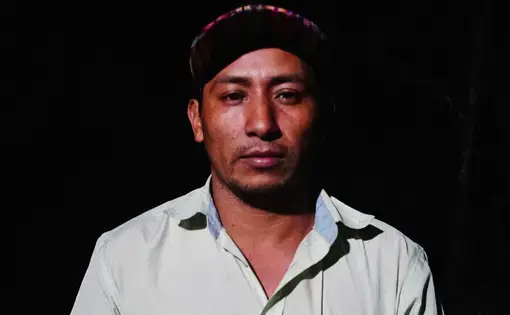
  • Activist Tomas Gomez Membreño says that “more and more of our natural resources are being handed out to foreign corporations.” Image by Jeremy Relph. Honduras, 2017.
    English

    Project

    Environmental Martyrs

    Murders of environmental and land rights campaigners are on the increase worldwide.
    author image
    Fred Pearce
    Grantee
    READ MORE ABOUT THIS PROJECT - Environmental Martyrs
  • Rapid growth in the Upper Citarum River basin has overwhelmed municipal sewage systems. Lacking garbage collection, residents throw household trash into the river or dump it in piles that soon wash into the waterway. Image by Larry C. Price. Indonesia, 2017.
    English

    Pulitzer Center Update

    The World's Most Toxic Places

    This week: unregulated textile factories across Asia, a Somali migrant profiled, Jon Sawyer and...

    author image
    Jon Sawyer
    Pulitzer Center Alum
    February 28, 2017
  • ×
    Dedi Rahman, 65, remembers swimming in the Citarum River when he was a boy. Today, the river is considered one of the world’s most polluted waterways, contaminated by factory effluent, sewage and trash. Rahman gathers cans and bottles to recycle for cash. Image by Larry C. Price. Indonesia, 2016.
    English
    PART OF: Deadly Pollution: The World's Most Toxic Places

    Worse for Wear: Indonesia’s Textile Boom

    author #1 image author #2 image
    Multiple Authors
    February 23, 2017
    Publication logo
  • English

    Lesson Plans

    Jewell: Interpreting Global Issues Through Picasso's "Guernica"

    This is a painting lesson that combines Pablo Picasso's famous 1937 Guernica with current day issues presented from The Pulitzer Center.

    Daniela Jewell
    Lesson Builder User
    READ MORE about Jewell: Interpreting Global Issues Through Picasso's "Guernica"
    September 26, 2016
  • English

    Lesson Plans

    Child Labor

    Explore reporting projects related to child labor.

    Jacky Tran
    Lesson Builder User
    READ MORE about Child Labor
    September 23, 2016
  • English

    Lesson Plans

    TPP's provisions on labor laws and human rights

    Discuss the potential ramifications of the Trans-Pacific Partnership agreement on labor rights.

    Ashraf Badr
    Lesson Builder User
    READ MORE about TPP's provisions on labor laws and human rights
    September 23, 2016
  • English

    Lesson Plans

    Funston: Interpreting Global Issues Through Picasso's "Guernica"

    This is a painting lesson that combines Pablo Picasso's famous 1937 "Guernica" with current day issues presented by the Pulitzer Center.

    Catherine Funston
    Lesson Builder User
    READ MORE about Funston: Interpreting Global Issues Through Picasso's "Guernica"
    June 17, 2016
  • ×
    English
    PART OF: Deadly Pollution: The World's Most Toxic Places

    Inside Recycling Smelters on Java

    author image
    Larry C. Price
    Grantee
    June 8, 2016
    Publication logo
  • ×
    English
    PART OF: Deadly Pollution: The World's Most Toxic Places

    Mercury Poisoning Among Indonesian Mining Communities

    author image
    Larry C. Price
    Grantee
    June 8, 2016
    Publication logo

Pagination

  • « First
  • ‹‹
  • 52
  • 53
  • 54
  • 55
  • 56
  • ››
  • Last »

Contact

2000 Pennsylvania Ave NW
Suite #7000
Washington, DC 20006
(202) 332-0982
[email protected]

Follow us on Facebook
Follow us on Twitter
  Follow us on Instagram
  Subscribe to us on YouTube

Media Requests

[email protected]

Privacy Policy


Sign up for our newsletter