Lesson Plan May 5, 2026
Insulin Access Gaps in Latin America
Country:
Grades:

This lesson was created by Angela Walker, a high school educator in Charlotte, North Carolina, as part of the fall 2025 Pulitzer Center Teacher Fellowship program. It is designed for facilitation across approximately three 90 minute class periods.
For more lessons created by Pulitzer Center Teacher Fellows in this cohort, click here.
In putting all of this together, I was particularly drawn to the idea of exploring the role of journalism in bringing awareness, justice, and accountability to underreported stories. The story of Henrietta Lacks was largely unknown to the North American public until Rebecca Skloot, a journalist, published the book about Lacks roughly sixteen years ago. Likewise, healthcare disparities in Latin America are greatly overlooked in the United States. By exposing students to the story of the insulin oligopoly in Mexico, Peru, and Colombia, I sought to increase student knowledge of diabetes as a chronic, potentially fatal disease, to highlight the ways that journalism facilitates justice, and to foster a more global worldview of how systems work both nationally and internationally to exploit marginalized people. Increasing students’ knowledge of diabetes and the insulin oligopoly would indirectly challenge some of the negative assumptions students’ internalized about their own communities.
Lesson Overview
Diabetes is a chronic illness that occurs when the pancreas fails to produce enough insulin, or when the body cannot effectively manage the insulin it produces to regulate blood sugar. This results in too much glucose in the blood. According to information published by the World Health Organization (WHO) in 2022, 830 million people around the world live with diabetes. Diabetes causes other problems, including blindness, kidney failure, heart attack, and stroke. Proper management is essential and can be accomplished through insulin injections and other medications. Unmanaged diabetes is a life-threatening reality for many. More than half of those with diabetes around the world do not take medication for it. Much of the reason for this is the lack of access to equitable and affordable insulin in many developing nations. This lesson focuses on the lack of access to affordable insulin in Latin America, particularly Peru, Mexico, and Colombia.
As a part of a unit featuring The Immortal Life of Henrietta Lacks, which is written by journalist Rebecca Skloot, this lesson introduces 11th grade English Language Arts students to global health disparities and invites students to analyze the systemic issues that bring them about. This lesson highlights health disparities in Latin America as they relate to diabetes treatment and the insulin oligopoly, which drives up the cost of insulin and restricts its access.
Essential Questions
- How does reporting make invisible health inequities visible to the world?
- What do systemic inequities in global healthcare access reveal about justice and human responsibility?
Performance Task
Written Reflection
Students will be read about the insulin oligopoly in Latin America and analyze how underreported stories can bring to light systemic inequities in healthcare to foster accountability and change. As a result of this analysis, students will complete a reflective writing assignment that will be accessed by a self-made rubric. The main goal is for students to conclude this lesson plan with a broadened perspective of what injustice is and how it operates in healthcare both locally and globally. I aim to foster increased empathy and a commitment to amplify the voices of those most affected by inequity and injustice.
Students will write a three-paragraph (6-8 sentences each) reflection responding to the following questions:
- Option 1
- What did you learn about the insulin oligopoly in Latin America?
- Who is most affected and why?
- What new and interesting stories did you encounter while researching this issue?
- Option 2
- How do power dynamics affect what stories get reported?
- What role does reporting play in bringing light to stories that are underreported?
- How do the reporter’s word choices, structure, and sources shape the way the story is received by the public?
- Option 3
- How does this story change your understanding of the relationship between reporting/journalism and justice?
- What challenges did you face when researching health care disparities? What did you learn from them?
- How will you apply this information to disparities in your own community?
Assessment
- Student learning is evaluated using the completed Underreported Stories Analysis Form.
- The culminating activity is a reflective writing assignment that will be accessed by a rubric I constructed for this task. This reflection is used as an opening statement for students participating in a student forum about global health inequities in December and January.
Notes on Context & Content Advisory
This lesson explores diabetes, insulin use, and the systemic issues that limit access to life-saving medication. These topics may intersect with students’ lived personal experiences with medical trauma, poverty, and loss of family and/or friends.
Established in 1938, West Charlotte High School is a historically and predominately Black comprehensive high school that is located in Charlotte, North Carolina’s historic West End, a predominately African American community that is known for its rich culture. According to statistics from the National Center for Educational Statistics (in 2023-24), ninety-eight percent of the student body is composed of students of color. This lesson is especially relevant to this school population because it challenges both local and global myths about health, poverty, assumptions of self care, insulin access, power, and justice. By researching global statistics, dispelling negative stereotypes about those with diabetes, and critically engaging underreported stories about the lack of insulin in Colombia, Peru, and Mexico, students are invited to move beyond harmful oversimplified narratives that have been internalized and recognize the similar barriers to access that limit marginalized people in communities outside of the United States, particularly in Latin American countries.
Three-day lesson plan, including warm-ups, texts, discussion questions, and worksheets for each day of instruction. Download below to read the complete lesson plan.
Lesson Resources
| Pulitzer Reporting | “The Insulin Oligopoly and the Diabetes Epidemic in Latin America” by Fabiola Torres, Alicia Tovar, Jason Martinez, Daniela Guazo Manzo, Sergio Silva Numa, Diego Quiceno Mesa, Pamela Huerta, and Daniel Mitma “Mexico: A Diabetes Patient Spends Between $35 and $109 on Insulin if It’s Unavailable Through Social Security” by Daniela Guazo Manzo “Colombia: An Insulin Shortage Alert Exposed the Problems of a Market Controlled by a Few” by Sergio Silva Numa and Diego Quiceno Mesa “How Much Does It Really Cost To Produce Insulin?” by Alicia Tovar, Fabiola Torres, and Pamela Huerta |
| Additional Resources | WHO Diabetes Fact Sheet WHO Global Diabetes Compact List of Low and middle income countries |
| Teacher-created Resources | KWHL Chart.pdf (.docx) Research Sheet.pdf (.docx) A. Walker USAF Form.pdf (.docx) Final Reflection Exercise.pdf Reflection Rubric.pdf |
North Carolina Standard Course of Study (English Language Arts)
- RI.11-12.1 Cite strong and thorough textual evidence to support analysis of what the text says explicitly as well as inferences drawn from the text, including determining where the text leaves matters uncertain.
- RI.11-12.2 Determine two or more central ideas of a text and analyze their development over the course of the text, including how they interact and build on one another to provide a complex analysis; provide an objective summary of the text.
- RI.11-12.7 Integrate and evaluate multiple sources of information presented in different media or formats, including visually and quantitatively, as well as in words in order to address a question or solve a problem.
- W3: Write narratives to develop real or imagined experiences or events using effective technique, well-chosen details, and well-structured event sequences.
- W6: Gather relevant information from multiple authoritative print and digital sources, using advanced searches effectively; assess the strengths and limitations of each source in terms of the task, purpose, and audience; integrate information into the text selectively to maintain the flow of ideas, avoiding plagiarism and overreliance on any one source and following a standard format for citation.
In this lesson, students learned how systemic structures impact community health outcomes by studying Pulitzer Center journalism covering access to insulin in Latin America.
To begin, students completed KWHL charts (know, want to know, how to learn more, learned) concerning research on diabetes.
Students then came together and shared their findings as a class.
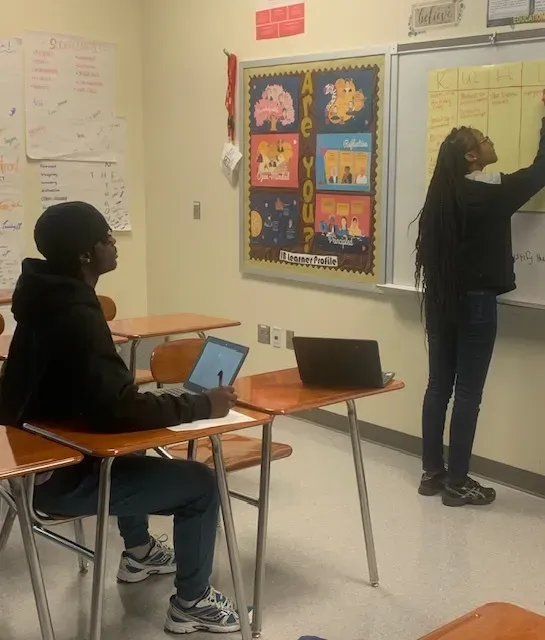
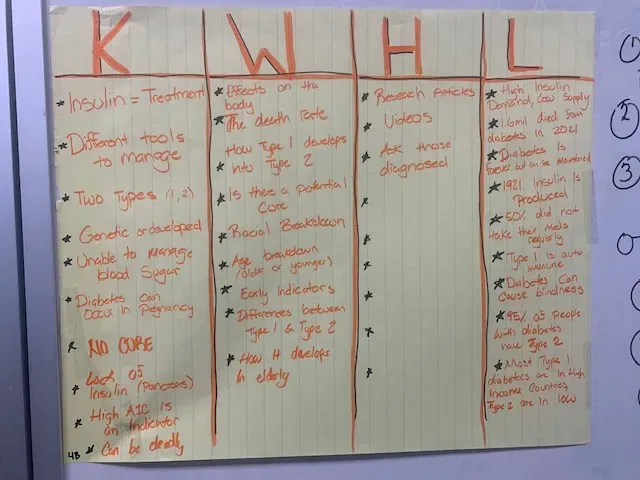
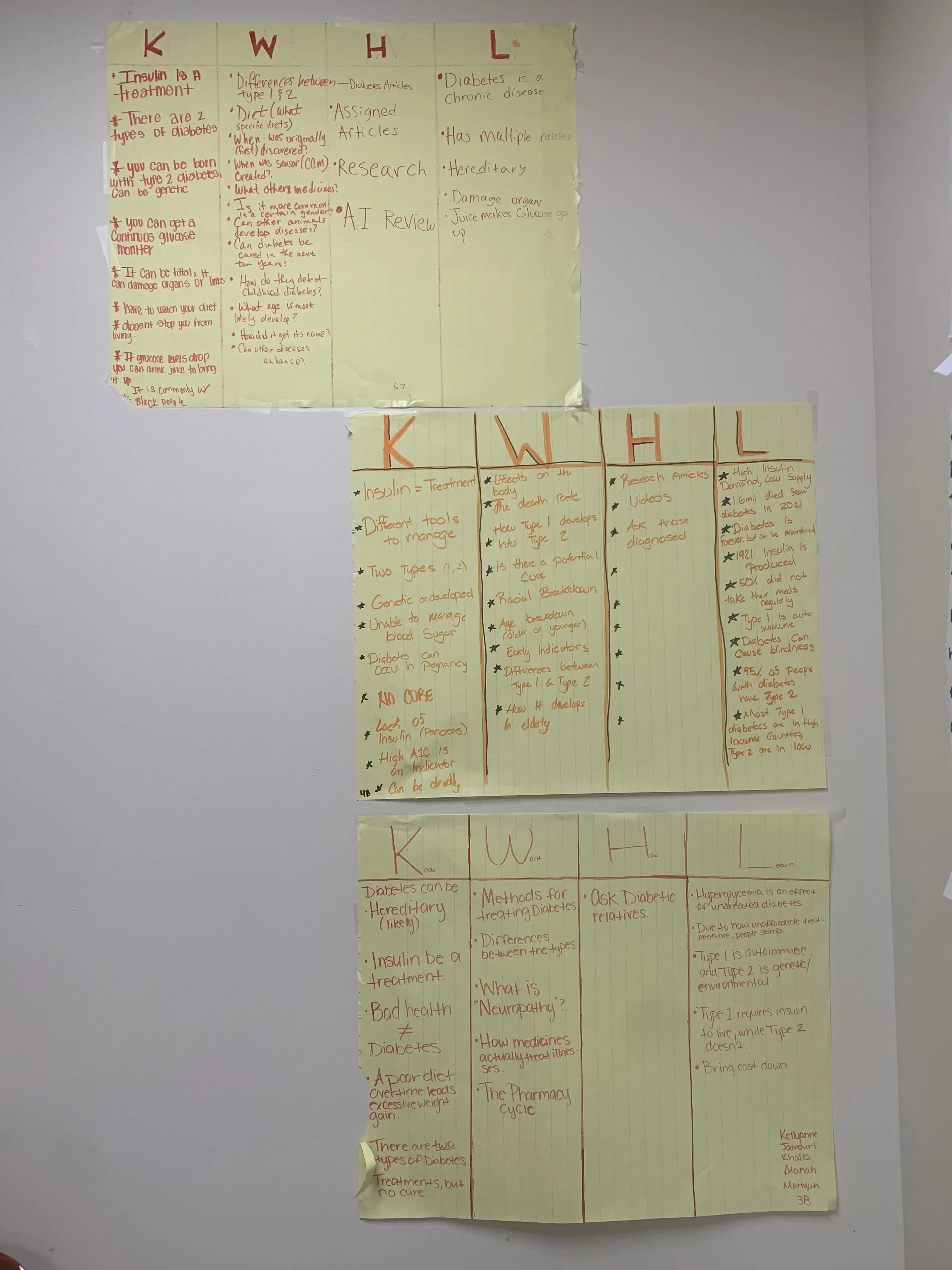
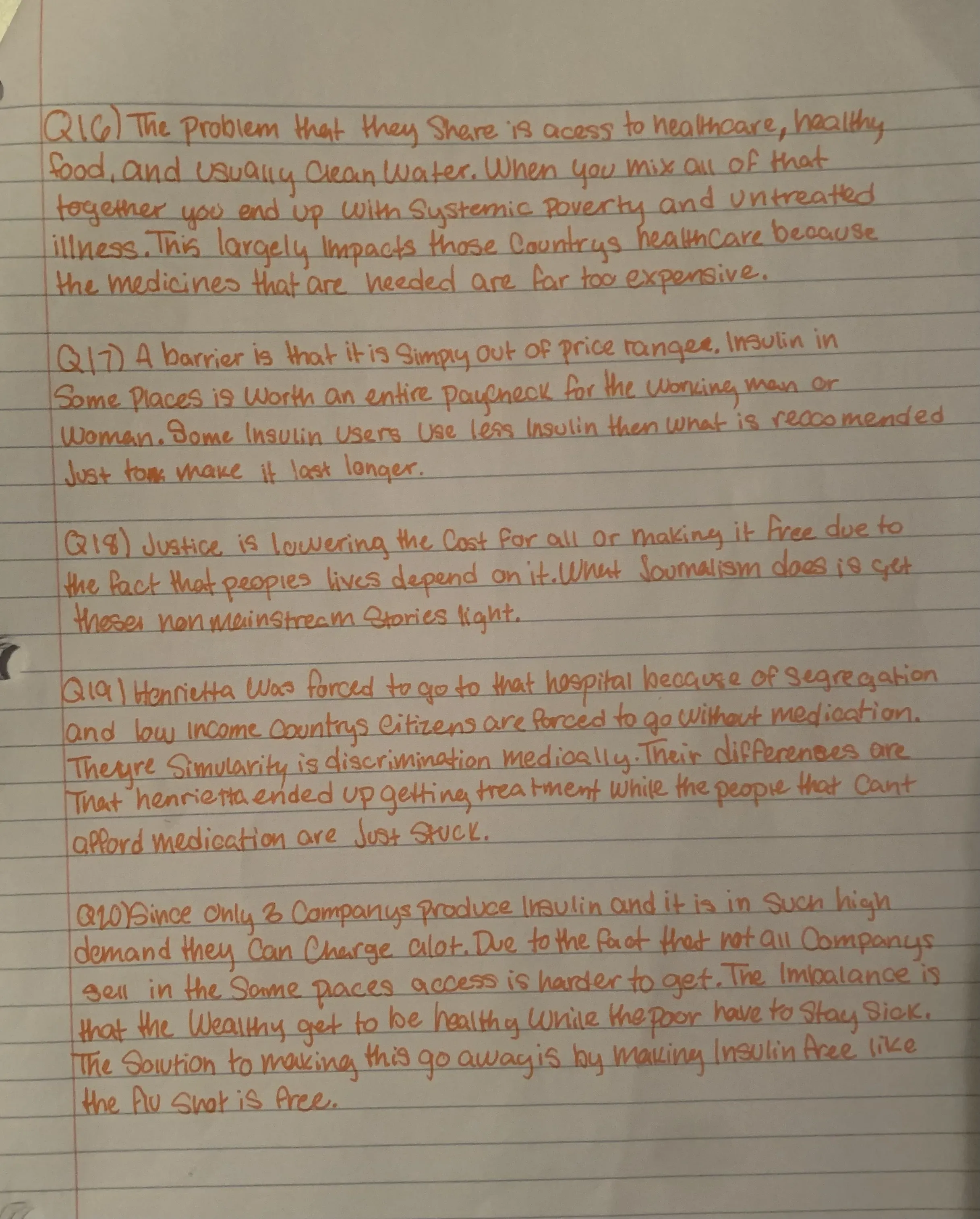
Later, students engaged with Pulitzer Center reporting on access to insulin and completed an "Underreported Stories Analysis" form to digest their learning.
Finally, students came up with their own questions to further examine the subject matter and wrote reflections about the issues they had studied.

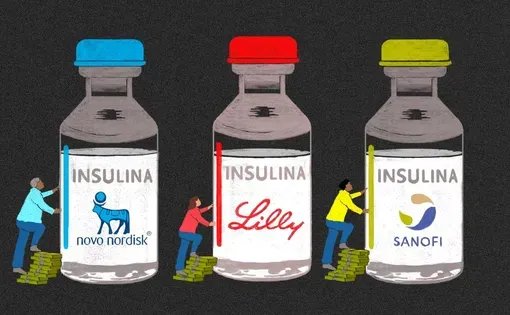
I learned that the insulin market is dominated by 3 pharmaceutical companies. This distribution of power makes it harder for other manufacturers due to high demand and prices, and limited competition. Diabetics, specifically low- and middle-income, patients are mostly affected by this because many of them rely on healthcare and often deal with financial hardships due to the need of constant access. A story that I was interested in was the initial patenting of insulin. I was intrigued behind the decisions of Frederick Banting that still led to results he was avoiding.
Alanah
Power dynamics affect what stories get reported because it influences the attention that certain groups of people receive. People in power will generally have more attention on them then regular citizens, and often times in society the low income or less fortunate receive little to no attention. Middle to low income people who are affected by societal inequality often don't have the means or the resources to be able to protect themselves from powerful entities who try to exploit them, and they also often don't have the ability to speak up for themselves. Journalism allows them to tell about their situation and express their grievances. The reporter's word choices, structure, and sources shape how it is perceived because these can influence the connotation of the story, the urgency, and force the reader to have empathy or feel bad for the victims.
Jelani
From the insulin oligopoly lesson, I learned that only a few big companies control insulin in Latin America, which makes it expensive and hard to get. The people most affected are low-income patients because they depend on public healthcare that don’t have enough insulin. Many people are forced to skip doses or search multiple places just to find insulin, which can seriously affect their health. One story that stood out to me was about patients who had to spend a large part of their income or rely on unsafe options just to survive. This lesson showed how unfair the system is and how something people need to live can be treated like a luxury instead of a right.
D'Anna
I learned that the insulin oligopoly in Latin America is a serious concern in modern day. Many are constantly affected by the price, the scarcity, and lack of access to insulin. Many Middle and low class families have struggled for years to gain consistent access to insurance. I’ve come to learn that only three major companies manufacture insulin even though it was found years and years ago. I’ve also come to learn that many people even with insurance have to pay out of pocket prices to get access to insulin. I encountered an interesting story on the upcoming lawsuits these companies are facing from patients with the problems pertaining insulin.
Nia
REPORTING FEATURED IN THIS LESSON PLAN
-

Latin American users often have to spend an entire minimum wage to obtain the medication.