Pulitzer Center Update July 7, 2026
Yanomami Youth Podcast Recounts Daily Life Near Illegal Gold Mining
Country:

Supported by the Pulitzer Center’s Impact Seed Fund (ISF), this project was developed with Indigenous youth in their language, sparking reflection on illegal gold mining in Amazon rainforest communities.
A rare inside look at illegal gold mining reveals how daily work unfolds, how mining camps are organized, and how initial expectations quickly give way to the reality of poor infrastructure and scarce resources for Indigenous people. Yanomami youth who once worked at these sites tell their stories in podcast format, in their language, to speak directly to their own communities.
The project was led by two researchers—anthropologist, professor, and Indigenous expert Hanna Limulja and Indigenous researcher Alfredo Himotono Yanomama—and carried out in the Maloca Paapiu region of the Yanomami Indigenous Territory in northern Brazil. Supported by the Impact Seed Fund (ISF), the initiative encouraged reflection on the impacts of illegal mining on Indigenous communities and the Amazon rainforest.
During project development, the news report “On Yanomami Land, Young Indigenous People Are Leaving Their Villages To Work in Illegal Mining,” by grantees Victor Raison and Jean-Mathieu Albertini, published by Mongabay, served as a key reference. Supported by the Pulitzer Center, the story documented how miners were attracting young people in 2022 with promises of wealth, drawing them away from their roles as forest guardians—a pattern similar to the experiences described by participants in the podcast.
The project reached 514 Indigenous residents of the Papiu village through oral history documentation and community dialogues. Since the podcasts were distributed via WhatsApp and produced in the Yanomami language, they potentially reached approximately 30,000 Indigenous people living in other villages across the territory.
The project generated insights that are yet to be developed, both for future activities with the Yanomami communities and for translation aimed at informing and engaging the broader non-Indigenous Brazilian society.
Tensions in the Yanomami Territory
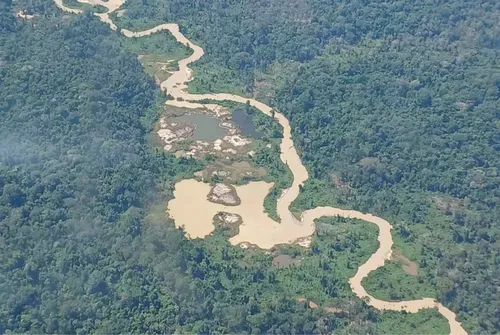
The Yanomami Indigenous Territory has faced predatory incursions by illegal gold miners since the 1980s. In addition to widespread deforestation, these invasions contributed to a severe humanitarian crisis. Rivers became contaminated with mercury, affecting water quality and reducing fish populations that serve as a key food source for Indigenous communities. Infectious diseases such as influenza and pneumonia increased, while child malnutrition worsened.
Official data show that approximately 570 children under the age of five died from preventable illnesses between 2019 and 2022. Since 2023, the federal government has implemented a plan to remove illegal miners from the territory, combat illegal mining activities, and provide assistance to local communities. Despite these efforts, pressures on the territory continue.
Limulja recalled that the project’s original idea was to document testimonies from elders in the Paapiu region who survived the first wave of illegal mining invasions in the 1980s. The focus later shifted to young Indigenous people who had worked in the mining camps after being drawn by promises of a new way of life and who returned to their communities after miners were expelled under the government’s removal plan.
“In recent years, younger generations have shown declining interest in ancestral traditions, especially since there was a lack of awareness of what the first gold rush was, which occurred in the 1980s and considerably impacted the population of the Paapiu region," said Limulja. "Our original idea was to collect testimonies from elders who could share stories from that period. However, we ultimately realized it was more meaningful to document the voices of young people who had worked in mining, allowing them to share their firsthand experience of how mining has affected their lives and to reflect on the choices facing the next generations of Yanomami people."
Stories for community return
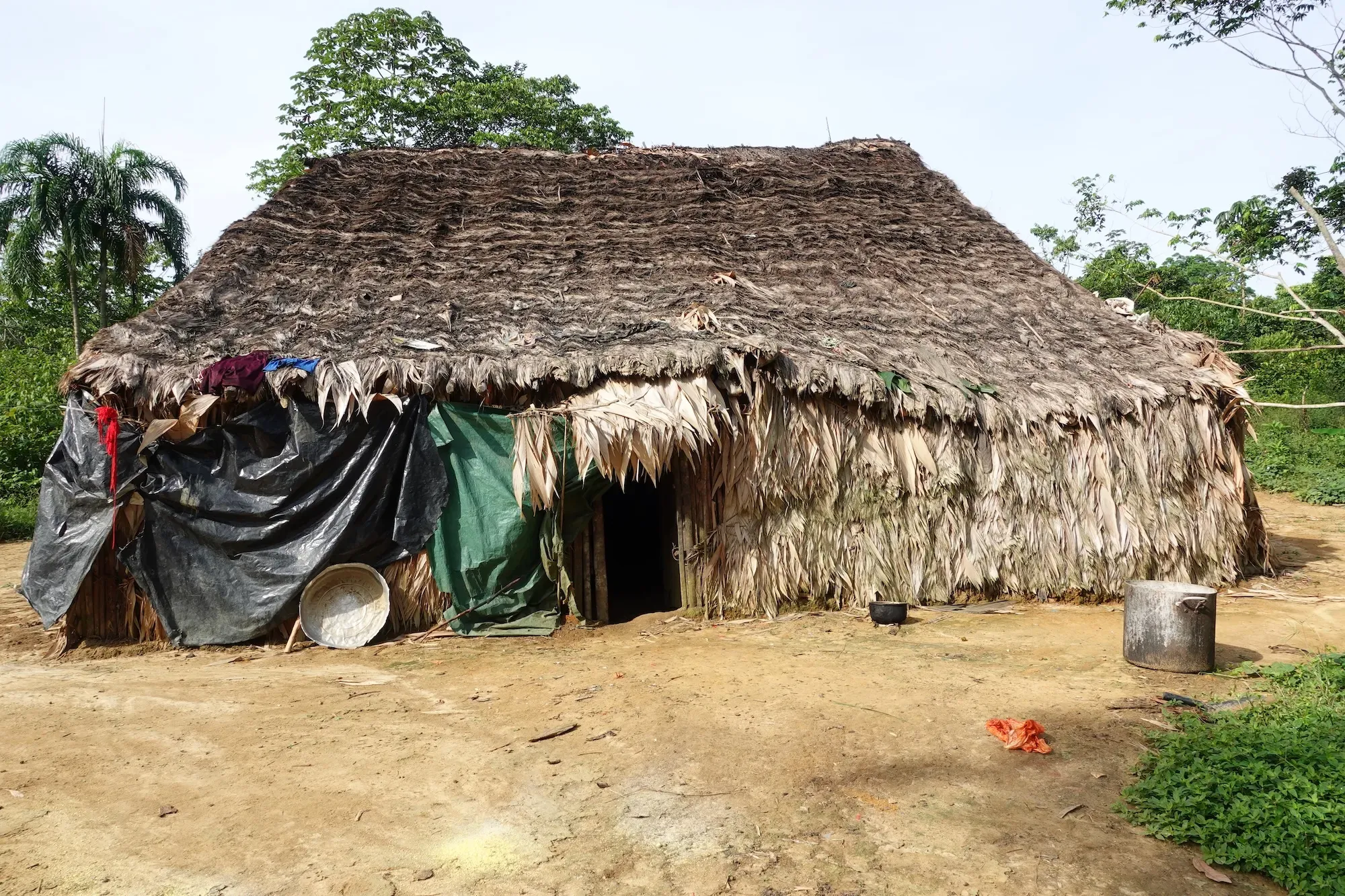
Using interview scripts prepared in Portuguese and the Yanomami language, the researchers conducted nine interviews with young people who had worked in illegal mining operations. They also recorded forest sounds, totaling about 200 minutes of audio. It was the first time these young people had spoken openly about their experiences, providing firsthand accounts of daily life in the camps and reflections after leaving the activity.
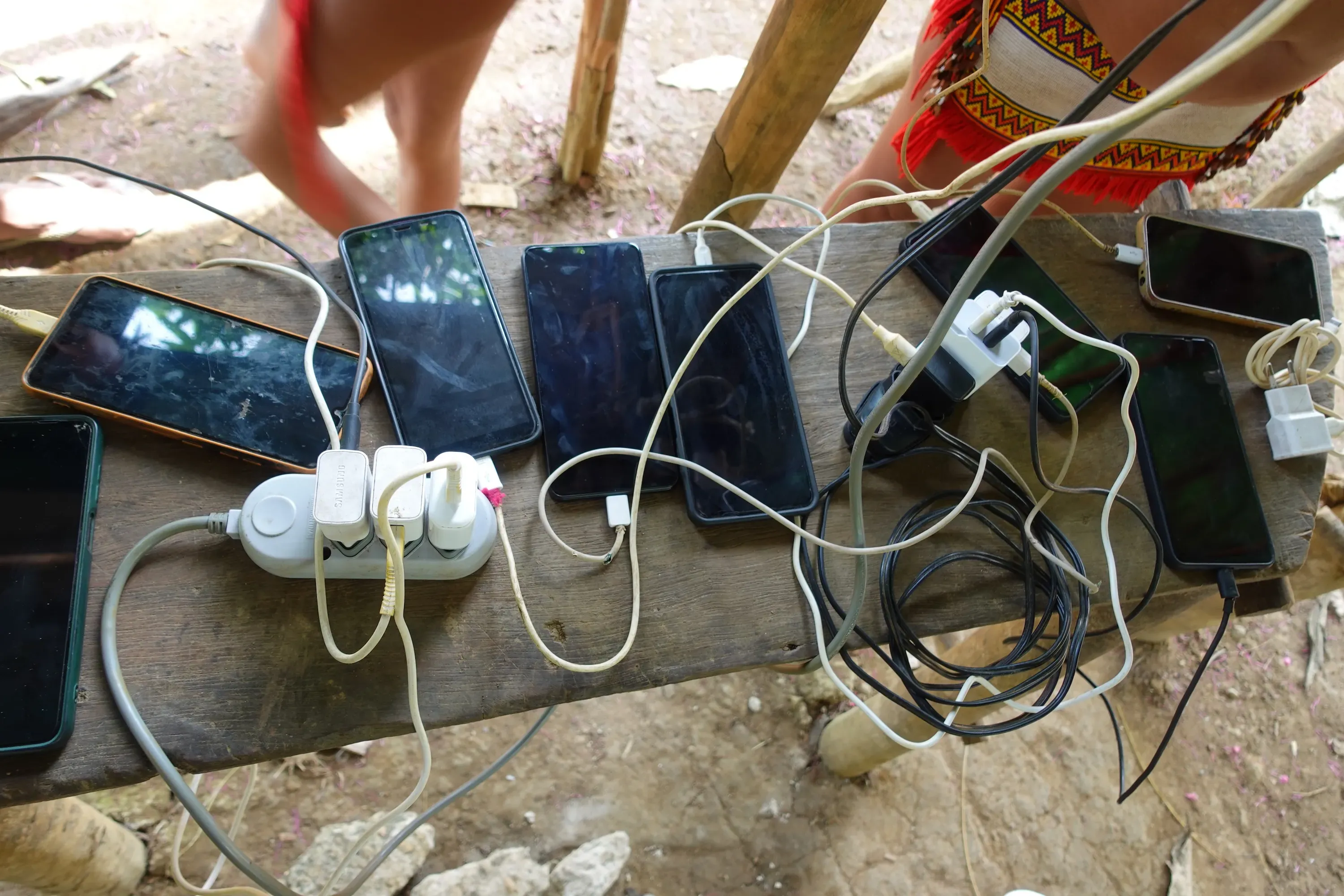
Initially drawn by the prospect of earning money to buy different foods or consumer goods such as cell phones and portable speakers, many received payment in grams of gold but ended up exchanging it at on-site stores for alcohol, clothing, and lower-value items. While working there, they said they were largely unaware of the environmental destruction and contamination caused by illegal mining.
Participants described tasks such as “clearing land,” removing rocks and roots—work that injured their hands and feet. They learned only a few Portuguese words, sometimes incorrectly, and gained access to a social space where alcohol was sold and sex work took place.
In one podcast episode, Yanomami Indigenous leader and shaman Davi Kopenawa provides an exclusive account tracing mining invasions dating back to the 1980s and describing its devastating impact on community life. A nationally and internationally recognized leader, Kopenawa also reflects on his long struggle for Indigenous rights and delivers a message encouraging Yanomami youth to remain aware of their history and stay committed to their ancestors’ legacy.
“The testimonies are remarkable. They present what mining means through the perspective of Indigenous youth who actually worked there," said Limulja. "It reflects how they perceive the non-Indigenous world. Instead of being treated as a target audience, they became the central voices of the project. Through their experience and narrative, we gain a different understanding of illegal mining."
Part of the collected material was used by Himotono Yanomama, the second Yanomami person to graduate from UFRR, in his undergraduate final work in Intercultural Education with a focus on Communication and Arts.
The podcasts were shared with Indigenous communities through WhatsApp audio messages, simulating traditional Yanomami conversation circles. WhatsApp is currently the most widely used communication tool in Yanomami communities that have internet access. The approach combined new technologies with ancestral traditions as a way to disseminate and strengthen knowledge.
"I shared the results with the pata thëpë [community leaders], and they were satisfied. The entire community becomes involved and wants to know the outcomes. Other teachers are interested in using the material. Support from the Pulitzer Center was essential throughout this process,” said Himotono Yanomama, who helped build trust with the young participants and encouraged them to share their stories.
The project received support from the Impact Seed Fund (ISF), an initiative of Pulitzer Center’s Education program in Latin America, which provides microgrants for innovative educational projects aimed at broadening perspectives and debates on issues such as socio-environmental justice, oceans, tropical forests, and climate change.
Taking narratives further and beyond
According to Himotono Yanomama, the next step is to translate both the podcast episodes and the undergraduate final work from the Yanomama language into Portuguese, with the participation of the interviewed youth, also creating an opportunity for them to strengthen their Portuguese skills. He plans to produce an educational booklet on the impacts of illegal mining for students at a school currently being built in Maloca Paapiu.
The podcast production included technical training workshops on editing and equipment use, enabling Himotono Yanomama to transform interviews and forest sounds into a finished audio product. Final editing was supported by documentary filmmaker Tomás Tancredi, who has worked with Indigenous communities facing land dispossession and illegal mining.
The project coordinated by Limulja and Himotono Yanomama received institutional support from UFRR and logistical assistance from the Yanomami and Ye’kwana Special Indigenous Health District, which made access to the territory possible after miners had been expelled under the Yanomami Indigenous Territory Humanitarian Crisis Response and Miner Removal Plan.
“It was a process of research, reflection, and dialogue with young people that will continue to bear fruit. Alfredo’s work became extraordinarily rich,” Limulja adds.
Limulja began working with the Yanomami in 2008 and is the author of two books: The Desire of Others: An Ethnography of Yanomami Dreams and Mari hi: The Tree of Dreams (read more only in Portuguese here).