Pulitzer Center Update July 17, 2026
World Cup Raises Tough Questions


Resource Collection
1619 Global Connections Resource Collection
This collection pulls together resources from the '1619' Global Connections Series that connect America's origin stories to contemporary global issues.
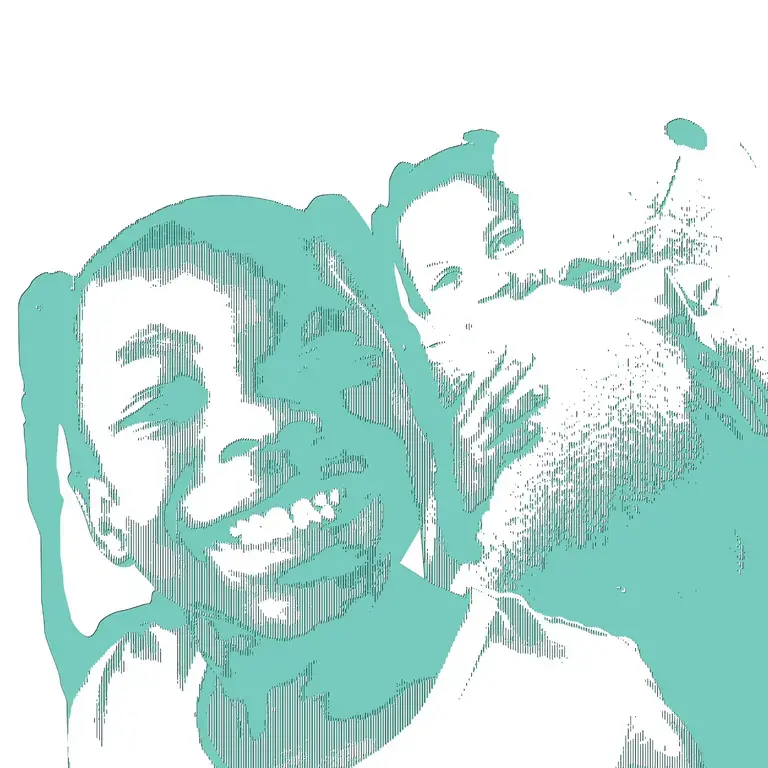
It’s not about Messi or Mbappé. It’s about looking inward.
I was about 5 months old the first time my dad took me to a stadium for an amateur local football game. I was 10 months old the first time we walked into The Cave—"La Cueva" in Spanish—to cheer for our beloved Deportivo Saprissa, the most decorated team in Costa Rica. I was too young to form memories both times, so you’ll have to trust me on that … or, well, my dad.
By sixth grade, football had made me a social studies buff: I knew why Serbian and Croatian ultras couldn't share the same bleachers at qualifier matches, and how Zinedine Zidane—a French player of Algerian descent—embodied the way European colonial legacies shaped national teams.
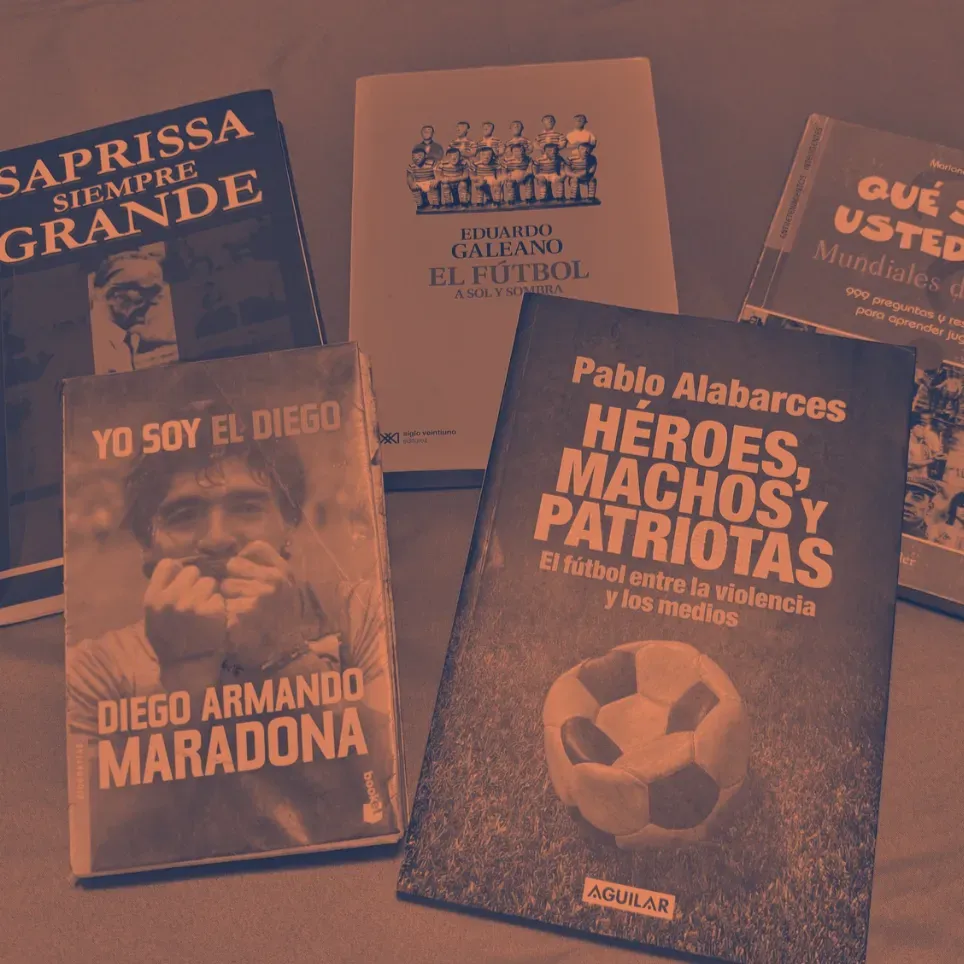
I spent hours watching matches from around the world and reading about the countries behind them. I'd even finished Diego Armando Maradona's autobiography, before my parents banned it due to a barely censored photo of a very naked Maradona they hadn't spotted before.
This sport, “the beautiful game,” is also an endless window into other realities and conversations far beyond the pitch. At the 2026 FIFA World Cup, two of them have come sharply into focus: racism and the consequences of a sport seemingly ruled by algorithms and betting. Both deserve nuance and editorial rigor, so here are a few Pulitzer Center resources to sit with.
Incident-based protocols wither against systemic issues
In 2024, FIFA introduced a new anti-racism protocol. Its on-field application, centered on the "No Racism" crossed-arms gesture, has been adopted at the highest level of the sport, yet it has changed little about the game itself. Why do these protocols so often fall short? Because they treat racism as an incident when it is a systemic issue—something a society builds, then reshapes or even hides through language, systems, and historical reinforcement.
Two Pulitzer Center-supported resources make that social construct visible. The 1619 Global Connections Resource Collection links the histories of colonialism, slavery, and racism to today's global issues, starting with language and how the categories we inherit teach us to see race at all.
The Enslavers Project, an investigation by Brazil's Agência Pública, follows those categories into the present, tracing how half of Brazil's presidents, nearly half of its sitting governors, and a fifth of its senators descend from families who owned or profited from enslaved people since the end of the dictatorship in 1985. "Brazilian memory is a white memory," writes author Laurentino Gomes. This project asks an even harder question: How was racism built, and who taught us not to see it?
Questions the VAR will not answer
Football has reached an unprecedented level of technical deployment: the video assistant referee (VAR), motion sensors inside the ball, wearables logging hundreds of data points per player, and more. But precision isn't judgment, and every disputed VAR call is a reminder of how uneasily the two coexist. Sociologist Diego Murzi names the quiet trade underneath it: the replacement of values and emotions with calculation and measurement.
Once a system measures everything, someone finds a way to monetize it. Betting platforms now sit at the center of sports and entertainment—turning everything into a wager, including hate speech and online abuse that fuel the engagement they profit from and hook new bettors. Pulitzer Center grantee Adetokunbo Abiola traces the toll in Nigeria, where an estimated 60 million people now gamble, especially young men, some of whom have taken their own lives after catastrophic financial losses.
And what happens when human oversight is sidelined by the promise of unwavering precision? In football, a missed offside costs a goal. But outside the game, a missed citizen can cost a livelihood. In Peru, Salud con Lupa found that a government algorithm built to target anti-poverty aid wrongly excluded more than 81,000 older adults, cutting them from support they qualified for. Many were reinstated only after long, burdensome appeals.
After the final whistle
On Sunday, July 19, 2026, Spain will face reigning champions Argentina, a final match millions of us are thrilled to watch, and is expected to be a masterful display of the sophistication, elegance, and strategy this game has to offer.
But beyond the hype, a sly dribble, and the ethos of identity and grit (or "aguante" in Spanish), there are important questions worth exploring after this World Cup: How do we instill genuine oversight into the AI that is reframing our lives? How do we build a path to accountability, reparation, and prosperity for communities shaped by colonial legacies? And how do we protect young people from a betting industry that has turned them into a market?
Whether or not you grew up around the chants and the pre-game rituals, this World Cup holds one stubborn truth: Sports give us permission to care deeply about something, and the rare privilege of pursuing joy and connection outside of an algorithm.
Some of the most impactful moments in journalism begin right at that intersection, so perhaps there’s value in sticking around for these conversations, too.
Best,

Gaby Brenes
Audience Engagement Manager
This message appeared in the July 17, 2026, edition of the Pulitzer Center's weekly newsletter. Subscribe today.