Pulitzer Center Update September 16, 2026
Water Sanitation Stories You May Have Missed
Country:

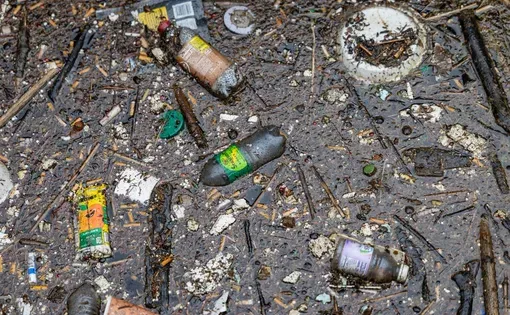
Petrochemical conglomerates are moving to dramatically increase the amount of plastics produced in...

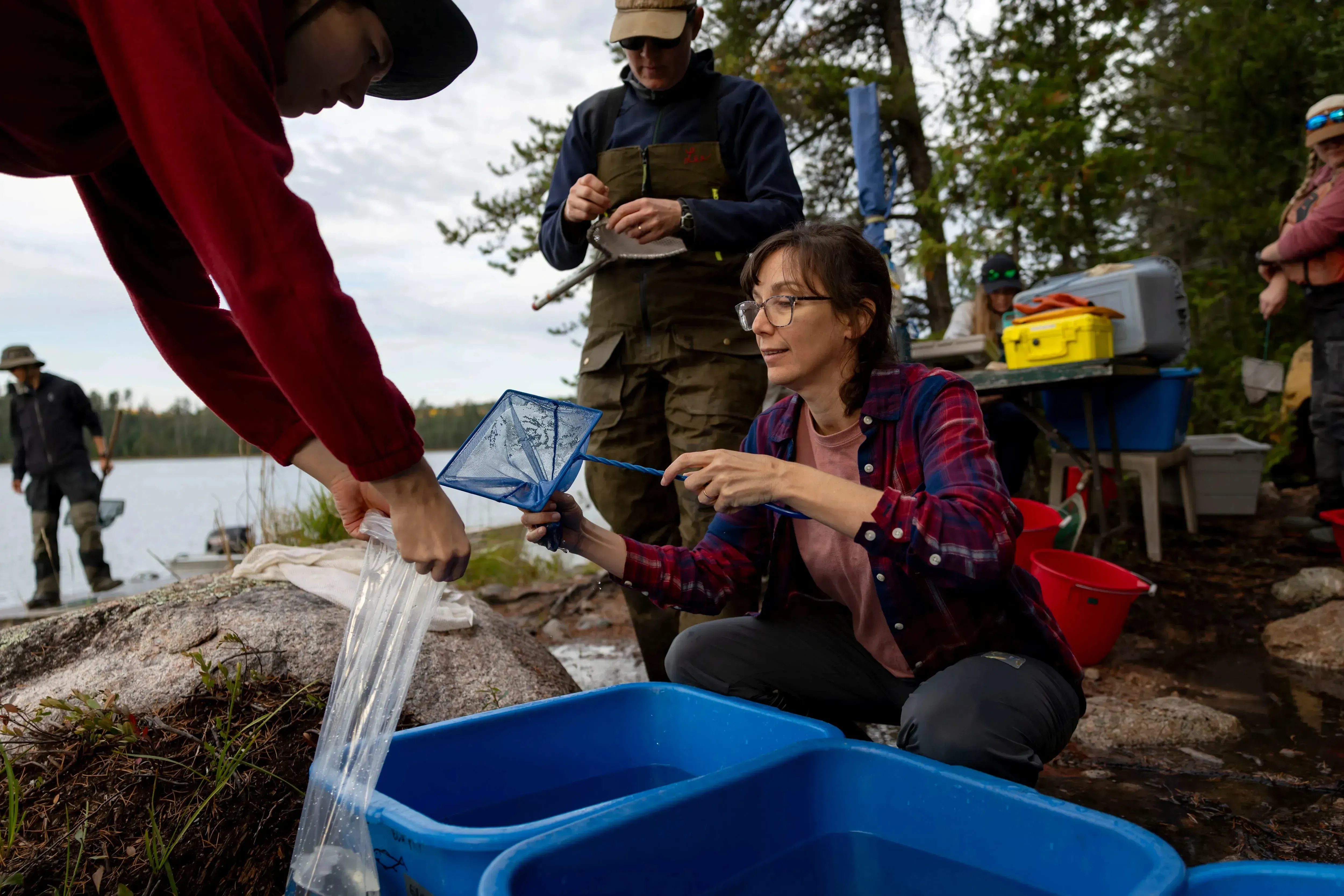
Standing on the shores of Lake Michigan, you might just mistake it for the ocean. It is more than 300 miles long and one of the largest lakes in the world.
Growing up, I heard tales of a shipwreck off the shore and waves so tall they would flood the highway nearby.
What most fascinated me was how, in 1900, Chicago reversed the direction of the Chicago River so that it flowed away from the lake, protecting the city’s drinking water.
More than 100 years later, the lake continues to give back to us; Cooling the city in the summer and shielding us in the winter.
StoryReach Fellow Michael Hawthorn recently reported on how microplastics make their way into the Great Lakes, including Lake Michigan, and the health implications they bring with them.
According to his story, 22 million pounds of plastic waste ends up in the Great Lakes every year, with no sign of slowing.
Writing for the Chicago Tribune, Hawthorn covered the petrochemical companies planning to drastically scale plastic production in the United States, as well as the scientists committed to studying the public health risks associated with that production.
The Pulitzer Center has long supported reporting on drinking water and sanitation, a theme that intersects with public health, human rights, and technology.
For more reporting on water sanitation, check out the following projects:
- Thirst for Trust in West Virginia: In an 11-part series, grantee Mike Tony reports on the lack of potable water in many parts of West Virginia and the public officials failing to pass legislation to protect their communities.
- The Next Texas Gold Rush: Data Centers and Their Impacts: The Texas Tribune reports on the political influences shaping the state’s rapid data center expansion while the state “grapples with its own water and energy resource crises.”
- Meet the Bangladeshi Scientist Who’s Helping the World Fight Cholera: A project by grantee Martin Enserink about a senior researcher and her fight against cholera as it makes a global comeback. Check out a reflection from a fifth-grade teacher who used the project to teach her students how history applies to their lives.
- “The Ancient Blueprint for Hawaii’s Food Future”: A story by William and Mary Reporting Fellow Elissa Steil on an initiative to restore Hawaii’s original watershed can “improve water quality, increase food production, and support more resilient coastal environments.”
- Toxic Floods: When Climate and Oil Pollution Collide in South Sudan: Read about how devastating flooding led to widespread water contamination and increases in disease and birth defects in South Sudan by grantees Buster Emil Kirchner and Marco Simoncelli for New Lines Magazine.