Pulitzer Center Update February 13, 2026
Rights Group Scrutinizes Tire Giants After Pulitzer Center Investigation Into Problematic Rubber

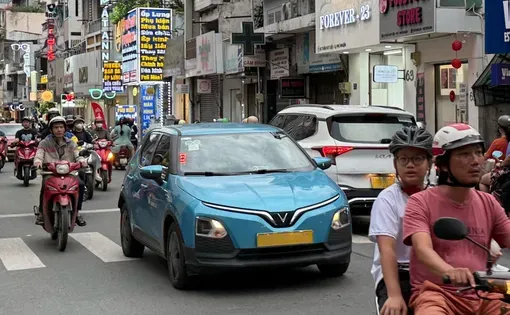
As demand for EVs rises, so does the need for tires made with natural rubber.


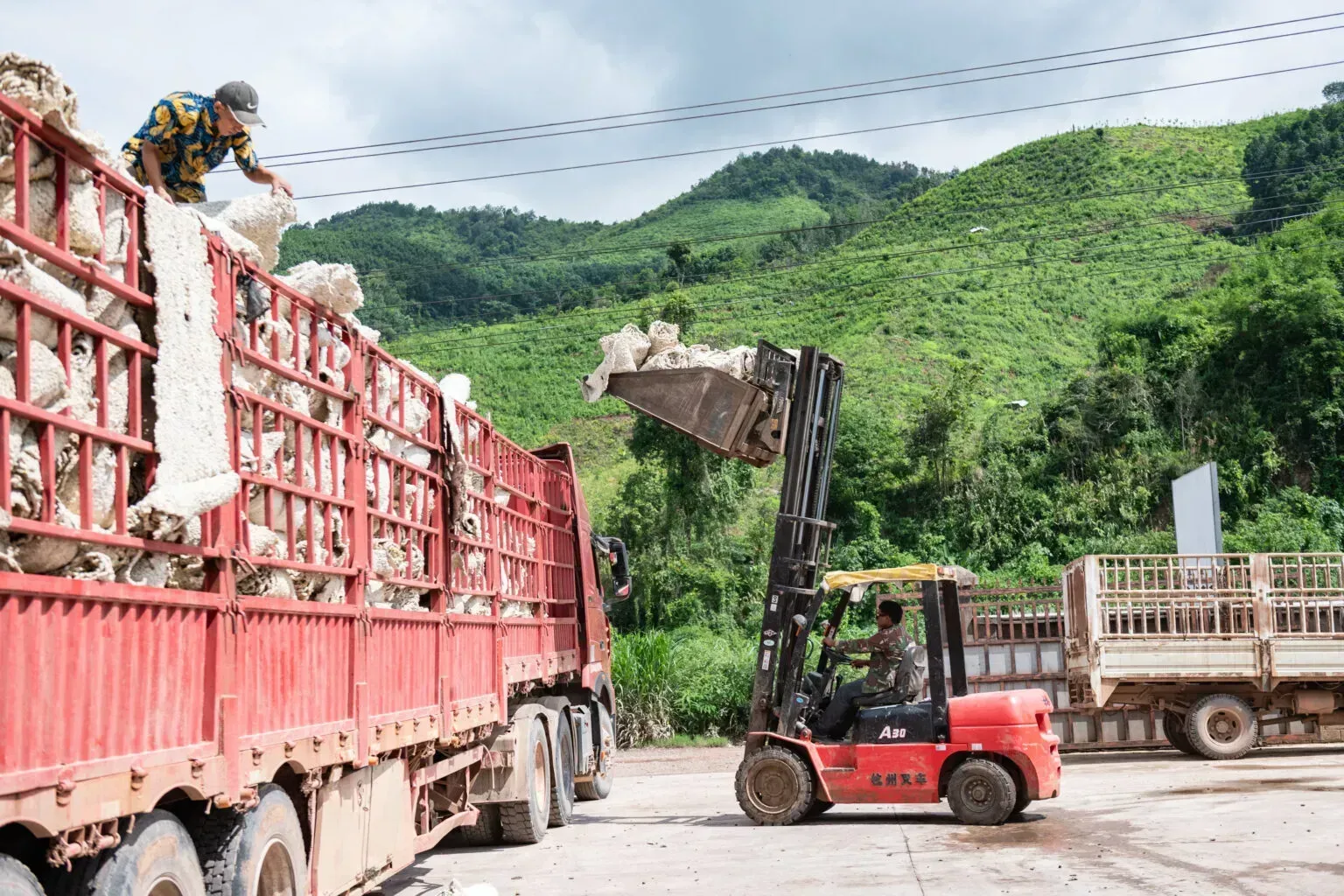
The Business and Human Rights Centre (BHRRC) questioned major tire companies after a Pulitzer Center-supported investigation exposed the environmental toll of rubber plantations in the Mekong River basin in Southeast Asia.
Published in December 2025 by Mekong Eye, the project, Fast and Dubious: How Electric Cars Are Tiring the Mekong, examined how the demand for electric vehicles has led to a rapid expansion of rubber plantations.
“In 2024 alone, more than 17 million electric cars were sold worldwide. Yet behind this transition lies an often-overlooked cost: Electric vehicles, heavier and more powerful than gasoline cars, consume tires faster—driving growing demand for natural rubber, the key material that gives tires their strength and durability,” according to the project's reporting team.
The Mekong region—China, Cambodia, Laos, Myanmar, Thailand, and Vietnam—produces roughly half of the world’s rubber. Expansion of rubber plantations has led to declining forest biodiversity, displaced Indigenous populations, and disrupted local economies.
In January, the BHRRC reported that it reached out to all 15 of the tire companies named in the investigation to inquire about their public sustainability and sourcing commitments.
So far, only international tire giant Michelin responded, stating that it has “not purchased rubber from Cambodia for several decades and has no plans to do so, precisely because we consider that the appropriate (Environmental, Social, and Governance) conditions are not met at the country level.”
Michelin added that it never purchased rubber from Laos or Myanmar, and its rubber imports from Vietnam are extremely limited.
The responses and non-responses of the companies can be found here.