Pulitzer Center Update June 18, 2026
Pulitzer Center-Supported Investigation Named Finalist for Gabo Awards


The illegal wildlife trade has become an important source of revenue for criminal groups.


A Pulitzer Center-supported investigation that looked into wildlife trafficking in the Amazon has been named a finalist in the 2026 Gabo Awards, one of the most important honors in Spanish- and Portuguese-language journalism.
"Highways of Predation" (published in both Spanish and English) found that, between 2010 and 2025, nearly 3 million animals were seized in the Amazon each year, more than one and a half times the figure the U.N. registers for the whole world. For nearly a year, journalists from Colombia, Ecuador, Peru, Bolivia, and Brazil reported on the illegal wildlife trade in the Amazon.
The Gabo prize recognizes excellence, rigor, independence, innovation, and ethics, celebrating work that strengthens public debate and helps build a critical, participatory citizenry.
The Gabo Award winners will be announced on July 24, 2026, during the Gabo Festival in Bogotá, Colombia.
Three other Pulitzer Center-supported projects had been nominated for the 2026 Gabo Awards:
- “Anatomy of the Carbon Market,” by Rainforest Investigations Network Fellow Andrés Bermúdez Liévano, is a platform for communities whose territories host carbon projects, designed to strengthen journalistic and citizen scrutiny of the projects' true benefits. It is available as an interactive website published in partnership with Centro Latinoamericano de Investigación Periodística.
- The Backyard of AI, by AI Accountability Fellow Pablo Jiménez Arandia, 2023 Reporting Fellow Muriel Alarcón, and Daniela Dib, was also nominated. Published by El País, El Hilo, and Rest of World, the project reveals how AI giants are extracting basic resources such as water in regions facing severe drought, seizing land to build their data centers, and relying on energy from fossil fuels to power them.
- Investigating the Global Shark Trade, co-authored by Pulitzer Center staff and published in Mongabay, was also nominated. The project—by Ocean Reporting Network Fellow Philip Jacobson, Rainforest Investigations Network Fellow Karla Mendes, Lucas Berti, Rainforest Investigations Network Fellow Fernanda Wenzel, and Pulitzer Center Senior Editor Kuek Ser Kuang Keng— exposes the little-known global trade in these ocean predators. After the reporting found that shark meat was being served in public schools and hospitals across Brazil, several government agencies said they would stop ordering the meat.
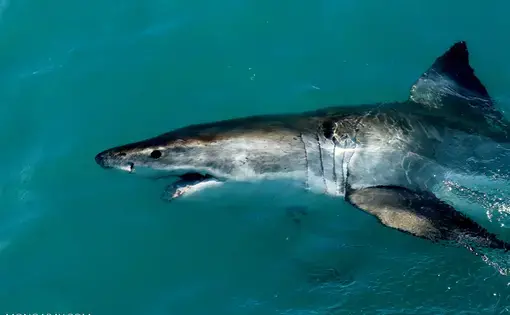
The rising global trade in these ocean predators



Project
The Backyard of AI
The boom of generative AI has launched tech giants into a race to increase their computing...


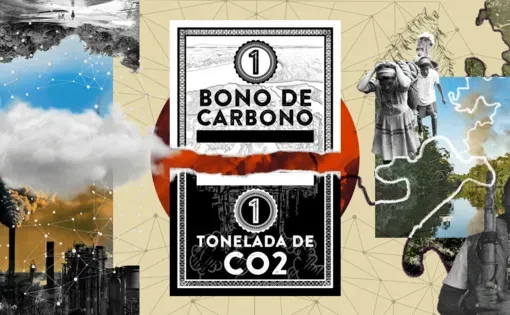
Understanding whether carbon offset projects are operating correctly