
Flower farms operate with little oversight.
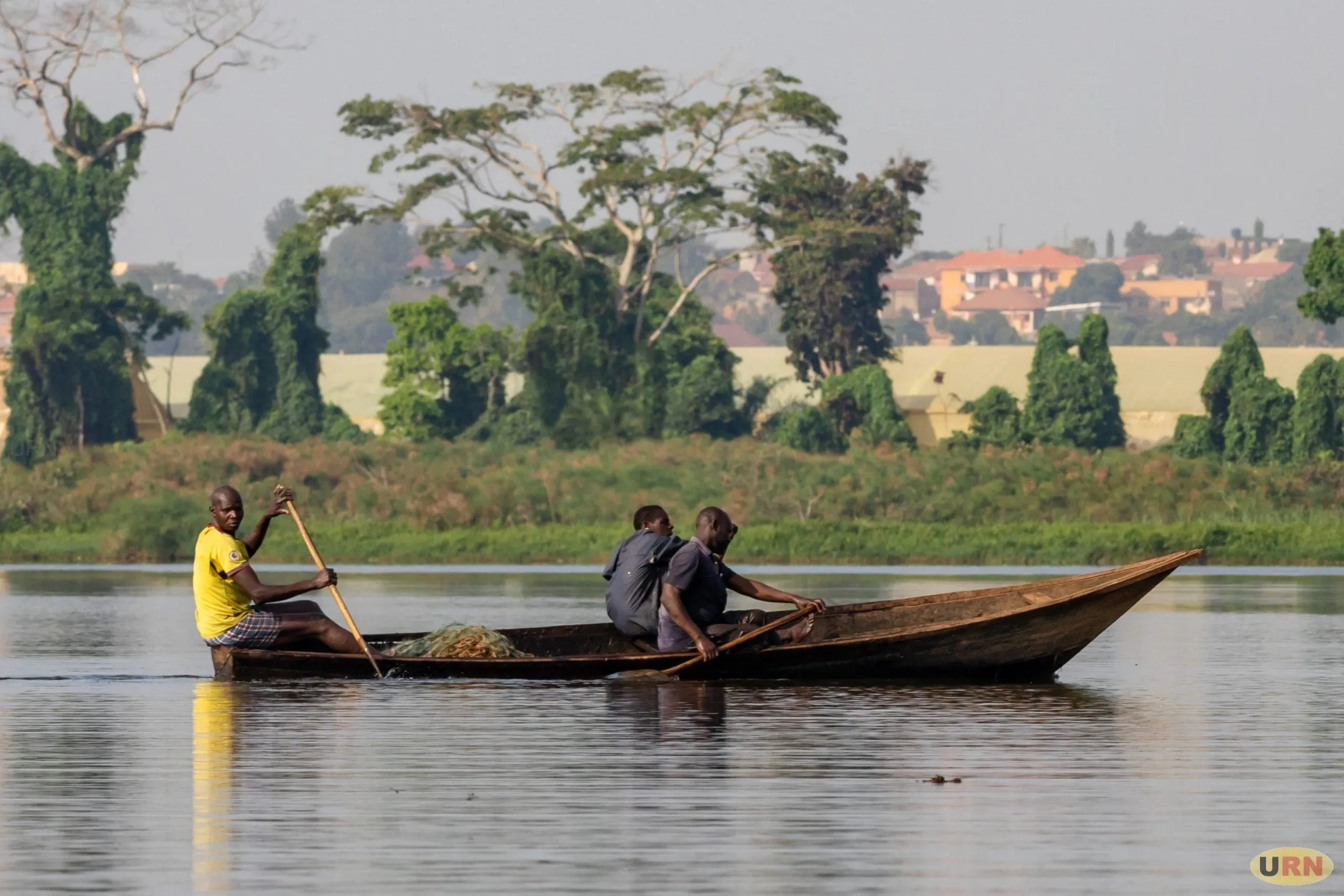
As dawn breaks over Lutembe Bay on the shores of Lake Victoria, fishermen push their canoes into the water while flocks of birds fill the sky. The wetland appears peaceful, but beneath its beauty lies a growing environmental conflict that has persisted for nearly two decades.
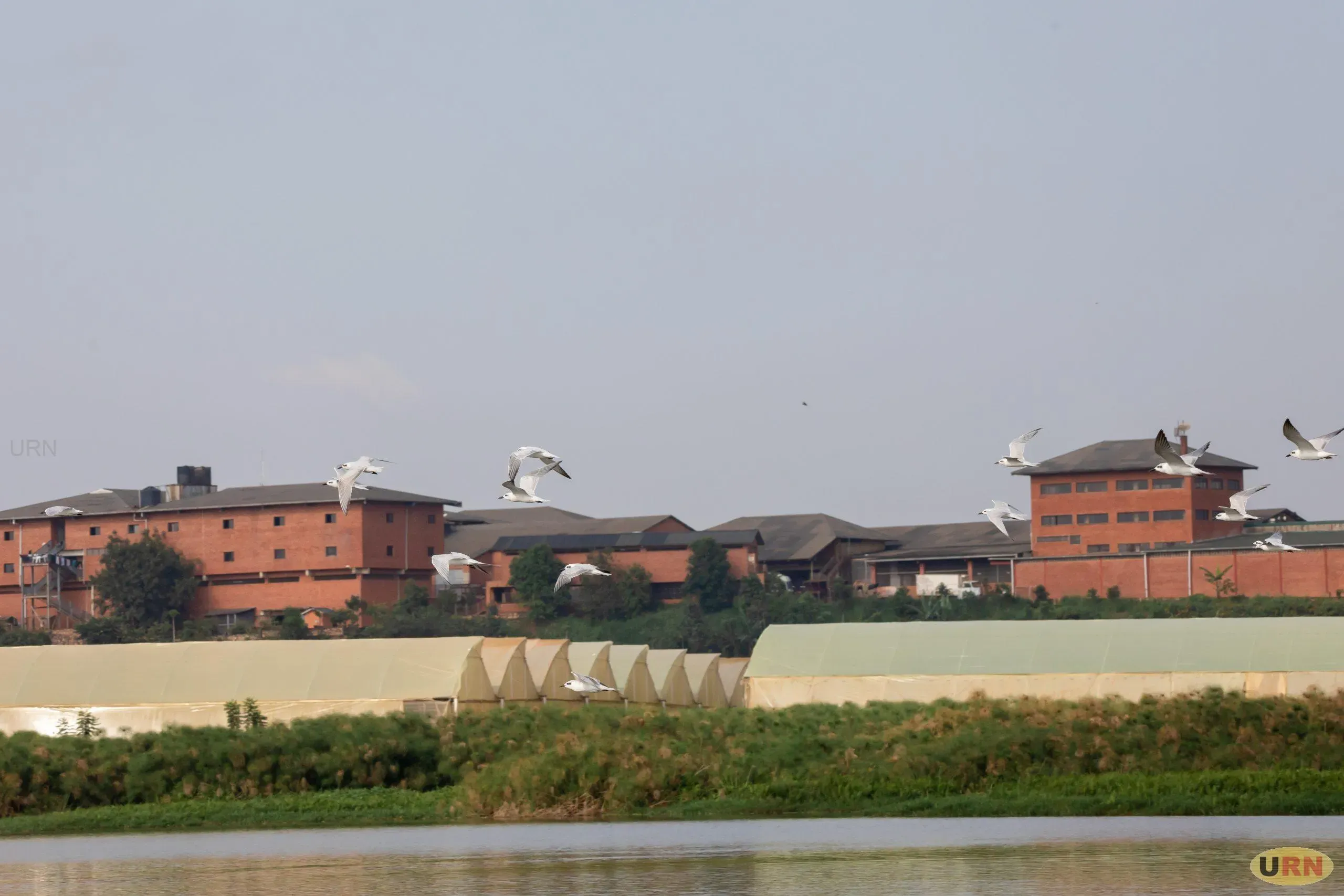
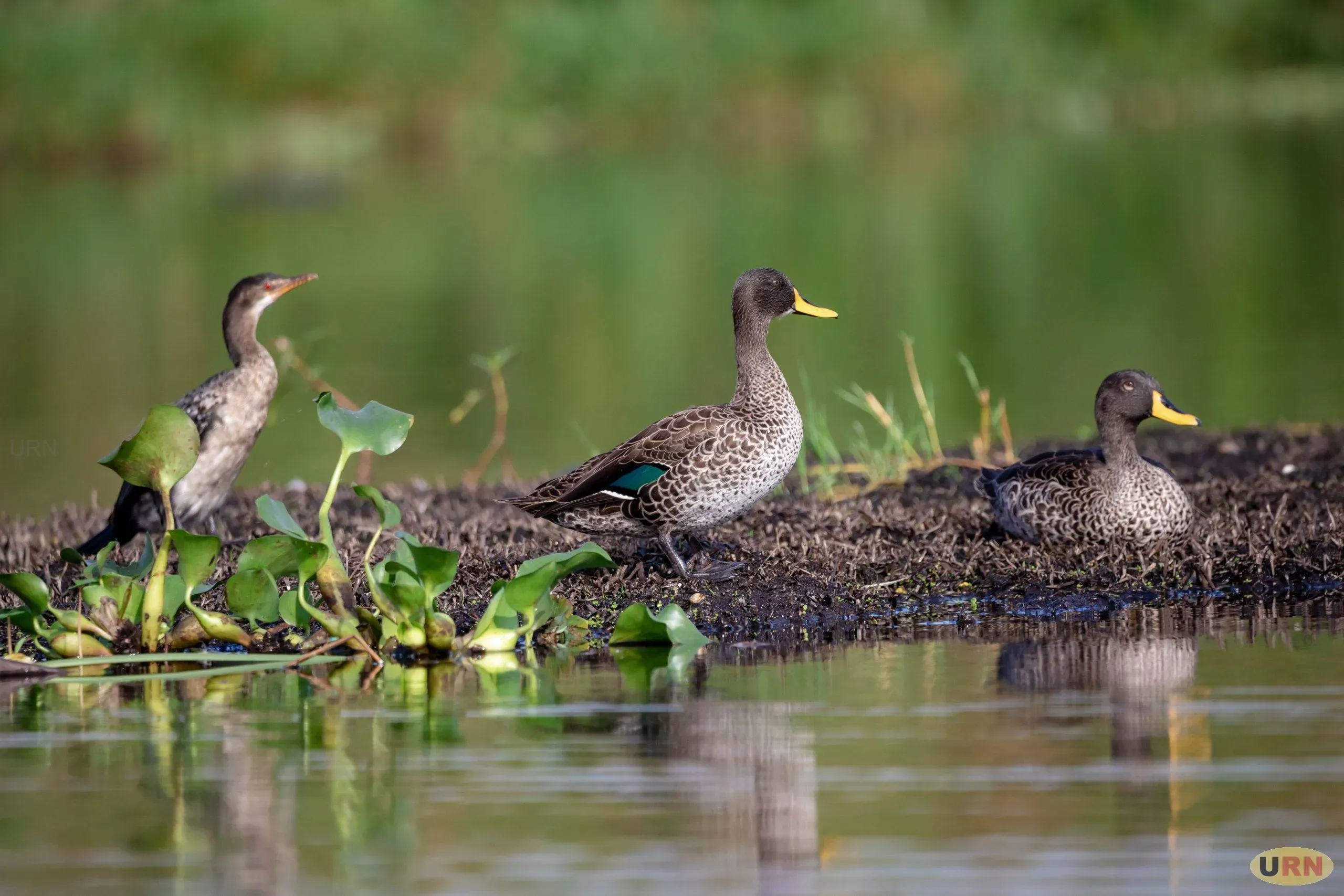
Lutembe Bay is one of Uganda’s internationally protected wetlands, recognised under the Ramsar Convention in 2006 for its importance to migratory birds, fish breeding, flood control, and water filtration. Every year, thousands of birds travel from Europe, Asia, and other parts of Africa to rest in the bay, making it a critical link in global migration routes.

As a nonprofit journalism organization, we depend on your support to fund more than 170 reporting projects every year on critical global and local issues. Donate any amount today to become a Pulitzer Center Champion and receive exclusive benefits!
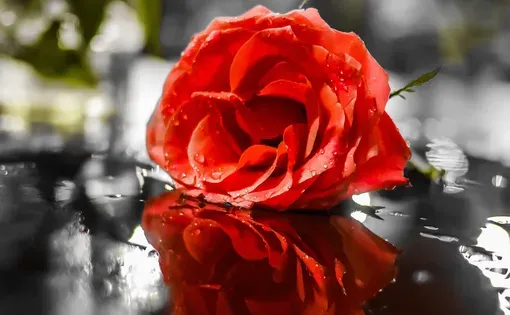
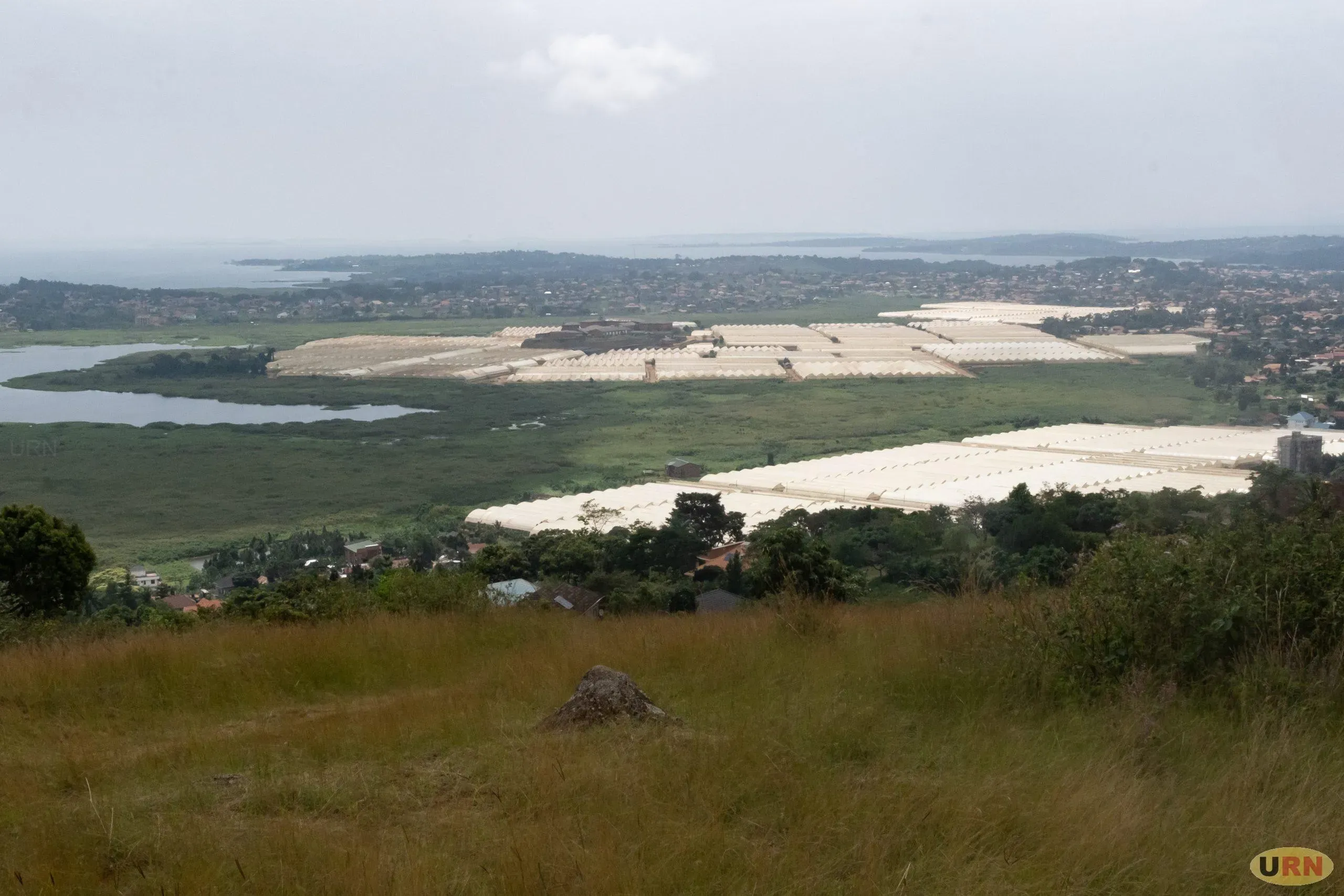
However, environmentalists warn that the wetland is under increasing pressure from commercial development, particularly the expansion of flower farms. Large greenhouse structures now occupy parts of the wetland, raising concerns about habitat loss and environmental degradation.
Flower farm owners argue that they legally acquired the land before Lutembe received Ramsar status and maintain that they are being unfairly blamed for the wetland’s challenges. Government officials also note that some developments predate the protected designation.
Yet environmental groups and local residents say the landscape has changed dramatically over the years and question why enforcement of wetland protection laws remains weak. Responsibility is shared among several institutions, including the Ministry of Water and Environment, the National Environment Management Authority, and local governments, creating challenges in enforcement and accountability.
This national perspective explores a difficult question on why flowers are grown in a wetland of international importance.
Interviews by Musinguzi Blanshe, Annegina Randewijk with contribution from Christopher Kisekka.
Narration by Michael Wambi. Production by Jimmy Luyima.